Shri Shiv Exim Enterprises — Supplier
About Shri Shiv Exim Enterprises - Spices Supplier in India
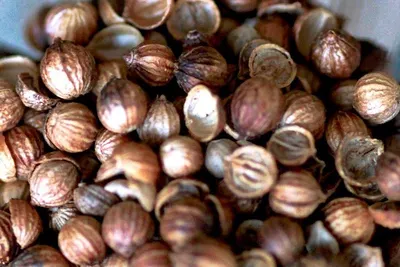
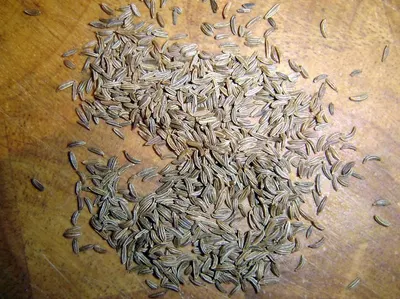
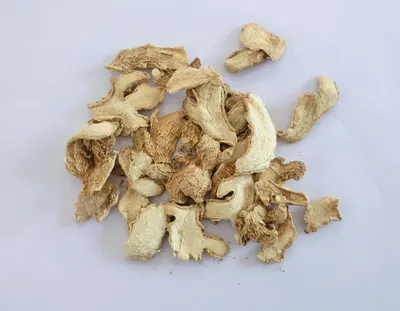
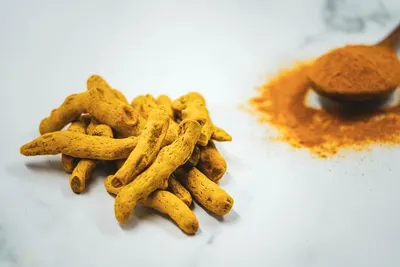
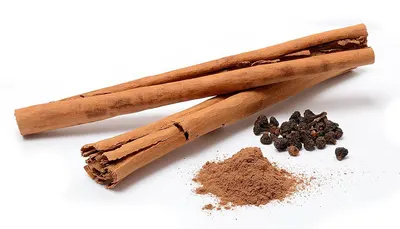
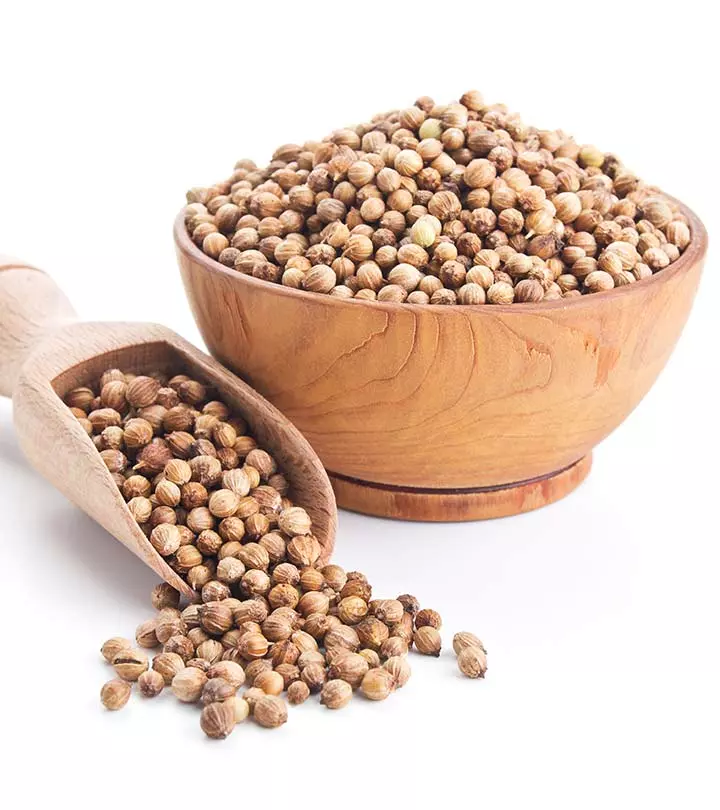
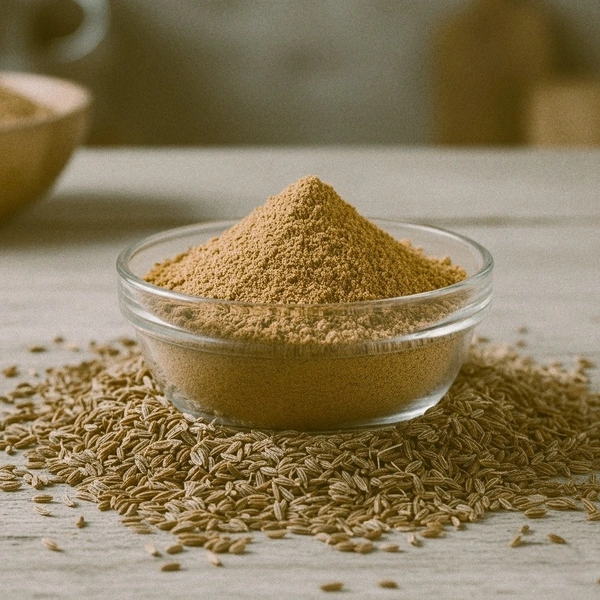
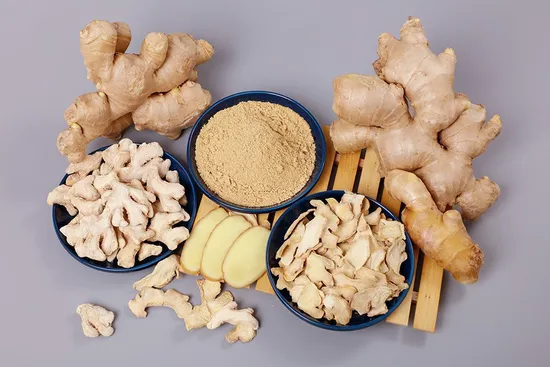
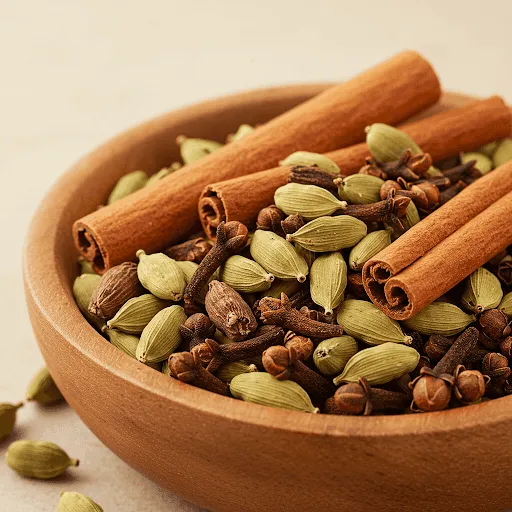
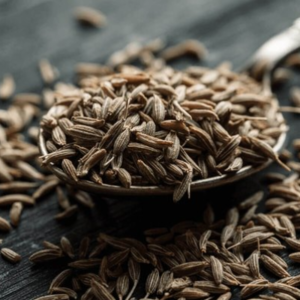
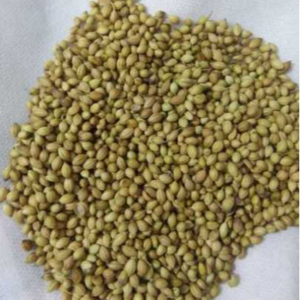
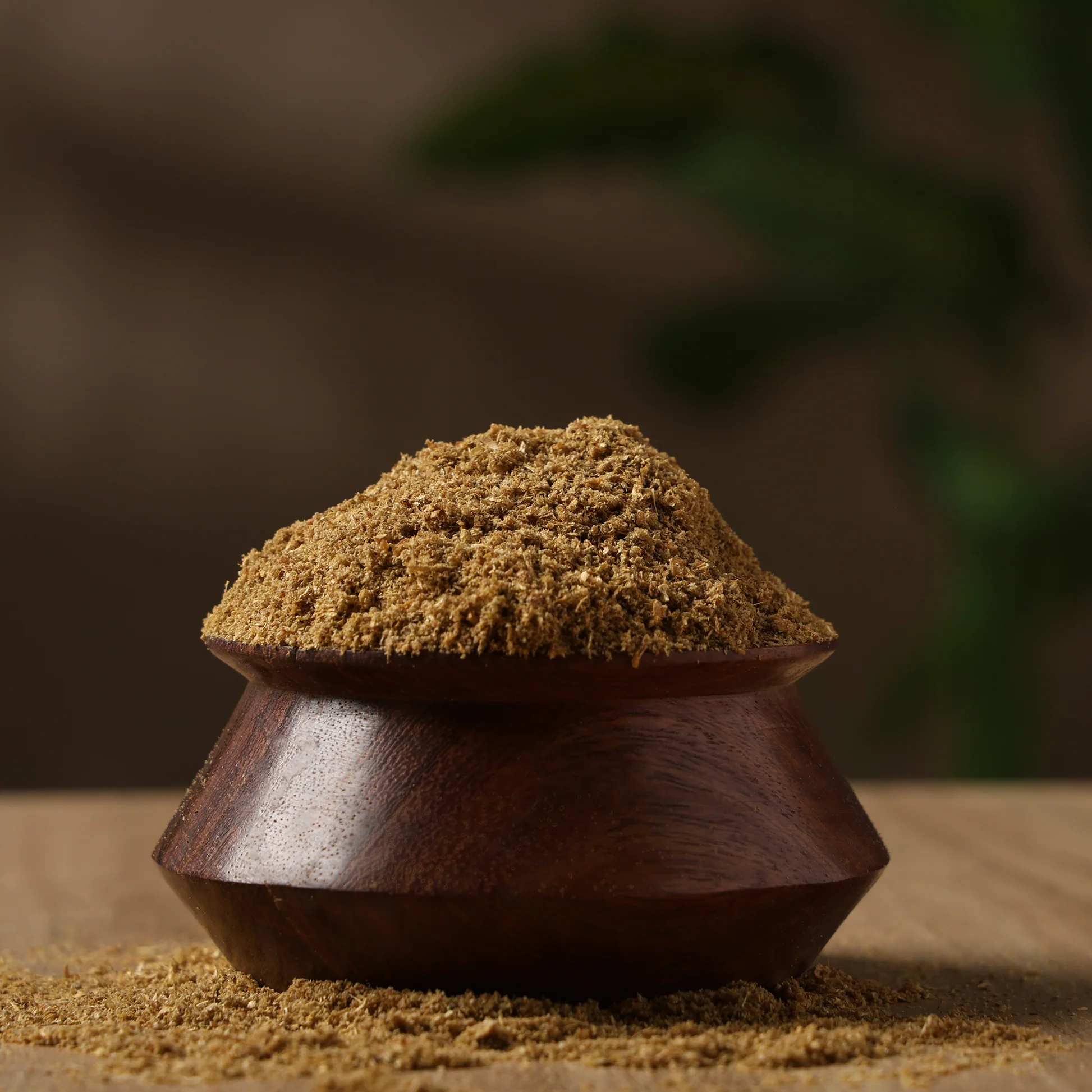
India‑based Shri Shiv Exim Enterprises lists six active spice products in its catalogue. The range includes whole coriander seeds, cumin seeds and its ground powder, dry red chilli, dry ginger, turmeric fingers together with turmeric powder, and cinnamon sticks. Each entry is recorded under the generic spice HS‑chapter 09 families, reflecting the standard classification used for dried herb and spice commodities. The supplier’s catalogue does not provide further product subdivision beyond the listed forms, keeping the offering focused on core Indian spice varieties.
The product formats are typical for bulk spice trade: whole seeds and dried pieces are supplied in 25 kg polypropylene bags, while powders such as cumin and turmeric are packed in food‑grade inner bags within the same bulk containers. All six items are prepared for container loading, allowing 20‑ft or 40‑ft ocean containers to be filled according to standard bulk‑spice loading practices. The catalogue specifies no additional processing steps beyond cleaning, drying, and grinding where applicable.
Product Range and Specialties of Shri Shiv Exim Enterprises
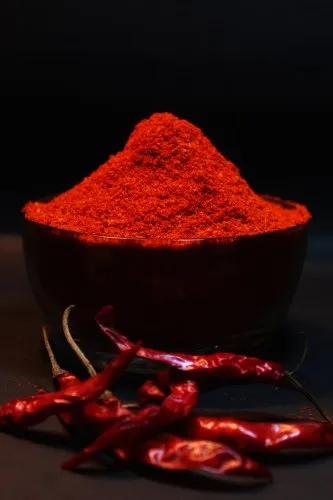
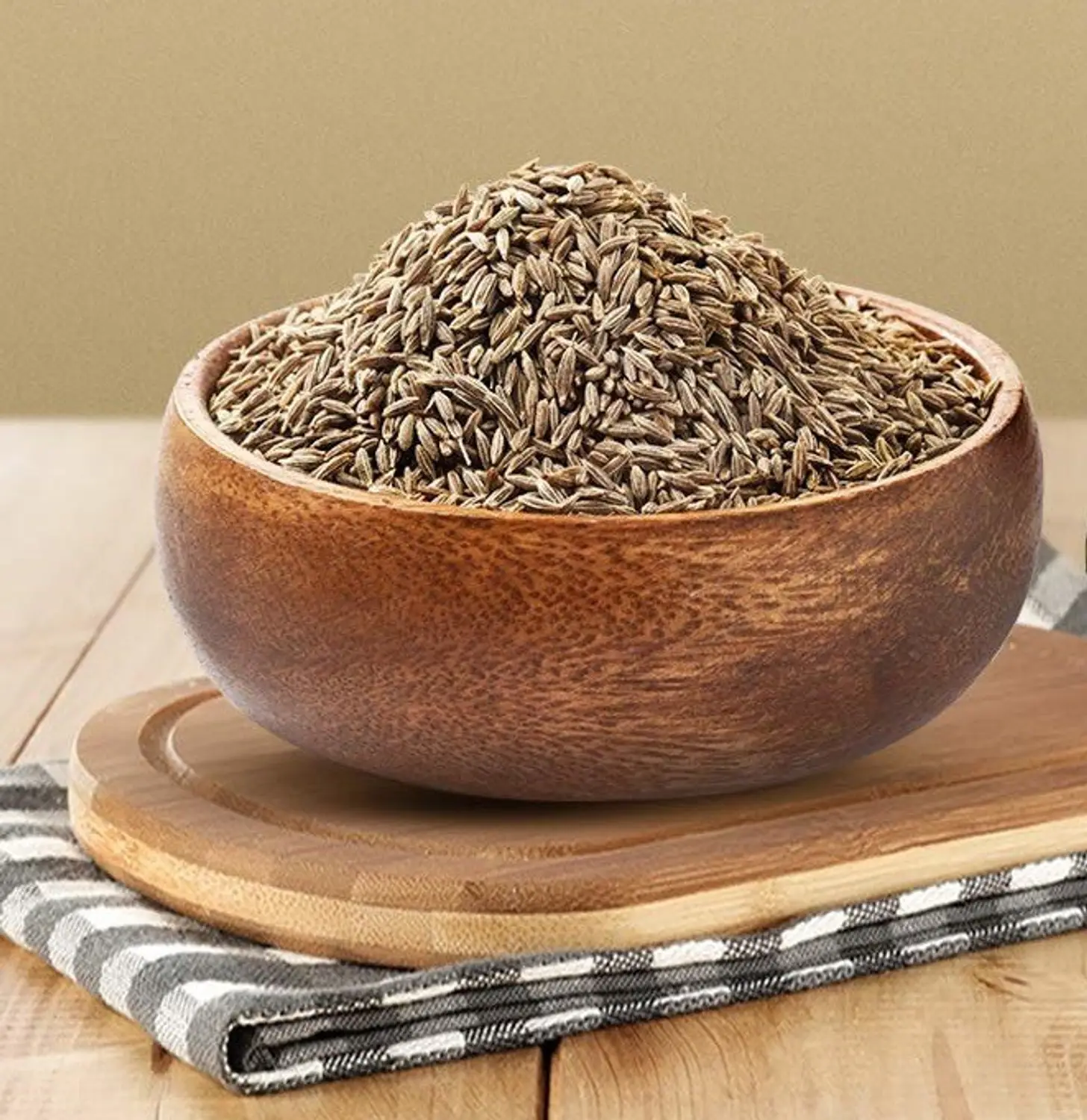
Shri Shiv Exim Enterprises provides coriander seeds, a commodity usually graded by moisture content (≤12 %) and foreign matter (≤2 %). Cumin seeds and cumin powder are commonly sold in Grade A with oil content around 5 % and particle size for powder not exceeding 250 µm. Dry red chilli is typically classified by Scoville heat units (10 000 - 30 000) and colour uniformity, while dry ginger is assessed for gingerol content and moisture below 10 %. Turmeric fingers and turmeric powder are evaluated for curcumin concentration (≈3 % for fingers, ≥5 % for powder) and for low ash content. Cinnamon sticks are generally measured for bark thickness (≈4 mm) and moisture under 12 %. These industry benchmarks apply to the products listed in the supplier’s catalogue.
Trade and Export Information - Shri Shiv Exim Enterprises
India is a major exporter of spice products, with the majority of shipments destined for the European Union, the United States, the Middle East, and Southeast Asian markets. Bulk spice consignments from India are usually classified under HS chapter 09, sub‑headings such as 0905 for spice extracts and 0909 for other spices, and are subject to phytosanitary inspection and customs valuation based on weight and origin. Buyers typically request certificates that comply with ISO 22000, HACCP, and the Indian Food Safety and Standards Authority (FSSAI) for food safety, as well as a phytosanitary certificate issued by the Indian Plant Quarantine. Standard Incoterms for Indian spice exports are FOB Indian ports (e.g., Mumbai, Chennai) or CIF to the buyer’s destination port, with containerisation in 20‑ft or 40‑ft units and moisture‑controlled storage during transit.
Sourcing from Shri Shiv Exim Enterprises - Buyer Guidance
When sourcing from Shri Shiv Exim Enterprises, buyers should obtain a current Certificate of Analysis (CoA) for each spice batch, confirming moisture, foreign matter, and any pesticide residue limits that align with EU or US regulations. Request a phytosanitary certificate and, if required by the destination market, a Halal or Kosher certification to verify compliance with specific dietary standards. Verify that the packaging meets food‑grade specifications and that the supplier can provide test reports for heavy metals, aflatoxins, and microbial counts before confirming a purchase order.
Frequently Asked Questions About Shri Shiv Exim Enterprises
What spice products does Shri Shiv Exim Enterprises list in its catalogue?
The catalogue lists coriander seeds, cumin seeds and cumin powder, dry red chilli, dry ginger, turmeric fingers and turmeric powder, and cinnamon sticks.
How many different spice items are actively offered?
Six distinct spice products are indicated as active in the supplier’s listing.
Are any food‑safety certifications stated for the supplier?
The supplier’s public catalogue does not specify certifications; buyers should request standard food‑safety documents such as ISO 22000, HACCP, or FSSAI certificates.
What packaging formats are typical for these spices?
Bulk spices are normally packed in 25 kg polypropylene bags, which are then loaded into standard 20‑ft or 40‑ft containers for ocean freight.
Which markets commonly import Indian spices like those offered?
Typical import markets include the European Union, the United States, the Gulf Cooperation Council countries, and Southeast Asian nations.
What documentation should a buyer request before ordering?
Buyers should ask for a Certificate of Analysis, a phytosanitary certificate, and any relevant Halal, Kosher, or heavy‑metal test reports required by the destination country.
What are the usual moisture limits for the listed spices?
Industry standards usually require moisture below 12 % for coriander, dry ginger and cinnamon, and below 10 % for dry red chilli and turmeric powder.
What Incoterms are commonly used for exporting these spices from India?
FOB from major Indian ports such as Mumbai or Chennai, and CIF to the buyer’s destination port, are the most frequently applied Incoterms for Indian spice shipments.




 , India