Shri hari Traders — Verified Supplier

About Shri hari Traders - Fresh Produce Supplier in India

Shri hari Traders is located in Satna, Madhya Pradesh, India and currently lists five distinct product lines. The catalogue includes Fresh Fruits, Fresh Vegetables, Pulses, Fresh Onion and Fresh Green Chilli, each recorded under separate HS‑code families such as 0801‑0809 for fruits, 0701‑0709 for vegetables, 0713 for pulses, 0703 for onions and 0709 for chillies. The supplier’s active product count of five reflects the range of seasonal produce it sources from the central Indian agricultural belt. Export listings are organized by these categories rather than by individual commodity codes, allowing buyers to identify the relevant HS chapter for customs clearance.

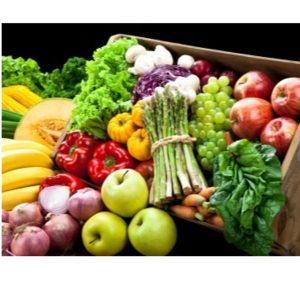
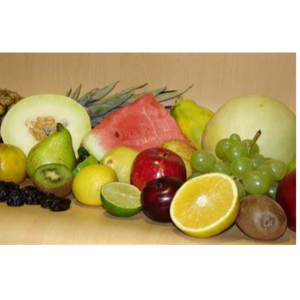
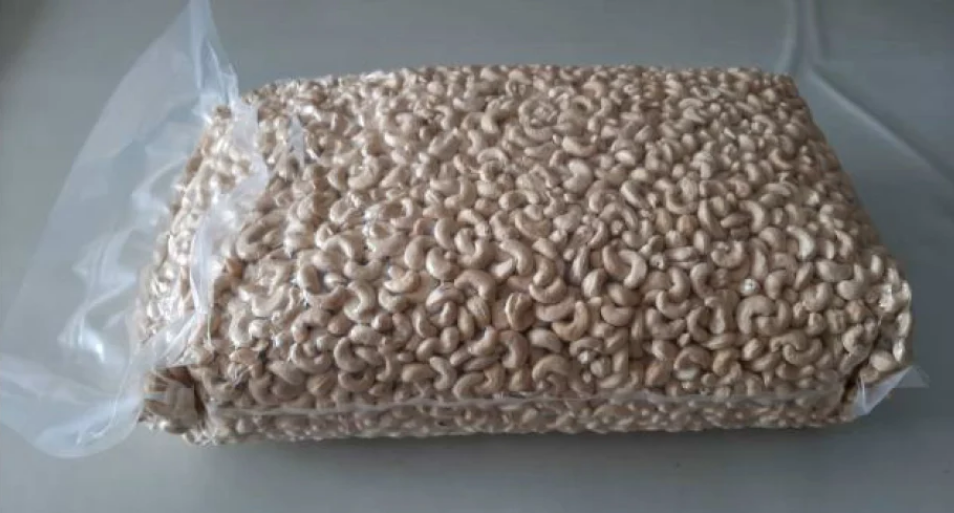
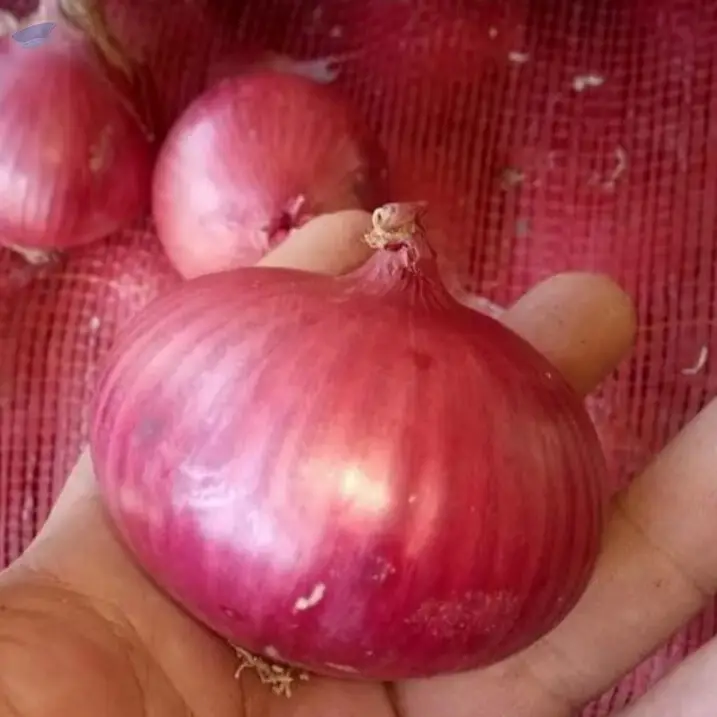
The Fresh Fruits entry aggregates a variety of Indian seasonal fruits that meet the standard A‑grade visual criteria used in international trade. Fresh Vegetables cover leafy greens, root crops and other market‑grade vegetables typically inspected for size, firmness and pesticide residue limits below 0.01 mg kg⁻¹. Pulses are offered in cleaned, de‑hulled form with moisture content generally not exceeding 12 % and protein levels around 20 - 25 %. Fresh Onion is supplied in medium‑size bulbs (diameter 40‑60 mm) with a moisture range of 8‑10 %, while Fresh Green Chilli is graded by length (30‑60 mm) and Scoville heat unit classification. All five product lines are presented without reference to specific certifications, which buyers should verify independently.

Product Range and Specialties of Shri hari Traders

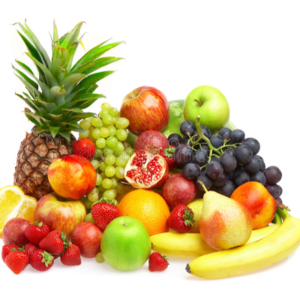
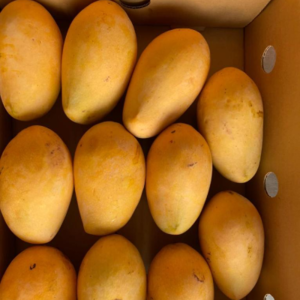
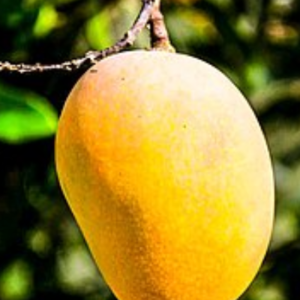
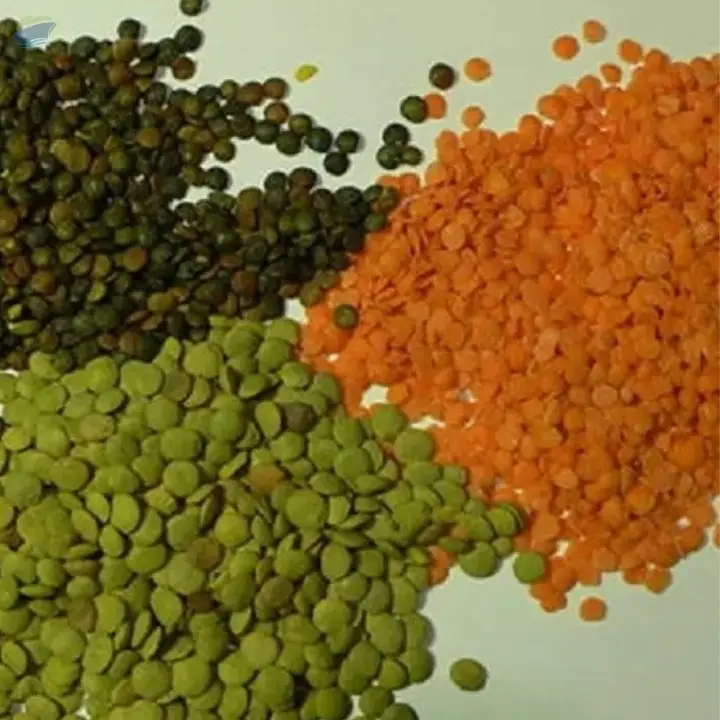
Shri hari Traders’ catalogue lists five product families: Fruits, Fresh Vegetables, Pulses, Fresh Onion and Green Chilli. Within the Fruit family Indian mango, banana, apple and citrus varieties are commonly exported, each sorted by size and Brix level (typically 12‑15 % for mangoes). The Fresh Vegetables line includes common items such as cauliflower, beans and okra, graded by uniformity and absence of mechanical damage. Pulses comprise lentils, split peas and chickpeas, usually cleaned to meet an impurity limit of less than 0.5 % and a moisture ceiling of 12 %. Fresh Onion is offered in medium‑size bulbs meeting a 8‑10 % moisture specification, and Green Chilli is supplied in lengths of 30‑60 mm with a typical capsaicin content of 10‑30 % Scoville units.

In international trade, fresh produce from India is commonly required to comply with GlobalGAP or organic standards, ISO 22000 food safety management, and a phytosanitary certificate issued by the Indian Plant Quarantine organization. Buyers typically request laboratory reports for pesticide residues, heavy metals and aflatoxin levels, especially for pulses and chilies. Packaging standards include 20 kg polypropylene bags for pulses, mesh crates for onions, and insulated 40 ft refrigerated containers (reefers) for fruits and vegetables, with temperature control set between 0 °C and 5 °C for most leafy items. HS‑code references such as 0801‑0809 (fruits) and 0701‑0709 (vegetables) are used for customs declarations.

Trade and Export Information - Shri hari Traders

India ranks among the top exporters of fresh horticultural produce, with Madhya Pradesh contributing significantly to the national output of onions, pulses and chilies. Export shipments from Satna are typically routed to the United Arab Emirates, Saudi Arabia, the United Kingdom, Germany and Kenya, where demand for Indian organic and conventional produce remains strong. The HS code families associated with Shri hari Traders’ products (0801‑0809, 0701‑0709, 0713, 0703, 0709) align with the tariff schedules used by these destination markets.

Importing countries often require a phytosanitary certificate, an organic certification (if applicable), and compliance with the EU’s maximum residue limits (MRLs) for pesticide residues. Standard Incoterms for Indian fresh produce include FOB (Port of Kolkata or Mundra) and CIF to the destination port, with refrigerated containers (20 ft or 40 ft) equipped with temperature monitoring devices. Documentation such as the commercial invoice, packing list, certificate of origin and, where requested, a third‑party lab analysis, are routinely inspected by customs authorities.

Sourcing from Shri hari Traders - Buyer Guidance

Buyers sourcing from Shri hari Traders should request the latest phytosanitary certificate, any organic certification documents, and a recent laboratory analysis covering pesticide residues, heavy‑metal limits and moisture content for each product line. For pulses, a sample analysis confirming protein content (≈20‑25 %) and impurity levels (<0.5 %) is advisable before confirming bulk orders.

The typical minimum order quantity for fresh fruits and vegetables is one 20 ft refrigerated container, roughly 10‑12 metric tonnes, while pulses are often sold in 20 kg bags with a minimum aggregate order of 5 metric tonnes. Lead times from order confirmation to shipment range from 15 days for pre‑harvest produce to 30 days for post‑harvest items that require curing or sorting. Buyers should verify that packaging meets the destination market’s standards, such as breathable mesh for onions or insulated pallets for temperature‑sensitive fruits.

Frequently Asked Questions About Shri hari Traders

What product categories does Shri hari Traders offer?

Shri hari Traders lists five categories - Fresh Fruits, Fresh Vegetables, Pulses, Fresh Onion and Fresh Green Chilli - each recorded in the catalogue under a separate product entry.

Which HS‑code families correspond to these products?

The typical HS chapters for these items are 0801‑0809 for fresh fruits, 0701‑0709 for fresh vegetables, 0713 for pulses, 0703 for fresh onion and 0709 for green chilli. These codes are used for customs clearance in most importing countries.

What certifications should a buyer request?

Buyers should ask for a phytosanitary certificate, any organic certification claimed by the supplier, and a recent laboratory report showing compliance with pesticide residue limits, heavy‑metal thresholds and moisture specifications.

What are the common quality parameters for the listed products?

Fresh fruits are evaluated by size, Brix level (≈12‑15 %) and visual grade; vegetables are checked for uniformity, firmness and residue limits (<0.01 mg kg⁻¹); pulses must have moisture ≤12 % and impurity <0.5 %; onions are measured by bulb diameter (40‑60 mm) and moisture 8‑10 %; green chilli is graded by length (30‑60 mm) and capsaicin content (10‑30 % Scoville units).

What is the typical minimum order quantity?

For fresh fruits and vegetables the usual minimum is one 20 ft refrigerated container (≈10‑12 tonnes); for pulses the minimum is often 5 tonnes packed in 20 kg bags.

How are the products packaged for export?

Pulses are packed in 20 kg polypropylene bags placed on wooden pallets, onions in breathable mesh crates, and fruits and vegetables in insulated refrigerated containers with temperature control set between 0 °C and 5 °C.

Which Incoterms are most frequently used?

Export transactions from India commonly use FOB at major Indian ports (e.g., Kolkata, Mundra) or CIF to the buyer’s destination port, with the supplier arranging refrigerated container freight for temperature‑sensitive cargo.

What is the typical lead time from order to shipment?

Lead times range from about 15 days for produce harvested and packed on schedule to up to 30 days when additional post‑harvest treatment, sorting or certification steps are required.

Other Suppliers in Fresh Fruits

Top Trusted Suppliers

Related Products in Fresh Fruits

Trending in Parent Category

More Suppliers in Parent Category

Related Products

Other Suppliers

EximNext
58.4K+ live requirements
Register Free🎁 5 free buy-lead credits
Post Requirement
🌍 Trusted by 224.3K+ businesses in 200+ countries|
58.4K+ active requirements right now
✉️ [email protected]
|
Sell on EximNextPost Requirement
EximNext
AgricultureApparelConstructionElectronicFoodHomeIndustrialMineralsMiscellaneous
🔥 Deals|✨ AI Match|🏭 Suppliers|📋 Buy Leads|💰 Trade Finance|⭐ Upgrade
58.4K+ live RFQs·194.4K+ suppliers
🎁 5 free credits →
EximNext
EximNext
Register Free
🎁 5 free buy-lead credits
Sign In
📋Post Requirement💬Get QuotesAI Match📋RFQ Marketplace
All Categories
Services & Tools
🏭Supplier Directory🔥Today's Deals💰Trade FinanceMembership
Sell on EximNext
AboutContactBlogHelp
🏭

Shri hari Traders

🚢 Voyage
Country flag Satna, IndiaEst. 2021-01-01
🏆
5+
Years in Business
🛡️
60/100
Trust Score

Shri hari Traders Product Catalog

Showing 5 of 5 products
View all products →
Fruits
🚢 Voyage
Fruits
Contact
MOQ: 1 Unit
Fresh Vegetables
🚢 Voyage
Fresh Vegetables
Contact
MOQ: 1 Unit
Pulses
🚢 Voyage
Pulses
Contact
MOQ: 1 Unit
Fresh Onion
🚢 Voyage
Fresh Onion
Contact
MOQ: 1 Unit
Green Chilli
🚢 Voyage
Green Chilli
Contact
MOQ: 1 Unit

About Shri hari Traders - Fresh Produce Supplier in India

Shri hari Traders is located in Satna, Madhya Pradesh, India and currently lists five distinct product lines. The catalogue includes Fresh Fruits, Fresh Vegetables, Pulses, Fresh Onion and Fresh Green Chilli, each recorded under separate HS‑code families such as 0801‑0809 for fruits, 0701‑0709 for vegetables, 0713 for pulses, 0703 for onions and 0709 for chillies. The supplier’s active product count of five reflects the range of seasonal produce it sources from the central Indian agricultural belt. Export listings are organized by these categories rather than by individual commodity codes, allowing buyers to identify the relevant HS chapter for customs clearance.

The Fresh Fruits entry aggregates a variety of Indian seasonal fruits that meet the standard A‑grade visual criteria used in international trade. Fresh Vegetables cover leafy greens, root crops and other market‑grade vegetables typically inspected for size, firmness and pesticide residue limits below 0.01 mg kg⁻¹. Pulses are offered in cleaned, de‑hulled form with moisture content generally not exceeding 12 % and protein levels around 20 - 25 %. Fresh Onion is supplied in medium‑size bulbs (diameter 40‑60 mm) with a moisture range of 8‑10 %, while Fresh Green Chilli is graded by length (30‑60 mm) and Scoville heat unit classification. All five product lines are presented without reference to specific certifications, which buyers should verify independently.

Product Range and Specialties of Shri hari Traders

Shri hari Traders’ catalogue lists five product families: Fruits, Fresh Vegetables, Pulses, Fresh Onion and Green Chilli. Within the Fruit family Indian mango, banana, apple and citrus varieties are commonly exported, each sorted by size and Brix level (typically 12‑15 % for mangoes). The Fresh Vegetables line includes common items such as cauliflower, beans and okra, graded by uniformity and absence of mechanical damage. Pulses comprise lentils, split peas and chickpeas, usually cleaned to meet an impurity limit of less than 0.5 % and a moisture ceiling of 12 %. Fresh Onion is offered in medium‑size bulbs meeting a 8‑10 % moisture specification, and Green Chilli is supplied in lengths of 30‑60 mm with a typical capsaicin content of 10‑30 % Scoville units.

In international trade, fresh produce from India is commonly required to comply with GlobalGAP or organic standards, ISO 22000 food safety management, and a phytosanitary certificate issued by the Indian Plant Quarantine organization. Buyers typically request laboratory reports for pesticide residues, heavy metals and aflatoxin levels, especially for pulses and chilies. Packaging standards include 20 kg polypropylene bags for pulses, mesh crates for onions, and insulated 40 ft refrigerated containers (reefers) for fruits and vegetables, with temperature control set between 0 °C and 5 °C for most leafy items. HS‑code references such as 0801‑0809 (fruits) and 0701‑0709 (vegetables) are used for customs declarations.

Trade and Export Information - Shri hari Traders

India ranks among the top exporters of fresh horticultural produce, with Madhya Pradesh contributing significantly to the national output of onions, pulses and chilies. Export shipments from Satna are typically routed to the United Arab Emirates, Saudi Arabia, the United Kingdom, Germany and Kenya, where demand for Indian organic and conventional produce remains strong. The HS code families associated with Shri hari Traders’ products (0801‑0809, 0701‑0709, 0713, 0703, 0709) align with the tariff schedules used by these destination markets.

Importing countries often require a phytosanitary certificate, an organic certification (if applicable), and compliance with the EU’s maximum residue limits (MRLs) for pesticide residues. Standard Incoterms for Indian fresh produce include FOB (Port of Kolkata or Mundra) and CIF to the destination port, with refrigerated containers (20 ft or 40 ft) equipped with temperature monitoring devices. Documentation such as the commercial invoice, packing list, certificate of origin and, where requested, a third‑party lab analysis, are routinely inspected by customs authorities.

Sourcing from Shri hari Traders - Buyer Guidance

Buyers sourcing from Shri hari Traders should request the latest phytosanitary certificate, any organic certification documents, and a recent laboratory analysis covering pesticide residues, heavy‑metal limits and moisture content for each product line. For pulses, a sample analysis confirming protein content (≈20‑25 %) and impurity levels (<0.5 %) is advisable before confirming bulk orders.

The typical minimum order quantity for fresh fruits and vegetables is one 20 ft refrigerated container, roughly 10‑12 metric tonnes, while pulses are often sold in 20 kg bags with a minimum aggregate order of 5 metric tonnes. Lead times from order confirmation to shipment range from 15 days for pre‑harvest produce to 30 days for post‑harvest items that require curing or sorting. Buyers should verify that packaging meets the destination market’s standards, such as breathable mesh for onions or insulated pallets for temperature‑sensitive fruits.

Frequently Asked Questions About Shri hari Traders

What product categories does Shri hari Traders offer?

Shri hari Traders lists five categories - Fresh Fruits, Fresh Vegetables, Pulses, Fresh Onion and Fresh Green Chilli - each recorded in the catalogue under a separate product entry.

Which HS‑code families correspond to these products?

The typical HS chapters for these items are 0801‑0809 for fresh fruits, 0701‑0709 for fresh vegetables, 0713 for pulses, 0703 for fresh onion and 0709 for green chilli. These codes are used for customs clearance in most importing countries.

What certifications should a buyer request?

Buyers should ask for a phytosanitary certificate, any organic certification claimed by the supplier, and a recent laboratory report showing compliance with pesticide residue limits, heavy‑metal thresholds and moisture specifications.

What are the common quality parameters for the listed products?

Fresh fruits are evaluated by size, Brix level (≈12‑15 %) and visual grade; vegetables are checked for uniformity, firmness and residue limits (<0.01 mg kg⁻¹); pulses must have moisture ≤12 % and impurity <0.5 %; onions are measured by bulb diameter (40‑60 mm) and moisture 8‑10 %; green chilli is graded by length (30‑60 mm) and capsaicin content (10‑30 % Scoville units).

What is the typical minimum order quantity?

For fresh fruits and vegetables the usual minimum is one 20 ft refrigerated container (≈10‑12 tonnes); for pulses the minimum is often 5 tonnes packed in 20 kg bags.

How are the products packaged for export?

Pulses are packed in 20 kg polypropylene bags placed on wooden pallets, onions in breathable mesh crates, and fruits and vegetables in insulated refrigerated containers with temperature control set between 0 °C and 5 °C.

Which Incoterms are most frequently used?

Export transactions from India commonly use FOB at major Indian ports (e.g., Kolkata, Mundra) or CIF to the buyer’s destination port, with the supplier arranging refrigerated container freight for temperature‑sensitive cargo.

What is the typical lead time from order to shipment?

Lead times range from about 15 days for produce harvested and packed on schedule to up to 30 days when additional post‑harvest treatment, sorting or certification steps are required.

About Shri hari Traders - Fresh Produce Supplier in India

Shri hari Traders is located in Satna, Madhya Pradesh, India and currently lists five distinct product lines. The catalogue includes Fresh Fruits, Fresh Vegetables, Pulses, Fresh Onion and Fresh Green Chilli, each recorded under separate HS‑code families such as 0801‑0809 for fruits, 0701‑0709 for vegetables, 0713 for pulses, 0703 for onions and 0709 for chillies. The supplier’s active product count of five reflects the range of seasonal produce it sources from the central Indian agricultural belt. Export listings are organized by these categories rather than by individual commodity codes, allowing buyers to identify the relevant HS chapter for customs clearance.

The Fresh Fruits entry aggregates a variety of Indian seasonal fruits that meet the standard A‑grade visual criteria used in international trade. Fresh Vegetables cover leafy greens, root crops and other market‑grade vegetables typically inspected for size, firmness and pesticide residue limits below 0.01 mg kg⁻¹. Pulses are offered in cleaned, de‑hulled form with moisture content generally not exceeding 12 % and protein levels around 20 - 25 %. Fresh Onion is supplied in medium‑size bulbs (diameter 40‑60 mm) with a moisture range of 8‑10 %, while Fresh Green Chilli is graded by length (30‑60 mm) and Scoville heat unit classification. All five product lines are presented without reference to specific certifications, which buyers should verify independently.

Product Range and Specialties of Shri hari Traders

Shri hari Traders’ catalogue lists five product families: Fruits, Fresh Vegetables, Pulses, Fresh Onion and Green Chilli. Within the Fruit family Indian mango, banana, apple and citrus varieties are commonly exported, each sorted by size and Brix level (typically 12‑15 % for mangoes). The Fresh Vegetables line includes common items such as cauliflower, beans and okra, graded by uniformity and absence of mechanical damage. Pulses comprise lentils, split peas and chickpeas, usually cleaned to meet an impurity limit of less than 0.5 % and a moisture ceiling of 12 %. Fresh Onion is offered in medium‑size bulbs meeting a 8‑10 % moisture specification, and Green Chilli is supplied in lengths of 30‑60 mm with a typical capsaicin content of 10‑30 % Scoville units.

In international trade, fresh produce from India is commonly required to comply with GlobalGAP or organic standards, ISO 22000 food safety management, and a phytosanitary certificate issued by the Indian Plant Quarantine organization. Buyers typically request laboratory reports for pesticide residues, heavy metals and aflatoxin levels, especially for pulses and chilies. Packaging standards include 20 kg polypropylene bags for pulses, mesh crates for onions, and insulated 40 ft refrigerated containers (reefers) for fruits and vegetables, with temperature control set between 0 °C and 5 °C for most leafy items. HS‑code references such as 0801‑0809 (fruits) and 0701‑0709 (vegetables) are used for customs declarations.

Trade and Export Information - Shri hari Traders

India ranks among the top exporters of fresh horticultural produce, with Madhya Pradesh contributing significantly to the national output of onions, pulses and chilies. Export shipments from Satna are typically routed to the United Arab Emirates, Saudi Arabia, the United Kingdom, Germany and Kenya, where demand for Indian organic and conventional produce remains strong. The HS code families associated with Shri hari Traders’ products (0801‑0809, 0701‑0709, 0713, 0703, 0709) align with the tariff schedules used by these destination markets.

Importing countries often require a phytosanitary certificate, an organic certification (if applicable), and compliance with the EU’s maximum residue limits (MRLs) for pesticide residues. Standard Incoterms for Indian fresh produce include FOB (Port of Kolkata or Mundra) and CIF to the destination port, with refrigerated containers (20 ft or 40 ft) equipped with temperature monitoring devices. Documentation such as the commercial invoice, packing list, certificate of origin and, where requested, a third‑party lab analysis, are routinely inspected by customs authorities.

Sourcing from Shri hari Traders - Buyer Guidance

Buyers sourcing from Shri hari Traders should request the latest phytosanitary certificate, any organic certification documents, and a recent laboratory analysis covering pesticide residues, heavy‑metal limits and moisture content for each product line. For pulses, a sample analysis confirming protein content (≈20‑25 %) and impurity levels (<0.5 %) is advisable before confirming bulk orders.

The typical minimum order quantity for fresh fruits and vegetables is one 20 ft refrigerated container, roughly 10‑12 metric tonnes, while pulses are often sold in 20 kg bags with a minimum aggregate order of 5 metric tonnes. Lead times from order confirmation to shipment range from 15 days for pre‑harvest produce to 30 days for post‑harvest items that require curing or sorting. Buyers should verify that packaging meets the destination market’s standards, such as breathable mesh for onions or insulated pallets for temperature‑sensitive fruits.

Frequently Asked Questions About Shri hari Traders
What product categories does Shri hari Traders offer?
Shri hari Traders lists five categories - Fresh Fruits, Fresh Vegetables, Pulses, Fresh Onion and Fresh Green Chilli - each recorded in the catalogue under a separate product entry.
Which HS‑code families correspond to these products?
The typical HS chapters for these items are 0801‑0809 for fresh fruits, 0701‑0709 for fresh vegetables, 0713 for pulses, 0703 for fresh onion and 0709 for green chilli. These codes are used for customs clearance in most importing countries.
What certifications should a buyer request?
Buyers should ask for a phytosanitary certificate, any organic certification claimed by the supplier, and a recent laboratory report showing compliance with pesticide residue limits, heavy‑metal thresholds and moisture specifications.
What are the common quality parameters for the listed products?
Fresh fruits are evaluated by size, Brix level (≈12‑15 %) and visual grade; vegetables are checked for uniformity, firmness and residue limits (<0.01 mg kg⁻¹); pulses must have moisture ≤12 % and impurity <0.5 %; onions are measured by bulb diameter (40‑60 mm) and moisture 8‑10 %; green chilli is graded by length (30‑60 mm) and capsaicin content (10‑30 % Scoville units).
What is the typical minimum order quantity?
For fresh fruits and vegetables the usual minimum is one 20 ft refrigerated container (≈10‑12 tonnes); for pulses the minimum is often 5 tonnes packed in 20 kg bags.
How are the products packaged for export?
Pulses are packed in 20 kg polypropylene bags placed on wooden pallets, onions in breathable mesh crates, and fruits and vegetables in insulated refrigerated containers with temperature control set between 0 °C and 5 °C.
Which Incoterms are most frequently used?
Export transactions from India commonly use FOB at major Indian ports (e.g., Kolkata, Mundra) or CIF to the buyer’s destination port, with the supplier arranging refrigerated container freight for temperature‑sensitive cargo.
What is the typical lead time from order to shipment?
Lead times range from about 15 days for produce harvested and packed on schedule to up to 30 days when additional post‑harvest treatment, sorting or certification steps are required.

🏭
Shri hari Traders
Country flag Satna, India
🚢 Voyage
60/100
Trust Score
📦
5
Products
Free to contact — no commission
Escrow payment available
Verified business identity
Compare more suppliers
Post a requirement — get 10 quotes free
Let verified suppliers compete for your business. Free, fast, no commitment.
EximNext Verified Supplier
Business identity verified
Physical address confirmed
Financial history checked
Certifications authenticated
Trade references validated
Due Diligence
Verify this supplier's real shipping history.
Every shipment, every buyer, every port. Trade data that can't be faked.
Run due diligence →
Discover More

Related Suppliers & Products

Explore similar suppliers, related products and trending categories

Other Suppliers in Fresh Fruits

Top Trusted Suppliers

Related Products in Fresh Fruits

Trending in Parent Category

More Suppliers in Parent Category

Stay ahead in global trade
Weekly market insights & new supplier alerts.
EximNext
Exim Next is a leading global B2B marketplace, connecting over 205,000 verified suppliers and buyers across 200+ countries. As a trusted import export marketplace, it serves as the essential B2B portal for businesses worldwide, empowering them to expand their international reach. With Exim Next, businesses can trade smarter and grow faster.
SECURE PAYMENTS
VISAMastercardPayPalSWIFTL/CEscrow
Follow us
© 2026 EximNext