Banarasi handmade sarees — Verified Supplier
About Banarasi handmade sarees - Sarees Supplier in India
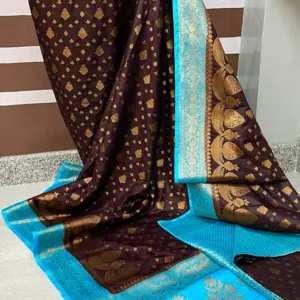
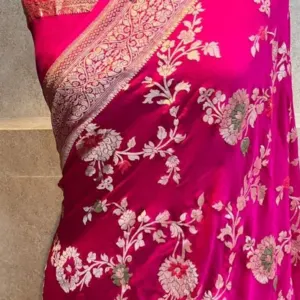
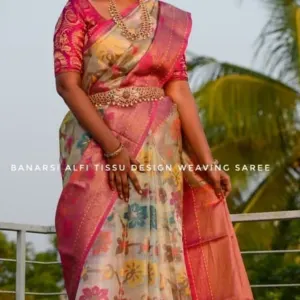
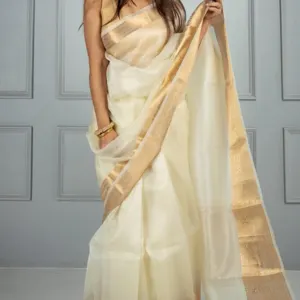
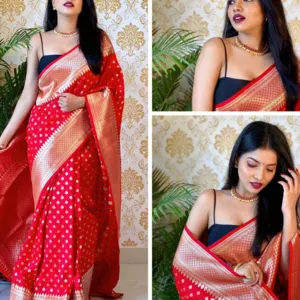
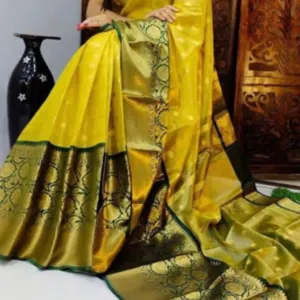
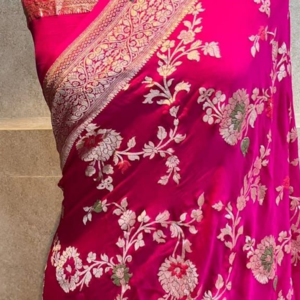
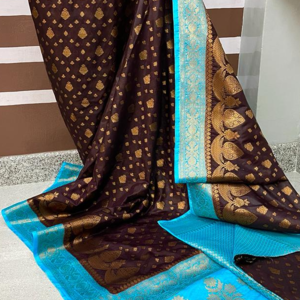
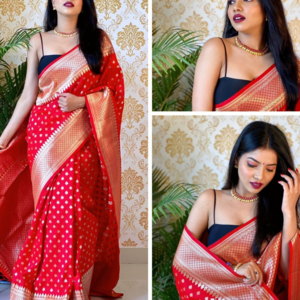
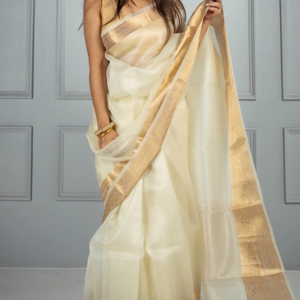
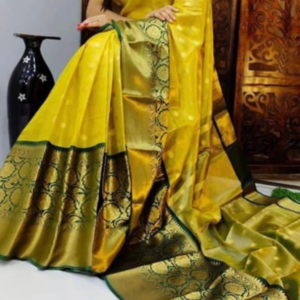
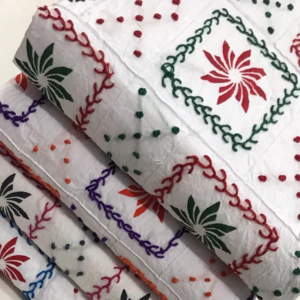
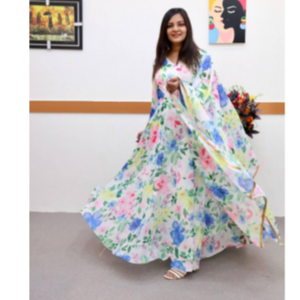
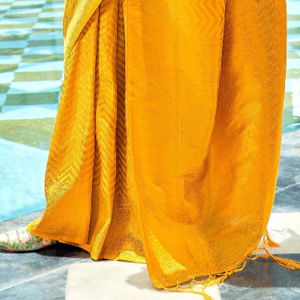
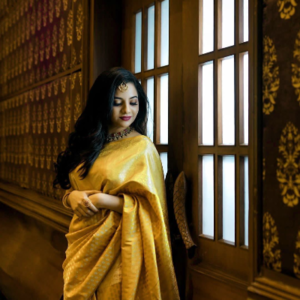
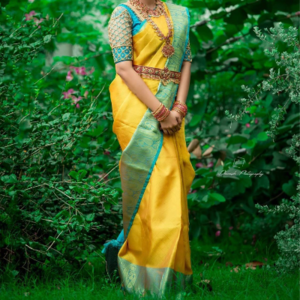
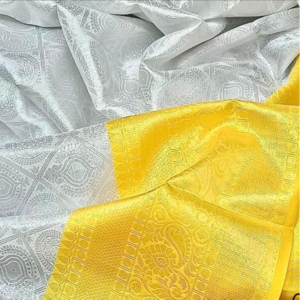
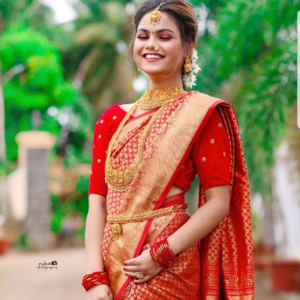
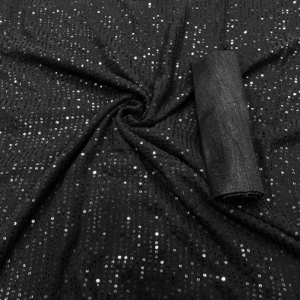
India, Varanasi in Uttar Pradesh hosts the supplier Banarasi handmade sarees, which currently lists eight active products. The catalogue comprises a variety of sarees such as a Zari‑woven bridle saree (HS 6204.50, silk with Zari thread embroidery), a soft Lichi silk saree (HS 6204.40), a Kanjeevaram‑style tissu saree (HS 6211.49), a bridal Kora silk saree with double Zari work (HS 6204.41), a dyable Kora silk saree (HS 6204.42), an ikkat‑border tissu saree (HS 6204.59), a dyable Georget soft saree (HS 6204.19) and a lightweight Katan‑Georget bridal saree (HS 6214.90). Each product is recorded with its specific HS‑code family, reflecting the textile classification used for customs and trade. The supplier’s tier is listed as “organic” and its trust tier as “voyage”, but no additional corporate data are supplied. The eight products together illustrate the traditional and contemporary variations of Banarasi‑style weaving that the supplier offers.
The supplier’s broader category list includes Ladies Suit & Salwar, Sarees, Ladies Salwar, Suits, Dupattas & Sarees, Pagri or Turban, Traditional & Ethnic Wear, Burkha or Burqa, Sella Basmati Rice and Sherwani. While only saree items appear in the detailed catalogue, the presence of these other categories suggests the supplier may also handle related ethnic apparel and even non‑apparel goods such as basmati rice. All listed items are sourced from India, a major exporter of hand‑crafted textiles, and the HS‑code range from 6204 to 6214 aligns with internationally recognised classifications for woven garments and specialty fabrics. No further company‑specific metrics such as turnover, employee count or production capacity are provided.
Product Range and Specialties of Banarasi handmade sarees
The eight catalogue entries cover silk‑based and woven fabrics typical of Banarasi production. Silk variants include pure silk, Lichi silk, Kora silk and Katan‑Georget blends, each commonly graded by weight (120‑200 g m‑2) and silk content (usually 100 % mulberry silk for premium pieces). Zari work involves metallic threads, often copper‑ or silver‑plated, and buyers typically verify the metal purity and thread count. Dyable versions of Kora and Georget fabrics are offered in plain or patterned weaves, with colour‑fastness to washing and light being standard quality checks. The HS‑code 6204 series generally covers women’s or girls’ garments of textile materials, while 6211 and 6214 capture special woven fabrics and other textile articles, matching the supplier’s product mix.
Industry practice for Banarasi‑style sarees includes certifications such as GOTS for organic silk, and test reports for fibre composition, weight, colour fastness (ISO 105‑B02) and metal content in Zari (ISO 17025). While the supplier’s facts do not list any certifications, buyers normally request these documents to confirm compliance with international textile standards. Typical packaging for premium sarees involves individual poly‑bag wrapping, a protective cardboard sleeve and a sturdy outer carton suitable for 40 ft container loading, with each carton holding 20‑30 sarees depending on weight.
Trade and Export Information - Banarasi handmade sarees
India ranks among the top exporters of hand‑woven silk sarees, with major markets in the United States, European Union, Middle East and Southeast Asia. HS 6204, 6211 and 6214 are routinely inspected by customs for accurate fibre declaration, country‑of‑origin marking and compliance with the WTO‑mandated textile labelling rules. Exporters usually ship on FOB Varanasi or FOB Kolkata, with buyers often arranging CIF to their destination ports. Standard logistics involve 40 ft containers packed to a gross weight of approximately 20‑22 tonnes, respecting the weight limits for the HS categories. Buyers should anticipate pre‑shipment inspections by agencies such as SGS or Bureau Veritas, especially when seeking certifications like GOTS or Fairtrade for organic silk.
Typical Indian exporters of Banarasi sarees maintain a supply chain that includes hand‑loom weavers, dyeing units and finishing workshops. Documentation commonly required includes a commercial invoice, packing list, certificate of origin, and where applicable, a phytosanitary certificate for any natural dyes. Import regulations in the EU and US often demand compliance with REACH for metal‑based Zari threads and with the Textile Labelling Directive for fibre content percentages.
Sourcing from Banarasi handmade sarees - Buyer Guidance
When sourcing from this supplier, buyers should request a sample of each saree type to verify silk purity, weight (g m‑2) and Zari metal content. Test reports for colour fastness, fibre composition (e.g., ISO 1833) and metal analysis are standard for premium silk garments. Because the supplier’s tier is noted as “organic”, buyers may also ask for GOTS or similar organic textile certification to confirm the claim.
Verify the HS‑code declared on the commercial invoice matches the product description (e.g., 6204.50 for Zari‑woven silk). Confirm that packaging meets the buyer’s handling requirements - individual poly‑bag wrapping inside a reinforced carton is typical for delicate sarees. Clarify lead times, which for hand‑loomed Banarasi pieces can range from 30 days to 60 days depending on design complexity, and agree on Incoterms such as FOB Varanasi or CIF to the destination port.
Frequently Asked Questions About Banarasi handmade sarees
What types of silk fabrics does Banarasi handmade sarees offer?
The catalogue lists Lichi silk, pure silk with Zari embroidery, Kora silk (both plain and dyable) and Katan‑Georget blends, each corresponding to HS codes 6204.40, 6204.41, 6204.42, 6204.59 and 6214.90.
Which HS codes apply to the sarees in the catalogue?
The sarees fall under HS 6204.40 (soft silk), 6204.41 (bridal Kora silk), 6204.42 (dyable Kora), 6204.50 (Zari‑woven silk), 6204.59 (ikkat‑border tissu), 6204.19 (dyable Georget), 6211.49 (Kanjeevaram tissu) and 6214.90 (lightweight Katan‑Georget).
Are there any certifications associated with the supplier’s products?
No certifications are listed in the supplier’s facts. Buyers typically request GOTS for organic silk, ISO test reports for fibre content and colour‑fastness, and metal‑purity certificates for Zari work.
What is the typical weight range for these sarees?
Banarasi silk sarees are usually woven in the 120‑200 g m‑2 range; lighter Katan‑Georget pieces may be closer to 120 g m‑2, while heavily embroidered Zari sarees can approach 200 g m‑2.
How are the sarees packaged for export?
Standard export packaging includes individual poly‑bag wrapping, a protective cardboard sleeve and placement in a reinforced outer carton designed for 40 ft container loading, with 20‑30 sarees per carton depending on weight.
What documents should a buyer request before placing an order?
Buyers should ask for a commercial invoice, packing list, certificate of origin, any applicable organic or GOTS certificates, and laboratory test reports covering silk content, weight, colour‑fastness and Zari metal purity.
Which markets commonly import Banarasi silk sarees from India?
Key import destinations are the United States, European Union member states, the United Arab Emirates and other Middle Eastern countries, as well as Japan and South Korea.
What Incoterms are typically used for these shipments?
Exporters from Varanasi often operate on FOB Varanasi or FOB Kolkata, while many buyers arrange CIF to their destination ports for convenience.




 Varanasi, India