Shenzhen Sinoco Lighting Technologies Co, Ltd. — Verified Supplier
About Shenzhen Sinoco Lighting Technologies Co, Ltd. - Light Emitting Diode Supplier in China
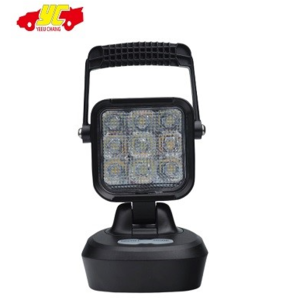
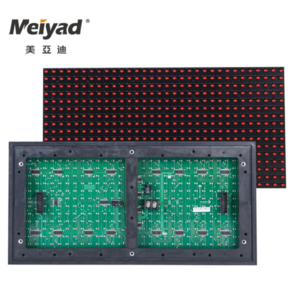
Shenzhen Sinoco Lighting Technologies Co, Ltd. is based in Shenzhen, China and currently lists seven distinct LED products in its online catalogue. The catalogue contains discrete 3mm, 5mm, 8mm and 10mm LED chips, a LED backlight module, a LED tracking lamp and a PAR style LED fixture. All items are classified under the Light Emitting Diode category, which in the international tariff schedule belongs to HS chapter 85, commonly recorded under heading 8541.10 for light‑emitting diodes. The product set reflects a focus on small‑format LEDs that are typically employed in display panels, signage and auxiliary lighting applications. No other product families are indicated in the supplier’s data.
The seven entries show a concentration on component‑level LEDs rather than complete lighting systems, with size designations that match standard industry dimensions used in automotive dash clusters, consumer electronics and architectural lighting. The inclusion of a backlight module and a tracking lamp suggests capability for both panel illumination and directed lighting solutions. Each product is expected to comply with the technical envelope of LED devices, such as forward voltage between 2.0 V and 3.5 V and typical luminous intensities ranging from a few millicandelas for the smallest chips to several hundred candelas for the PAR unit.
Product Range and Specialties of Shenzhen Sinoco Lighting Technologies Co, Ltd.
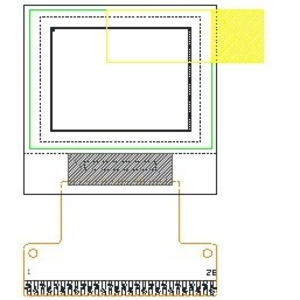
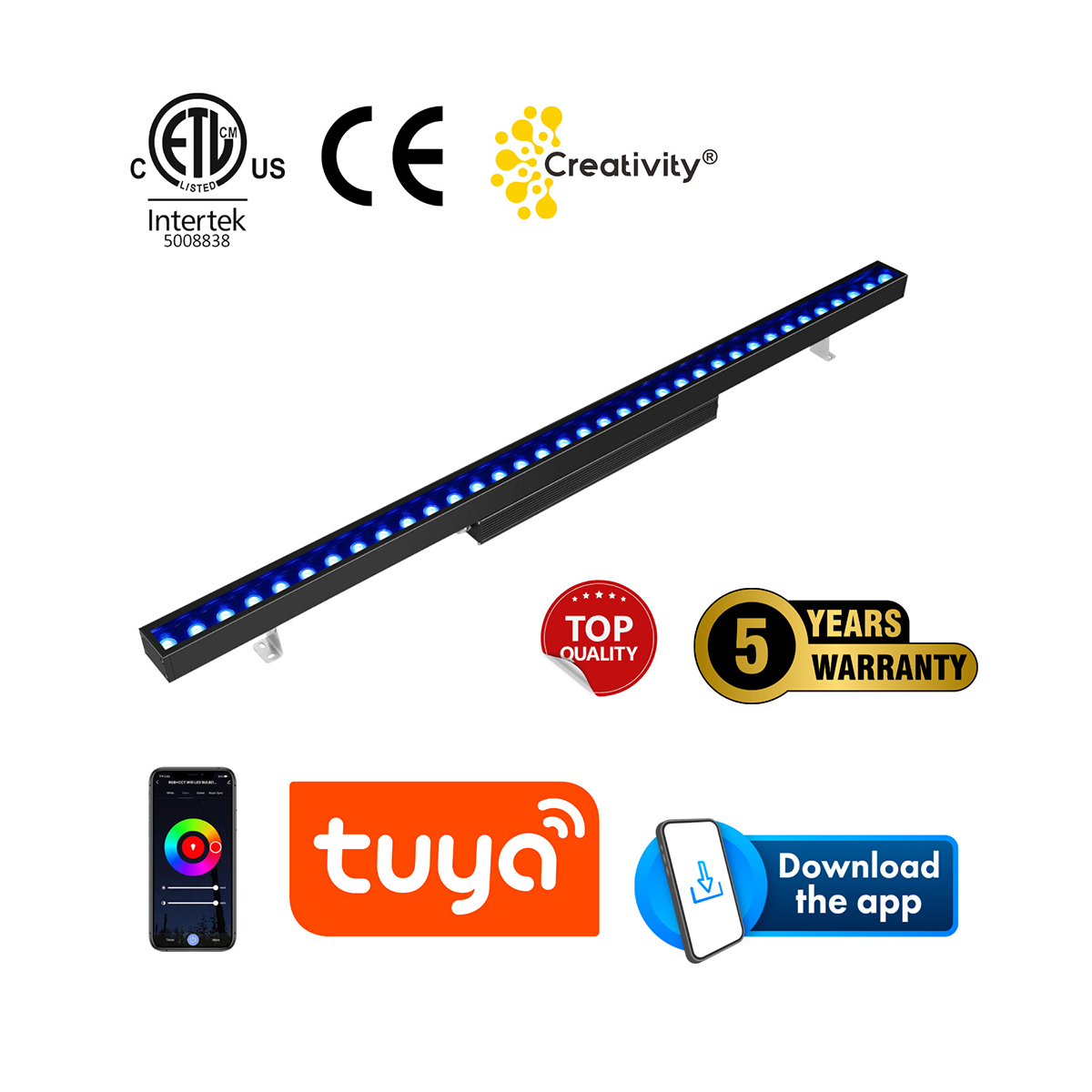
The catalogue’s 3mm, 5mm, 8mm and 10mm LEDs correspond to the most common chip sizes used in surface‑mount technology (SMT) and through‑hole applications. In the industry, these sizes are offered in standard luminous flux grades from 1 mcd up to 200 mcd, color temperatures between 2700 K and 6500 K, and binning for chromaticity (e.g., C‑type for cool white). LED backlight modules are typically built to deliver uniform illumination for LCD panels, with specifications such as a typical drive current of 20 mA per chip and a total module power of 2 - 5 W. The LED tracking lamp is a directed light source often used in indoor signage; it usually features a narrow beam angle (10° - 30°) and a housing compatible with standard E27 or GU10 sockets. The PAR (parabolic aluminized reflector) LED follows the lighting‑industry PAR classification, delivering high‑intensity output in beam spreads from 15° to 60°, and is commonly supplied in 12 V or 24 V fixtures. Buyers should compare these general grades with the supplier’s datasheets to confirm exact performance parameters.
Trade and Export Information - Shenzhen Sinoco Lighting Technologies Co, Ltd.
China is the world’s largest exporter of LED components, and Shenzhen serves as a major hub for electronic manufacturing and export logistics. LEDs classified under HS 8541.10 are routinely shipped to North America, the European Union, and Southeast Asian markets, where they are integrated into consumer electronics, automotive lighting, and commercial illumination projects. Typical import requirements include CE marking for EU shipments, RoHS compliance for hazardous substance limits, and UL or IEC 60598 certification for safety in North American and global markets. Export shipments are frequently arranged on FOB terms from the Port of Shenzhen or nearby Yantian, with container loads of 20 ft or 40 ft boxes packed in anti‑static bags and reinforced cardboard. Chinese exporters often provide pre‑shipment inspection reports following the standards of SGS or Intertek to satisfy buyer due‑diligence.
Sourcing from Shenzhen Sinoco Lighting Technologies Co, Ltd. - Buyer Guidance
When sourcing LEDs from this supplier, request the full product datasheet that lists forward voltage, luminous flux, color temperature, binning code and recommended drive current. Verify that the samples are accompanied by a RoHS compliance certificate and, where required by the destination market, a CE or UL test report that references IEC 60598. Confirm the packaging details - anti‑static bags, moisture‑absorbing desiccants and double‑wall cartons are standard for protecting semiconductor devices during transit. Buyers should also clarify the minimum order quantity, typical lead time (often 2 - 4 weeks after order confirmation) and the preferred Incoterm, such as FOB Shenzhen, to plan logistics and customs clearance.
Frequently Asked Questions About Shenzhen Sinoco Lighting Technologies Co, Ltd.
What LED sizes does Shenzhen Sinoco Lighting Technologies offer?
The supplier lists discrete LED chips in 3 mm, 5 mm, 8 mm and 10 mm formats, which match standard SMT and through‑hole component sizes used across the industry.
Are the LEDs compliant with international safety standards?
The catalogue does not specify certifications, so buyers should request CE, RoHS and UL or IEC 60598 test reports before placing a purchase.
What is the typical HS code for these products?
LEDs of the type listed are generally classified under HS heading 8541.10, which covers light‑emitting diodes.
What documentation is needed for customs clearance in the EU?
Customs authorities usually require a CE declaration, RoHS compliance certificate and a commercial invoice that references the HS code 8541.10.
What are common packaging methods for small‑format LEDs?
Standard practice is to pack the chips in anti‑static bags with desiccant packets, then place the bags in double‑wall cardboard boxes suitable for 20 ft or 40 ft containers.
What lead time and MOQ should a buyer expect?
Suppliers of this size often work with a minimum order quantity of several hundred units per SKU and a lead time of 2 to 4 weeks after order confirmation, subject to sample approval.
Which markets typically import these LED products?
Major importers include North America, the European Union and Southeast Asian countries, where the LEDs are used in consumer electronics, automotive lighting and commercial signage.
How can a buyer obtain a sample before a full order?
Buyers should request a sample kit together with the product datasheet and ask for a pre‑shipment inspection report to verify performance and compliance.




 , China





.jpg.png)