Shenzhen Ator Food., Ltd. — Verified Supplier
About Shenzhen Ator Food., Ltd. - Noodles & Pasta Supplier in China
Shenzhen Ator Food., Ltd. is based in Shenzhen, Guangdong Province, China, and currently lists 32 active food products. The company’s catalogue concentrates on konjac‑derived items that belong to the Noodles & Pasta, Rice, Health Food and Agriculture categories. All listed items are positioned as low‑calorie, high‑fiber alternatives, often emphasizing gluten‑free, halal or organic attributes. The product set includes various forms of shirataki noodles, konjac rice and a konjac flour ingredient. Export‑focused listings indicate the supplier targets international buyers seeking functional health foods.
Specific entries such as “No Gluten Better Than Noodles Shirataki Noodles”, “Zero Calories Healthy Instant Konjac Rice”, “Organic Spinach Konnyaku Shirataki Pasta” and “Konjac Flour Glucomannan” illustrate the range of shapes, flavors and ingredient forms offered. The naming convention highlights features like zero calories, high glucomannan content, GMO‑free status and halal certification. The catalogue also contains items described as “Low Calories High Fiber”, “Fat Free” and “Weight Loss Organic”, reinforcing the health‑oriented positioning. Each product is catalogued without detailed HS codes, leaving the classification to standard food preparation codes used in trade.
Product Range and Specialties of Shenzhen Ator Food., Ltd.
Shenzhen Ator Food’s portfolio comprises three main konjac product families: shirataki noodles in multiple shapes (e.g., penne, spaghetti, spinach‑infused), instant konjac rice grains and a powdered konjac flour rich in glucomannan. In the industry, these products are commonly produced with a moisture content of 10‑12 % and a dietary fiber level of 30‑50 % of dry weight, delivering less than 20 kcal per 100 g. Standard quality grades include organic certification (meeting EU organic regulations), halal certification for Muslim markets, and GMO‑free verification, all of which are referenced in several product titles. Typical packaging for bulk export consists of 1 kg polyethylene‑lined bags, with a 20‑foot container accommodating roughly 500 kg of finished goods.
Trade and Export Information - Shenzhen Ator Food., Ltd.
China is a leading exporter of konjac‑based health foods, with major destination markets in North America, the European Union, the Middle East and Southeast Asia. Buyers in these regions usually require compliance with food safety standards such as ISO 22000, HACCP plans and, for the United States, FDA GRAS status; halal and kosher certifications are also frequently requested for specialty markets. Shipping is generally arranged on a FOB or CIF basis, using 20‑foot containers (≈500 kg) or 40‑foot containers (≈1 000 kg) packed in moisture‑resistant bags to preserve texture. Import regulations often mandate clear labeling of gluten‑free claims, nutritional information and the presence of glucomannan as the primary fiber source.
Sourcing from Shenzhen Ator Food., Ltd. - Buyer Guidance
Prospective buyers should obtain a detailed product specification sheet that lists moisture, fiber and glucomannan percentages, as well as microbial limits (e.g., total plate count ≤ 10⁴ CFU/g). Requesting certificates of analysis, organic or halal certificates, and a GMO‑free statement is standard practice before placing a first order. A 1 kg sample is typically sufficient for sensory evaluation and laboratory testing, and most Chinese suppliers can dispatch samples within 5‑7 business days after request. Verify the supplier’s ability to meet MOQ levels of 500 kg per container and to provide shelf‑life data, usually 12‑18 months when stored in a cool, dry environment.
Frequently Asked Questions About Shenzhen Ator Food., Ltd.
What types of konjac noodles does Shenzhen Ator Food offer?
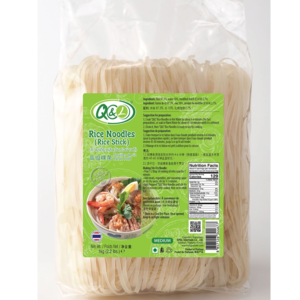
The catalogue lists shirataki noodles in several shapes such as standard noodles, penne, spaghetti and spinach‑infused varieties, all marketed as gluten‑free and low‑calorie.
Are the konjac rice products suitable for vegan diets?
Yes, the instant konjac rice items are plant‑based, contain no animal ingredients and are labeled as vegan and GMO‑free.
Which certifications should a buyer verify for these products?
Buyers typically request ISO 22000 or HACCP food safety certificates, a halal or kosher certificate if required, and an organic certification when the product claims to be organic.
What is the typical moisture and fiber content of the shirataki noodles?
Industry standards for shirataki noodles are around 10‑12 % moisture and 30‑50 % dietary fiber (glucomannan) on a dry‑weight basis.
What are the common minimum order quantities and container capacities?
Export shipments are usually organized in 20‑foot containers holding approximately 500 kg of product, which translates to about 500‑600 units of 1 kg bags per container.
How long is the shelf life and what storage conditions are recommended?
Konjac noodles and rice normally have a shelf life of 12‑18 months when stored in a cool, dry environment away from direct sunlight.
How can a buyer obtain a sample and what lead time is typical?
A 1 kg sample can be requested; the supplier generally ships samples within 5‑7 business days after the request, using express air freight.




 , China