Shecom K.K. — Verified Supplier
About Shecom K.K. - Solar Power Equipments Supplier in Japan
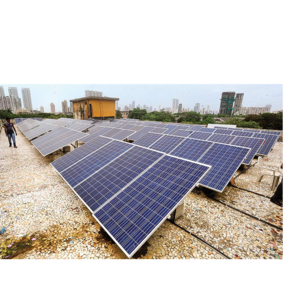
Japan‑based Shecom K.K. lists five active products that fall under the solar power equipment and solar panel categories. The catalogue includes a used solar cell manufacturing plant, two entries for Mitsubishi solar cell manufacturing equipment, a solar panel, and a solar cell. These items are classified under the electrical machinery and equipment HS chapter 85, which is typical for photovoltaic hardware and production line machinery. The supplier’s trust tier is listed as “harbor,” indicating a mid‑level verification status in the platform’s risk model. The product set reflects both end‑use photovoltaic modules and the capital equipment needed to produce them, covering the full value chain from cell fabrication to panel assembly.
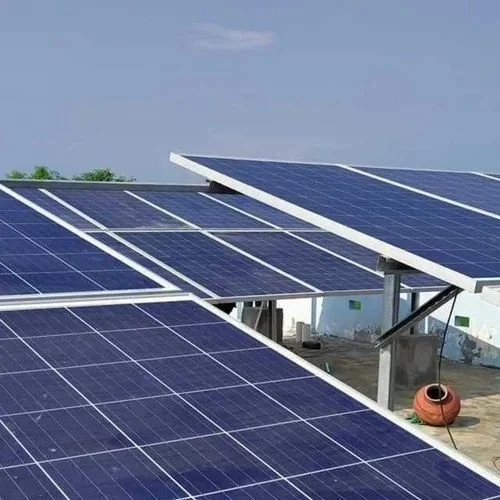
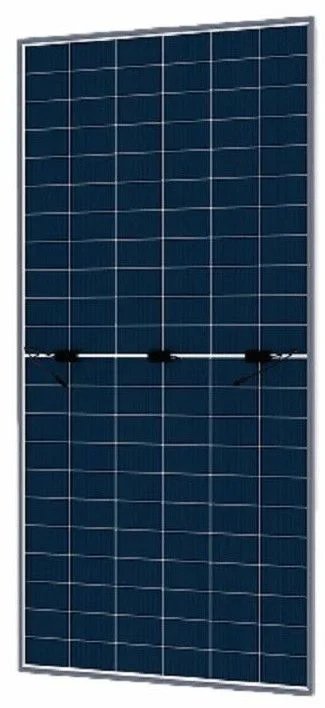
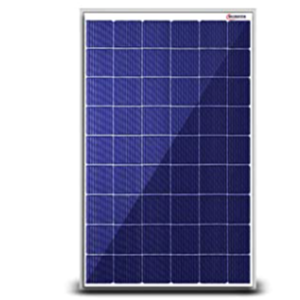
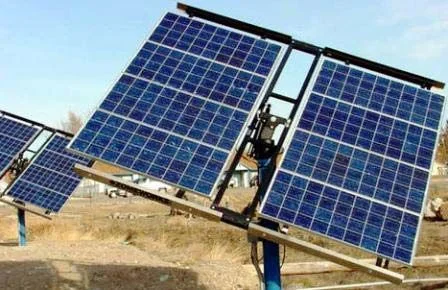
The solar panel entry generally corresponds to modules rated between 250 W and 400 W, complying with IEC 61215 and IEC 61730 standards that govern performance and safety. The solar cell entry typically refers to monocrystalline or polycrystalline cells with efficiencies ranging from 18 % to 22 % and dimensions of 156 mm × 156 mm. The used manufacturing plant and Mitsubishi equipment are designed for wafer processing, diffusion, and testing, often supporting throughputs of 50 - 150 MW per year depending on configuration. Together, these five listings give buyers a concise view of both finished photovoltaic products and the machinery required for large‑scale cell production.
Product Range and Specialties of Shecom K.K.
Shecom K.K.’s catalogue groups its offerings into two clear segments: finished photovoltaic hardware (solar panels and solar cells) and manufacturing equipment (used solar cell plant and Mitsubishi‑branded production lines). In the solar panel market, buyers typically encounter modules built with tempered glass, EVA encapsulant, and aluminum frames, with standard dimensions of 1.6 m × 1 m and power output measured in watts‑peak (Wp). Solar cells are most often supplied as 156 mm × 156 mm wafers, with purity levels of 99.9999 % silicon and surface passivation that meet IEC 61646. Mitsubishi’s manufacturing equipment commonly includes diffusion furnaces, surface texturizers, and laser scribing tools, rated for line speeds of 1 - 3 m/min and capable of handling 6‑inch or 8‑inch wafer sizes. These specifications align with industry practices for high‑efficiency photovoltaic production in East Asian and European factories.
Trade and Export Information - Shecom K.K.
Japan exports photovoltaic equipment and modules primarily to the United States, the European Union, and emerging markets in Southeast Asia. The HS code 8541.10 covers solar cells and panels, while HS 8501 and 8502 are used for related power generation equipment; these codes are routinely inspected by customs authorities for compliance with safety and environmental regulations. Typical certifications required by importers include IEC 61215, IEC 61730, UL 1703, and CE marking, and many buyers request third‑party test reports from accredited labs such as TÜV or SGS. Shipping is usually performed in 20‑foot or 40‑foot containers with pallets wrapped in anti‑static film and moisture‑proof bags; a standard 40‑foot container can hold roughly 180 solar panels or several tonnes of manufacturing equipment. Common Incoterms are FOB Tokyo or CIF for major ports, with buyers arranging inland transport after discharge.
Sourcing from Shecom K.K. - Buyer Guidance
When sourcing from Shecom K.K., buyers should request IEC test certificates for both panels and cells, as well as performance curves that detail temperature coefficient, maximum power point, and degradation rate. For the manufacturing equipment, a detailed specification sheet that lists furnace temperature range, wafer size compatibility, and line throughput is essential, together with a recent maintenance log and any original manufacturer’s warranty documents. Buyers are advised to verify the supplier’s export licences and to ask for a pre‑shipment inspection report that confirms conformity with the declared HS codes and packaging standards. Samples of panels or cells can be requested for lab testing before committing to larger volumes, and a clear lead‑time estimate - typically 8‑12 weeks for equipment and 4‑6 weeks for panels - is useful for production planning.
Frequently Asked Questions About Shecom K.K.
What types of photovoltaic products does Shecom K.K. list?
Shecom K.K. lists a used solar cell manufacturing plant, Mitsubishi solar cell manufacturing equipment (two entries), finished solar panels and solar cells, totaling five distinct product listings.
Which HS codes are relevant for the products offered by Shecom K.K.?
The solar panels and cells fall under HS 8541.10, while the manufacturing equipment is classified in HS 8501‑8502 ranges for electrical generators and machinery.
What certifications should a buyer request for the solar panels?
Buyers should request IEC 61215 and IEC 61730 test certificates, as well as UL 1703 or CE marking evidence, which are standard for commercial photovoltaic modules.
Are there standard specifications for the solar cells listed?
Typical solar cells are 156 mm × 156 mm monocrystalline or polycrystalline wafers with efficiencies between 18 % and 22 % and compliance with IEC 61646 for thin‑film or IEC 61730 for crystalline silicon.
What information is needed before ordering the Mitsubishi manufacturing equipment?
Buyers should obtain a detailed equipment data sheet showing furnace temperature range, wafer size support (6‑inch or 8‑inch), line speed (1‑3 m/min), and any existing warranty or service agreements.
How are the products usually packed for export?
Solar panels are packed on pallets with anti‑static film and moisture‑proof bags, while equipment is crated with shock‑absorbing padding; both are loaded into 20‑ft or 40‑ft containers.
What are typical lead times for the listed products?
Used solar cell plants and Mitsubishi equipment generally require 8‑12 weeks for preparation and shipment, whereas finished panels and cells are typically ready in 4‑6 weeks.
Which markets commonly import Japanese photovoltaic equipment?
Major import markets include the United States, Germany, the United Kingdom, and countries in Southeast Asia such as Thailand and Vietnam, where solar capacity growth drives demand for both modules and production line machinery.




 , Japan