Shanghai Sanei Elevator Co., Ltd. — Supplier
About Shanghai Sanei Elevator Co., Ltd. - Elevators & Escalators Supplier in China
Based in Shanghai, China, Shanghai Sanei Elevator Co., Ltd. currently lists six distinct elevator models in its catalogue. The company classifies its offerings under the broader category of Elevators & Escalators, reflecting the mechanical transport focus of its products. The listed models include a tower elevator, a port elevator, an inclined elevator, and three observation elevators identified as SN‑520, SN‑525 and SN‑528. Each product entry is presented without additional technical specifications or HS‑code references. The catalogue does not provide details on load capacity, speed, or certification status.
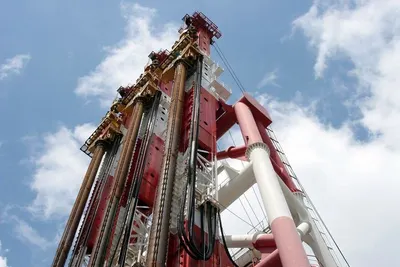
The tower elevator is described as a vertical transport solution suitable for high‑rise buildings, while the port elevator targets cargo handling environments such as docks and warehouses. The inclined elevator is intended for applications on sloped routes, often used in industrial or mining sites. Observation elevators SN‑520, SN‑525 and SN‑528 are marketed for passenger viewing experiences, typically featuring transparent cabins. No quantitative data such as cabin dimensions, maximum passenger count, or power ratings are disclosed in the supplied information.
Product Range and Specialties of Shanghai Sanei Elevator Co., Ltd.
Shanghai Sanei Elevator Co., Ltd. offers six elevator types: a tower elevator, a port elevator, an inclined elevator, and three observation elevators (SN‑520, SN‑525, SN‑528). In the global elevator market, such products are commonly categorized under HS code 8425.10, which covers elevators and escalators. Standard industry grades for passenger elevators often range from 1000 kg to 2500 kg payload, with travel speeds between 0.5 m/s and 2.5 m/s for mid‑rise applications. Observation elevators frequently incorporate safety glass, low‑profile cabins and may be equipped with climate control to enhance passenger comfort.
Typical technical specifications for port and inclined elevators include robust steel frameworks, corrosion‑resistant coatings, and motor ratings from 5 kW to 30 kW depending on load. Buyers usually require compliance with EN 81‑20/21 (European safety standards) or ASME A17.1 (U.S. standards), as well as energy efficiency guidelines such as ISO 25745. While the supplier’s catalogue does not list exact dimensions or performance data, these benchmarks represent the common expectations for comparable elevator models.
Trade and Export Information - Shanghai Sanei Elevator Co., Ltd.
China is a major exporter of elevators and escalators, with shipments directed to Southeast Asia, the Middle East, Africa and parts of Europe. Exporters typically file customs under HS chapter 84, sub‑heading 8425.10, and must provide test reports that verify compliance with destination country safety codes. Commonly required certifications include CE marking for EU markets, UL listing for North America, and local fire‑safety approvals where applicable. Packaging for complete elevator units often involves crate‑style containers or modular disassembly for 20‑ft or 40‑ft ocean freight, with FOB Shanghai or CIF destination as standard Incoterms.
Importing countries frequently request factory audit reports, type‑test certificates and installation manuals before granting market entry. Energy‑efficiency assessments, such as those required by the EU Energy‑Related Products (ErP) directive, are also typical for new elevator installations. Buyers should verify that the supplier can provide the necessary documentation and that the products meet the relevant HS‑code tariff rates, which may be subject to anti‑dumping duties in certain jurisdictions.
Sourcing from Shanghai Sanei Elevator Co., Ltd. - Buyer Guidance
When sourcing elevators from Shanghai Sanei Elevator Co., Ltd., buyers should request detailed technical datasheets that specify load capacity, travel speed, cabin dimensions and motor power. Certification copies for EN 81‑20/21, ASME A17.1 or CE marking should be obtained to confirm compliance with the buyer’s local regulations. A factory‑issued type‑test report and a recent load‑test certificate are standard documents that help assess product safety and performance.
Potential buyers are advised to ask for a sample of the observation elevator cabin finish or a mock‑up of the control panel to evaluate material quality and finish. Clarify the minimum order quantity, which for complete elevator units often starts at a single unit due to the custom nature of the equipment, and confirm lead times, typically ranging from 12 to 24 weeks depending on customization and shipping method. Verify that the supplier can arrange container loading plans, secure crating, and provide insurance coverage under the chosen Incoterm.
Frequently Asked Questions About Shanghai Sanei Elevator Co., Ltd.
What elevator models does Shanghai Sanei Elevator Co., Ltd. list in its catalogue?
The catalogue includes a tower elevator, a port elevator, an inclined elevator, and three observation elevators identified as SN‑520, SN‑525 and SN‑528.
Which HS code is generally applied to elevators and escalators for customs purposes?
Elevators and escalators are commonly classified under HS code 8425.10 for export and import documentation.
What safety standards are typically required for elevators exported from China?
Buyers usually require compliance with EN 81‑20/21 for Europe, ASME A17.1 for the United States, and CE marking where applicable, along with any local fire‑safety approvals.
What documentation should a buyer request before placing an order?
Typical documents include a technical datasheet, load‑test certificate, type‑test report, and copies of relevant safety certifications such as EN 81 or CE.
Is a minimum order quantity (MOQ) specified for these elevator products?
Elevator shipments are generally custom‑made, so the MOQ often starts at one complete unit, but the exact figure should be confirmed with the supplier.
What are the typical lead times for manufacturing and shipping elevators from Shanghai?
Lead times usually range from twelve to twenty‑four weeks, depending on product customization, certification processes and chosen shipping terms.
How are the elevators packaged for overseas shipment?
Complete elevators are typically disassembled, crated and loaded into 20‑ft or 40‑ft containers, with protective padding to prevent damage during sea freight.
Which markets commonly import Chinese elevators?
Major import markets include Southeast Asian countries, Middle Eastern states, African nations and European regions that are expanding high‑rise construction projects.




 , China