Shabbir Makda — Verified Supplier
About Shabbir Makda - Fresh Beef Supplier in
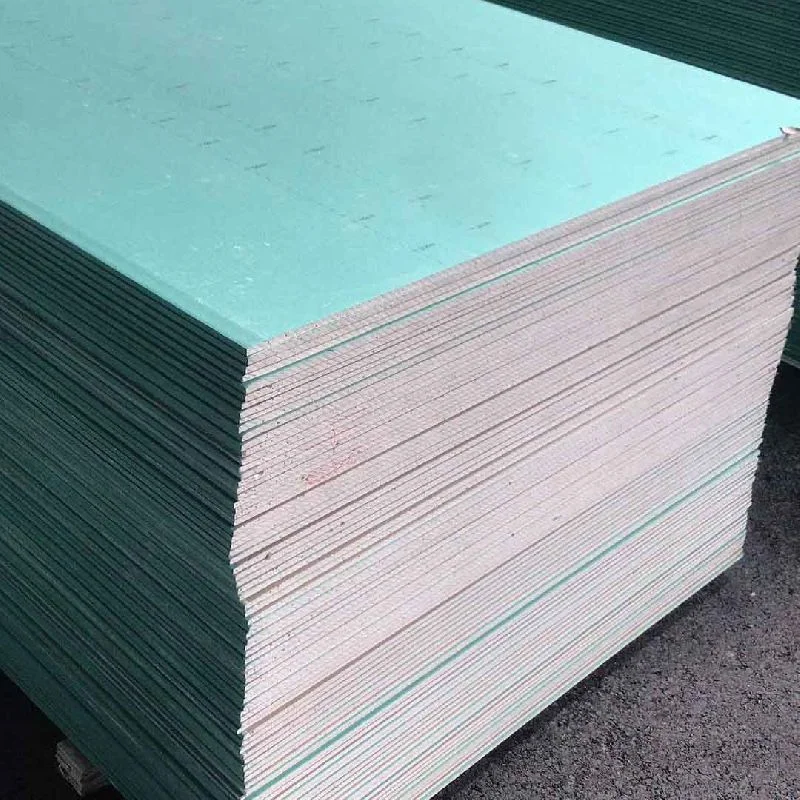
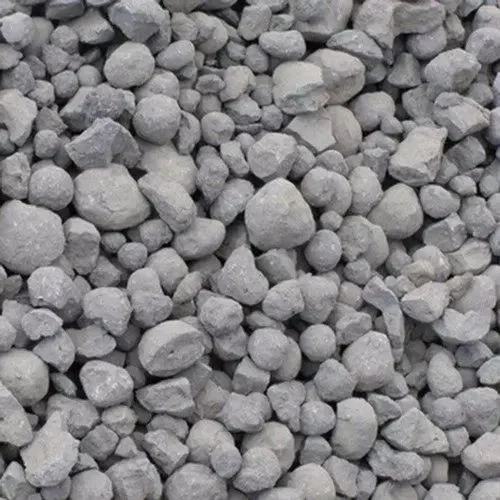
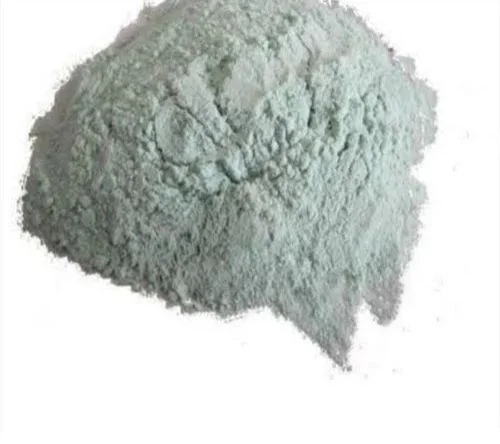
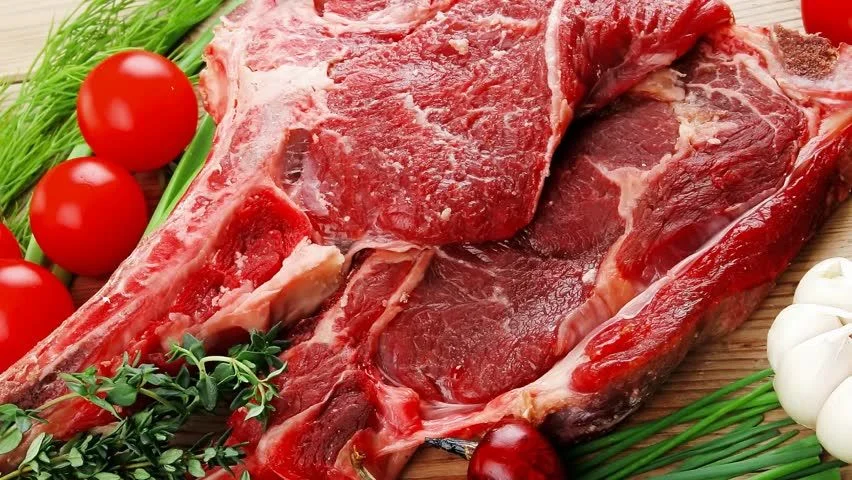
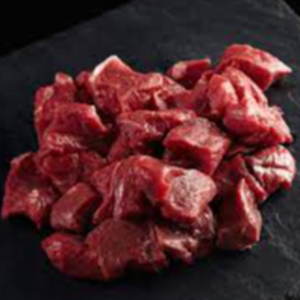
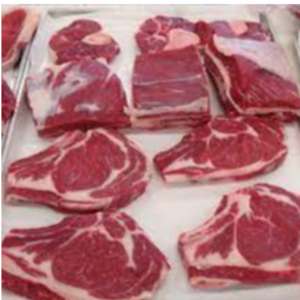
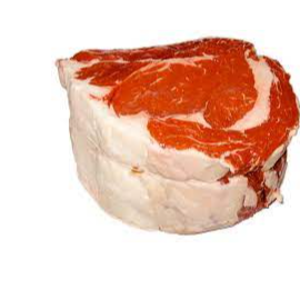
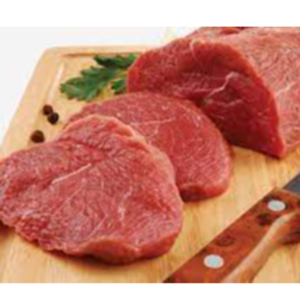
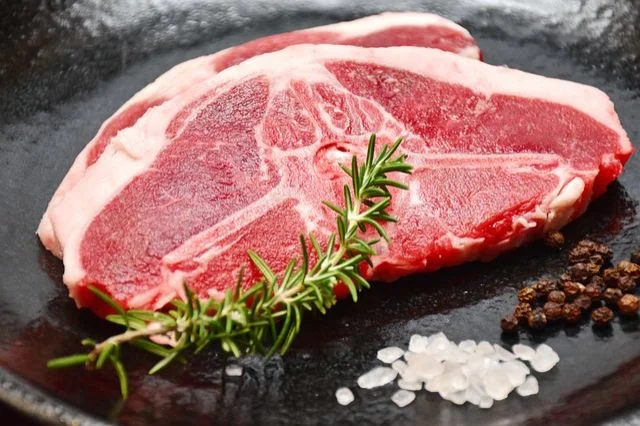
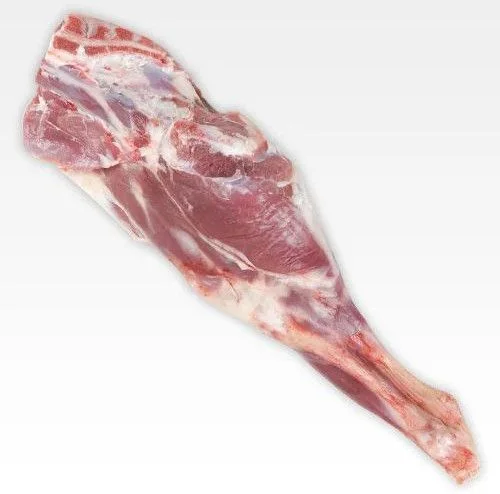
The supplier’s location is not disclosed in the catalogue, and it currently lists five active products. Its catalogue spans the categories Fresh Beef, Stones & Slates, Cement, Gypsum, and Bitumen/Asphalt. The Fresh Beef entry is Buffalo Meat, while the Stones & Slates entry is labelled Bolder Stones. Cement is represented by Cement Clinker with HS code 2523.10 and a material composition of calcium oxide, silicon dioxide, alumina and iron oxide. Gypsum is listed as Natural Gypsum, HS code 2520.10, with a stated purity above 90 %. Bitumen is offered as a 60/70 grade.
The five products are grouped under HS‑code families that are standard for their commodity types: 2523.10 for cement clinker, 2520.10 for natural gypsum, and general HS chapters for meat and bitumen. Buffalo Meat falls under HS chapter 02 (Meat of bovine animals). Bolder Stones correspond to HS chapter 68 (Stone, plaster, cement). Bitumen 60/70 is classified under HS chapter 27 (Mineral fuels). The supplier’s catalogue does not provide further technical specifications such as weight per bag or container loading, but the HS codes indicate the regulatory regime that applies to each product.
Product Range and Specialties of Shabbir Makda
Shabbir Makda lists Buffalo Meat, Bolder Stones, Cement Clinker (HS 2523.10), Natural Gypsum (HS 2520.10) and Bitumen 60/70. In the fresh‑beef market, buffalo meat is commonly graded by carcass weight, fat cover and microbial limits such as total plate count < 10⁵ CFU/g and E. coli < 10 CFU/g. Stone and slate products are typically described by size (e.g., 300 mm × 300 mm slabs), compressive strength (30 - 60 MPa) and water absorption (< 0.5 %). Cement clinker is usually produced to a clinker factor of 70 % and conforms to ASTM C150 Type I or EN 197‑1, with calcium oxide content 60 - 65 % and silica 20 - 25 %. Natural gypsum with purity > 90 % matches the requirements of ISO 9001 for construction fillers, and moisture content is kept below 0.5 %. Bitumen 60/70 is a paving grade defined by a penetration of 60 - 70 0.1 mm (or 60/70) and a softening point around 45 °C, meeting ASTM D5 and EN 12591 specifications.
Trade and Export Information - Shabbir Makda
Exporters of fresh beef, cement clinker, gypsum and bitumen from South‑Asian and Middle‑Eastern producers commonly ship to the Gulf Cooperation Council, East Africa, and North‑African construction markets. HS 2523.10 cement clinker is usually packed in bulk cargo or 20‑ft/40‑ft containers with moisture‑controlled liners, and buyers often require a certificate of analysis (CoA) and compliance with ISO 9001. Natural gypsum (HS 2520.10) is shipped in bulk or bagged form, with a quality certificate confirming purity and moisture as standard. Bitumen 60/70 is transported in heated tank containers or bulk carriers, and buyers typically request a test report for penetration, softening point and sulfur content, as well as compliance with ASTM D5. Fresh buffalo meat must be accompanied by an export health certificate, HACCP audit report and may need to meet the importing country’s veterinary quarantine requirements.
Typical certifications requested across these categories include ISO 9001 for manufacturing quality, ISO 22000 or HACCP for meat, and ASTM or EN standards for construction minerals. Common Incoterms are FOB or CIF, with container loading optimized for 20‑ft containers (≈ 20 tons of cement clinker) or bulk shipments for gypsum. Buyers should verify that the supplier can provide the required documentation before shipment.
Sourcing from Shabbir Makda - Buyer Guidance
Prospective buyers should request a recent certificate of analysis for cement clinker and gypsum, specifying chemical composition, loss on ignition and moisture limits. For buffalo meat, a veterinary health certificate, HACCP audit and a sample for laboratory testing (e.g., microbiological limits) are essential. Bitumen buyers should obtain a penetration test report, softening point data and a declaration of sulfur content.
Typical minimum order quantities are 20 metric tons for cement clinker, 10 tons for gypsum, and 5 tons for bitumen, while meat is often supplied in 500 kg cartons. Lead times range from 15 days for meat (subject to health clearance) to 30 - 45 days for bulk mineral products. Confirm packaging details - bulk bags for cement and gypsum, insulated containers for meat, and heated tankers for bitumen - before finalizing the contract.
Frequently Asked Questions About Shabbir Makda
What product categories does Shabbir Makda offer?
The supplier lists five categories: Fresh Beef (Buffalo Meat), Stones & Slates (Bolder Stones), Cement (Cement Clinker), Gypsum (Natural Gypsum) and Bitumen/Asphalt (Bitumen 60/70).
Which HS codes apply to the cement and gypsum products?
Cement Clinker is recorded under HS code 2523.10 and Natural Gypsum under HS code 2520.10, both following the standard classifications for cementitious and gypsum minerals.
What quality documents are typically required for buffalo meat?
Buyers normally request an export health certificate, a HACCP or ISO 22000 compliance audit, and a laboratory test report covering microbial limits such as total plate count and E. coli levels.
How is Bitumen 60/70 usually packaged for export?
Bitumen 60/70 is shipped in heated tank containers or insulated bulk tankers to maintain the required temperature, and a test report confirming penetration, softening point and sulfur content is provided with the shipment.
What are the common specifications for cement clinker?
Cement clinker generally conforms to ASTM C150 Type I or EN 197‑1, with calcium oxide content of 60 - 65 %, silica 20 - 25 %, alumina 5 - 10 % and iron oxide 2 - 5 %. A loss‑on‑ignition below 5 % and a clinker factor around 70 % are typical.
What is the typical purity level for the natural gypsum supplied?
The catalogue states a purity greater than 90 % for natural gypsum, and industry practice keeps moisture content below 0.5 % and calcium sulfate dihydrate content consistent with construction‑grade standards.
What Incoterms are most commonly used for these commodities?
Export transactions for these products usually employ FOB (Free on Board) or CIF (Cost, Insurance and Freight) terms, allowing buyers to arrange further logistics and insurance as needed.