Patel enterprise — Verified Supplier
About Patel enterprise - Palm Oil Supplier in India
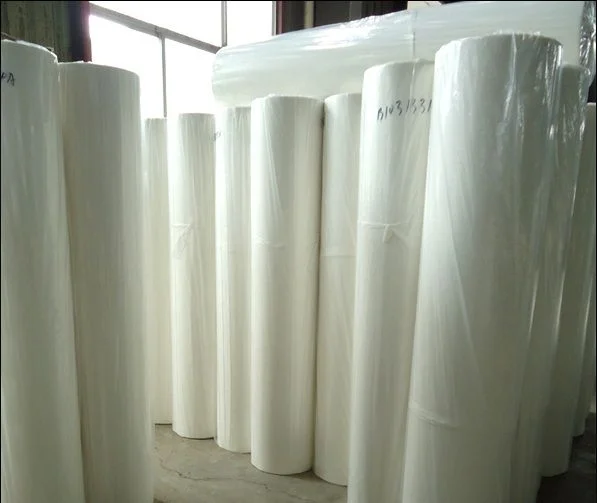
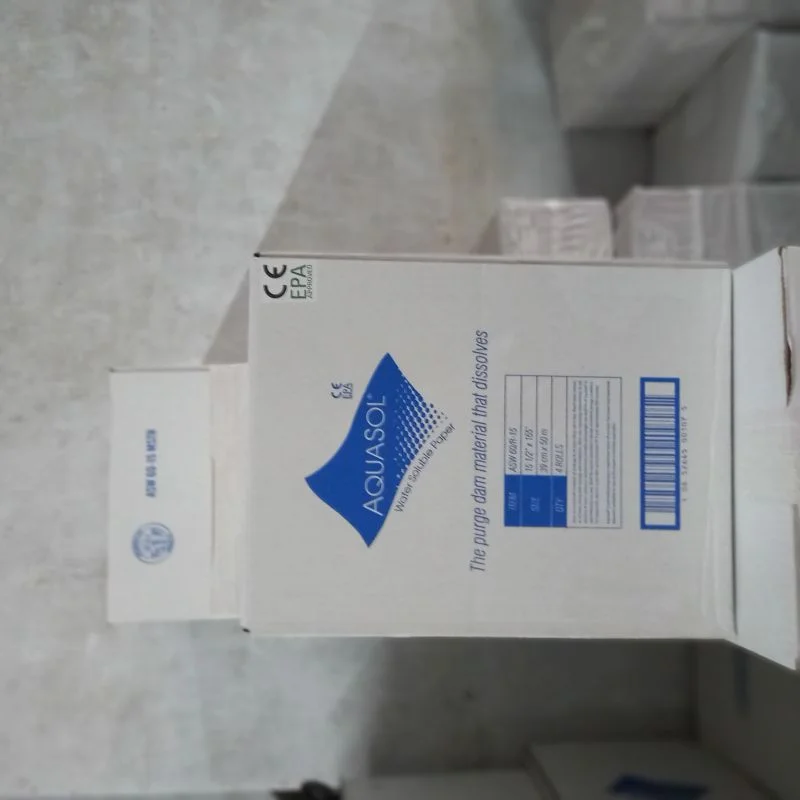
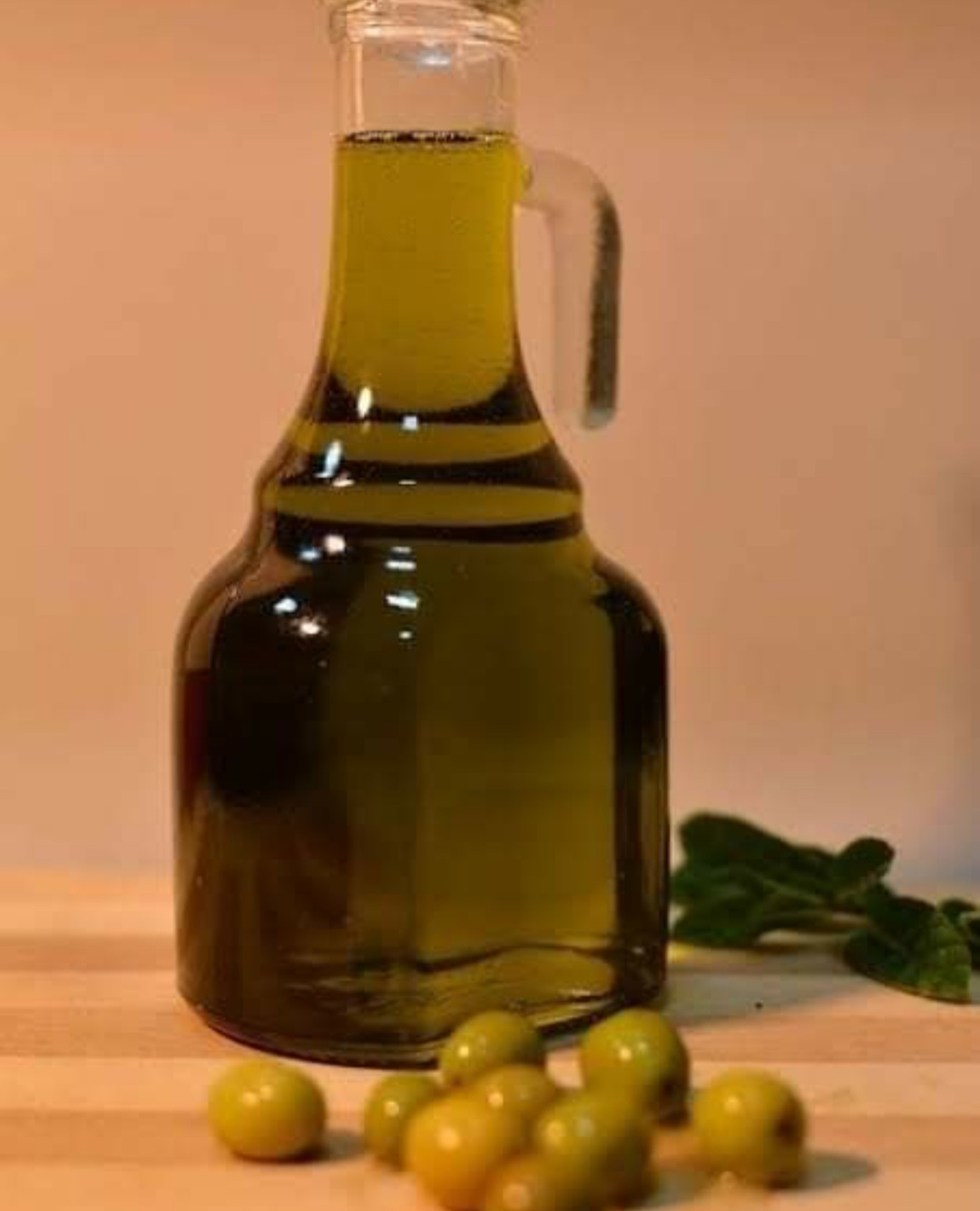
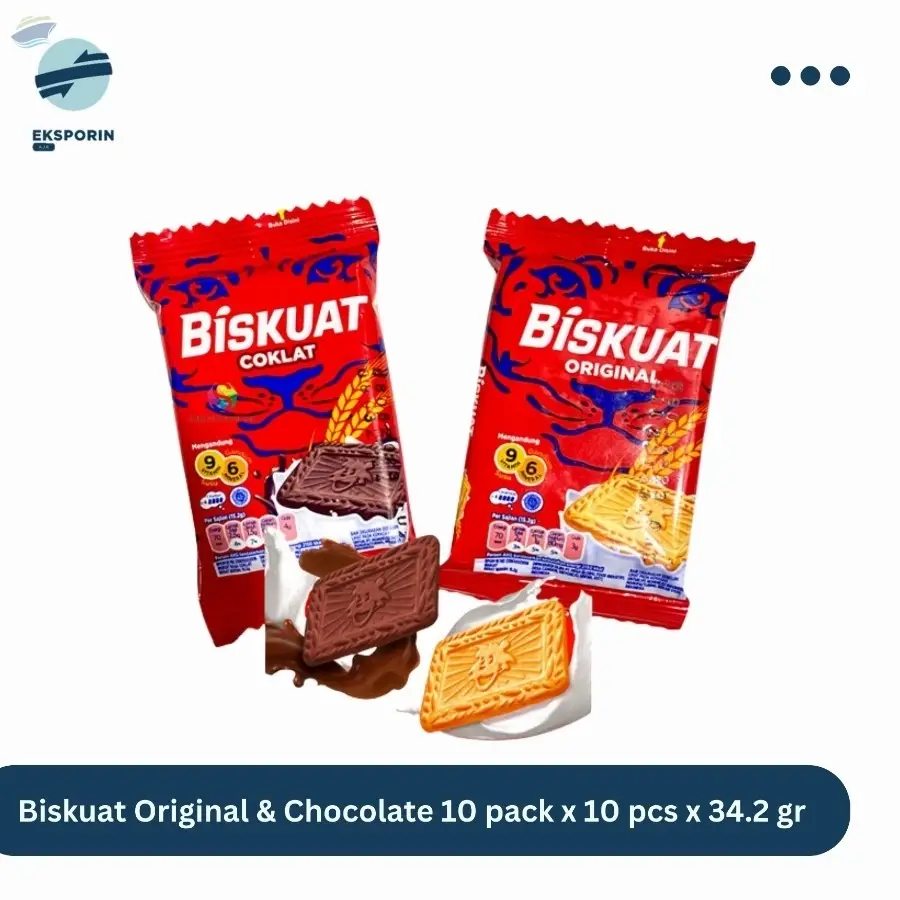
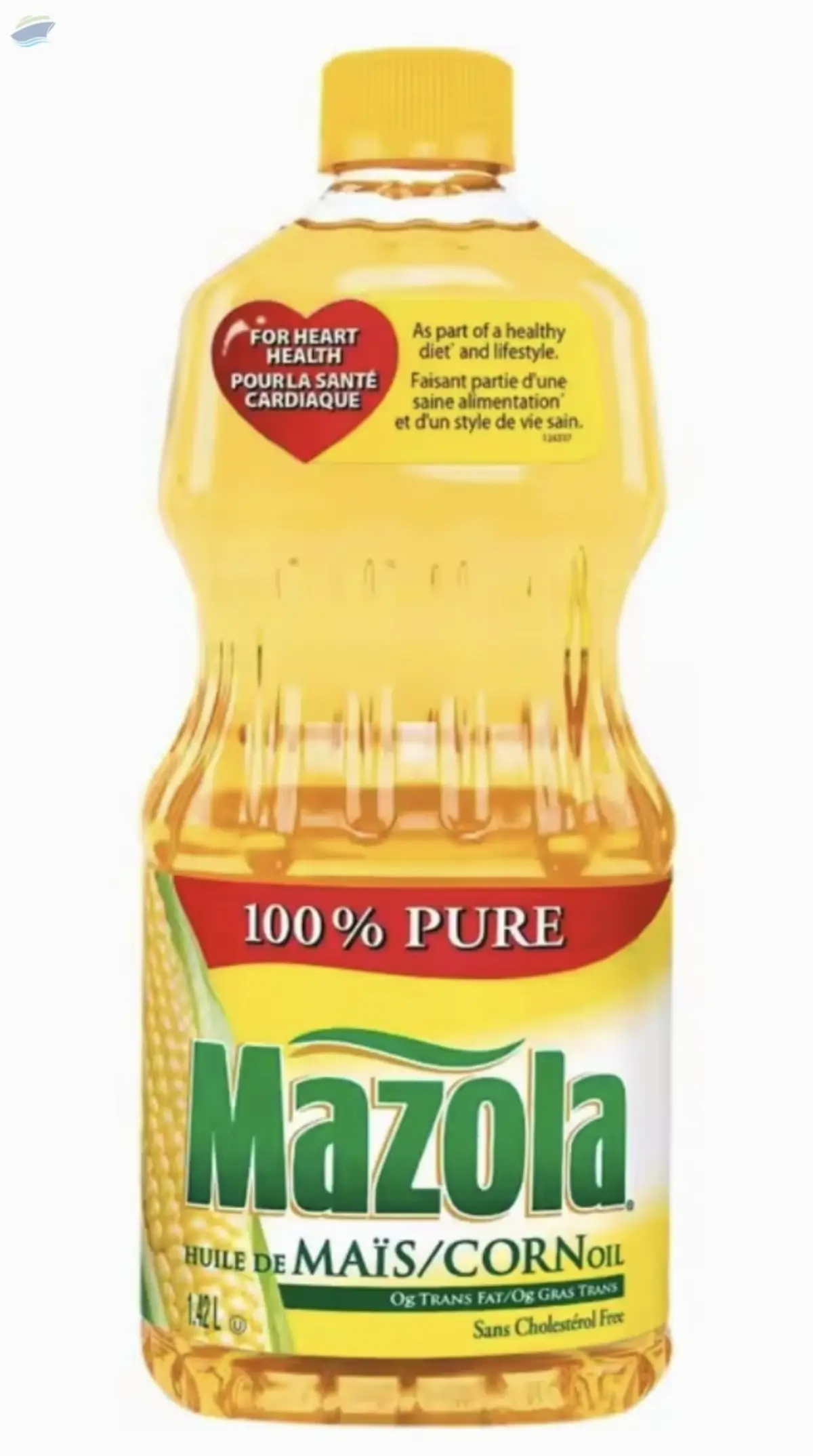
India, Gujarat, supplier Patel enterprise lists 33 active products across several categories. The catalogue includes crude palm oil, refined red palm oil, refined palm oil, refined sunflower oil, extra virgin olive oil, and other edible oils. It also lists confectionery items such as Kinder Bueno, Ferrero Kinder Joy, Milka, and bulk butter (HS 0405.10). Metal products appear with high‑quality copper wire (HS 7404.00, Cu 99%), copper scrap (HS 7404.00, Cu 99.99%), and copper cathode (HS 7403.11, LME Grade A). Nut and seed items include almond kernels (HS 0802.12), cashew nuts, pine nuts, macadamia, and peanut butter. Livestock, poultry eggs, alfalfa hay, and printing paper are also present.
Product Range and Specialties of Patel enterprise
Patel enterprise offers multiple grades of palm oil, from crude to refined and high‑quality variants. In global trade, crude palm oil is usually classified as ICUMSA 45‑50 with free fatty acid (FFA) ≤0.5 % and moisture ≤0.1 %. Refined palm oil sold to food processors often meets ISO 660 standards, with peroxide value ≤10 meq O₂/kg and iodine value around 55‑60 g I₂/100 g. Extra‑virgin olive oil typically requires acidity ≤0.8 % oleic acid and compliance with EU Reg 1159, while refined sunflower oil grades generally have FFA ≤0.1 % and meet Codex Stan 210‑1999. The copper wire and copper scrap entries fall under HS 7404.00; buyers usually expect conductivity ≥58 MS/m, tensile strength 200‑350 MPa, and copper purity ≥99 %. Copper cathode (HS 7403.11) is traded to LME markets with purity 99.99 % and may be delivered as rod or sheet in 5‑ton bundles. Almond kernels (HS 0802.12) are graded by moisture ≤5 % and aflatoxin <10 µg/kg, and other nuts follow similar moisture and contaminant limits. Butter (HS 0405.10) is sold as 82 % milk‑fat blocks, meeting Codex Stan 210‑1999 for butter composition.
Trade and Export Information - Patel enterprise
India is among the world’s top exporters of edible oils, nuts, and primary copper products. Palm oil and refined sunflower oil from Gujarat are commonly shipped to the Middle East, East Africa and Southeast Asian markets under FOB or CIF terms, using 20‑ft or 40‑ft containers with food‑grade drums (e.g., 200 L) for liquids. Olive oil and butter are directed to EU and North American buyers, who frequently request ISO 22000, HACCP and phytosanitary certificates, as well as analysis reports for peroxide value and microbiological limits. Copper wire, scrap and cathode are exported to steel‑making and electronics hubs in China, South Korea and the EU, where LME registration, IEC 60365 compliance and RoHS declarations are standard. Typical packaging includes bundled copper coils, 5‑ton cathode packs and sealed wooden crates for scrap. Customs procedures for HS 7403‑7404 and HS 0802‑0405 involve import licences, origin certificates and, for food items, a certificate of analysis confirming compliance with Codex standards.
Sourcing from Patel enterprise - Buyer Guidance
When sourcing edible oils from Patel enterprise, buyers should request a recent certificate of analysis showing free fatty acid, peroxide value, iodine value and moisture content, together with ISO 22000 or HACCP certification. For copper products, request a purity assay, conductivity test and LME grade documentation; a material safety data sheet and IEC 60365 test report are also customary. Nut shipments should be accompanied by moisture and aflatoxin test results and a phytosanitary certificate. Verify that the HS codes in the purchase order match those listed (7404.00 for wire and scrap, 7403.11 for cathode, 0802.12 for almonds, 0405.10 for butter). Typical minimum order quantities are 10 metric tonnes for bulk oils, 5 tonnes for copper cathode and 1 tonne for nuts, with lead times ranging from 25 to 45 days depending on product and required certifications.
Frequently Asked Questions About Patel enterprise
What HS codes apply to Patel enterprise's copper products?
Copper wire and copper scrap are classified under HS 7404.00, while high‑quality copper cathode uses HS 7403.11. These codes align with standard customs tariffs for primary copper commodities.
Which quality specifications are commonly expected for the palm oil offered?
International buyers typically require crude palm oil to meet ICUMSA 45‑50, free fatty acid ≤0.5 %, moisture ≤0.1 % and peroxide value ≤10 meq O₂/kg for refined grades. Compliance with ISO 660 or Codex standards is also standard.
What certifications should a buyer request for the edible oil shipments?
Buyers should ask for ISO 22000 or HACCP certification, a recent certificate of analysis, and a phytosanitary certificate for any oil destined for the EU or US markets. Additional testing for pesticide residues may be required.
How is copper cathode typically packaged for export?
Copper cathode is usually shipped in 5‑ton bundles, wrapped in protective steel sheeting or wooden crates to prevent oxidation. The bundles are loaded into 20‑ft or 40‑ft containers with moisture‑absorbing liners.
What documentation is needed for almond kernel exports?
Almond kernels (HS 0802.12) require a certificate of origin, a phytosanitary certificate, a moisture test report (≤5 %) and an aflatoxin analysis (≤10 µg/kg). A commercial invoice and packing list must reference the HS code.
Which markets does India typically export its refined sunflower oil to?
Refined sunflower oil from India is mainly exported to the Middle East, North Africa and Southeast Asian countries, where buyers often use FOB terms from Gujarat ports and require compliance with Codex Stan 210‑1999.
What is the standard moisture limit for the nuts listed in the catalogue?
Most bulk nuts, including almonds, cashews, pine nuts and macadamia, are shipped with moisture content not exceeding 5 % to prevent mold growth and meet international trade standards.
What are typical payment and Incoterm practices for these product categories?
For bulk edible oils and copper commodities, buyers usually employ documentary letters of credit (L/C) and trade under FOB or CIF Incoterms. Confectionery and nuts often follow similar terms, with payment secured by L/C or open account after satisfactory inspection.




 , India