Agriculture›
 Apparel and fashion accessories›
 Construction & real estate›💡Electronic & Electrical›🍎Food & Beverages›🛋️Home furnishing & supplies›⚗️Industrial goods & chemical›🪨Minerals & metals›📦Miscellaneous›Agriculture›Apparel and fashion accessories›Construction & real estate›💡Electronic & Electrical›🍎Food & Beverages›🛋️Home furnishing & supplies›⚗️Industrial goods & chemical›🪨Minerals & metals›📦Miscellaneous›
Sessilis Enterprises Product Catalog


About Sessilis Enterprises - Herbal Products Supplier in India
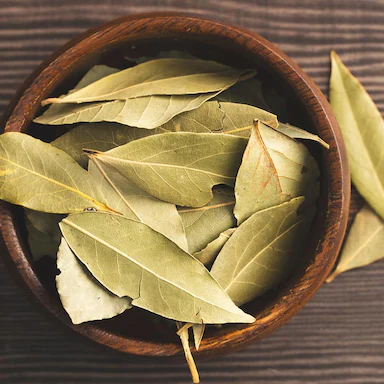
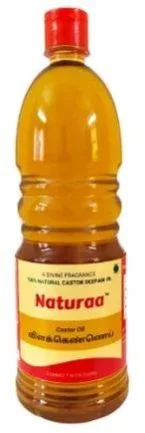
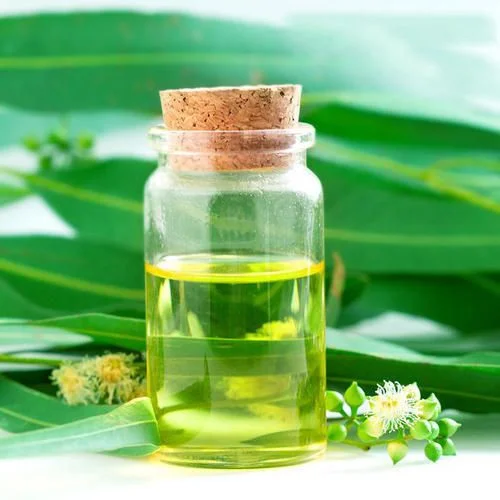
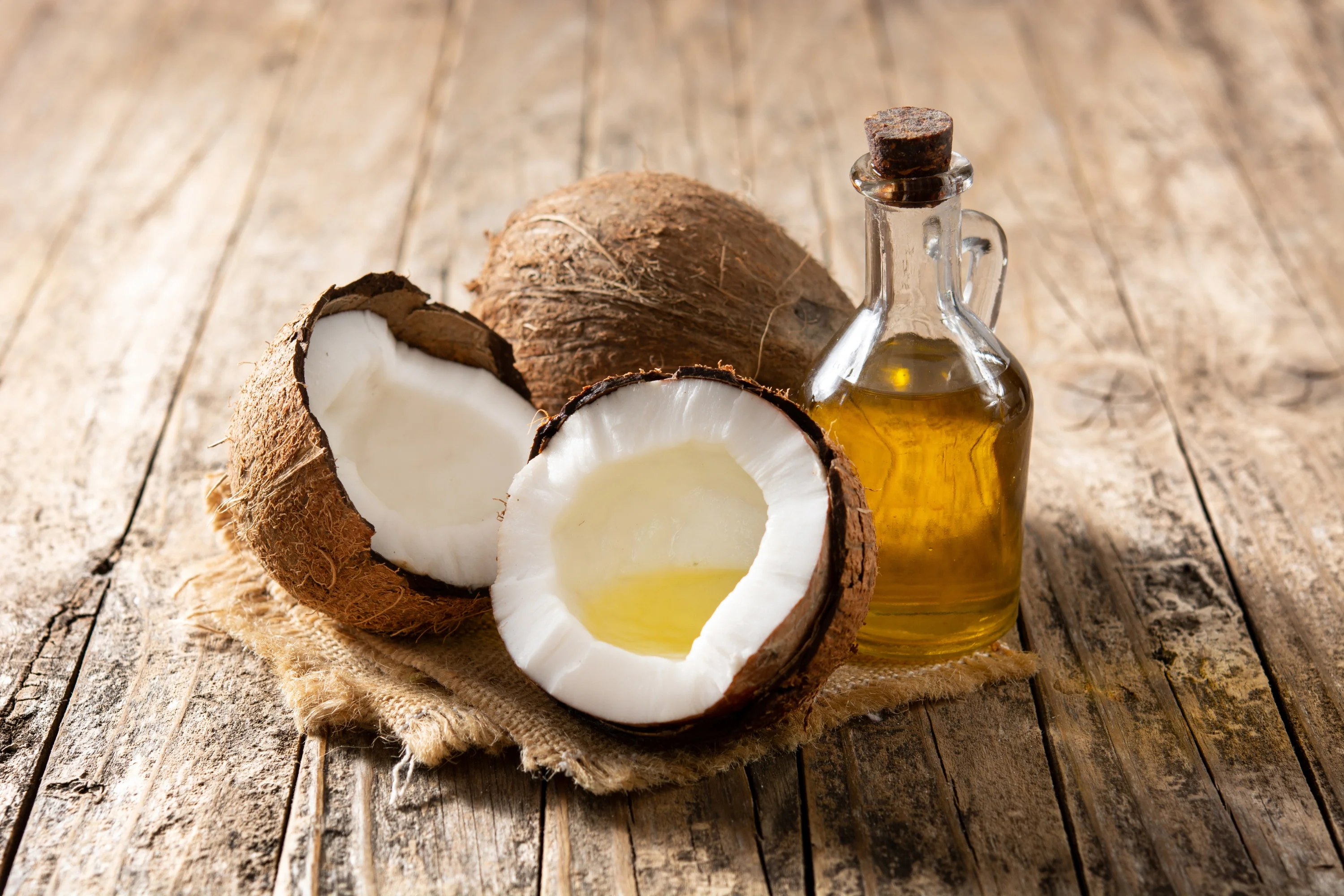
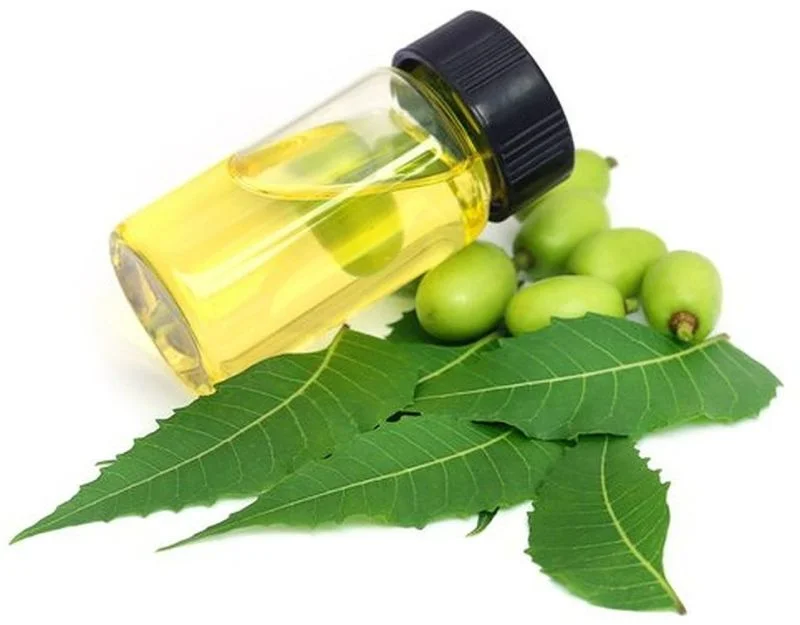
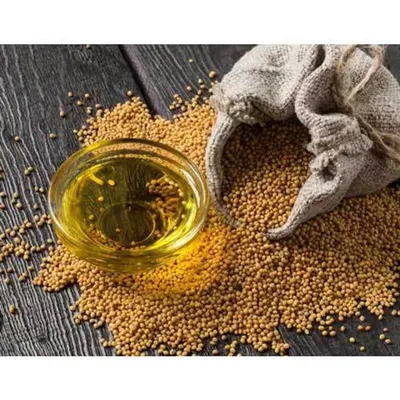
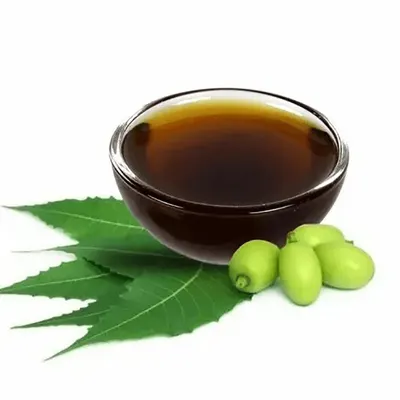
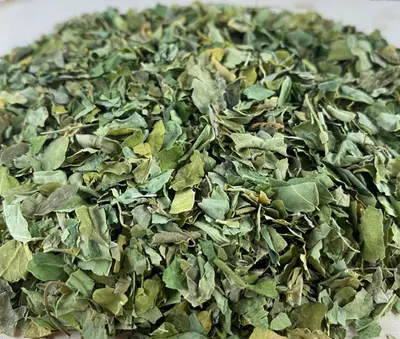
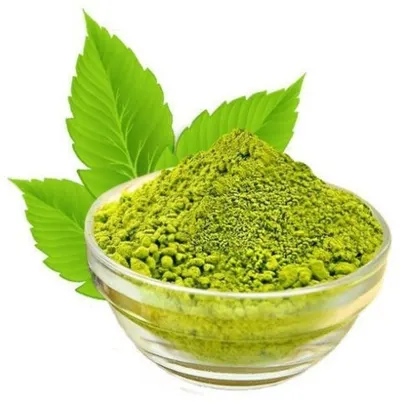
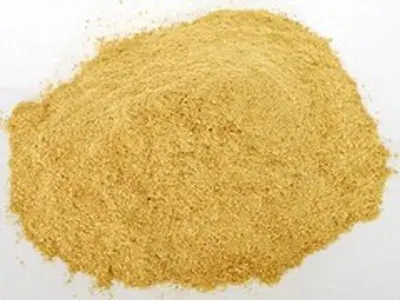
India hosts Sessilis Enterprises with a catalogue of 20 listed products that focus on plant‑derived powders and oils. The powder line features Wild Turmeric, Adamant Creeper, Amla Fruit, Ballon Vine Leaf, Climbing Brinjal, Curry Leaves, Haritaki, Moringa Leaf, Thirikadugam, Nilavembu, Tulsi Leaf and Vilvam (Bael Leaf) powders. The oil portfolio includes Moringa Oil, Neem Oil, Pongamia Oil, wood‑pressed pure Groundnut, Sesame and Coconut oils, together with Eucalyptus and Castor oils. All items are grouped under the supplier’s top categories of Herbal Products, Vegetable Powder, Essential Oils, Turmeric Powder, Plants & Plant Extracts, Fruit Powder, Spices Powder and Neem Oil as recorded in the source data.
The listed powders are generally classified under HS chapter 21 (preparations of food products) while the essential and vegetable oils fall under HS chapter 33 (essential oils and preparations). Within the catalogue, each product is identified only by name; no specific HS codes are supplied, but buyers can expect the standard tariff headings for these material types. The range reflects typical Indian export commodities that are used in nutraceuticals, food additives, cosmetics and traditional medicine formulations. The supplier’s focus on raw plant material and cold‑pressed oils aligns with global demand for natural ingredients.
Product Range and Specialties of Sessilis Enterprises
Sessilis Enterprises lists twenty distinct products, comprising thirteen herbal and vegetable powders and seven cold‑pressed or distilled oils. Powders such as Turmeric, Moringa, Amla and Tulsi are commonly offered in 100 µm to 250 µm particle size ranges, with moisture content below 10 % and microbial limits that meet food‑grade standards. Essential oils like Neem, Eucalyptus and Castor are typically produced by steam distillation or cold‑pressing and are evaluated for parameters such as free fatty acid content (<1 %), peroxide value, and iodine value where applicable. Indian exporters frequently provide these items in food‑grade polyethylene bags (25 kg) for powders and in 200 ml to 5 L HDPE or glass containers for oils, matching the formats found in this catalogue.
Frequently Asked Questions About Sessilis Enterprises
What types of herbal powders does Sessilis Enterprises offer?
The catalogue includes thirteen powders such as Wild Turmeric, Adamant Creeper, Amla Fruit, Ballon Vine Leaf, Climbing Brinjal, Curry Leaves, Haritaki, Moringa Leaf, Thirikadugam, Nilavembu, Tulsi Leaf and Vilvam (Bael Leaf).
Which essential oils are listed by the supplier?
Sessilis Enterprises lists seven oils: Moringa Oil, Neem Oil, Pongamia Oil, wood‑pressed pure Groundnut, Sesame and Coconut oils, Eucalyptus Oil and Castor Oil.
What HS code families are these products generally classified under?
Herbal and vegetable powders are typically under HS chapter 21 (e.g., 2106), while essential and vegetable oils fall under HS chapter 33 (e.g., 3301‑3307).
What certifications should a buyer request for these products?
Buyers should ask for a Certificate of Analysis, phytosanitary certificate, and any applicable certifications such as ISO 9001, GMP, HACCP or organic accreditation, depending on the target market.
What are common packaging formats for the powders and oils?
Powders are usually packed in 25 kg food‑grade polyethylene bags; oils are shipped in HDPE or glass containers ranging from 200 ml to 5 L, or in bulk drums for larger volumes.
 India
Related Suppliers & Products
Explore similar suppliers, related products and trending categories