Sensuraya Co., Ltd. — Verified Supplier
About Sensuraya Co., Ltd. - Vegetables Supplier in Poland
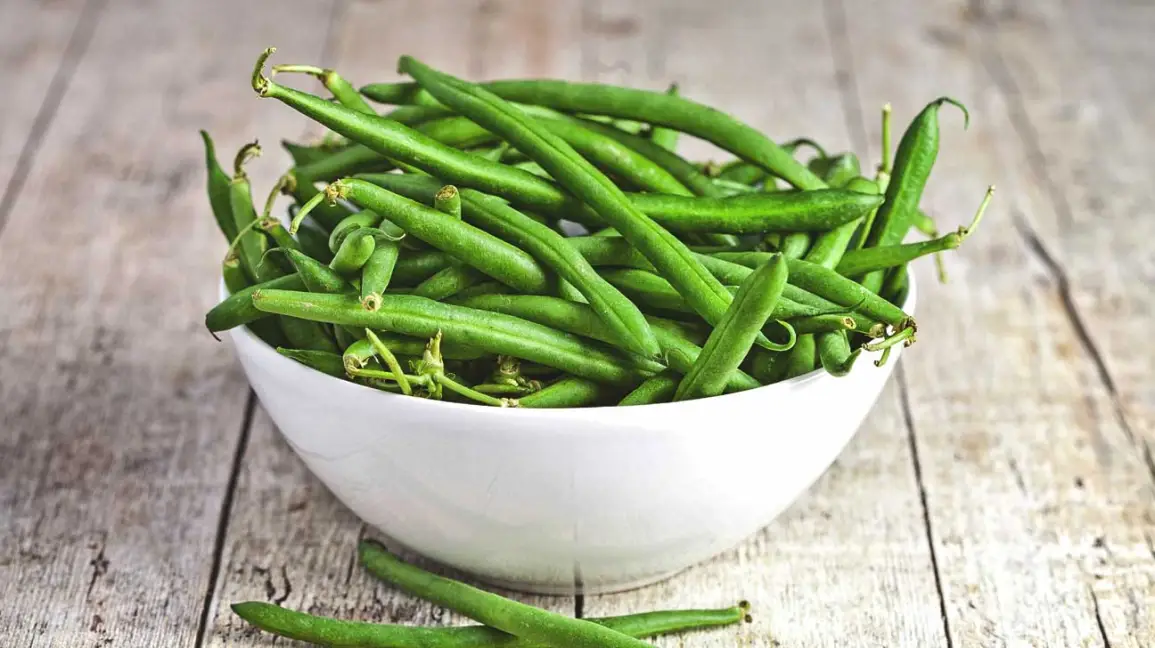
Sensuraya Co., Ltd. is based in Poland and currently lists 35 active products across its catalogue. The portfolio spans fresh vegetables, fruits, nuts, dried legumes and oil products, reflecting the top categories reported such as Vegetables, Fruits, Dry Fruits & Nuts, and specific items like Apple, Apricot, Cashew Nuts and Beans. Products are recorded under various HS code families, for example kidney beans (HS 0713.33) and almonds (HS 0802.12). The catalogue also includes items without HS codes in the provided data, such as fresh cabbage and olive oil.
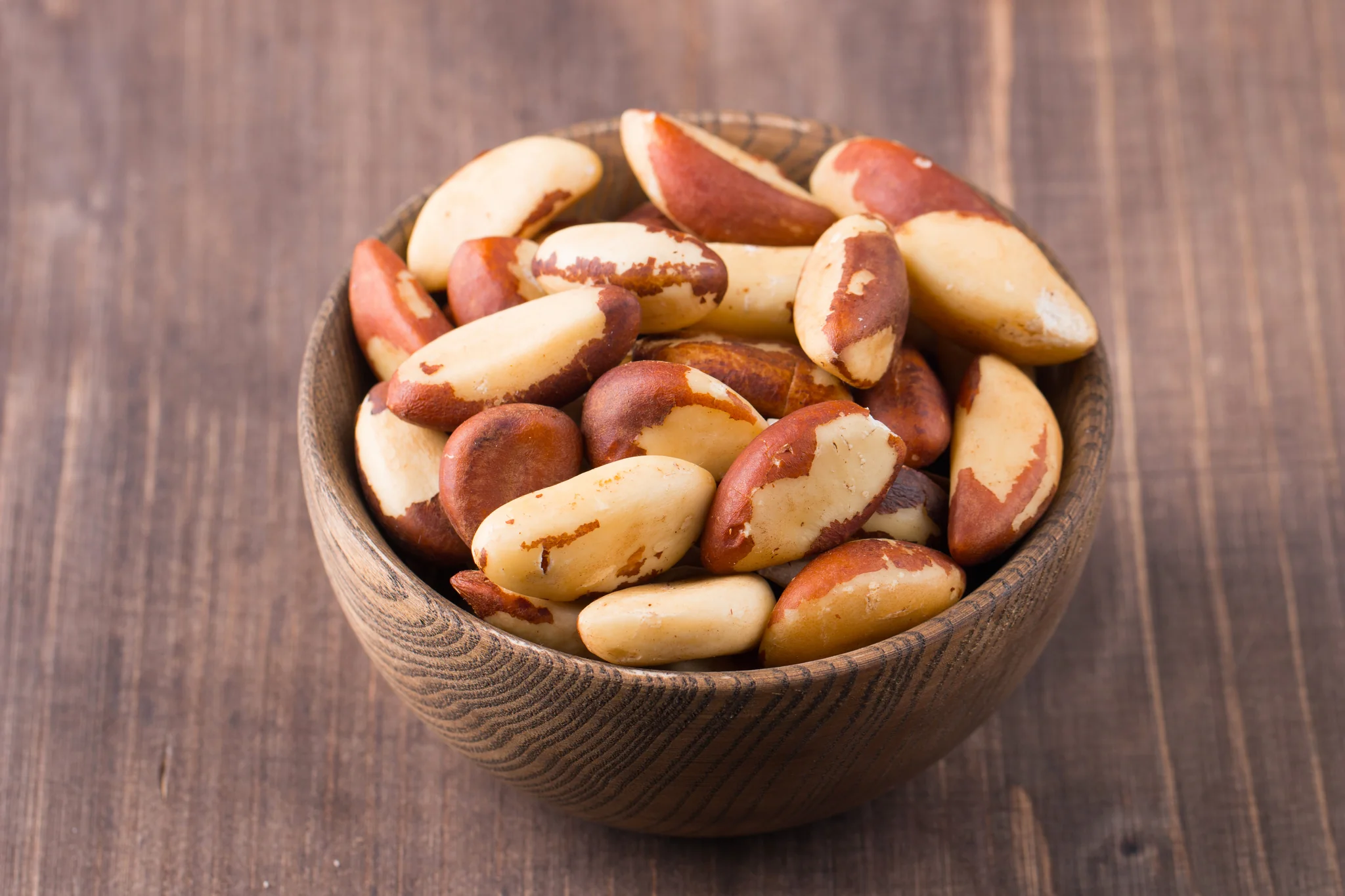
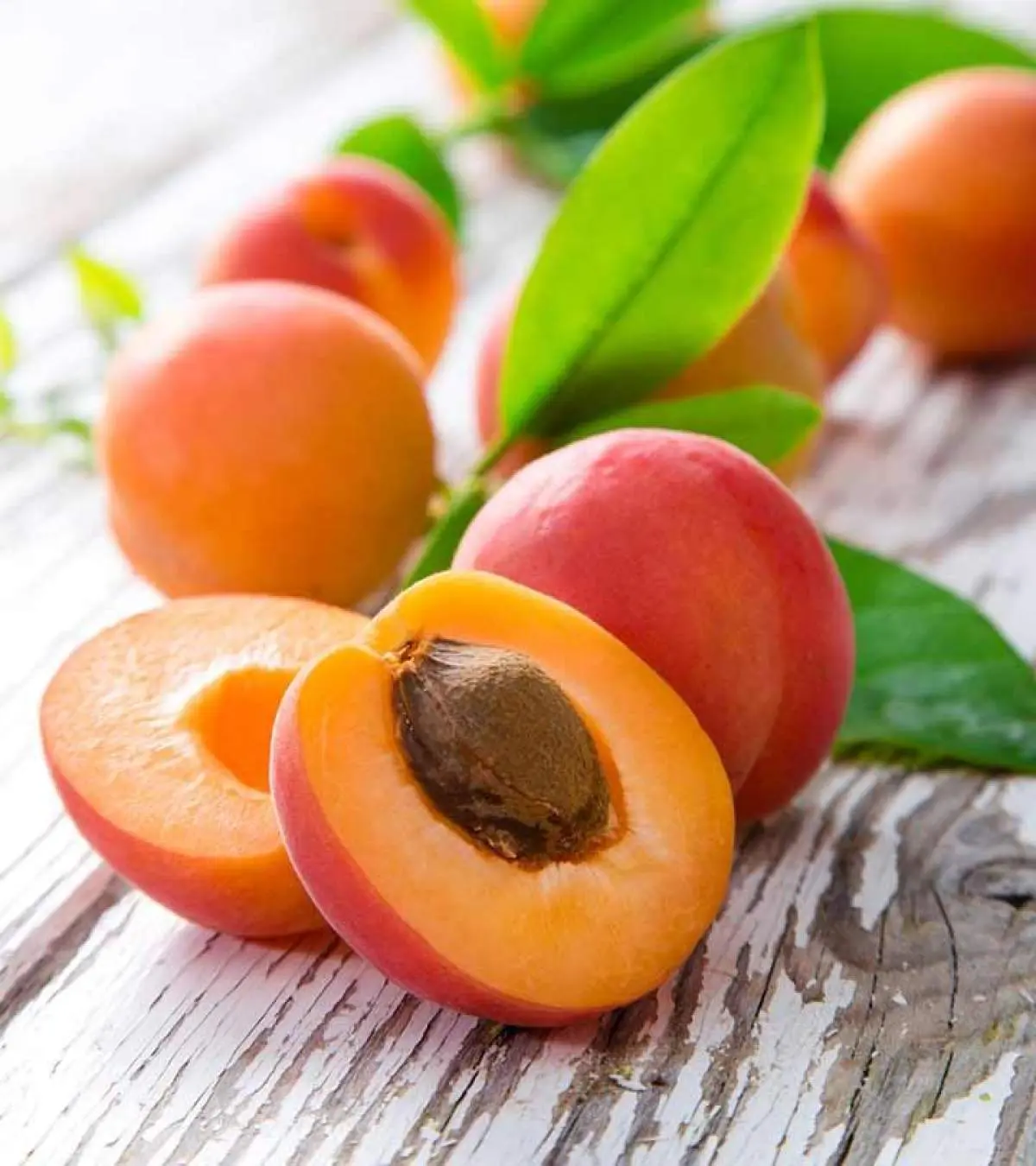
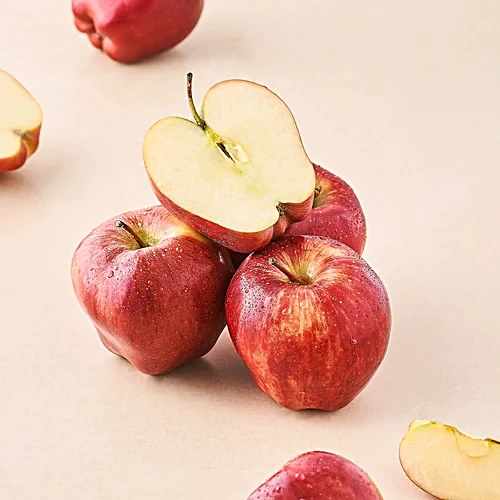
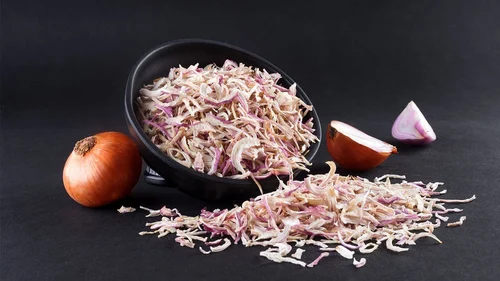
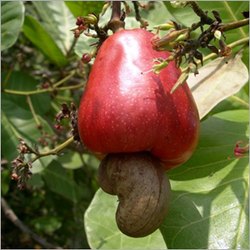
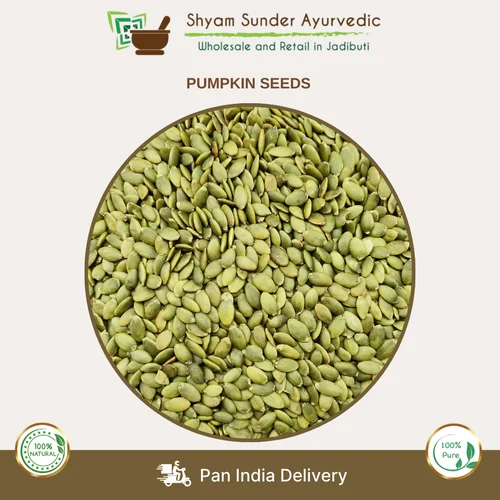
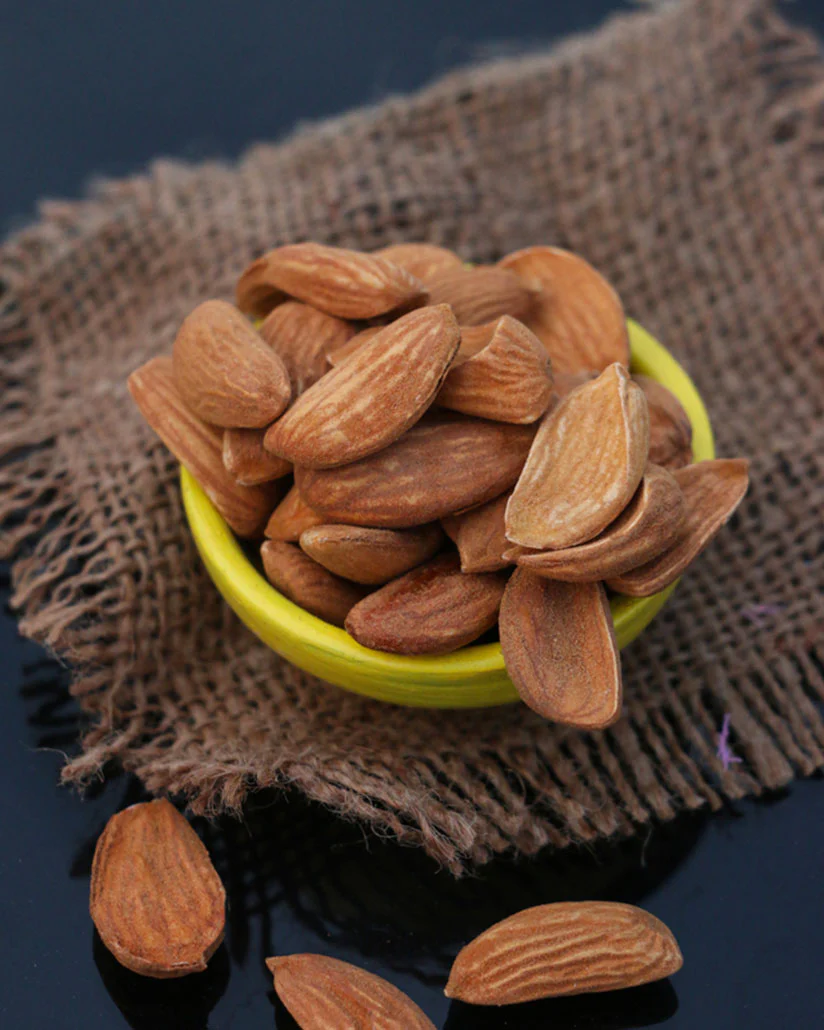
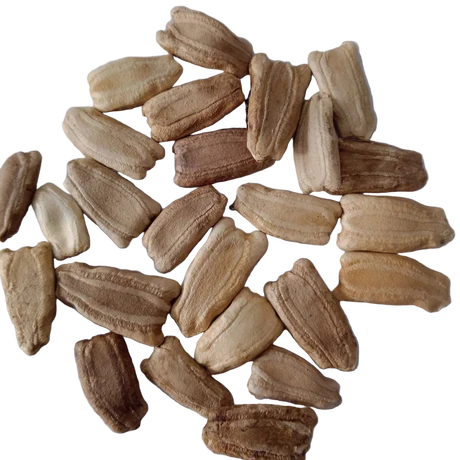
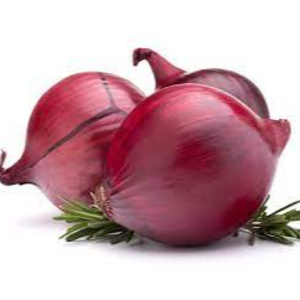
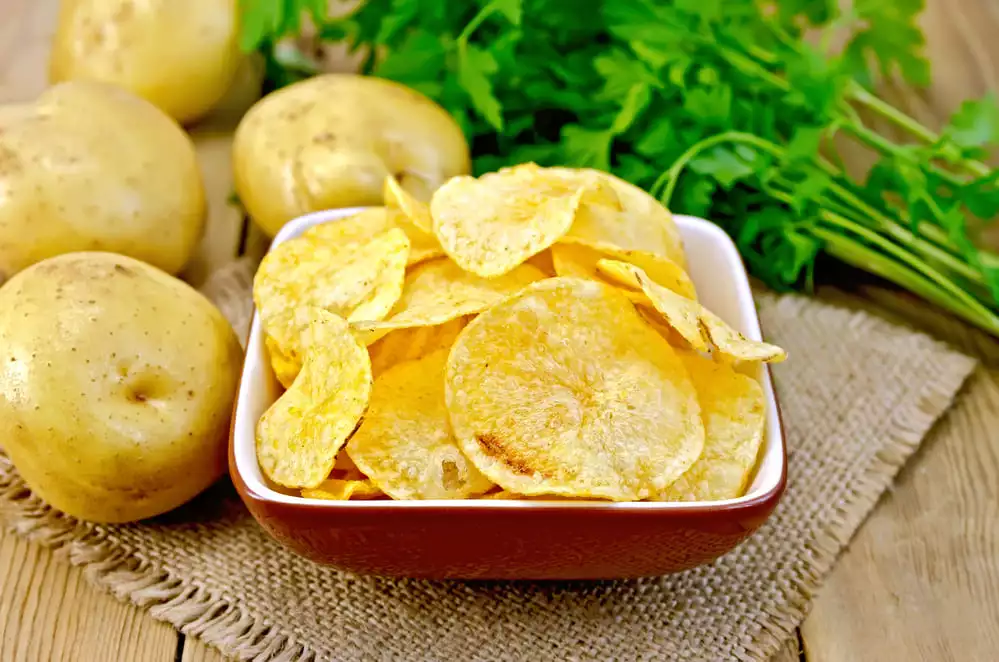
The listed items include Fresh Cabbages, Fresh Sweet Potatoes, Fresh Holland Potato, Fresh Plums, Sunflower oil, Olive Oil Extra Virgin, Kidney Beans, Almonds, Best Quality Macadamia Nut, Hazel Nuts, Pecan Nut in Shell, Best Quality Pistachios (raw and roasted), First Grade Fresh Garlic, Snow White Pumpkin Seeds, Blanched Apricot Seeds (HS 1212.99), Dried Apricot with Sugar (HS 0813.10), Sunflower Seeds, Fuji Apple (HS 0808.10), Big Size Fresh Red Onion, Blanched Round Type Peanut Kernel, Delicous Sweety Red Grapes (HS 0806.10), Purple Cabbage, Brazil Nuts, Starch (Tapioca, Corn, Wheat, Potato), Organic Fresh Chestnut and Good Taste Yali Pear. Each entry follows the product naming used in the supplier’s catalogue and aligns with the corresponding HS code where provided.
Product Range and Specialties of Sensuraya Co., Ltd.
Sensuraya’s catalogue covers a broad set of food commodities. Olive Oil Extra Virgin is typically required to meet free‑fatty‑acid levels below 0.8 % and peroxide values under 20 meq/kg, while Sunflower oil follows similar EU quality limits. Fresh vegetables such as cabbage, sweet potatoes or potatoes are graded by size, firmness and moisture content of 85‑90 %, and are usually packed in ventilated crates for refrigerated transport. Nuts - including almonds, macadamia, hazelnuts, pecans, pistachios and Brazil nuts - are shipped with moisture not exceeding 5 %, sorted by size (e.g., almonds 12‑15 mm) and often presented in 25 kg cartons or 1‑ton bulk bags. Dried legumes like kidney beans are classified as grade A when moisture is below 12 % and foreign matter is under 2 %. Processed fruit products such as Dried Apricot with Sugar must comply with EU food‑additive limits and are commonly packaged in food‑grade bags with barrier film. Coffee beans (organic Arabica) are expected to have moisture 10‑12 % and a cupping score of 80 points or higher, while fermented cocoa beans are evaluated for moisture 6‑7 % and defect count per kilogram.
Trade and Export Information - Sensuraya Co., Ltd.
Poland, as an EU member, exports its agricultural produce to other EU countries, the Middle East, North‑Africa and Asian markets under the EU’s SPS (Sanitary and Phytosanitary) regime. The HS code families represented in Sensuraya’s list include Chapter 07 for fresh vegetables, Chapter 08 for fruits, nuts and olives, Chapter 15 for vegetable oils, Chapter 19 for cocoa, Chapter 21 for coffee and Chapter 04 for starches. Buyers typically require certifications such as EU organic, GLOBALGAP, HACCP or ISO 22000, together with a phytosanitary certificate and a Certificate of Origin. Export logistics differ by product: fresh produce is shipped in refrigerated (reefer) containers, nuts and dried legumes in standard 20 ft or 40 ft dry containers with bulk bags, and oils in drums or IBCs. Incoterms most often used are FOB or CIF, with the supplier responsible for loading at the Polish port and the buyer handling import clearance.
Sourcing from Sensuraya Co., Ltd. - Buyer Guidance
When sourcing from Sensuraya, request a current phytosanitary certificate and, for organic items, an EU organic certificate to verify compliance with EU regulations. Ask for a laboratory Certificate of Analysis that confirms key parameters such as oil acidity, moisture content, size grading and pesticide residues for each product batch. Obtain sample units before committing to full‑scale orders, verify that the HS code on the commercial invoice matches the product description, and confirm packaging details (e.g., 25 kg cartons for nuts, 20 kg boxes for apples, refrigerated containers for fresh vegetables).
Frequently Asked Questions About Sensuraya Co., Ltd.
What HS code should I use for the kidney beans supplied by Sensuraya?
The catalogue lists Kidney Beans under HS code 0713.33, which covers dried beans of the species Phaseolus vulgaris. Buyers should reference this code on the commercial invoice and customs documentation.
Are the almonds listed as organic and what documentation is available?
The product is described as "Organic Almonds, Dried". Suppliers usually provide an EU organic certificate and a laboratory analysis confirming pesticide limits before shipment.
What are the typical moisture limits for the nuts offered (e.g., macadamia, hazelnuts, pistachios)?
Premium nuts are generally shipped with moisture content not exceeding 5 % to prevent mold growth. A moisture test report is commonly supplied with each batch.
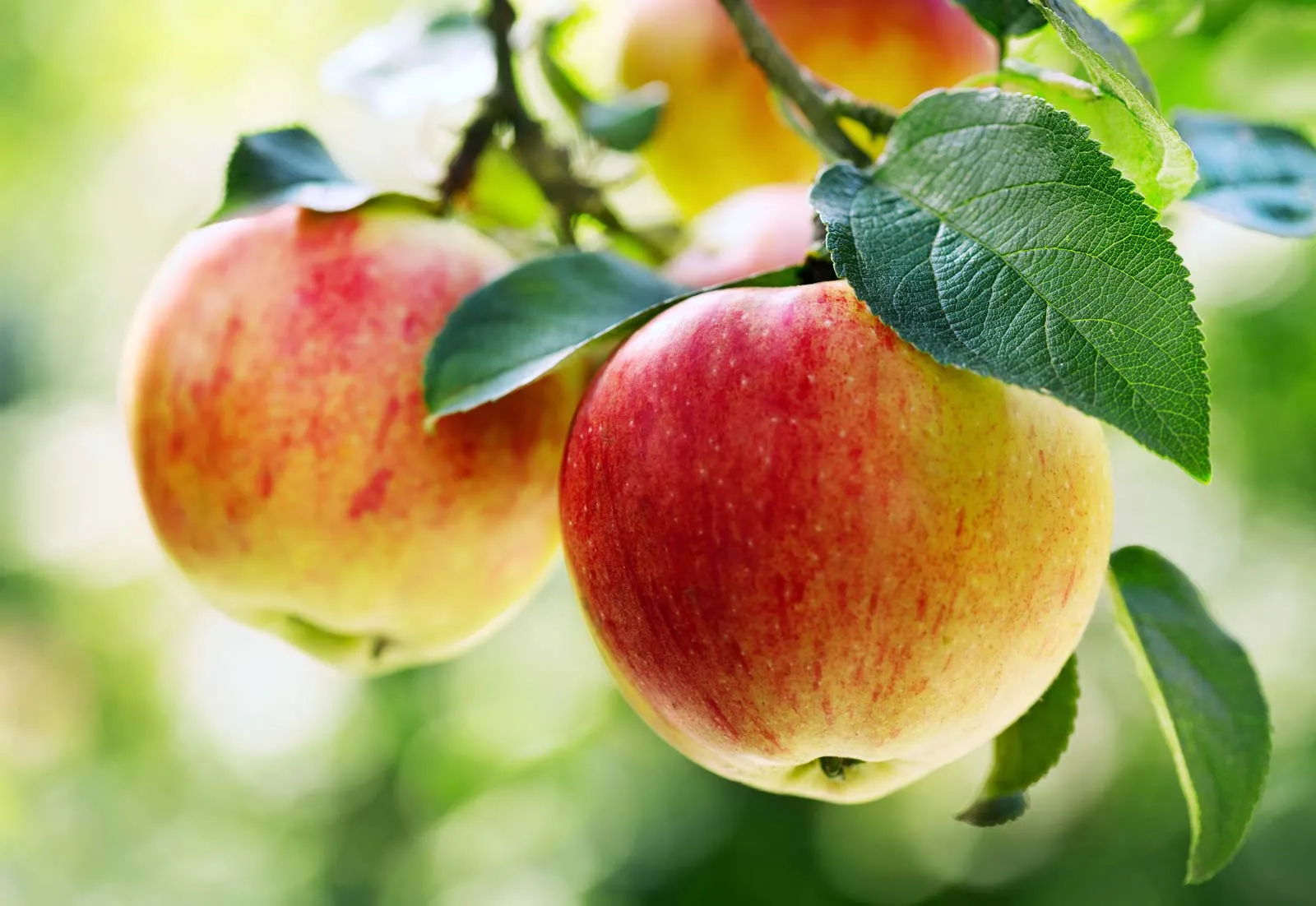
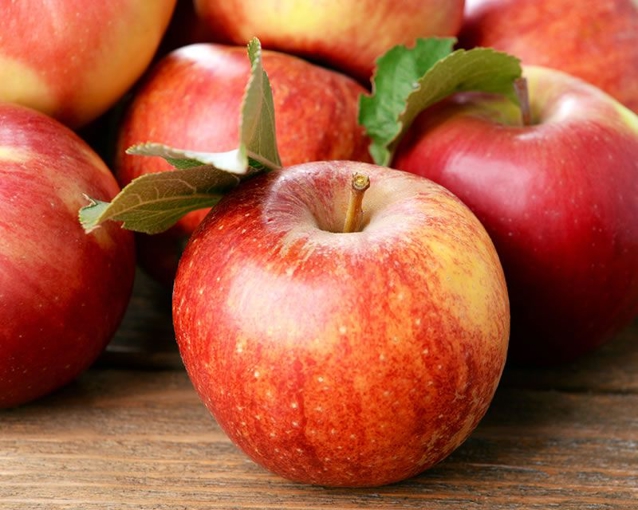
How are fresh Fuji apples packaged for export?
Fuji Apples are commonly packed in 20 kg ventilated cardboard boxes, which are then loaded into refrigerated containers (type "reefer") maintained at 0‑4 °C to preserve freshness during transit.
What certifications are generally required for the olive oil and sunflower oil products?
Buyers typically request a Certificate of Analysis showing free‑fatty‑acid ≤0.8 % for extra‑virgin olive oil and peroxide value ≤20 meq/kg, along with HACCP or ISO 22000 food‑safety certification.
What is the usual minimum order quantity (MOQ) for bulk nuts such as pistachios or Brazil nuts?
Bulk nut orders are frequently set at a minimum of one metric ton per shipment, packed in 1‑ton bulk bags or 25 kg cartons. Exact MOQ should be confirmed with the supplier for each variety.
Which regions are the primary import markets for Sensuraya’s fresh vegetables?
Polish fresh vegetables are often exported to EU member states, the Middle East and North‑African markets, where they meet EU phytosanitary standards and are transported in refrigerated containers.
What lead time should I expect for a shipment of dried apricot with sugar?
Lead times for processed dried fruit typically range from 30 to 45 days after order confirmation, allowing for quality inspection, packaging and preparation of customs documentation.




 , Poland