Saycan Baharat Gida Tarim Urunleri Sanayi Ic Ve Dis Ticaret Limited Sirketi — Verified Supplier
About Saycan Baharat Gida Tarim Urunleri Sanayi Ic Ve Dis Ticaret Limited Sirketi - Herbs Supplier in Turkey
Turkey hosts Saycan Baharat Gida Tarim Urunleri Sanayi Ic Ve Dis Ticaret Limited Sirketi, which currently lists six active products in its catalogue. The listed items include Oregano, Laurel Leaves (Bay Leaves) identified under HS code 0910.99 as dried Laurel Nobilis leaves, Thyme, Sumac, Rosemary and Cistus. Each product is presented as a dried herb or spice, matching the standard HS chapter 09 classification for vegetable products. The supplier’s catalogue does not provide further quantitative specifications, but the product count and categories are explicitly stated in the source data.
The company’s catalogue groups the items under broader categories such as Oregano, Bay Leaf, Thyme, Food Additives, Rosemary and Herbs. All six items are typically traded in bulk dry form, often packaged in 20 kg polyethylene bags or 25 kg cartons for export. The HS code provided for Bay Leaves (0910.99) aligns with the international tariff schedule for dried herbs not elsewhere specified. No additional company‑specific claims about capacity, certifications or client base are included in the supplied facts.
Product Range and Specialties of Saycan Baharat Gida Tarim Urunleri Sanayi Ic Ve Dis Ticaret Limited Sirketi
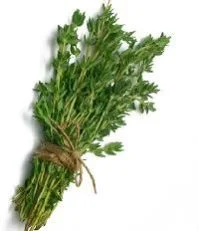
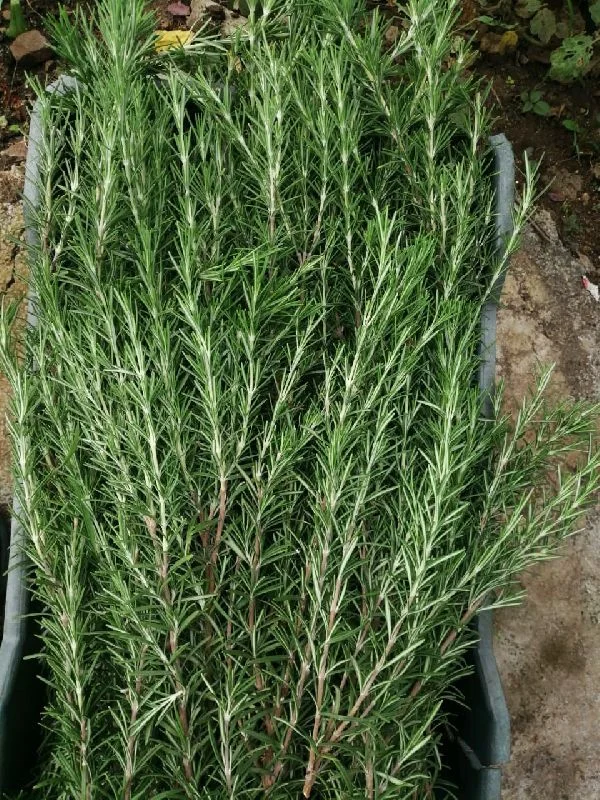
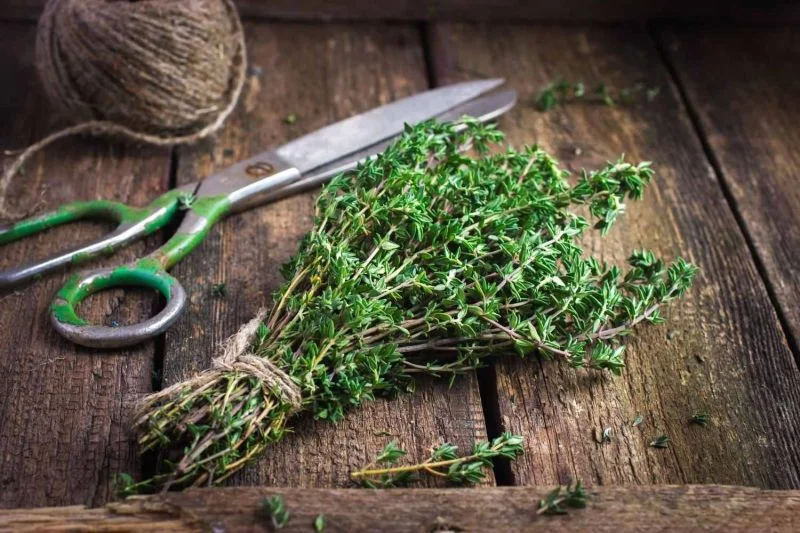
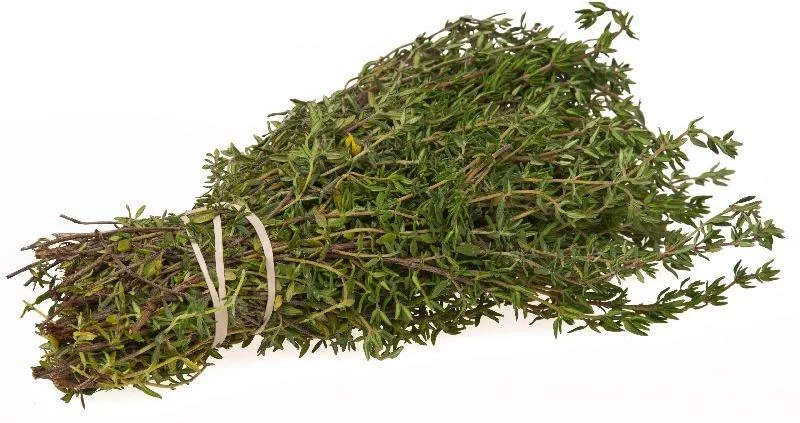
The product list comprises six dried herbs: Oregano, Laurel (Bay) Leaves, Thyme, Sumac, Rosemary and Cistus. In the spice trade, Oregano is commonly graded by leaf size (5‑10 mm) and moisture content below 12 %, with essential oil levels between 3‑5 %. Bay Leaves are evaluated for leaf length (15‑30 mm), colour uniformity and moisture under 10 %. Thyme typically meets a leaf‑to‑stem ratio of 80 % leaf material and moisture below 11 %. Sumac is sold as dried drupes with an acidity (pH) range of 2.5‑3.5 and moisture under 12 %. Rosemary is graded by needle length (10‑30 mm) and oil content 1‑2 %. Cistus (Rock Rose) is usually supplied as dried flower heads with moisture below 10 %. Buyers often request ISO 9001 or HACCP compliance certificates for such herbs, though the supplier’s own certifications are not listed in the facts.
Trade and Export Information - Saycan Baharat Gida Tarim Urunleri Sanayi Ic Ve Dis Ticaret Limited Sirketi
Turkey is a major exporter of Mediterranean herbs, with the majority of shipments destined for the European Union, the United States and the Middle East. The HS‑09 chapter, particularly code 0910.99 for dried laurel leaves, is the tariff line used for most of the listed products. Export logistics typically involve containerised loads: a 20‑ft container can hold roughly 25‑30 tons of dried herbs, while a 40‑ft container accommodates up to 55 tons. Standard Incoterms for Turkish herb exporters are FOB Istanbul or CIF Mediterranean ports. Buyers usually require phytosanitary certificates, a certificate of origin and, where applicable, organic or non‑GMO declarations, especially for markets with strict EU food‑safety regulations.
Sourcing from Saycan Baharat Gida Tarim Urunleri Sanayi Ic Ve Dis Ticaret Limited Sirketi - Buyer Guidance
When sourcing from this supplier, request a recent phytosanitary certificate and a laboratory analysis report that includes moisture content, microbial limits (e.g., total plate count <10 000 CFU/g, coliforms absent) and, for aromatic herbs, essential‑oil percentage. Verify that the batch complies with the typical grade specifications noted in the range section; deviations should be documented in a test report. Because the supplier’s own certification status is not disclosed, ask explicitly for any ISO 9001, HACCP or organic certificates that apply to the batch. Confirm packaging details (e.g., 20 kg HDPE bags with inner liners) and the preferred Incoterm before finalising the purchase order.
Frequently Asked Questions About Saycan Baharat Gida Tarim Urunleri Sanayi Ic Ve Dis Ticaret Limited Sirketi
What herb products does Saycan Baharat list in its catalogue?
The catalogue includes six dried herbs: Oregano, Laurel (Bay) Leaves (HS 0910.99), Thyme, Sumac, Rosemary and Cistus.
Which HS code is assigned to the Bay Leaves product?
Bay Leaves are listed under HS code 0910.99, which covers dried laurel leaves and other similar herbs.
What are the typical moisture limits for the listed herbs?
Industry practice limits moisture to below 12 % for most dried herbs; specific limits are often ≤10 % for bay leaves and rosemary.
What certifications are commonly required for Turkish herb exports?
Buyers usually request ISO 9001, HACCP, phytosanitary certificates and, for organic markets, an organic certification or EU organic logo.
What packaging sizes are standard for these dried herbs?
Standard export packaging is 20 kg polyethylene bags, frequently grouped in 25 kg cartons; a 20‑ft container can hold about 25‑30 tons of product.
What documentation should a buyer request before ordering?
Request a phytosanitary certificate, a certificate of origin, a recent laboratory analysis (moisture, microbial, essential‑oil content) and any applicable quality‑system certificates.
What Incoterms are typically used for shipments from Turkey?
Exporters from Turkey often quote FOB Istanbul or CIF Mediterranean ports, depending on the buyer’s logistics preferences.




 , Turkey