Saumitrya Traders — Supplier
About Saumitrya Traders - Paper Products Supplier in India
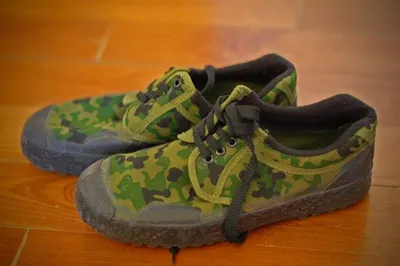
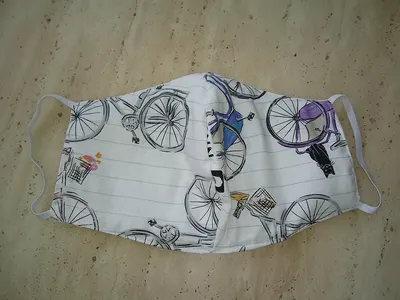
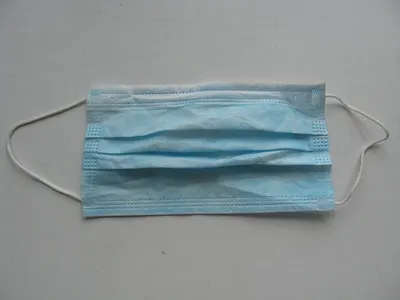
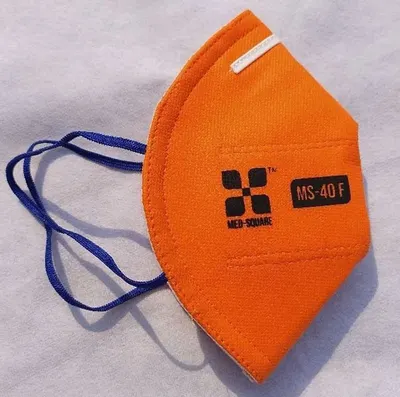
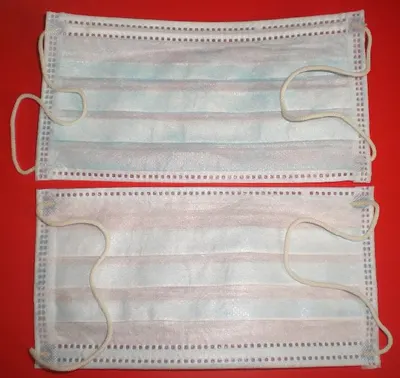
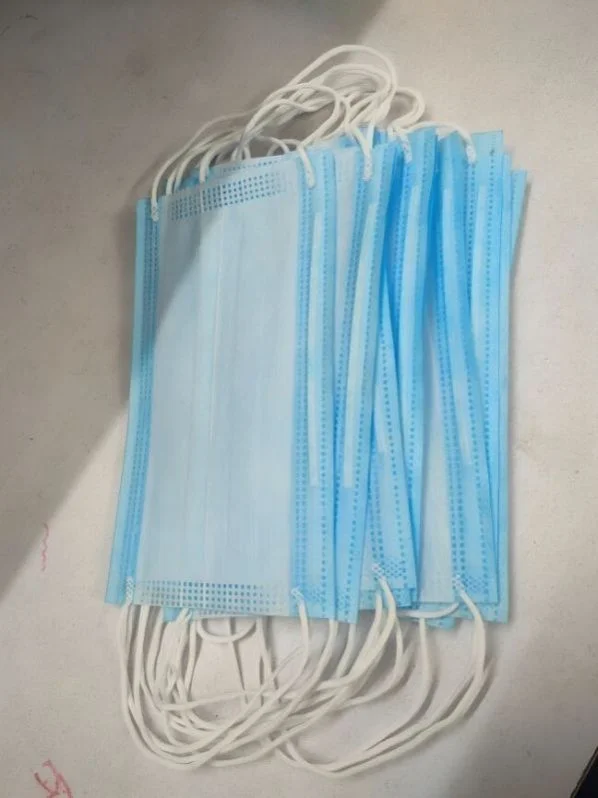
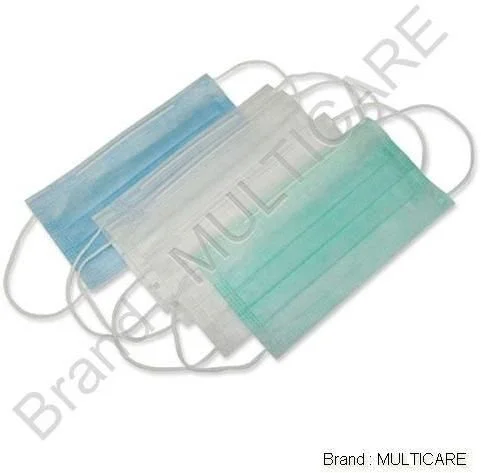
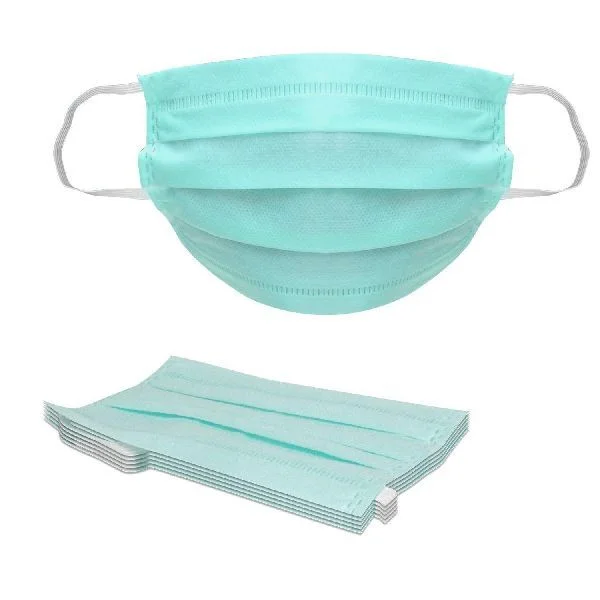
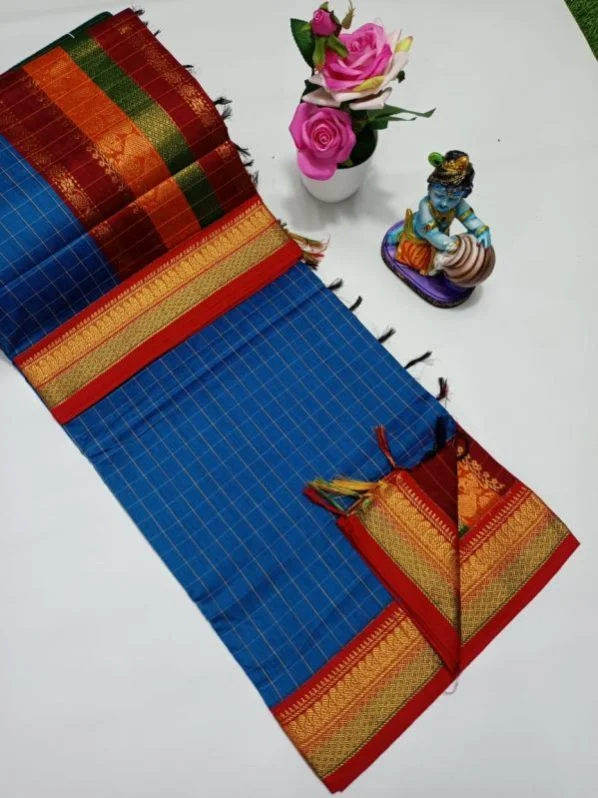
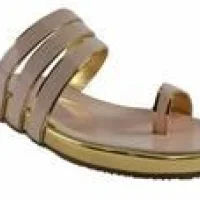
India hosts Saumitrya Traders with a catalogue of 15 active products spanning paper, apparel, footwear and protective masks. The listing includes North Star Footwear Mix Lot, Branded Shirts, Stitched Sarees, Designer Suits, C1s (Folding Box Board) and Woodfree (Maplitho) paper grades, as well as a series of face masks all recorded under HS code 6307.90. Mask items comprise Khadi Handloom 2‑Layer Mask (100 % handloom cotton), Premium Embroidered Cotton 2‑Ply Masks, a 3‑Ply Face Mask with melt‑blown inner layer, and a generic 3‑Ply Mask with non‑woven polypropylene and melt‑blown filter. Footwear entries feature Bata Mix Footwear, Unistar Footwear Mix Lot and a generic North Star Footwear Mix Lot. Additional apparel items include Lehengas, Art Paper/Art Card (gloss/matt), Bible Paper and various ladies dresses.
The product mix reflects typical Indian export segments where paper grades such as C1 folding box board meet ISO brightness standards and maplitho grades serve high‑quality printing. Face masks listed under HS 6307.90 are manufactured from non‑woven polypropylene, a material that conforms to global melt‑blown filtration requirements. Footwear mixes generally combine leather and synthetic uppers in size ranges from 5 to 11 Indian sizes. Apparel items like stitched sarees and lehengas are crafted from cotton or silk blends, while art paper and bible paper are supplied in standard A‑size sheets for publishing. Each category aligns with recognized HS chapters: 63 for textile articles and 48 for paper products, providing clear customs classification for buyers.
Product Range and Specialties of Saumitrya Traders
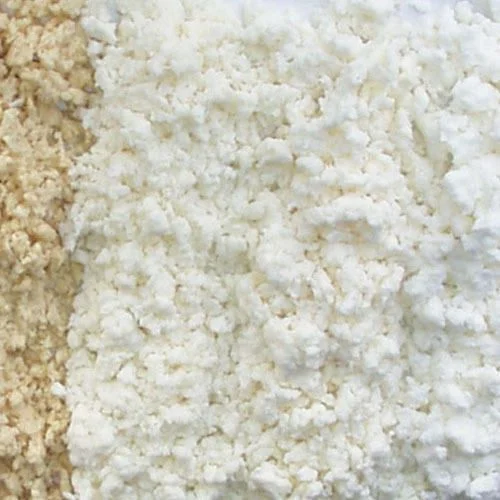
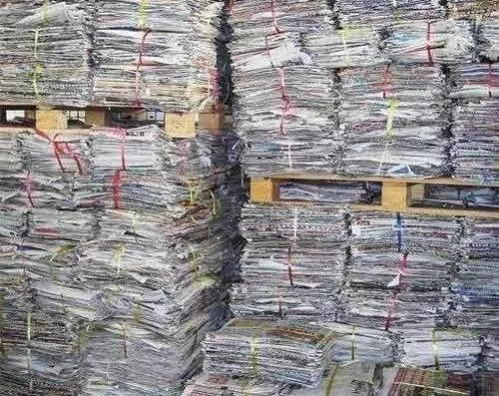
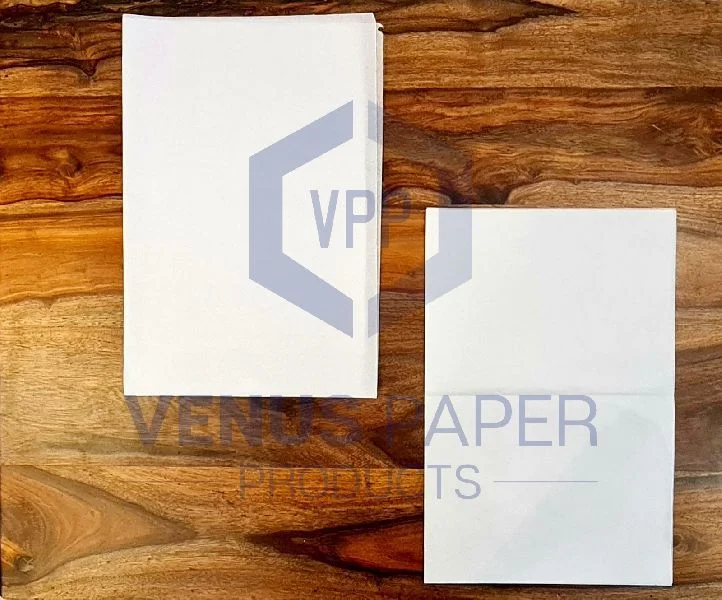
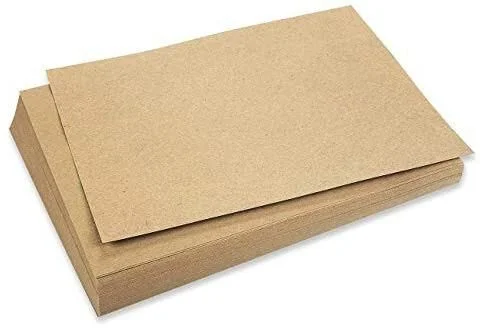
Saumitrya Traders’ catalogue presents three paper grades: C1s Folding Box Board, Woodfree (Maplitho) and Art Paper/Art Card in gloss or matt finish. In the industry, C1 board is a high‑strength grade used for packaging, typically meeting ISO 536 thickness of 250‑300 µm and a burst strength above 800 kPa. Maplitho paper is a wood‑free, high‑brightness grade (ISO brightness > 90) favored for premium printing, while art paper often carries a basis weight of 120‑150 g/m². The mask portfolio consists of hand‑loom cotton 2‑layer masks, fully embroidered cotton 2‑ply masks, and polypropylene‑based 3‑ply masks with melt‑blown filtration media; buyers usually assess Bacterial Filtration Efficiency (BFE) of ≥95 % and Particle Filtration Efficiency (PFE) of ≥98 % for medical‑grade items. Footwear mixes are supplied as assorted lots without individual size breakdown, a common practice for bulk distributors targeting resale markets. Apparel items such as stitched sarees, lehengas and ladies dresses are typically offered in standard Indian sizes (XS‑XL) and fabric weights ranging from 150‑250 gsm for cotton blends.
Industry standards further define these categories: paper exports from India often require FSC or PEFC chain‑of‑custody documentation, while masks destined for EU or US markets are expected to carry CE marking or FDA 510(k) clearance for medical use. Footwear imports generally need compliance with REACH chemical restrictions and may be subject to ISO 9001 quality audits. Textile garments like sarees and shirts are frequently checked for colorfastness (ISO 105‑B02) and shrinkage (ISO 6330). These benchmarks help buyers align Saumitrya Traders’ offerings with global procurement criteria.
Trade and Export Information - Saumitrya Traders
India’s paper sector ranks among the top global exporters, with C1 folding box board and wood‑free maplitho grades shipped mainly to Southeast Asia, the Middle East and Europe under HS chapter 48. Face masks classified under HS 6307.90 are routinely exported to the United States, United Kingdom and Gulf Cooperation Council (GCC) countries, where buyers often require CE conformity for non‑medical masks and FDA‑listed certifications for medical‑grade variants. Footwear mixes are typically sent to African and South Asian markets, using 40‑ft containers packed in cardboard cartons; standard Incoterms include FOB Mumbai or CIF Dubai. Apparel such as stitched sarees and lehengas find demand in diaspora communities across North America and the Middle East, with shipments commonly consolidated in 20‑ft containers and labeled under HS 61. The supplier’s product set aligns with these trade flows, allowing buyers to anticipate typical customs duties and inspection regimes for each HS code family.
Export logistics from India generally involve phytosanitary certificates for paper products, and for masks a supplier‑issued test report confirming BFE and PFE values. Buyers should verify that packaging meets ISPM 15 standards for wood‑based pallets when shipping to EU ports. Shipping terms often reference FOB or CIF, with freight forwarders arranging container loading based on product volume: paper sheets occupy roughly 0.04 m³ per 1 000 sheets, masks about 0.02 m³ per 1 000 pieces, and footwear mixes approximately 0.06 m³ per 1 000 pairs. These parameters help importers calculate freight costs and storage space.
Sourcing from Saumitrya Traders - Buyer Guidance
When sourcing masks from Saumitrya Traders, request the latest BFE/PFE test report, material safety data sheet for polypropylene layers, and any CE or FDA compliance certificates relevant to the intended market. Verify the gram‑weight of the non‑woven layers (typically 20‑30 g/m²) and confirm melt‑blown filter melt‑point specifications to ensure filtration performance. For paper grades, ask for ISO brightness data, burst strength figures and, where required, FSC/PEFC chain‑of‑custody certificates. Confirm the basis weight and surface finish of art paper and bible paper to match printing requirements. Apparel buyers should obtain fabric composition certificates, shrinkage test results and colorfastness reports before confirming bulk orders. Footwear purchasers need size distribution charts, material composition (leather vs. synthetic) and a sample of the stitching quality to assess durability. In all cases, a pre‑shipment sample and third‑party inspection report provide an additional verification layer before full container loading.
Typical verification steps include reviewing the supplier’s quality management system documentation (ISO 9001 if available), checking that packaging complies with ISPM 15 for wood pallets, and ensuring that HS code declarations match the product specifications listed. Buyers should also confirm the container loading plan to avoid over‑packing, especially for bulk mask lots where airflow and moisture control are critical during transit.
Frequently Asked Questions About Saumitrya Traders
What HS code does Saumitrya Traders use for its face masks?
All listed face masks are classified under HS code 6307.90, which covers other made‑up textile articles, including non‑woven protective masks.
Which material is used in the 3‑Ply Face Mask with Meltblown Inner?
The mask combines a non‑woven polypropylene spunbond layer with a melt‑blown polypropylene filtration layer, a standard construction for disposable protective masks.
How can I verify the filtration performance of the masks?
Request a recent Bacterial Filtration Efficiency (BFE) and Particle Filtration Efficiency (PFE) test report; industry‑standard values are ≥95 % BFE and ≥98 % PFE for medical‑grade masks.
What are the typical specifications for the C1 Folding Box Board offered?
C1 board is a high‑strength grade used for packaging, usually supplied at a thickness of 250‑300 µm and a burst strength above 800 kPa, meeting ISO 536 requirements.
Are there any certifications required for importing the paper products?
Importers commonly request FSC or PEFC chain‑of‑custody certificates and a material safety data sheet; these can be obtained from the supplier if the paper is certified.
What size range is covered in the footwear mix lots?
The mix lots include Indian shoe sizes roughly from 5 to 11, a typical range for bulk footwear consignments aimed at resale markets.
What packaging format is used for the stitched sarees and lehengas?
These garments are usually packed in individual poly‑bag wrappers and then consolidated in cardboard cartons sized for 20‑ft container loading, following standard textile export practices.




 , India