Saptagiri Boiled & Raw Rice Mill — Verified Supplier
About Saptagiri Boiled & Raw Rice Mill - Rice Supplier in India
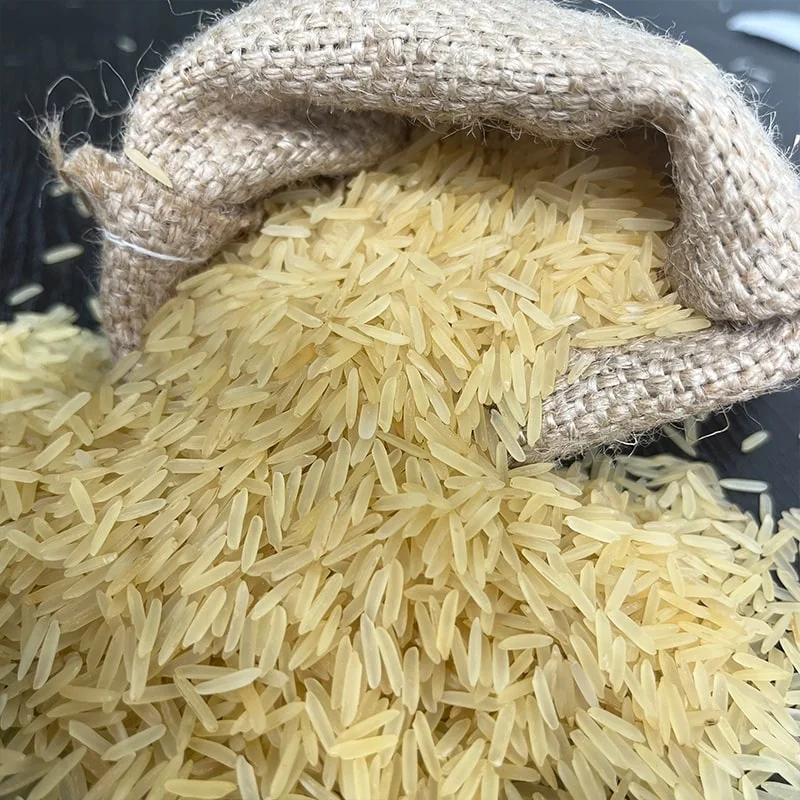
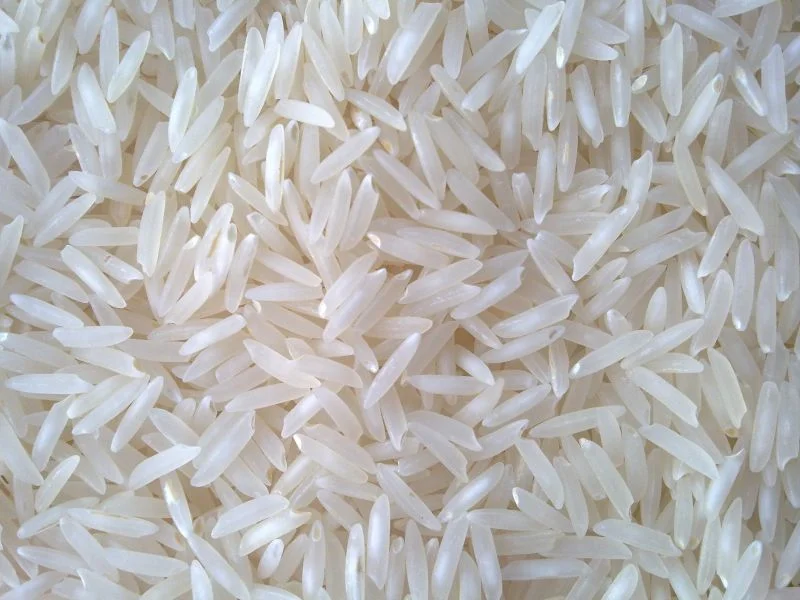
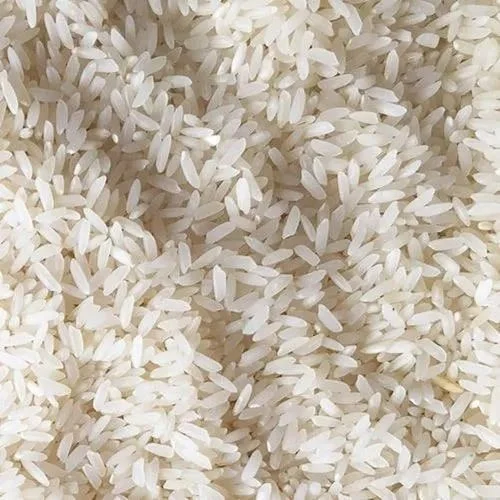
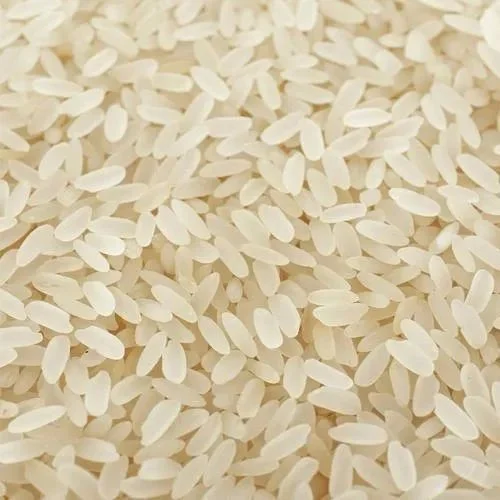
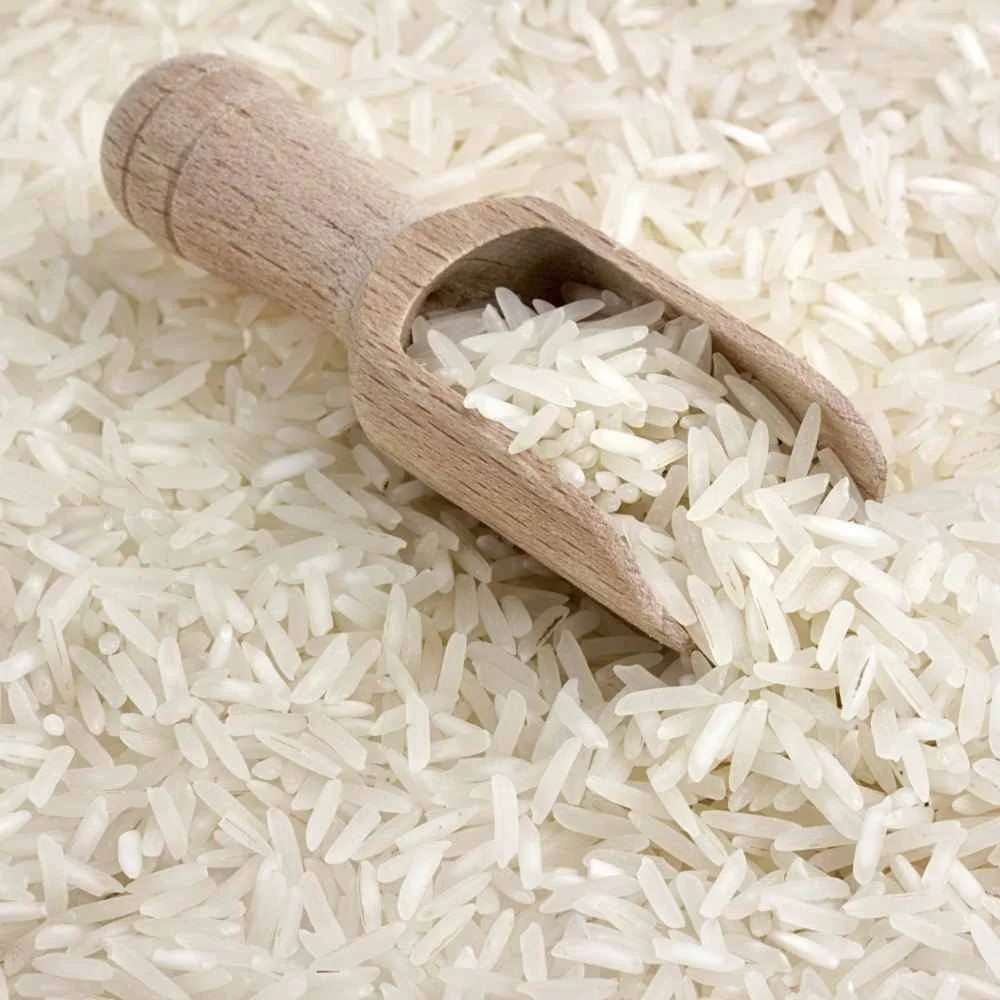
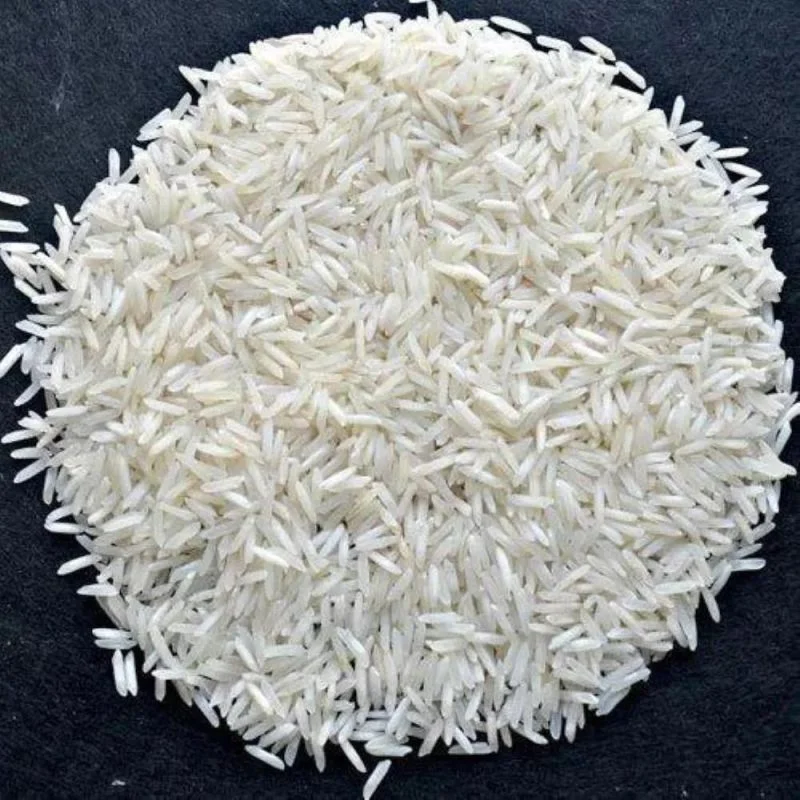
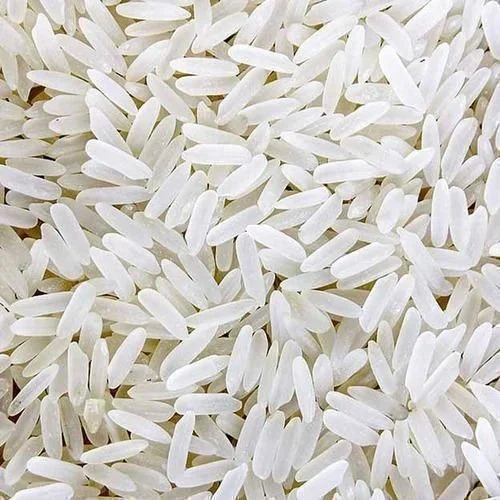
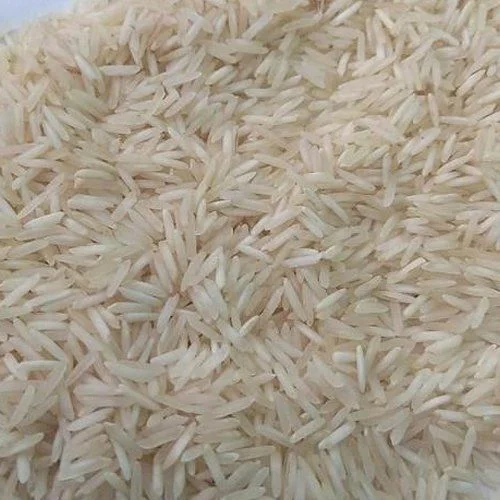
India hosts Saptagiri Boiled & Raw Rice Mill, which currently lists five active products in its catalogue. The supplier focuses exclusively on rice, covering both boiled (parboiled) and raw white varieties. The product list includes Parboiled rice medium grain, White rice, Long grain white rice, Parboiled rice (unspecified grain), and Parboiled rice broken. Each entry falls under the single category "Rice" as defined in the supplier's catalogue. The catalogue does not provide HS codes or additional technical parameters, limiting the description to the product names themselves.
The five items represent typical grain‑type distinctions used by Indian rice processors. Parboiled rice medium grain and broken variants are produced through soaking, steaming and drying steps that increase nutritional value and reduce breakage during cooking. White rice and long‑grain white rice are milled to remove the husk and bran, delivering a polished kernel with moisture content generally below 14 %. The supplier’s listing does not specify packaging size, but Indian rice exporters commonly use 20 kg polypropylene bags or bulk 1 MT containers for bulk shipments.
Product Range and Specialties of Saptagiri Boiled & Raw Rice Mill
The catalogue shows five rice products: Parboiled rice medium grain, White rice, Long grain white rice, Parboiled rice, and Parboiled rice broken. In the broader rice trade, these categories correspond to distinct quality grades. For example, medium‑grain parboiled rice is typically graded by kernel length (5.5 - 6.5 mm), moisture 12‑14 %, and a broken kernel rate under 5 % for whole‑grain lots. Long‑grain white rice is often classified as “extra long” when kernel length exceeds 6.5 mm, with a polished degree of 78‑80 % and a pearling loss below 2 %. Broken rice is priced separately and usually has a higher permissible broken percentage (up to 15 %). Standard export packaging includes 20 kg polypropylene bags, 25 kg jute bags, or bulk bulk cargo in 1 MT or 20 ft containers, each container typically holding 20‑22 tonnes of rice.
Trade and Export Information - Saptagiri Boiled & Raw Rice Mill
India is among the world’s largest rice exporters, with annual shipments exceeding 12 million tonnes. Export destinations frequently include the Middle East, East Africa, Southeast Asia and the Caribbean, where parboiled and white rice meet local consumption patterns. Buyers usually require compliance with food‑safety standards such as ISO 22000, FSSC 22000 or HACCP, and a phytosanitary certificate issued by the Indian Plant Protection Organization. Logistics for Indian rice commonly employ 20 ft containers (≈20 tonnes) or 40 ft containers (≈40 tonnes), loaded in bulk or in 20 kg bag units. Freight terms are typically FOB Indian ports such as Kolkata or Chennai, with CIF options to buyer‑specified ports.
Sourcing from Saptagiri Boiled & Raw Rice Mill - Buyer Guidance
When sourcing rice from Saptagiri Boiled & Raw Rice Mill, buyers should request a pre‑shipment sample analysed for moisture (target ≤ 14 %), broken kernel percentage, and pesticide residue levels in accordance with Codex MRLs. Request copies of any existing food‑safety certifications (e.g., ISO 22000, HACCP) and confirm that the supplier can provide a phytosanitary certificate and a certificate of origin for customs clearance. Verify packaging details - whether the rice will be shipped in 20 kg bags, bulk 1 MT containers, or other formats - and confirm the container loading plan to ensure the expected volume matches the quoted freight capacity.
Frequently Asked Questions About Saptagiri Boiled & Raw Rice Mill
What types of rice does Saptagiri Boiled & Raw Rice Mill offer?
The supplier lists five rice products: Parboiled rice medium grain, White rice, Long grain white rice, generic Parboiled rice, and Parboiled rice broken.
Are HS codes provided for the listed rice products?
The catalogue does not include HS codes for individual items. Buyers typically reference HS chapter 10, heading 1006 for milled rice when preparing customs documentation.
What quality specifications should a buyer verify for Indian parboiled rice?
Typical specifications include moisture content of 12‑14 %, broken kernel rate under 5 % for whole‑grain lots, and a milling degree of at least 78 %. Buyers often request laboratory reports confirming these parameters.
Which certifications are commonly required for importing Indian rice?
Importers usually ask for food‑safety certifications such as ISO 22000, FSSC 22000 or HACCP, as well as a phytosanitary certificate and a certificate of origin issued by the Indian authorities.
What are the usual packaging options for rice exports from India?
Exporters commonly use 20 kg polypropylene bags, 25 kg jute bags, or bulk shipments in 1 MT containers. Container loads of 20 ft typically hold 20‑22 tonnes, while 40 ft containers accommodate 40‑45 tonnes.
What is a typical minimum order quantity (MOQ) and lead time for rice shipments?
MOQs vary by packaging; bulk orders often start at 1 MT, while bagged shipments may start at 10 MT. Lead times in India range from 15 to 30 days after order confirmation, depending on processing and container availability.
How should a buyer request a sample before placing a full order?
Buyers can ask the supplier to send a 5 kg sample sealed in a food‑grade bag, accompanied by a laboratory test report covering moisture, broken percentage and pesticide residues. Sample costs are usually reimbursed once the full order is confirmed.
What Incoterms are typically used for shipping rice from India?
Exporters frequently quote FOB Indian ports such as Kolkata, Chennai or Mundra, with buyers arranging onward freight. CIF to the destination port is also offered on request.




 , India