Saon International — Verified Supplier
About Saon International - Basmati Rice Supplier in India
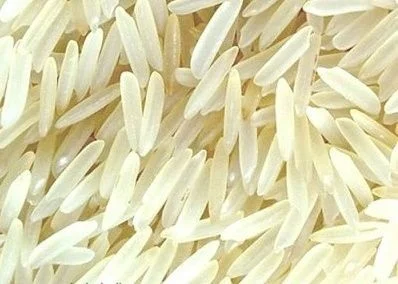
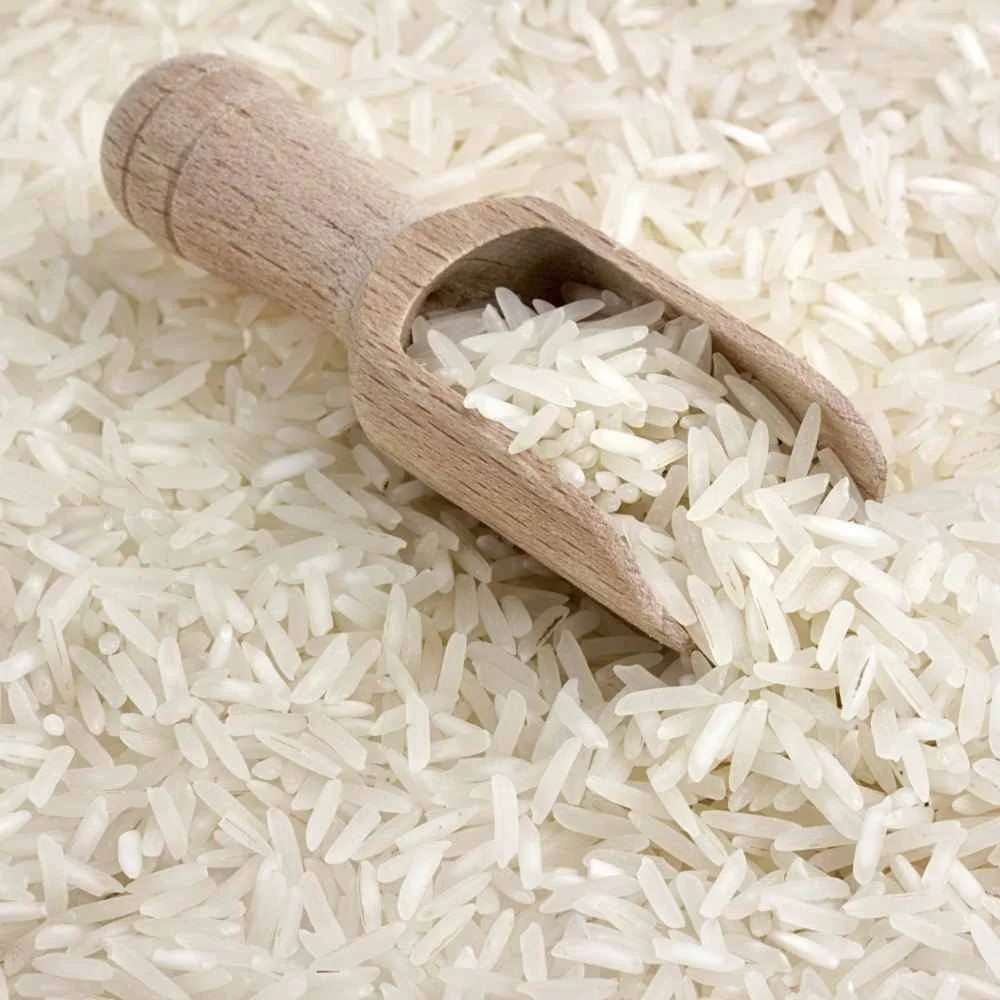
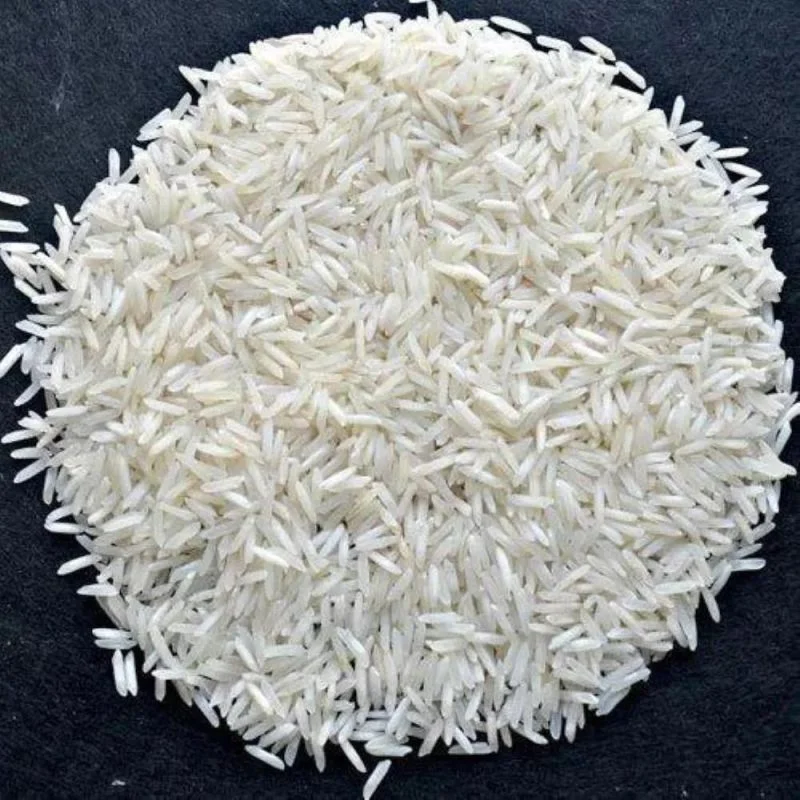
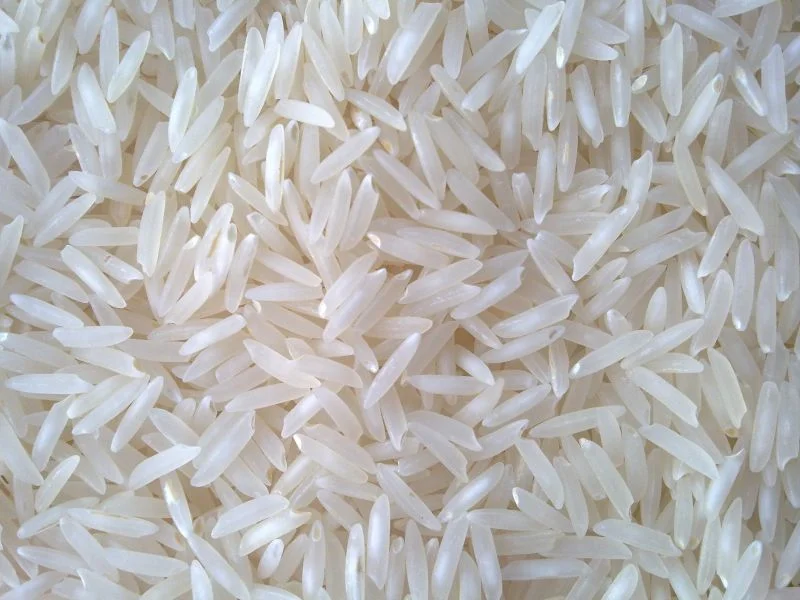
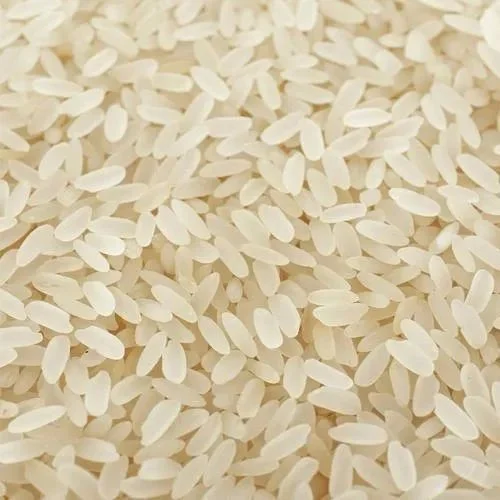
India hosts Saon International, which currently lists nine active rice products across its catalogue. The supplier’s top categories are Basmati Rice, Non‑Basmati Rice and Parboiled Rice, all recorded under HS code 1006.30 for milled rice. Each entry specifies the grain type, variety and processing method, such as steam‑processed or parboiled, and the material description references the scientific name Oryza sativa where applicable. The catalogue includes both long‑grain basmati varieties (1121 and 1509) and non‑basmati IR64, as well as a parboiled Sona Mansoori line.
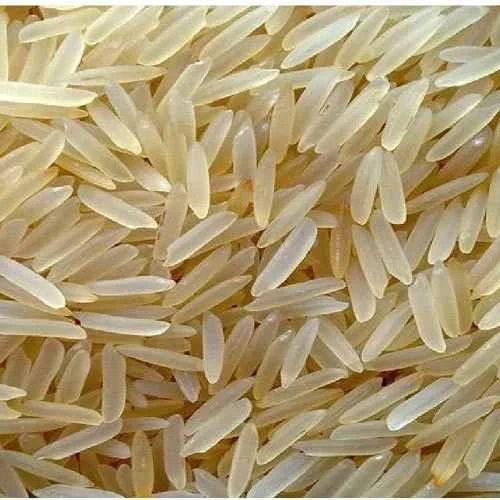
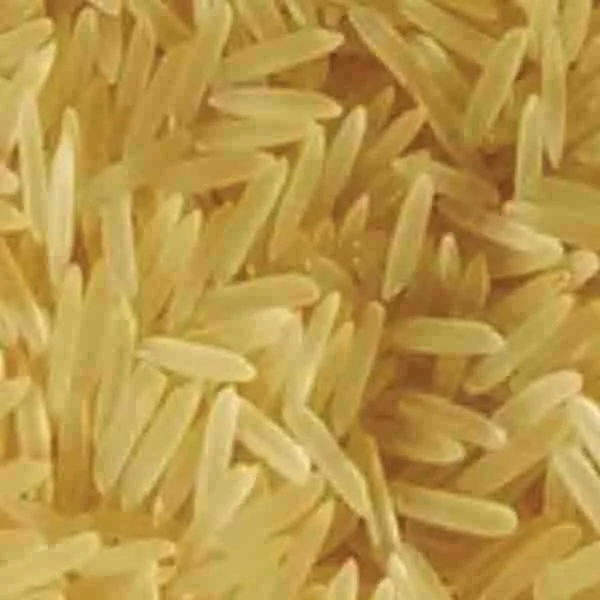
The product list details steam‑processed 1121 Basmati, white Sella (parboiled) 1121 Basmati, and Golden Sella 1121 Basmati, alongside the equivalent 1509 variants and the IR64 steam‑processed and parboiled non‑basmati offerings. Each item is classified under the same HS chapter 1006.30, indicating they are milled or polished rice ready for bulk export. No additional product families outside the rice segment are mentioned in the supplied data.
Product Range and Specialties of Saon International
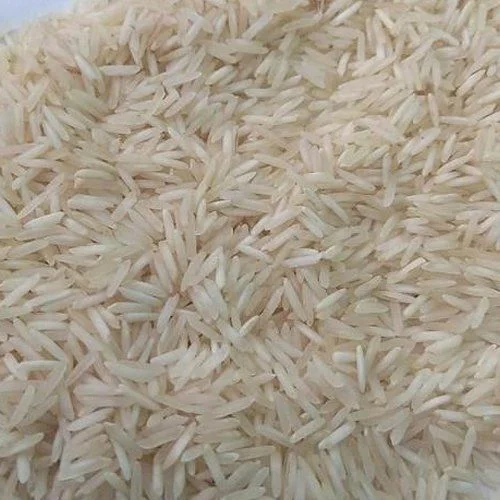
Saon International’s catalogue focuses on three grain families: premium basmati (varieties 1121 and 1509), a mainstream non‑basmati (IR64) and a parboiled Sona Mansoori line. In the basmati segment, buyers typically look for extra‑long grain length (≥7 mm), aroma intensity measured by the Basmati Aroma Scale, moisture content ≤14 %, broken grain ≤5 % and a polishing degree of at least 92 %. The 1121 and 1509 varieties are commonly graded as “extra premium” in the Indian export market and are often packed in 25 kg polypropylene bags for container loads. Non‑basmati IR64 is a high‑yield, short‑to‑medium grain rice that is usually accepted with moisture ≤14 % and broken grain ≤7 %, suitable for both steamed and parboiled applications. Parboiled Sona Mansoori rice follows the standard Indian parboiling process, delivering a firmer kernel and a typical gelatinization temperature of 80‑85 °C, and is also shipped in 25 kg bags. Typical container capacity for these 25 kg bags is around 500 bags per 20‑ft container or 1 000 bags per 40‑ft container.
Trade and Export Information - Saon International
India ranks among the world’s largest exporters of milled rice, with HS chapter 1006.30 covering both basmati and non‑basmati varieties. Major import destinations include the Gulf Cooperation Council (UAE, Saudi Arabia, Qatar), East Africa (Kenya, Tanzania), South‑East Asia (Vietnam, Philippines) and select European markets (UK, Germany). Export shipments are usually handled on FOB terms from the ports of Mumbai or Kandla, with buyers often requesting CIF to Mediterranean ports. Commonly required documents are a phytosanitary certificate, a Certificate of Origin, and compliance with India’s Food Safety and Standards Authority (FSSAI) regulations; many buyers also ask for ISO 22000 or HACCP certification as evidence of food safety management. Packaging standards call for 25 kg jute or woven polypropylene bags, with outer corrugated cartons for container loading. The typical HS code 1006.30 triggers routine customs inspections focused on moisture, broken grain and pesticide residue limits set by importing countries.
Sourcing from Saon International - Buyer Guidance
When sourcing rice from Saon International, buyers should request a product specification sheet that confirms moisture ≤14 %, broken grain percentage, grain length and aroma rating for basmati varieties. A recent laboratory analysis covering pesticide residues (e.g., organophosphates, carbamates) and heavy metals (lead, arsenic) is standard practice before final acceptance. Because no certifications are listed for the supplier, buyers are advised to ask for any existing ISO 22000, HACCP or FSSAI certificates, or to arrange an independent audit if food‑safety compliance is critical. Samples are typically supplied in a 5 kg bag, allowing verification of grain appearance, cooking quality and aroma. Verify the packaging details (25 kg bag, material, labeling) and confirm the agreed Incoterm (FOB Mumbai or CIF) before issuing a purchase order.
Frequently Asked Questions About Saon International
What rice varieties does Saon International list in its catalogue?
The catalogue includes steam‑processed 1121 Basmati, white Sella 1121 Basmati, Golden Sella 1121 Basmati, the equivalent 1509 Basmati range, IR64 steam‑processed and parboiled non‑basmati rice, and Sona Mansoori parboiled rice.
Under which HS code are Saon International’s rice products classified?
All listed rice products fall under HS code 1006.30, which covers milled or polished rice.
What standard specifications are buyers expected to verify for basmati rice?
Buyers usually check grain length (≥7 mm), moisture content (≤14 %), broken grain rate (≤5 %), polishing degree (≥92 %) and aroma intensity using the Basmati Aroma Scale.
Which certifications should a buyer request from this supplier?
Typical certifications for Indian rice exporters include FSSAI registration, ISO 22000 or HACCP food‑safety certificates, and a phytosanitary certificate; buyers should request any of these from Saon International.
What is the common packaging format for these rice products?
Rice is commonly packed in 25 kg woven polypropylene or jute bags, which are then placed in corrugated cartons for container loading.
What are the usual incoterms used for Indian rice exports?
Exporters often quote FOB from Mumbai or Kandla ports, and buyers may request CIF to their destination port.
How many 25 kg bags fit in a standard container?
A 20‑foot container typically holds about 500 bags (≈12.5 tonnes) and a 40‑foot container about 1 000 bags (≈25 tonnes).
What laboratory tests are standard before accepting a rice shipment?
Standard tests include moisture analysis, broken grain percentage, pesticide residue screening, heavy‑metal limits, and for basmati, an aroma profile assessment.




 , India