Same-Mary International Ltd — Verified Supplier
About Same-Mary International Ltd - Charcoal Supplier in Nigeria
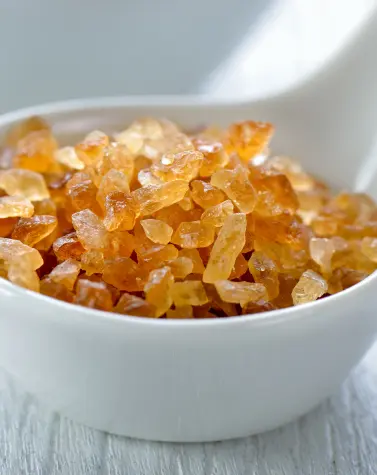
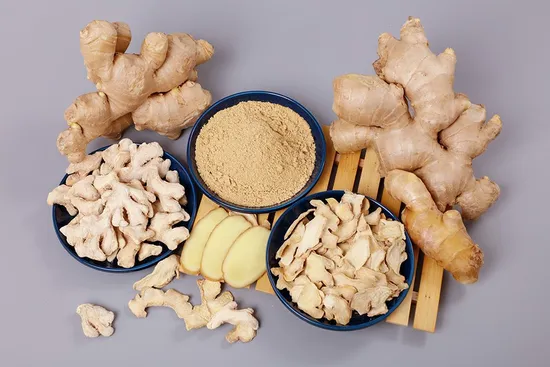
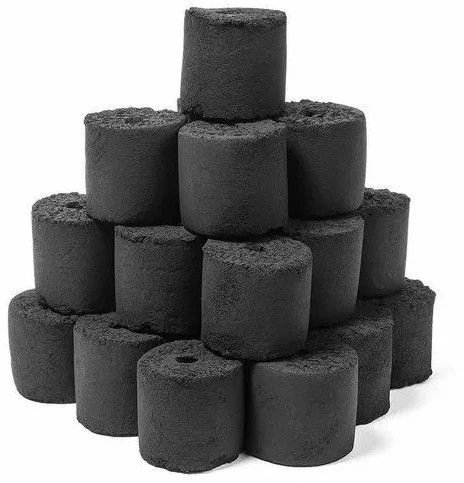
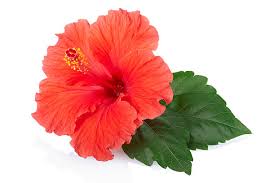
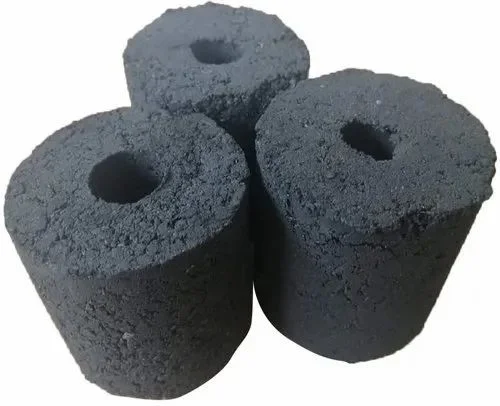
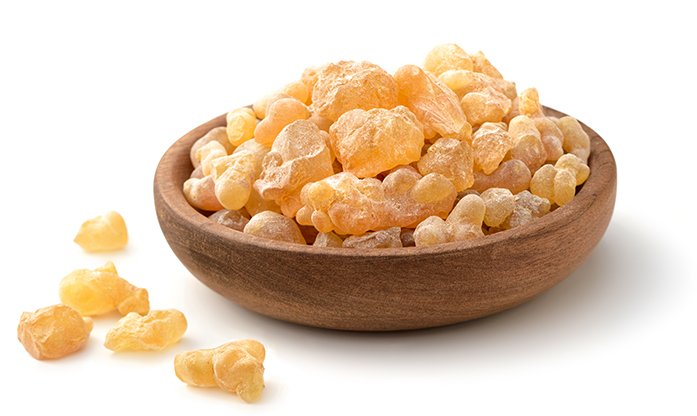
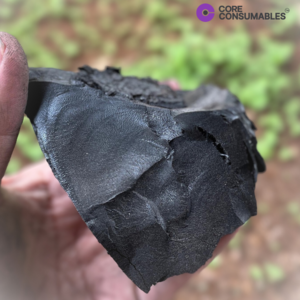
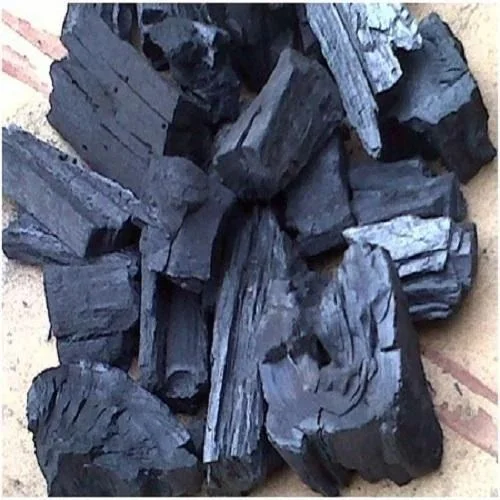
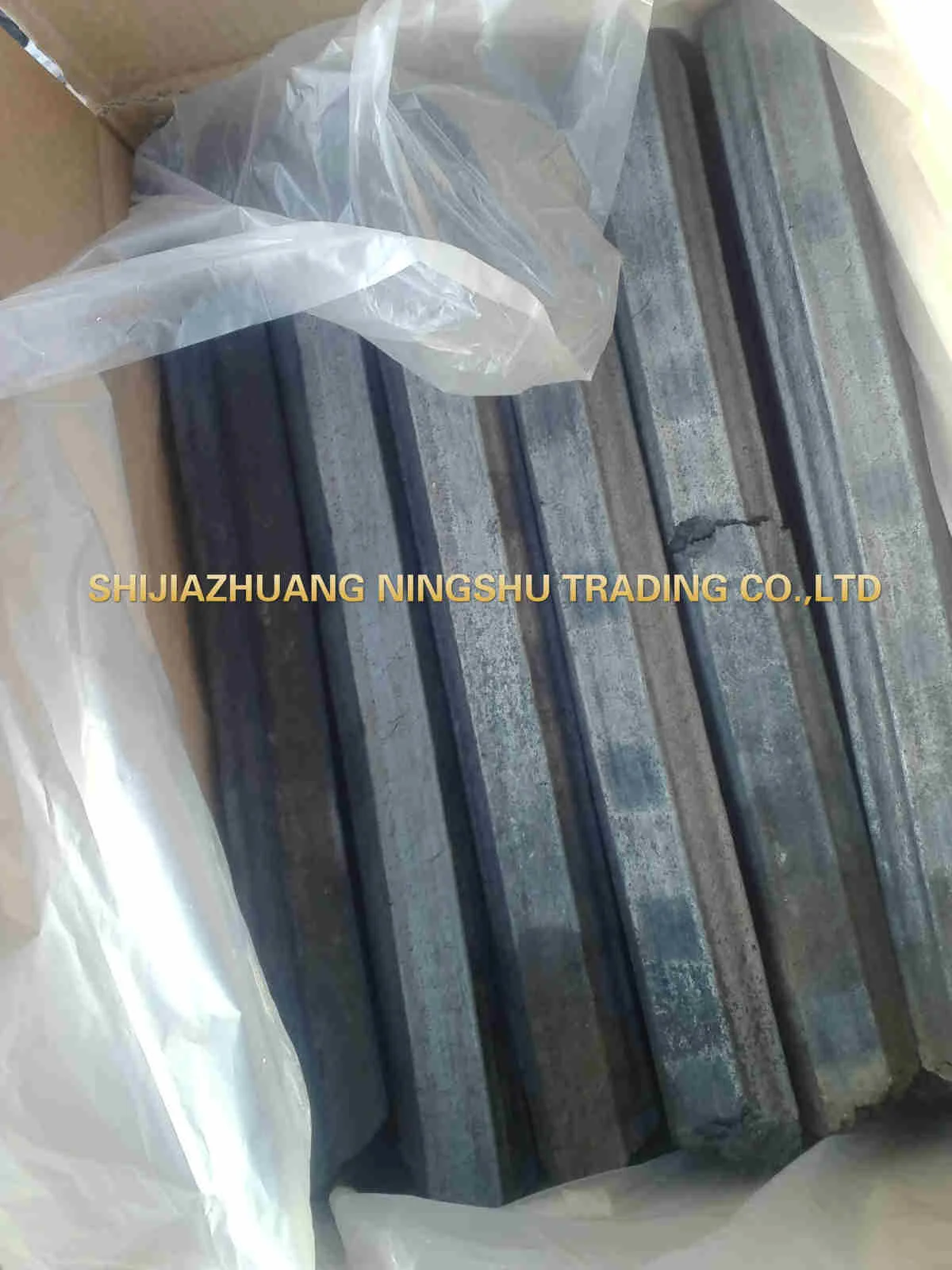
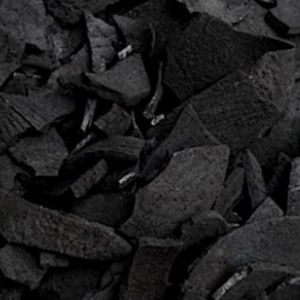
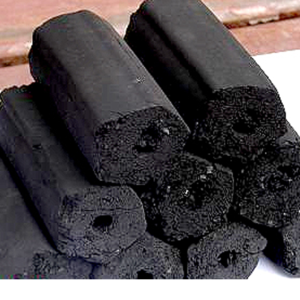
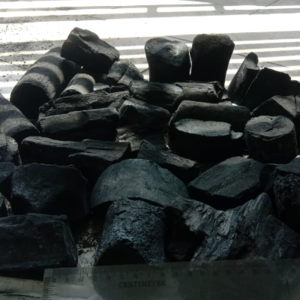
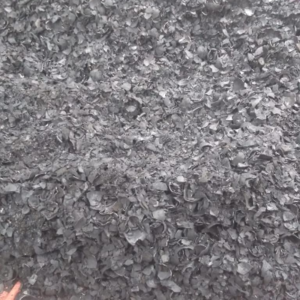
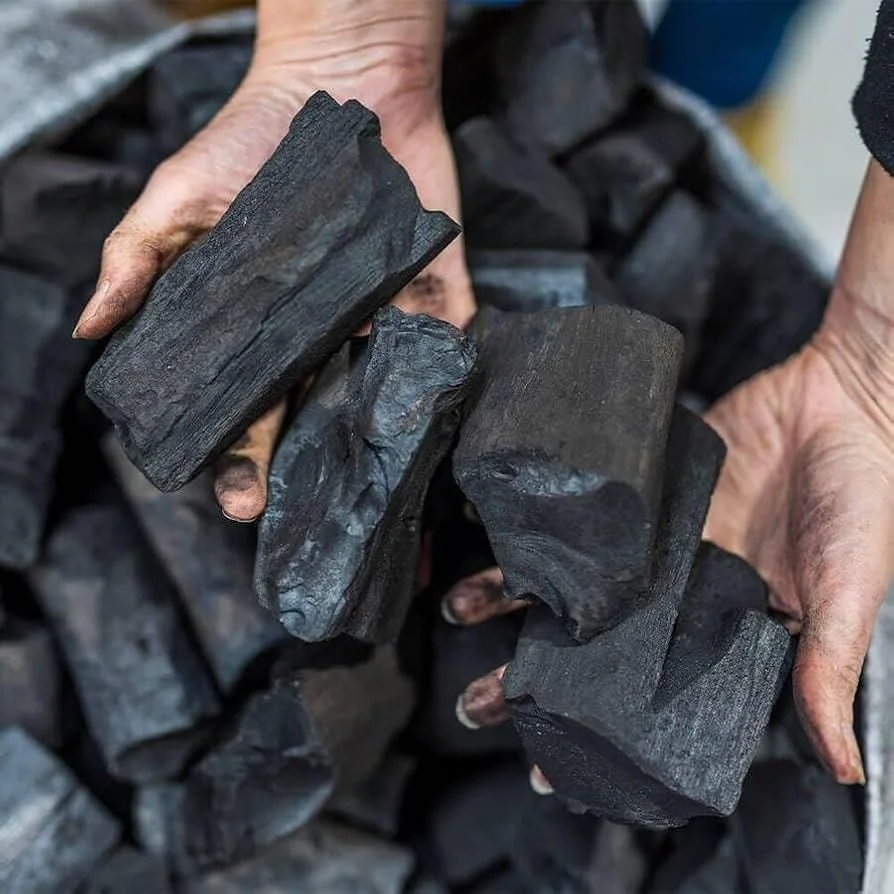
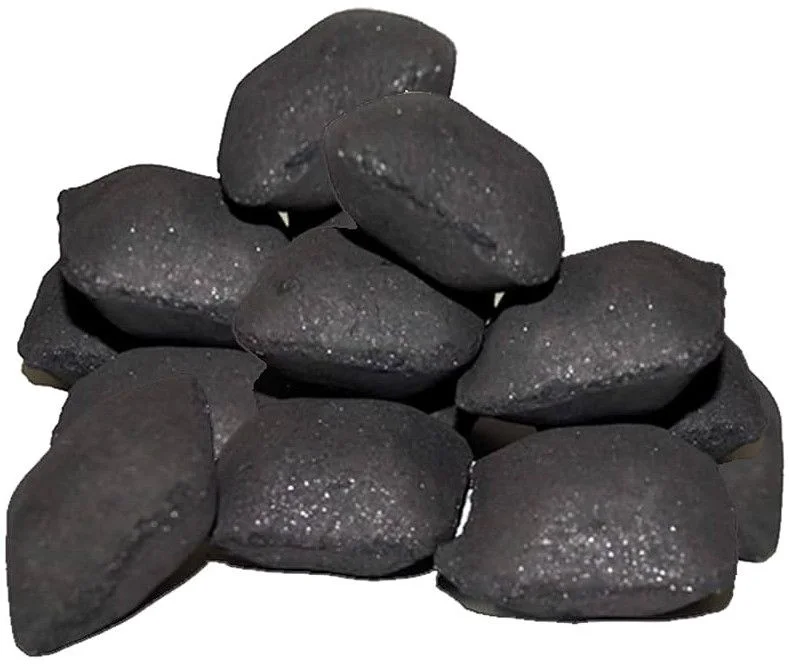
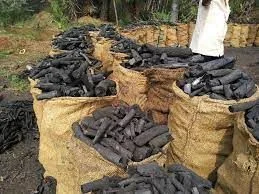
Same-Mary International Ltd operates out of Nigeria in West Africa and currently lists seven active products in its online catalogue. The catalogue includes two charcoal grades - BBQ Charcoal and Restaurant Charcoal - both classified under the wood‑charcoal HS chapter 44. It also offers Fresh Ginger and Dried Split Ginger, which fall under HS chapter 09 for fresh and dried tubers, respectively. Two hibiscus products are present: Fine Cut (Hibiscus) and Dried Hibiscus Flower, both covered by HS chapter 06 for dried flowers. The sole product with a specific HS code is Gum Arabic, recorded under HS code 1301.20 and described as natural gum sourced from Acacia senegal and Acacia seyal trees. The total of seven items reflects a focused portfolio across charcoal, ginger, hibiscus and gum Arabic categories.
Product Range and Specialties of Same-Mary International Ltd
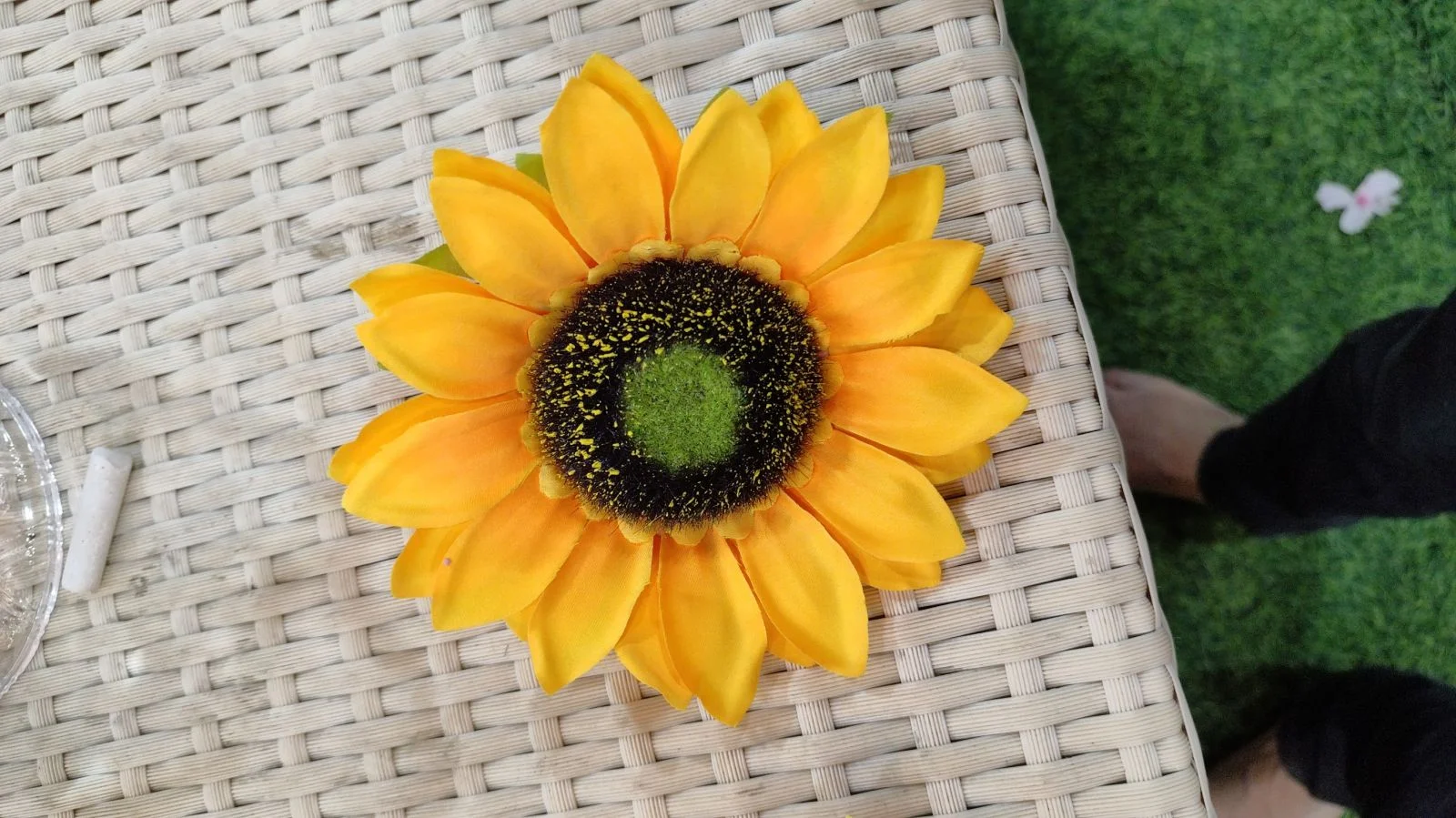
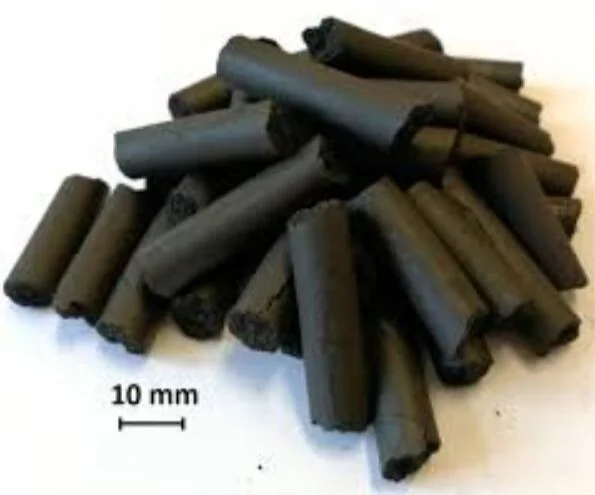
The catalogue shows BBQ Charcoal and Restaurant Charcoal, which in the industry are typically produced with moisture below 10 % and ash content under 5 %, sized between 10 mm and 20 mm for steady burn. Fresh Ginger is usually marketed in 2 kg or 5 kg net packs, while Dried Split Ginger is dried to a moisture level of 10‑12 % and often supplied in 25 kg jute bags. Hibiscus products such as Fine Cut and Dried Flower are graded by particle size (fine cut ≤2 mm) and colour intensity, with commercial grades requiring a minimum of 85 % dry matter. Gum Arabic is commonly exported with a purity exceeding 90 %, moisture under 15 %, and packaged in 25 kg or 50 kg poly‑propylene bags, matching the HS 1301.20 specification.
Trade and Export Information - Same-Mary International Ltd
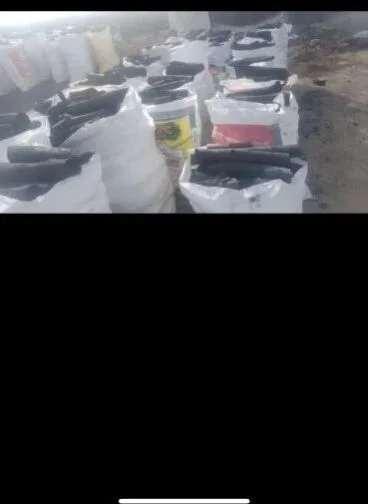
Nigeria exports charcoal primarily to European and Middle‑Eastern markets where industrial and culinary demand drives imports, with standard shipping in 20 ft or 40 ft containers using CIF terms. Ginger from Nigeria is sourced by Asian food processors and European spice distributors; phytosanitary certificates and residue testing are routinely required under HS chapter 09. Hibiscus flowers are popular in the beverage and cosmetics sectors of the United States and Europe, and buyers often request ISO 9001 quality management certification and a certificate of analysis confirming colour and moisture levels. Gum Arabic, classified under HS 1301.20, is a key ingredient for food emulsifiers and pharmaceutical binders; major importers include the EU and North America, and the product typically carries a COA, a phytosanitary certificate, and may need to meet FDA Food Additive regulations. Nigerian exporters generally use ocean freight with standard 20 ft containers for gum Arabic and bulk bag shipments for charcoal, and they align with the West African Export Promotion Council’s guidelines for documentation and customs clearance.
Sourcing from Same-Mary International Ltd - Buyer Guidance
When sourcing charcoal from Same-Mary International Ltd, buyers should request a recent moisture and ash analysis report, as well as a sample batch to verify size uniformity and burn rate. For ginger products, a phytosanitary certificate, pesticide residue test results, and a moisture content report (target 10‑12 % for dried ginger) are standard verification documents. Hibiscus buyers should ask for a colour intensity test, a moisture content statement (typically ≤12 %), and a sample of the fine‑cut material to assess particle size distribution. For gum Arabic, request a Certificate of Analysis showing purity (≥90 %), moisture (<15 %), and a specification sheet referencing HS 1301.20; a recent phytosanitary certificate and, where applicable, an FDA Food Additive compliance letter are advisable. Verifying these documents before confirming order quantities helps ensure that the supplied goods meet the typical industry specifications for each commodity.
Frequently Asked Questions About Same-Mary International Ltd
What charcoal grades does Same-Mary International Ltd provide?
The supplier lists BBQ Charcoal and Restaurant Charcoal, both classified under HS chapter 44 and typically produced with moisture below 10 % and ash content under 5 %.
In what packaging are the ginger products supplied?
Fresh Ginger is usually packed in 2 kg or 5 kg net bags, while Dried Split Ginger is commonly shipped in 25 kg jute bags with moisture content around 10‑12 %.
What are the typical quality parameters for the hibiscus products?
Fine Cut Hibiscus is graded to a particle size of 2 mm or less, and Dried Hibiscus Flower must contain at least 85 % dry matter; colour intensity and moisture (≤12 %) are also standard quality checks.
Which HS code applies to Gum Arabic from Same-Mary International Ltd?
Gum Arabic is listed with HS code 1301.20 and is described as natural gum sourced from Acacia senegal and Acacia seyal trees.
What certifications or documents should a buyer request for gum Arabic?
Buyers should ask for a Certificate of Analysis showing purity above 90 %, moisture below 15 %, a phytosanitary certificate, and, if required by the destination market, an FDA Food Additive compliance letter.
What typical container size is used for shipping charcoal?
Charcoal is generally loaded in standard 20 ft or 40 ft containers, with bulk packaging that complies with HS chapter 44 export regulations.
Are phytosanitary certificates required for the hibiscus and ginger shipments?
Yes, both hibiscus flowers and ginger products normally require phytosanitary certificates to satisfy import regulations in Europe, the United States and Asian markets.
What is the usual lead time for a sample of gum Arabic?
Suppliers in Nigeria typically provide a 5‑7 day lead time for a 1 kg sample of gum Arabic, accompanied by a COA and the HS 1301.20 specification sheet.




 , Nigeria