Sahanis Impex Hub — Verified Supplier

About Sahanis Impex Hub - Soybean Meal Supplier in India

India hosts Sahanis Impex Hub with an active catalogue of 18 listed products. The supplier’s portfolio spans major agricultural commodities such as Soybean Meal, Alfalfa Hay, Fresh Onion, Basmati Rice, Rice Bran, Sunflower Seed, Raisins and conventional Soybean. The listed items fall under HS chapter 07 for fresh vegetables (e.g., Fresh Onions), chapter 10 for cereals and millets (e.g., Basmati Rice HS 1006.30, Barley Seeds HS 1003.10, Non‑Basmati Rice, Millet Bajra), and chapter 12 for oilseeds and pulses (e.g., Soybean Meal, Sunflower Seeds, Rapeseed Meal, Groundnut Meal).

The catalogue includes both conventional and organic lines, such as Organic Soybean and Organic Soybean Meal, as well as value‑added forms like Alfalfa Pellets and Turmeric. Products are described by their botanical material - for example, Basmati Rice is listed as Oryza sativa L. (Basmati variety) and Barley Seeds as Hordeum vulgare raw seed. The range further covers niche seeds like Niger Seeds, Indian Yellow Maize, and processed by‑products such as Rice Bran, catering to feed, food and industrial applications.

Product Range and Specialties of Sahanis Impex Hub

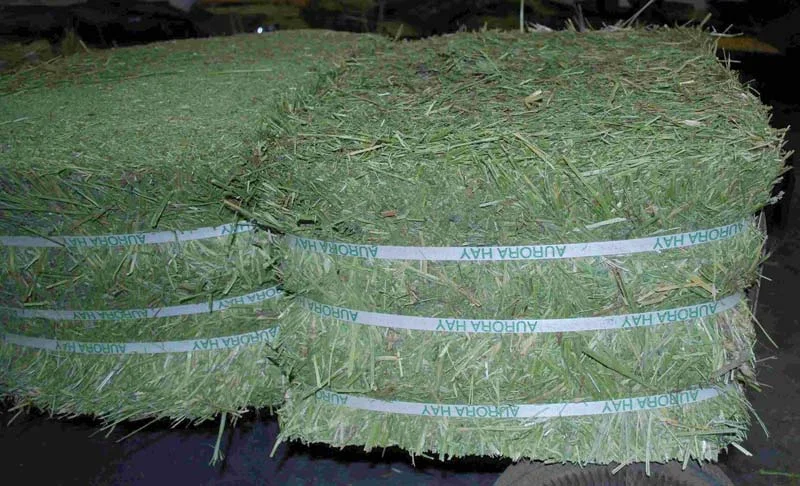
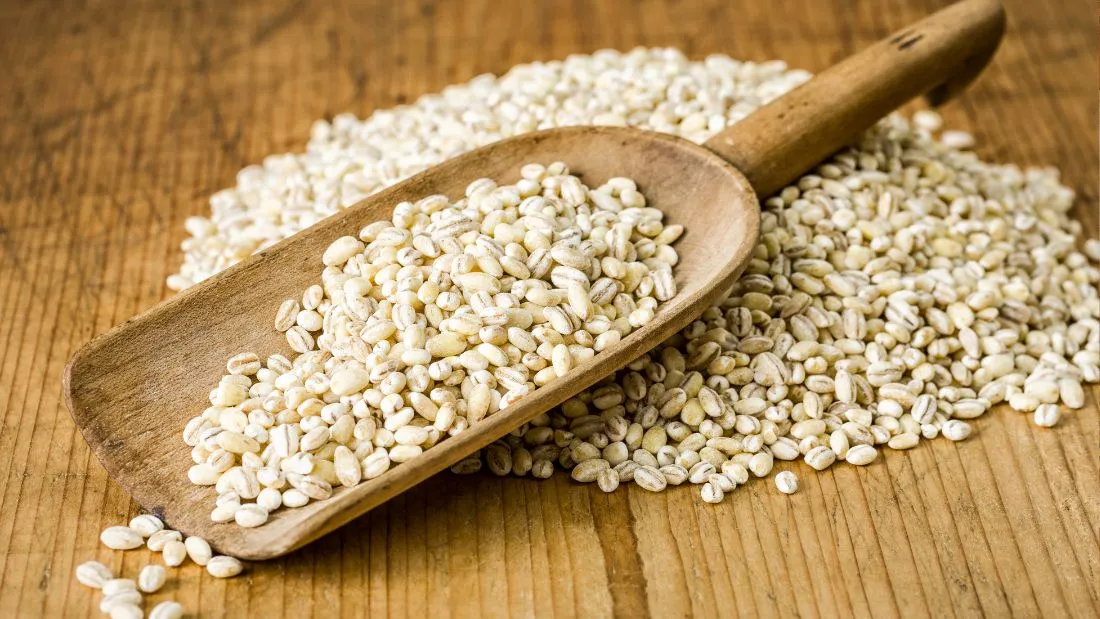
The listed catalogue comprises Fresh Onions, Basmati and Non‑Basmati Rice, Barley Seeds (HS 1003.10), Millet (Bajra), Niger Seeds, Rice Bran, Soybean Meal, Organic Soybean Meal, Sunflower Seeds, Rapeseed Meal, Groundnut Meal, Indian Yellow Maize, Alfalfa Hay, Alfalfa Pellets, Raisins, Turmeric and Organic Soybean. In the Indian export market, Basmati rice is commonly graded by kernel length (extra‑long > 7 mm), moisture ≤ 13 %, and husk removal rate ≥ 99 %. Soybean meal typically carries 44‑48 % crude protein and 6‑7 % ash, with moisture ≤ 12 %. Barley seeds for feed are evaluated on germination ≥ 85 % and moisture ≤ 13 %. Sunflower seeds are sorted by oil content (≈ 48 %) and hull‑to‑kernel ratio. Organic variants must meet the National Programme for Organic Production (NPOP) standards, which align with Codex Alimentarius organic criteria.

Trade and Export Information - Sahanis Impex Hub

India is a major exporter of cereals, oilseeds and feed ingredients. Basmati and other rice varieties are largely shipped to the Middle East, Southeast Asia and the EU, while soybean meal, sunflower and rapeseed meals serve feed manufacturers in Africa, South‑East Asia and Latin America. Export shipments typically use 20‑ft or 40‑ft containers for bulk grain (e.g., rice, barley, millet) and bulk bags (≈ 1 ton) for meals and seeds. Commonly required documentation includes a phytosanitary certificate, certificate of origin, and where applicable an organic certification (NPOP). Buyers often request ISO 22000 or FSSAI compliance certificates and a Certificate of Analysis (CoA) referencing Codex standards. HS chapter 10 (e.g., 1006.30 for Basmati Rice) and chapter 12 (e.g., 1206 for Soybean Meal) are the primary tariff lines, and customs inspections frequently verify moisture and pesticide residue limits set by the importing country’s regulations.

Sourcing from Sahanis Impex Hub - Buyer Guidance

When sourcing from Sahanis Impex Hub, request a recent Certificate of Analysis that lists moisture, protein, ash, oil content and any pesticide residue results for each batch. For organic products, ask for the NPOP organic certification and a traceability statement confirming no prohibited substances were used. Verify the HS code on the commercial invoice matches the product (e.g., 1006.30 for Basmati Rice, 1003.10 for Barley Seeds) and confirm packaging specifications such as 20‑ft container load or 1‑ton bulk bags. Prior to finalizing an order, obtain a phytosanitary certificate and, where required by the destination, a Halal or Kosher declaration for food‑grade items.

Frequently Asked Questions About Sahanis Impex Hub

Which HS codes are used for the rice and barley products listed by Sahanis Impex Hub?

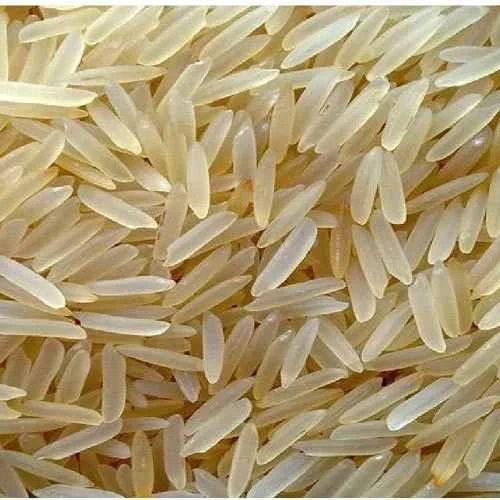
Basmati Rice is classified under HS 1006.30, while Barley Seeds are listed under HS 1003.10. Both fall within HS chapter 10, which covers cereals and milled grain.

What quality specifications are typical for Indian Basmati rice exports?

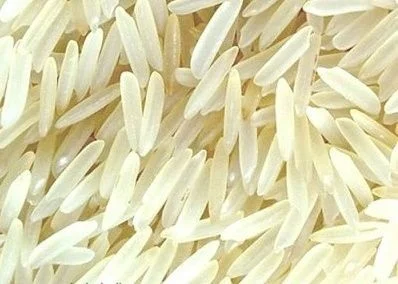
Export‑grade Basmati rice generally has an extra‑long kernel length (> 7 mm), moisture content of ≤ 13 %, and a husk removal rate of ≥ 99 %. Physical purity and broken grain percentages are also monitored.

Which certifications should a buyer request for the organic soybean products?

Buyers should request the National Programme for Organic Production (NPOP) certificate, a recent Certificate of Analysis, and any relevant ISO 22000 or FSSAI compliance documents.

What packaging formats are commonly used for bulk seeds such as barley and millet?

Bulk seeds are usually packed in 1‑ton polypropylene bulk bags or loaded directly into 20‑ft/40‑ft containers as loose cargo. Bags are typically sealed with a liner to protect against moisture.

What is the typical lead time for shipping fresh onions from India?

Fresh onions are generally dispatched within 7‑14 days after order confirmation, depending on seasonal availability and required phytosanitary clearance.

Which regions most frequently import Indian alfalfa hay and pellets?

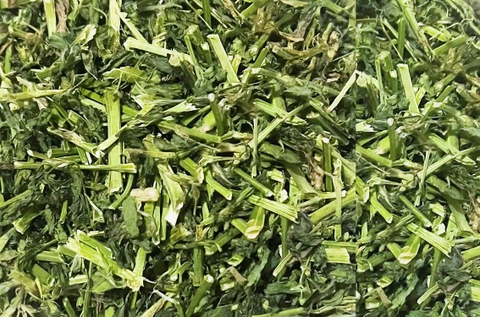
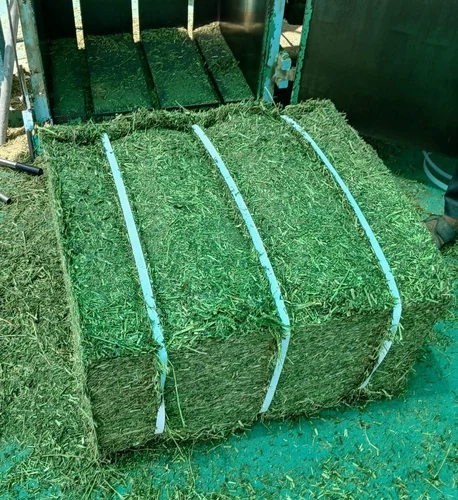
Alfalfa hay and pellets are commonly shipped to the Middle East, North Africa and South‑East Asian feed markets, where livestock production drives demand.

How can a buyer obtain a phytosanitary certificate for the soybean meal?

The supplier must arrange inspection by the Indian Plant Quarantine authority, which issues the phytosanitary certificate confirming the shipment is free from quarantine pests and complies with the importing country’s regulations.

What are the standard moisture limits for rice bran and soybean meal in international trade?

Rice bran typically must not exceed 12 % moisture, while soybean meal is usually limited to 12‑13 % moisture to meet most importing countries’ quality and storage standards.

Featured Products from this Supplier

Other Suppliers in Primary Category

Top Trusted Suppliers

Related Products

Trending in Parent Category

More Suppliers in Category

Related Products

Other Suppliers

EximNext
58.4K+ live requirements
Register Free🎁 5 free buy-lead credits
Post Requirement
🌍 Trusted by 224.4K+ businesses in 200+ countries|
58.4K+ active requirements right now
✉️ [email protected]
|
Sell on EximNextPost Requirement
EximNext
AgricultureApparelConstructionElectronicFoodHomeIndustrialMineralsMiscellaneous
🔥 Deals|✨ AI Match|🏭 Suppliers|📋 Buy Leads|💰 Trade Finance|⭐ Upgrade
58.4K+ live RFQs·194.4K+ suppliers
🎁 5 free credits →
EximNext
EximNext
Register Free
🎁 5 free buy-lead credits
Sign In
📋Post Requirement💬Get QuotesAI Match📋RFQ Marketplace
All Categories
Services & Tools
🏭Supplier Directory🔥Today's Deals💰Trade FinanceMembership
Sell on EximNext
AboutContactBlogHelp
🏭

Sahanis Impex Hub

Harbor
Country flag , India
🛡️
77/100
Trust Score

Sahanis Impex Hub Product Catalog

Showing 12 of 18 products
View all products →
Indian Yellow Maize
Harbor
Indian Yellow Maize
Contact
MOQ: 1 Unit
Groundnut Meal
Harbor
Groundnut Meal
Contact
MOQ: 1 Unit
Rapeseed Meal
Harbor
Rapeseed Meal
Contact
MOQ: 1 Unit
Alfalfa Pellets
Harbor
Alfalfa Pellets
Contact
MOQ: 1 Unit
Alfalfa Hay
Harbor
Alfalfa Hay
Contact
MOQ: 1 Unit
Turmeric
Harbor
Turmeric
Contact
MOQ: 1 Unit
Organic Soybean Meal
Harbor
Organic Soybean Meal
Contact
MOQ: 1 Unit
Non-Basmati Rice
Harbor
Non-Basmati Rice
Contact
MOQ: 1 Unit
Niger Seeds
Harbor
Niger Seeds
Contact
MOQ: 1 Unit
Millet Seeds(Bajra)
Harbor
Millet Seeds(Bajra)
Contact
MOQ: 1 Unit
Barley Seeds
Harbor
Barley Seeds
Contact
MOQ: 1 Unit
Organic Soybean
Harbor
Organic Soybean
Contact
MOQ: 1 Unit

About Sahanis Impex Hub - Soybean Meal Supplier in India

India hosts Sahanis Impex Hub with an active catalogue of 18 listed products. The supplier’s portfolio spans major agricultural commodities such as Soybean Meal, Alfalfa Hay, Fresh Onion, Basmati Rice, Rice Bran, Sunflower Seed, Raisins and conventional Soybean. The listed items fall under HS chapter 07 for fresh vegetables (e.g., Fresh Onions), chapter 10 for cereals and millets (e.g., Basmati Rice HS 1006.30, Barley Seeds HS 1003.10, Non‑Basmati Rice, Millet Bajra), and chapter 12 for oilseeds and pulses (e.g., Soybean Meal, Sunflower Seeds, Rapeseed Meal, Groundnut Meal).

The catalogue includes both conventional and organic lines, such as Organic Soybean and Organic Soybean Meal, as well as value‑added forms like Alfalfa Pellets and Turmeric. Products are described by their botanical material - for example, Basmati Rice is listed as Oryza sativa L. (Basmati variety) and Barley Seeds as Hordeum vulgare raw seed. The range further covers niche seeds like Niger Seeds, Indian Yellow Maize, and processed by‑products such as Rice Bran, catering to feed, food and industrial applications.

Product Range and Specialties of Sahanis Impex Hub

The listed catalogue comprises Fresh Onions, Basmati and Non‑Basmati Rice, Barley Seeds (HS 1003.10), Millet (Bajra), Niger Seeds, Rice Bran, Soybean Meal, Organic Soybean Meal, Sunflower Seeds, Rapeseed Meal, Groundnut Meal, Indian Yellow Maize, Alfalfa Hay, Alfalfa Pellets, Raisins, Turmeric and Organic Soybean. In the Indian export market, Basmati rice is commonly graded by kernel length (extra‑long > 7 mm), moisture ≤ 13 %, and husk removal rate ≥ 99 %. Soybean meal typically carries 44‑48 % crude protein and 6‑7 % ash, with moisture ≤ 12 %. Barley seeds for feed are evaluated on germination ≥ 85 % and moisture ≤ 13 %. Sunflower seeds are sorted by oil content (≈ 48 %) and hull‑to‑kernel ratio. Organic variants must meet the National Programme for Organic Production (NPOP) standards, which align with Codex Alimentarius organic criteria.

Trade and Export Information - Sahanis Impex Hub

India is a major exporter of cereals, oilseeds and feed ingredients. Basmati and other rice varieties are largely shipped to the Middle East, Southeast Asia and the EU, while soybean meal, sunflower and rapeseed meals serve feed manufacturers in Africa, South‑East Asia and Latin America. Export shipments typically use 20‑ft or 40‑ft containers for bulk grain (e.g., rice, barley, millet) and bulk bags (≈ 1 ton) for meals and seeds. Commonly required documentation includes a phytosanitary certificate, certificate of origin, and where applicable an organic certification (NPOP). Buyers often request ISO 22000 or FSSAI compliance certificates and a Certificate of Analysis (CoA) referencing Codex standards. HS chapter 10 (e.g., 1006.30 for Basmati Rice) and chapter 12 (e.g., 1206 for Soybean Meal) are the primary tariff lines, and customs inspections frequently verify moisture and pesticide residue limits set by the importing country’s regulations.

Sourcing from Sahanis Impex Hub - Buyer Guidance

When sourcing from Sahanis Impex Hub, request a recent Certificate of Analysis that lists moisture, protein, ash, oil content and any pesticide residue results for each batch. For organic products, ask for the NPOP organic certification and a traceability statement confirming no prohibited substances were used. Verify the HS code on the commercial invoice matches the product (e.g., 1006.30 for Basmati Rice, 1003.10 for Barley Seeds) and confirm packaging specifications such as 20‑ft container load or 1‑ton bulk bags. Prior to finalizing an order, obtain a phytosanitary certificate and, where required by the destination, a Halal or Kosher declaration for food‑grade items.

Frequently Asked Questions About Sahanis Impex Hub

Which HS codes are used for the rice and barley products listed by Sahanis Impex Hub?

Basmati Rice is classified under HS 1006.30, while Barley Seeds are listed under HS 1003.10. Both fall within HS chapter 10, which covers cereals and milled grain.

What quality specifications are typical for Indian Basmati rice exports?

Export‑grade Basmati rice generally has an extra‑long kernel length (> 7 mm), moisture content of ≤ 13 %, and a husk removal rate of ≥ 99 %. Physical purity and broken grain percentages are also monitored.

Which certifications should a buyer request for the organic soybean products?

Buyers should request the National Programme for Organic Production (NPOP) certificate, a recent Certificate of Analysis, and any relevant ISO 22000 or FSSAI compliance documents.

What packaging formats are commonly used for bulk seeds such as barley and millet?

Bulk seeds are usually packed in 1‑ton polypropylene bulk bags or loaded directly into 20‑ft/40‑ft containers as loose cargo. Bags are typically sealed with a liner to protect against moisture.

What is the typical lead time for shipping fresh onions from India?

Fresh onions are generally dispatched within 7‑14 days after order confirmation, depending on seasonal availability and required phytosanitary clearance.

Which regions most frequently import Indian alfalfa hay and pellets?

Alfalfa hay and pellets are commonly shipped to the Middle East, North Africa and South‑East Asian feed markets, where livestock production drives demand.

How can a buyer obtain a phytosanitary certificate for the soybean meal?

The supplier must arrange inspection by the Indian Plant Quarantine authority, which issues the phytosanitary certificate confirming the shipment is free from quarantine pests and complies with the importing country’s regulations.

What are the standard moisture limits for rice bran and soybean meal in international trade?

Rice bran typically must not exceed 12 % moisture, while soybean meal is usually limited to 12‑13 % moisture to meet most importing countries’ quality and storage standards.

About Sahanis Impex Hub - Soybean Meal Supplier in India

India hosts Sahanis Impex Hub with an active catalogue of 18 listed products. The supplier’s portfolio spans major agricultural commodities such as Soybean Meal, Alfalfa Hay, Fresh Onion, Basmati Rice, Rice Bran, Sunflower Seed, Raisins and conventional Soybean. The listed items fall under HS chapter 07 for fresh vegetables (e.g., Fresh Onions), chapter 10 for cereals and millets (e.g., Basmati Rice HS 1006.30, Barley Seeds HS 1003.10, Non‑Basmati Rice, Millet Bajra), and chapter 12 for oilseeds and pulses (e.g., Soybean Meal, Sunflower Seeds, Rapeseed Meal, Groundnut Meal).

The catalogue includes both conventional and organic lines, such as Organic Soybean and Organic Soybean Meal, as well as value‑added forms like Alfalfa Pellets and Turmeric. Products are described by their botanical material - for example, Basmati Rice is listed as Oryza sativa L. (Basmati variety) and Barley Seeds as Hordeum vulgare raw seed. The range further covers niche seeds like Niger Seeds, Indian Yellow Maize, and processed by‑products such as Rice Bran, catering to feed, food and industrial applications.

Product Range and Specialties of Sahanis Impex Hub

The listed catalogue comprises Fresh Onions, Basmati and Non‑Basmati Rice, Barley Seeds (HS 1003.10), Millet (Bajra), Niger Seeds, Rice Bran, Soybean Meal, Organic Soybean Meal, Sunflower Seeds, Rapeseed Meal, Groundnut Meal, Indian Yellow Maize, Alfalfa Hay, Alfalfa Pellets, Raisins, Turmeric and Organic Soybean. In the Indian export market, Basmati rice is commonly graded by kernel length (extra‑long > 7 mm), moisture ≤ 13 %, and husk removal rate ≥ 99 %. Soybean meal typically carries 44‑48 % crude protein and 6‑7 % ash, with moisture ≤ 12 %. Barley seeds for feed are evaluated on germination ≥ 85 % and moisture ≤ 13 %. Sunflower seeds are sorted by oil content (≈ 48 %) and hull‑to‑kernel ratio. Organic variants must meet the National Programme for Organic Production (NPOP) standards, which align with Codex Alimentarius organic criteria.

Trade and Export Information - Sahanis Impex Hub

India is a major exporter of cereals, oilseeds and feed ingredients. Basmati and other rice varieties are largely shipped to the Middle East, Southeast Asia and the EU, while soybean meal, sunflower and rapeseed meals serve feed manufacturers in Africa, South‑East Asia and Latin America. Export shipments typically use 20‑ft or 40‑ft containers for bulk grain (e.g., rice, barley, millet) and bulk bags (≈ 1 ton) for meals and seeds. Commonly required documentation includes a phytosanitary certificate, certificate of origin, and where applicable an organic certification (NPOP). Buyers often request ISO 22000 or FSSAI compliance certificates and a Certificate of Analysis (CoA) referencing Codex standards. HS chapter 10 (e.g., 1006.30 for Basmati Rice) and chapter 12 (e.g., 1206 for Soybean Meal) are the primary tariff lines, and customs inspections frequently verify moisture and pesticide residue limits set by the importing country’s regulations.

Sourcing from Sahanis Impex Hub - Buyer Guidance

When sourcing from Sahanis Impex Hub, request a recent Certificate of Analysis that lists moisture, protein, ash, oil content and any pesticide residue results for each batch. For organic products, ask for the NPOP organic certification and a traceability statement confirming no prohibited substances were used. Verify the HS code on the commercial invoice matches the product (e.g., 1006.30 for Basmati Rice, 1003.10 for Barley Seeds) and confirm packaging specifications such as 20‑ft container load or 1‑ton bulk bags. Prior to finalizing an order, obtain a phytosanitary certificate and, where required by the destination, a Halal or Kosher declaration for food‑grade items.

Frequently Asked Questions About Sahanis Impex Hub
Which HS codes are used for the rice and barley products listed by Sahanis Impex Hub?
Basmati Rice is classified under HS 1006.30, while Barley Seeds are listed under HS 1003.10. Both fall within HS chapter 10, which covers cereals and milled grain.
What quality specifications are typical for Indian Basmati rice exports?
Export‑grade Basmati rice generally has an extra‑long kernel length (> 7 mm), moisture content of ≤ 13 %, and a husk removal rate of ≥ 99 %. Physical purity and broken grain percentages are also monitored.
Which certifications should a buyer request for the organic soybean products?
Buyers should request the National Programme for Organic Production (NPOP) certificate, a recent Certificate of Analysis, and any relevant ISO 22000 or FSSAI compliance documents.
What packaging formats are commonly used for bulk seeds such as barley and millet?
Bulk seeds are usually packed in 1‑ton polypropylene bulk bags or loaded directly into 20‑ft/40‑ft containers as loose cargo. Bags are typically sealed with a liner to protect against moisture.
What is the typical lead time for shipping fresh onions from India?
Fresh onions are generally dispatched within 7‑14 days after order confirmation, depending on seasonal availability and required phytosanitary clearance.
Which regions most frequently import Indian alfalfa hay and pellets?
Alfalfa hay and pellets are commonly shipped to the Middle East, North Africa and South‑East Asian feed markets, where livestock production drives demand.
How can a buyer obtain a phytosanitary certificate for the soybean meal?
The supplier must arrange inspection by the Indian Plant Quarantine authority, which issues the phytosanitary certificate confirming the shipment is free from quarantine pests and complies with the importing country’s regulations.
What are the standard moisture limits for rice bran and soybean meal in international trade?
Rice bran typically must not exceed 12 % moisture, while soybean meal is usually limited to 12‑13 % moisture to meet most importing countries’ quality and storage standards.

🏭
Sahanis Impex Hub
Country flag , India
Harbor
77/100
Trust Score
📦
18
Products
Free to contact — no commission
Escrow payment available
Verified business identity
Compare more suppliers
Post a requirement — get 10 quotes free
Let verified suppliers compete for your business. Free, fast, no commitment.
EximNext Verified Supplier
Business identity verified
Physical address confirmed
Financial history checked
Certifications authenticated
Trade references validated
Due Diligence
Verify this supplier's real shipping history.
Every shipment, every buyer, every port. Trade data that can't be faked.
Run due diligence →
Discover More

Related Suppliers & Products

Explore similar suppliers, related products and trending categories

Featured Products from this Supplier

Other Suppliers in Primary Category

Top Trusted Suppliers

Related Products

Trending in Parent Category

More Suppliers in Category

Stay ahead in global trade
Weekly market insights & new supplier alerts.
EximNext
Exim Next is a leading global B2B marketplace, connecting over 205,000 verified suppliers and buyers across 200+ countries. As a trusted import export marketplace, it serves as the essential B2B portal for businesses worldwide, empowering them to expand their international reach. With Exim Next, businesses can trade smarter and grow faster.
SECURE PAYMENTS
VISAMastercardPayPalSWIFTL/CEscrow
Follow us
© 2026 EximNext