Saar Food — Verified Supplier
About Saar Food - Rice Supplier in India
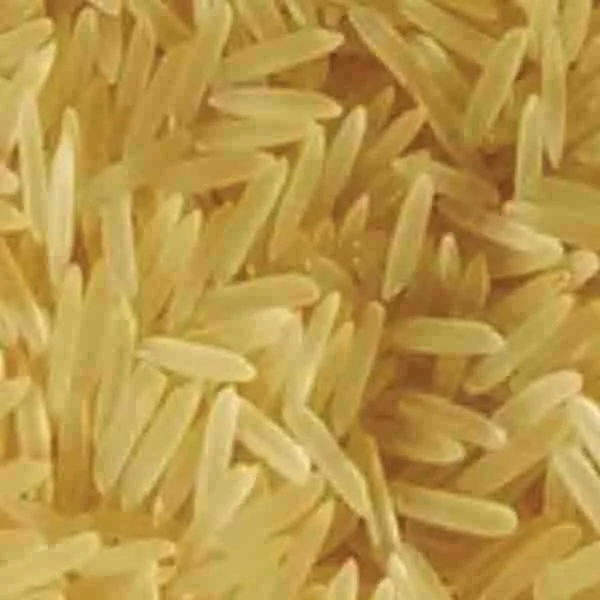
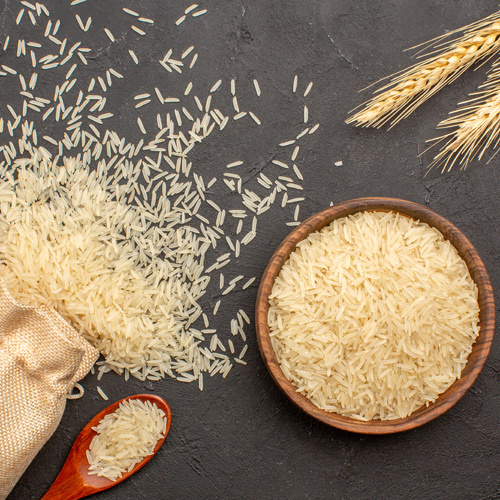
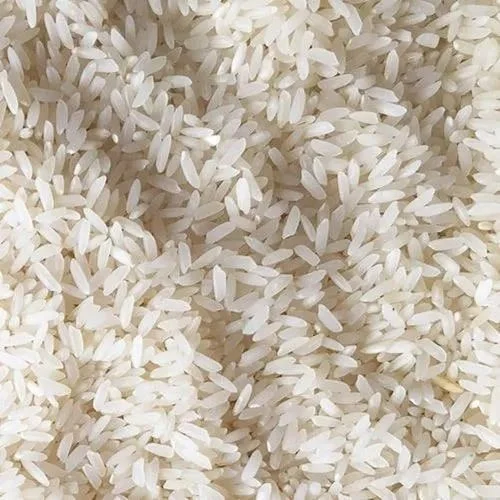
India is the origin country for Saar Food, which lists ten active rice products in its catalogue. The product set includes several Basmati varieties such as 1121 Steam Basmati, 1121 Creamy Sella, and Traditional Basmati, as well as non‑Basmati lines like Ir‑64 Long Grain White and Sona Masoori Steam Rice. Three of the listed items - 1121 Steam Basmati, 1121 XXL White Raw Basmati and Traditional Basmati - are recorded with HS code 1006.30 and identified as polished long‑grain milled rice (Oryza sativa L.). The remaining items are described by variety only, covering both milled and parboiled forms. The catalogue therefore spans both aromatic Basmati grades and standard long‑grain rice categories.
Product Range and Specialties of Saar Food
Saar Food’s catalogue covers the main sub‑segments of Indian rice trade: premium aromatic Basmati (1121 type), parboiled Sella Basmati, standard long‑grain varieties (Ir‑64) and medium‑grain Sona Masoori. In international markets Basmati 1121 is commonly graded by kernel length (≥7 mm), aroma intensity, moisture content of 12‑14 % and broken rice below 5 %. Sella Basmati, which undergoes parboiling, is typically evaluated for gelatinisation resistance, colour (L* value) and a broken ratio under 7 %. Non‑Basmati long‑grain rice is usually specified with moisture 13‑14 % and a bulk density around 0.78 g/cm³. Export shipments are normally packed in 25 kg polypropylene or jute bags; a 20‑ft container can accommodate roughly 800 bags (≈20 tonnes).
Trade and Export Information - Saar Food
Indian rice exporters primarily ship to the Middle East, GCC states, the European Union, the United States and Southeast Asian markets. The HS‑code 1006.30 used for the milled Basmati entries falls under Chapter 1006 for rice, which triggers standard customs duties and may require a phytosanitary certificate and a certificate of origin. Buyers usually request food‑safety certifications such as ISO 22000, HACCP or India’s FSSAI licence, although the supplier’s specific holdings are not listed. Common Incoterms are FOB from ports like Mumbai or Chennai, with CIF options for Gulf ports. Indian rice export logistics rely on containerisation; a 40‑ft container can hold about 1 600 kg of 25 kg bags, and freight forwarding typically includes a pre‑shipped inspection report.
Sourcing from Saar Food - Buyer Guidance
When sourcing rice from Saar Food, buyers should request a recent Certificate of Analysis covering moisture, broken rice percentage, aroma index and pesticide residue limits. A phytosanitary certificate and a certificate of origin are standard documents for customs clearance. Samples of 5‑10 kg are customary for laboratory verification of grain length, aroma profile and cooking quality before placing a full order. Verify that the supplier can provide ISO 22000 or HACCP audit reports if required by the buyer’s market. Typical minimum order quantities for Indian rice range from 5 tonnes to a full container load, with lead times of 30‑45 days after order confirmation.
Frequently Asked Questions About Saar Food
What rice varieties does Saar Food list in its catalogue?
Saar Food lists ten rice products, including 1121 Steam Basmati, 1121 Creamy Sella, 1121 Golden Sella, 1121 XXL White Raw Basmati, Pusa White Sella, Pusa Golden Sella, Traditional Basmati, Ir‑64 Long Grain White, Ir‑64 Long Grain Parboiled and Sona Masoori Steam Rice.
Which HS code applies to the Basmati products in the catalogue?
The three Basmati items that specify an HS code - 1121 Steam Basmati, 1121 XXL White Raw Basmati and Traditional Basmati - are classified under HS code 1006.30, which covers milled rice.
What material specifications are provided for the HS‑coded rice items?
The HS‑coded entries describe the material as polished long‑grain milled rice (Oryza sativa L.) for the 1121 Steam Basmati, raw white Basmati rice (1121 variety) for the XXL White Raw Basmati, and whole‑grain rice (Oryza sativa indica) for the Traditional Basmati.
Which certifications should a buyer request when importing these rice products?
Buyers typically ask for ISO 22000 or HACCP food‑safety certificates, the Indian FSSAI licence, a phytosanitary certificate and a certificate of origin. These documents are not listed as held by the supplier, so they should be confirmed.
What are the usual packaging and container details for Indian rice exports?
Rice is normally packed in 25 kg polypropylene or jute bags. A 20‑ft container can hold about 800 bags (≈20 tonnes) and a 40‑ft container about 1 600 kg of such bags.
What is a common minimum order quantity and lead time for these rice products?
Typical minimum order quantities start at 5 tonnes, and lead times are generally 30‑45 days from order confirmation, depending on packaging and shipping arrangements.
How can a buyer obtain a sample before placing a full order?
Buyers can request a 5‑10 kg sample of the desired rice variety. The sample can be sent by air freight for laboratory testing of moisture, broken rice, aroma and pesticide residues.
What quality parameters are most important for Basmati rice?
Key parameters include kernel length (≥7 mm for 1121 type), aroma intensity, moisture content (12‑14 %), broken rice percentage (usually <5 %), and compliance with pesticide residue limits set by the importing country.




 , India