S L V Exports And Imports Pvt Ltd — Verified Supplier
About S L V Exports And Imports Pvt Ltd - Rice Supplier in India
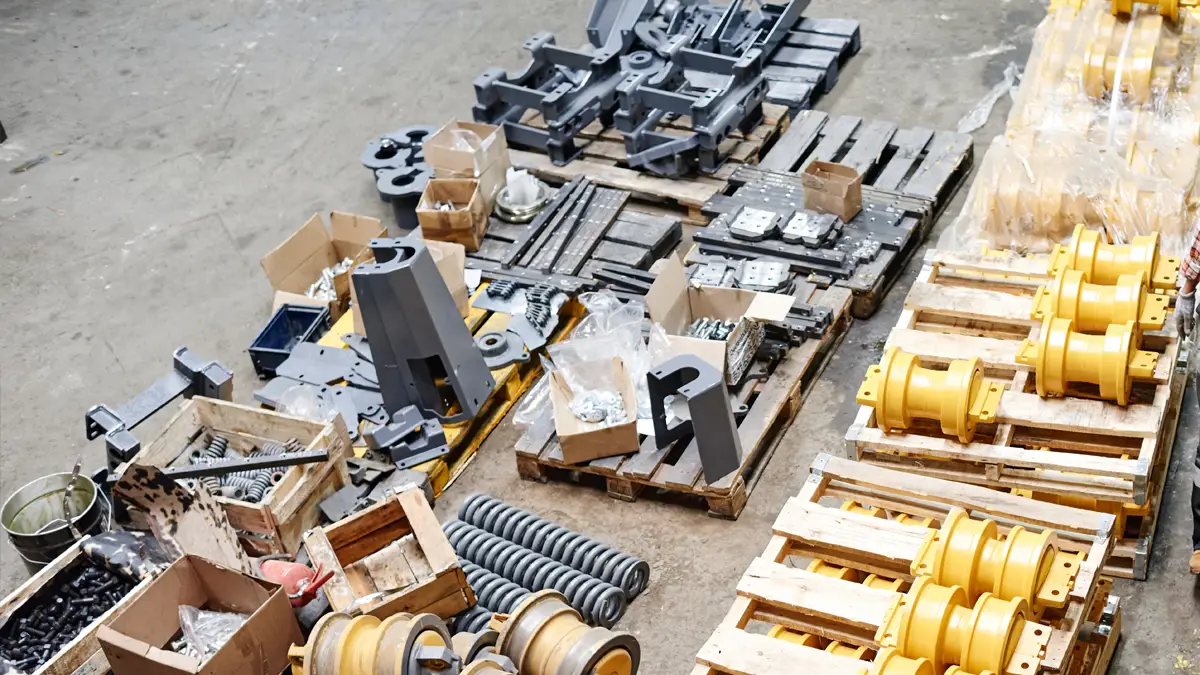
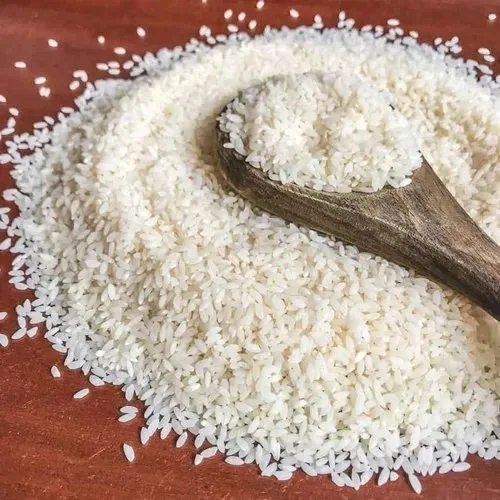
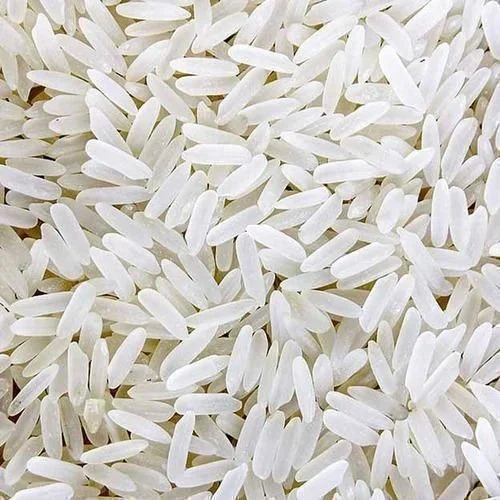
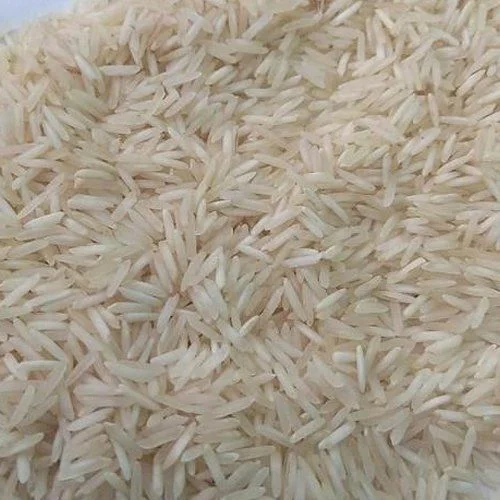
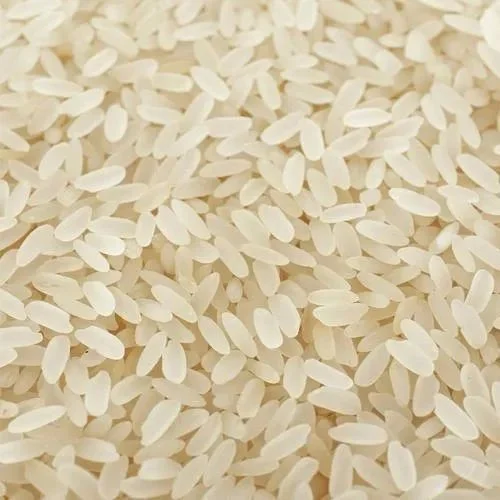
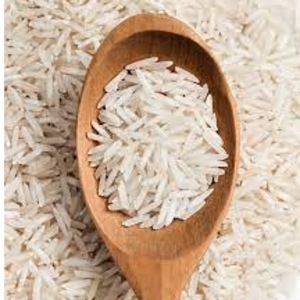
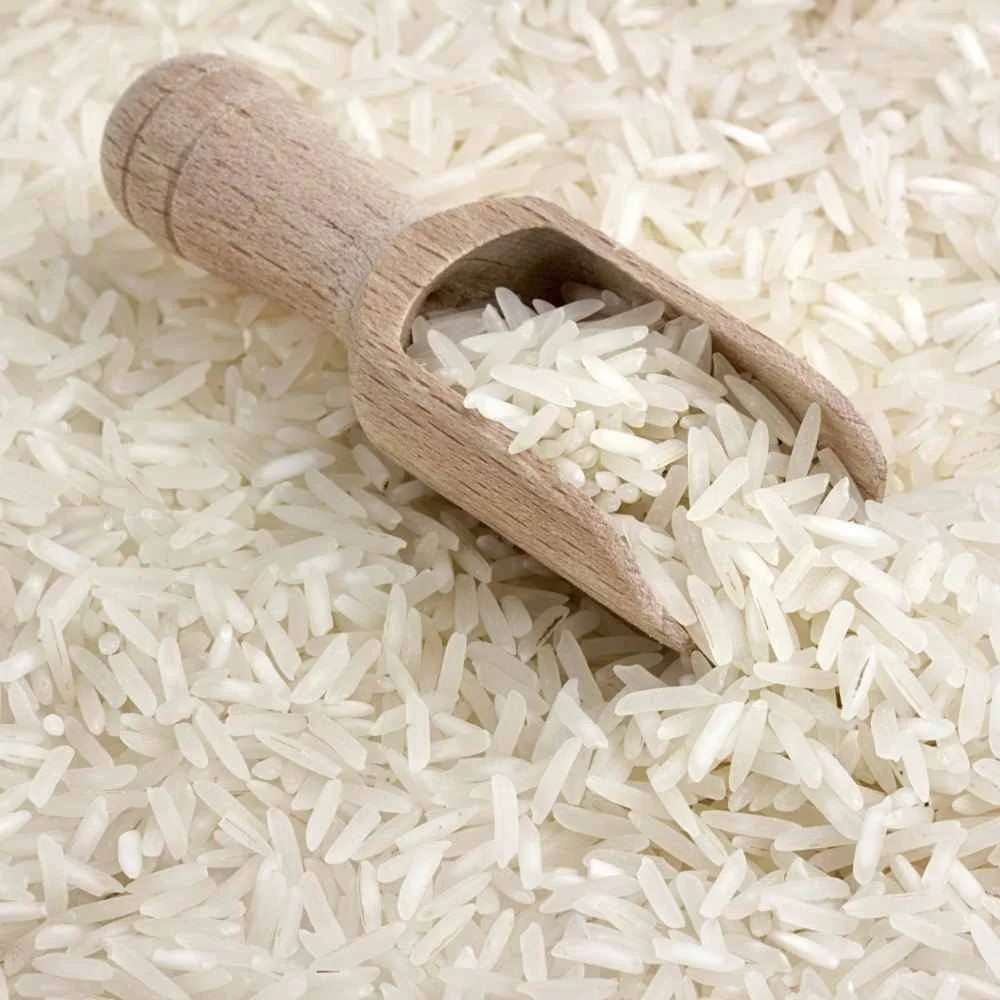
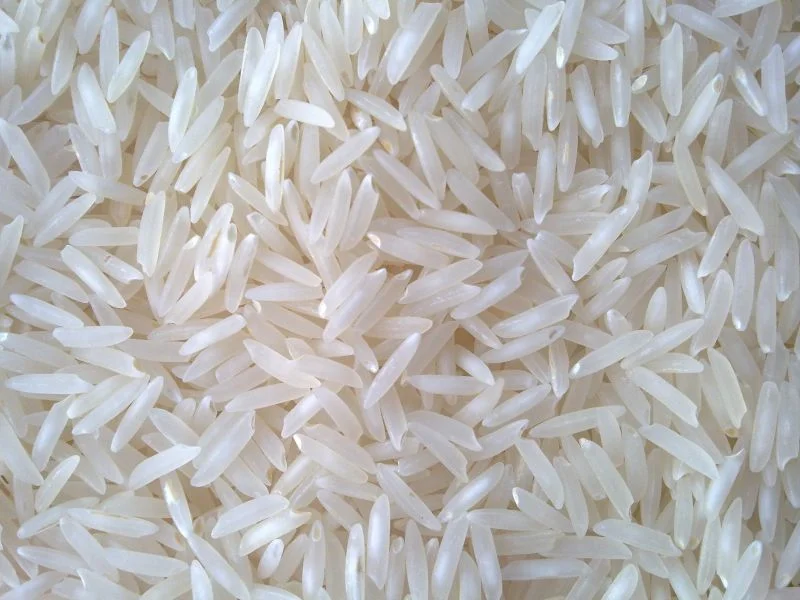
S L V Exports And Imports Pvt Ltd is registered in India and currently lists 38 active products in its catalogue. The catalogue spans primary categories such as Rice, Grapes, Dry Fruits & Nuts, Cotton, Black Cardamom, Broken Rice, Sella Basmati Rice and Pepper. Within the rice segment the supplier offers varieties including Sona Masoori steam rice, IR‑64 polished long‑grain rice (HS 1006.30) and white Sella Basmati rice. Spice items include whole black cardamom pods classified under HS 0908.30 and black pepper. Non‑food lines feature cotton, industrial chemicals (HS 2809.00) and construction materials such as ferrous metal‑cement composites (HS 7204.10). Overall the product mix reflects typical Indian export commodities across food, agricultural and industrial sectors.
The listed HS codes place the products in established customs chapters: 0908 for cardamom, 1006 for milled rice, 2809 for chemicals and 7204 for metal‑based construction goods. Rice items are generally measured in metric tonnes, with broken rice often supplied in 20‑ft containers of 22‑25 t per load. Cardamom pods are usually graded by moisture content below 12 % and oil content above 6 %. Black pepper is commonly exported in grade A with oil content between 45 % and 50 %. Dry fruits and nuts such as cashew are typically packed in 25 kg jute bags meeting ISPM 15 phytosanitary standards. Cotton bales are usually 50 kg each and conform to standard GSM counts for raw fiber.
Product Range and Specialties of S L V Exports And Imports Pvt Ltd
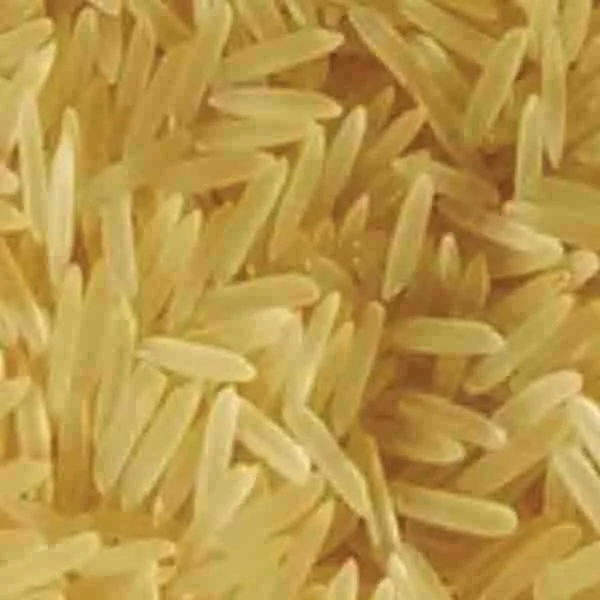
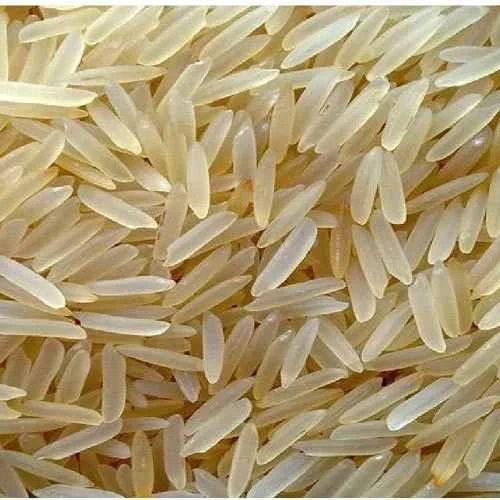
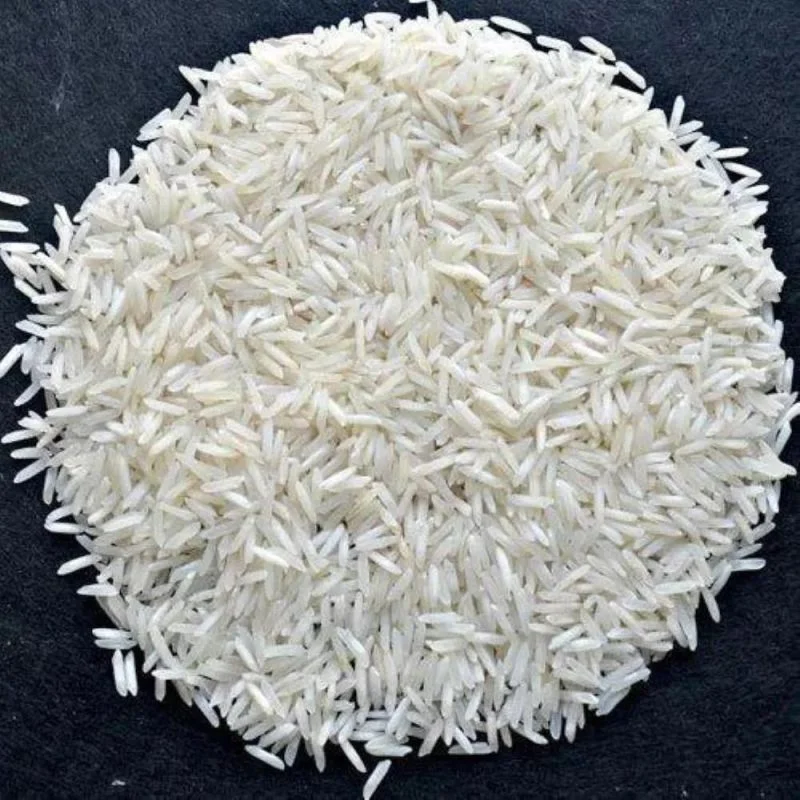
The supplier’s rice portfolio includes Sona Masoori, IR‑64 and Sella Basmati, which in international trade are often specified by ICUMSA whiteness (typically 45 - 48) and moisture below 14 %. Broken parboiled and 100 % broken rice are marketed for institutional kitchens and are usually supplied with a minimum broken size of 5 mm. Black cardamom pods are classified under the Indian Standard grade “A” and require a maximum moisture of 12 % and a minimum oil yield of 6 %. Black pepper exported from India commonly meets the IS 1027 grade A specification, with particle size 0.5 - 1 mm and oil content 45 - 50 %. Cotton listed is raw lint, which buyers typically assess by staple length (20 - 32 mm) and micronaire value (3.5 - 4.5). Dry fruits such as cashew nuts are graded by kernel size (e.g., Jumbo, Large) and shelling percentage above 85 %.
Industrial chemicals in the catalogue cover multiple grades; exporters normally provide safety data sheets (SDS) and comply with REACH or local Indian regulations. Construction material under HS 7204.10 refers to steel reinforcement bars or cement‑metal composites, which are shipped in standard 20‑ft bundles and require CE marking for EU destinations. Other fruit items like black grapes, mango and pomegranate are harvested in the peak season and generally meet phytosanitary standards of being free of pests and diseases. Vegetables such as onion, tomato and potato are usually packed in ventilated cartons with moisture content below 85 % to preserve freshness.
Trade and Export Information - S L V Exports And Imports Pvt Ltd
India ranks among the world’s top exporters of Basmati rice, black pepper and cardamom, supplying the Middle East, Europe and North America through sea freight. Customs classifications for these commodities fall under HS chapters 09 (spices), 10 (cereals) and 08 (fruits), which are routinely inspected for residual pesticide limits and moisture content. Typical certifications requested by importers include ISO 22000 food safety, HACCP plans, and country‑specific phytosanitary certificates issued by the Plant Quarantine Organization of India. For chemicals and construction metals, buyers often require an ISO 9001 quality management certificate and compliance with the International Maritime Dangerous Goods (IMDG) code where applicable.
Rice and broken grain are most commonly shipped in 1 tonne polypropylene bags or 20‑ft containers with liner bags to prevent moisture ingress. Spices such as cardamom and pepper are packed in multi‑layer paper bags of 25 kg or 50 kg, sealed with airtight liners to retain aroma. Dry fruits and nuts are exported in 25 kg jute or HDPE bags complying with ISPM 15 heat‑treatment requirements. Standard Incoterms used by Indian exporters include FOB Mumbai, CIF Dubai or DAP destination ports, allowing buyers to select the most suitable logistics arrangement.
Sourcing from S L V Exports And Imports Pvt Ltd - Buyer Guidance
Prospective buyers should request a product specification sheet that lists moisture, oil content, grain size and any applicable grade certifications for each commodity. A recent laboratory analysis report (e.g., SGS or Bureau Veritas) confirming compliance with ICUMSA, IS 1027 or relevant spice standards is a common prerequisite. For agricultural products, a phytosanitary certificate and, where required, a fumigation certificate in line with ISPM 15 must accompany the shipment. Chemical and construction material orders should be accompanied by a safety data sheet, test reports for heavy‑metal limits and, for steel items, a CE conformity declaration.
Buyers are advised to verify the HS code used on the commercial invoice matches the product description to avoid customs delays. Samples of rice, spices or dry fruits can be requested in 5 kg quantities to assess sensory qualities and laboratory parameters before full order placement. Lead times for Indian exporters typically range from 15 days for ready‑stock spices to 45 days for agricultural harvests, subject to seasonal availability. Payment terms often involve a letter of credit at sight, which allows the supplier to present the required certificates and inspection reports to the issuing bank.
Frequently Asked Questions About S L V Exports And Imports Pvt Ltd
What HS codes are used for the main food products listed by the supplier?
Rice varieties such as IR‑64 are classified under HS 1006.30, while whole black cardamom pods use HS 0908.30. Black pepper falls under the broader HS 0904 chapter, and broken rice is covered by HS 1006.30 as well. Each code aligns with the standard customs tariff headings for cereals and spices.
Which certifications should I ask for when importing spices like cardamom and pepper?
Importers normally request ISO 22000 or HACCP food‑safety certificates, a phytosanitary certificate issued by Indian authorities, and a test report confirming moisture and oil‑content specifications. Additional third‑party lab reports (e.g., SGS) that verify compliance with IS 1027 for pepper or Indian Standard grade A for cardamom are also common.
What are the typical packaging formats for rice and broken rice?
Rice is usually packed in 1 tonne polypropylene bags or 25 kg jute bags, which are then loaded into 20‑ft containers with inner liners. Broken rice follows the same packaging but may be consolidated into bulk bags of 500 kg for large institutional orders, always sealed to protect against moisture.
How is the quality of whole black cardamom measured?
Quality is assessed by moisture content below 12 %, oil yield above 6 %, and visual grade A classification based on size and absence of foreign matter. Buyers often request a moisture and oil‑content laboratory report to verify these parameters before shipment.
What documentation is required for the chemicals listed under HS 2809.00?
Chemicals must be accompanied by a safety data sheet (SDS), a test report showing compliance with Indian chemical regulations, and, for international buyers, proof of REACH or equivalent regulatory conformity. A commercial invoice that cites HS 2809.00 and the specific grade is also required for customs clearance.
What are the common lead times for seasonal fruit such as mango and pomegranate?
Seasonal fruit is typically harvested and packed within 30‑45 days after peak ripening, depending on the export window and required phytosanitary treatments. Lead times may extend if additional quality inspections or fumigation procedures are needed.
Which Incoterms are most frequently used for shipments from India?
Indian exporters commonly use FOB Mumbai for buyers who arrange their own main carriage, CIF Dubai for shipments to the Gulf region, and DAP for door‑to‑door delivery where the buyer prefers the seller to handle inland transport. The chosen term influences who bears freight, insurance and customs responsibilities.




 , India