Agriculture›
 Apparel and fashion accessories›
 Construction & real estate›💡Electronic & Electrical›🍎Food & Beverages›🛋️Home furnishing & supplies›⚗️Industrial goods & chemical›🪨Minerals & metals›📦Miscellaneous›Agriculture›Apparel and fashion accessories›Construction & real estate›💡Electronic & Electrical›🍎Food & Beverages›🛋️Home furnishing & supplies›⚗️Industrial goods & chemical›🪨Minerals & metals›📦Miscellaneous›
S.D. Exim Agency Product Catalog



About S.D. Exim Agency - Tea Supplier in India
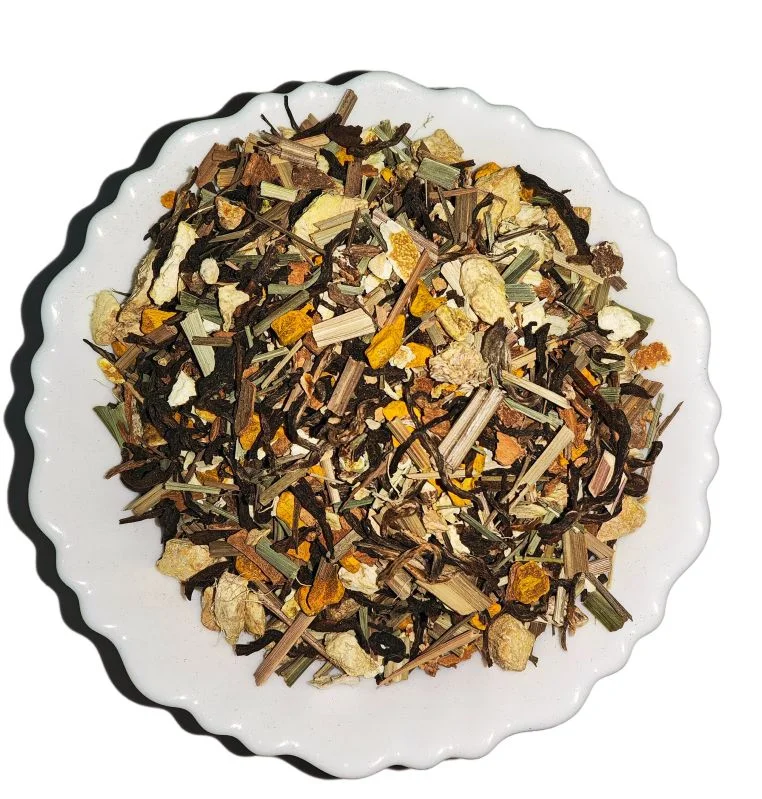
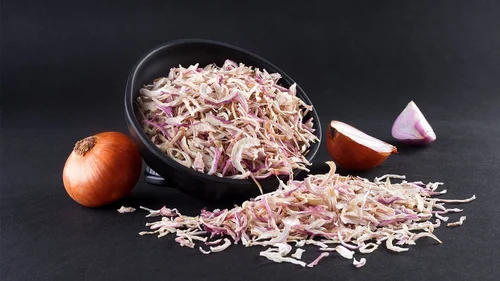
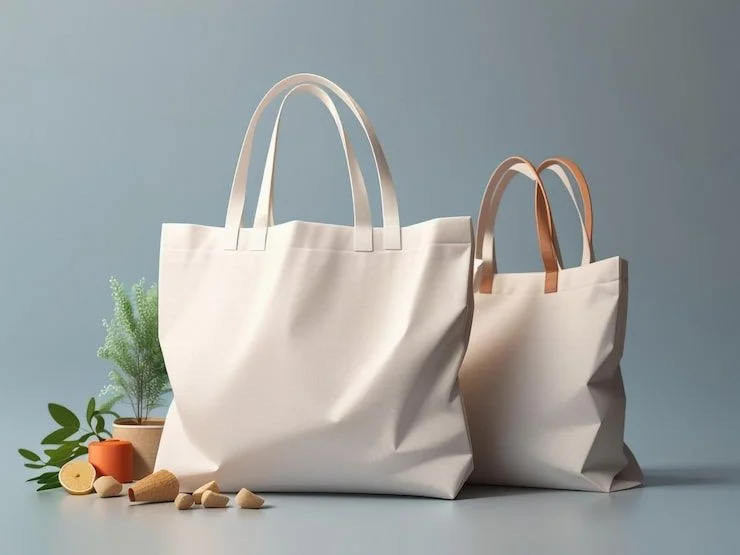
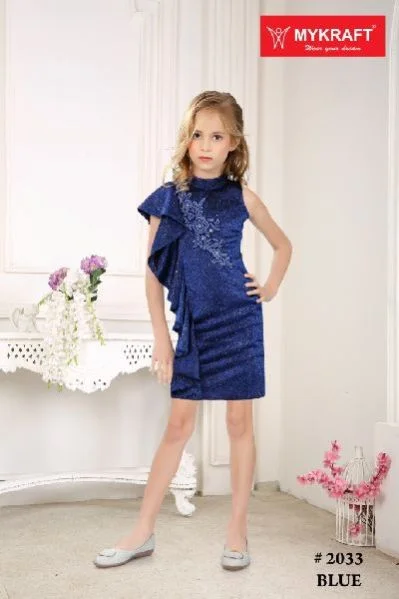
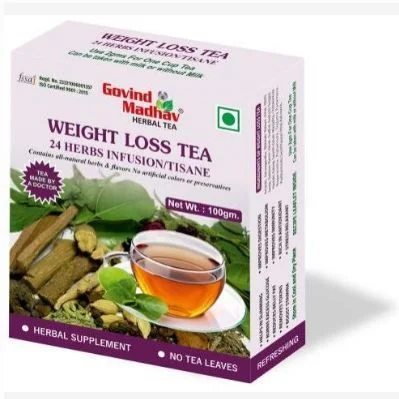
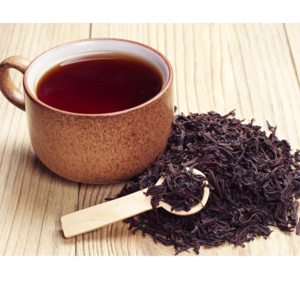
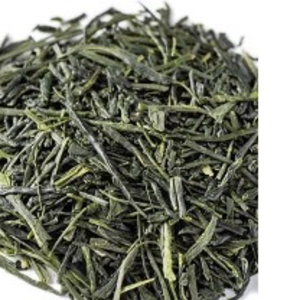
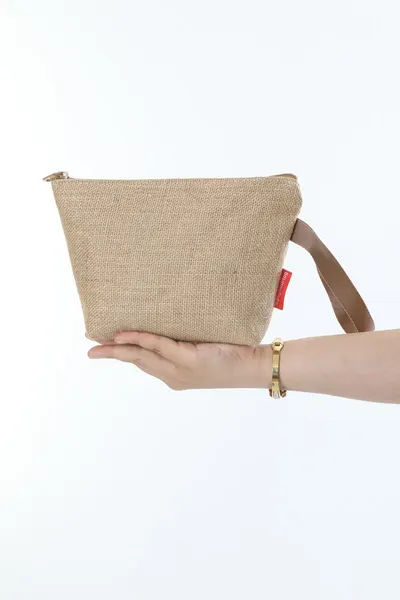
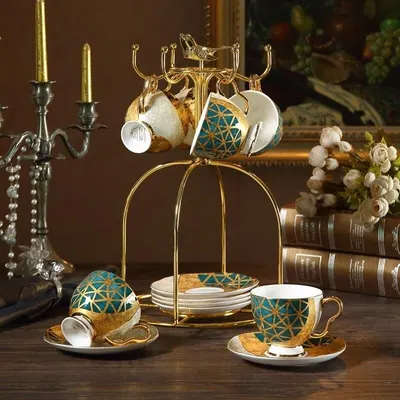
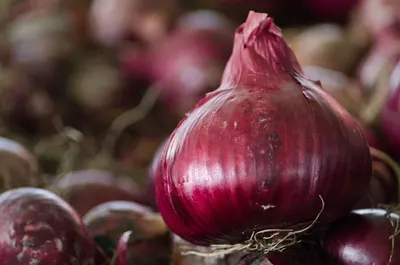
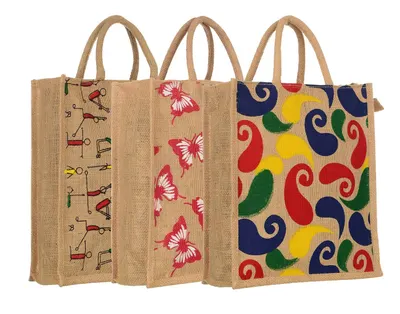
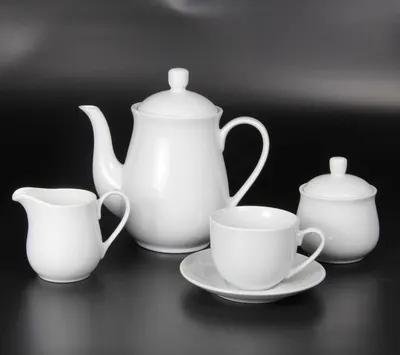
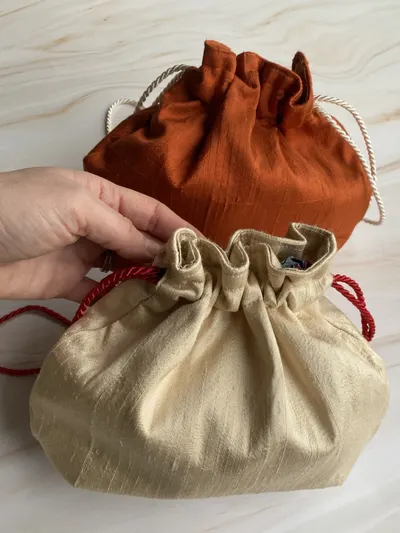
India, a major exporter of tea and jute products, hosts S.D. Exim Agency with an active catalogue of 33 distinct items. The supplier lists a broad set of tea varieties such as Blooming Tea, Jasmine Pearl Tea, Yellow Tea, Green Tea, Oolong Tea, White Tea, Darjeeling 2nd flush Tea, Darjeeling First Flush Tea, Special Green Tea, Himalayan Forest Tea, Golden Tea, Black CTC Tea (HS 0902.40, fully fermented Camellia sinensis leaves) and Assam Orthodox Tea (HS 0902.40, black tea leaves of Camellia sinensis var. assamica). Additional tea entries include Kashmiri Khawa Tea, Hibiscus Tea and Blue Tea. Beyond tea, the catalogue includes coffee mugs, tea sets, dinner sets, cup & saucer, onion, generic garments, paper cups, several jute‑based bags (Printed Nautica, Tribal, Juco Tote, etc.), cotton bags, paper bags and kids garments.
The product list groups items into three functional families: (1) tea and related beverages, identified by specific processing types and HS code 0902.40 for black teas; (2) tableware such as coffee mugs, tea sets and dinner sets, typically classified under HS chapters 69‑70; and (3) packaging and apparel items, where jute and cotton bags fall under HS chapter 56 and garments under HS chapter 62. Materials are explicitly noted for the two black tea entries (Camellia sinensis leaves) while other items are described generically. No additional certifications are recorded for the supplier, so buyers should verify compliance documents according to the product type.
Product Range and Specialties of S.D. Exim Agency
The tea selection covers both orthodox and CTC processing methods. In the Indian market, orthodox teas such as Darjeeling First Flush are graded by leaf size (e.g., FT‑1, FT‑2) and moisture content typically below 5 %. CTC teas like Black CTC are evaluated by cut‑size, bulk density and brew strength, with common specifications of 3 - 5 % ash and a minimum of 30 % extractable solids. Jute bags in the catalogue are usually made from 100 % natural jute fiber, with typical fabric weights ranging from 120 to 200 g m⁻² and tensile strengths of 20 - 30 MPa. Cotton bags often meet a 150 g m⁻² specification and are biodegradable. Tableware such as coffee mugs and tea sets are commonly produced from ceramic or porcelain with a standard firing temperature of 1200 - 1300 °C and a typical capacity of 250 - 350 ml.
Frequently Asked Questions About S.D. Exim Agency
What HS code applies to the Black CTC Tea listed by S.D. Exim Agency?
Black CTC Tea is listed with HS code 0902.40, which covers fully fermented black tea made from Camellia sinensis leaves.
Can S.D. Exim Agency ship tea in 20‑ft containers?
Yes, tea packed in standard 50 kg jute sacks can be loaded into 20‑ft containers, which hold approximately 20‑22 tons of tea, or into 40‑ft containers for larger volumes.
Are there specific quality grades for the Darjeeling First Flush Tea?
Darjeeling First Flush is typically graded by leaf size (FT‑1, FT‑2) and must have moisture below 5 % and a liquor colour ranging from light amber to golden yellow.
What certifications should a buyer request for the jute bags?
Buyers should request ISO 9001 for quality management, a tensile strength test report (usually 20‑30 MPa), and any phytosanitary or export certificates required by the destination country.
How are the coffee mugs and tea sets generally classified for export?
These items fall under HS chapters 69 (ceramic products) and 70 (glass and glassware). Export documentation normally includes a CE Declaration of Conformity for the EU and lead‑free glaze test results for other markets.
 India
Related Suppliers & Products
Explore similar suppliers, related products and trending categories