Rt Eco — Supplier
About Rt Eco - Water Treatment Systems Supplier in India
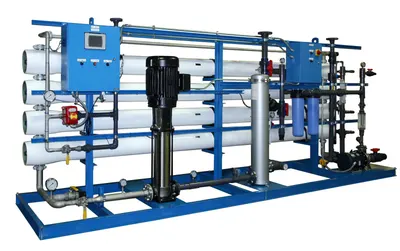
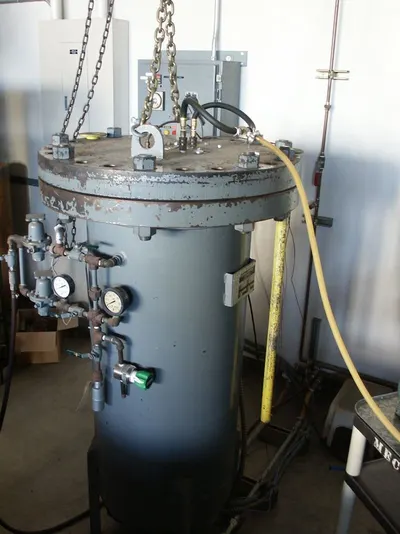
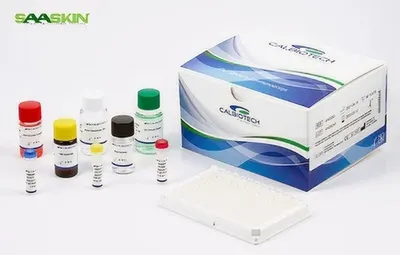
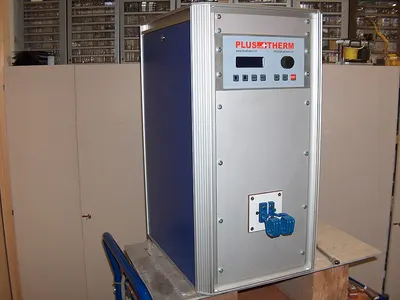
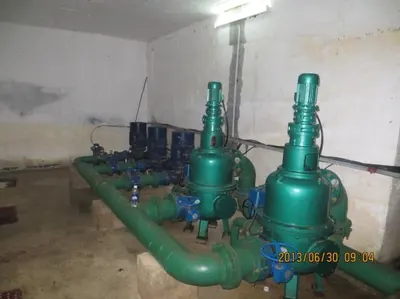
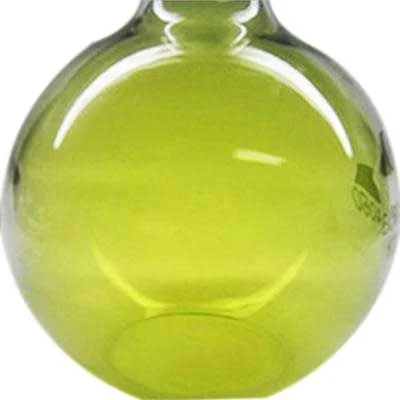
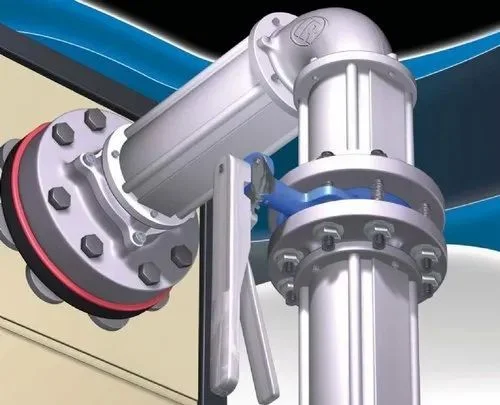
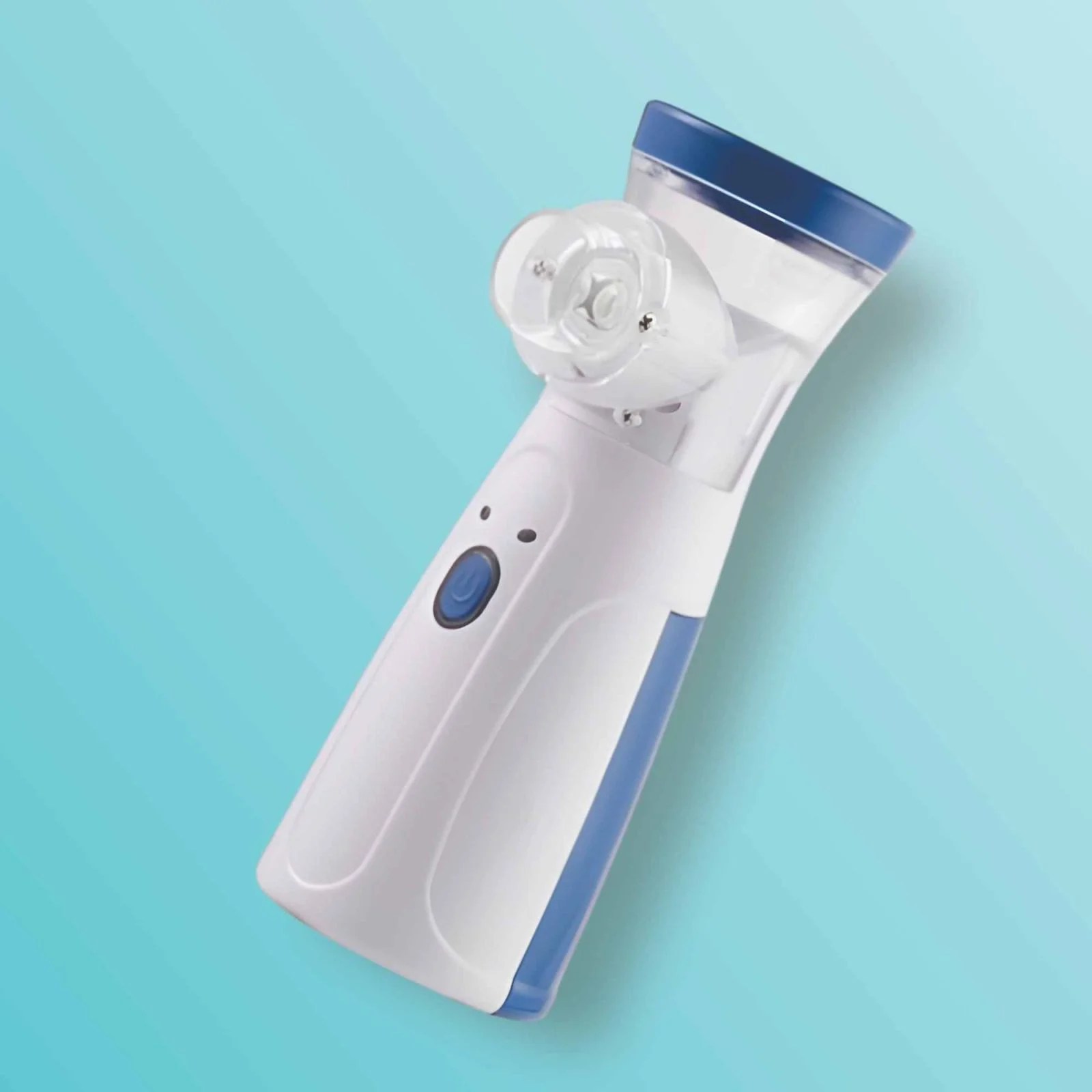
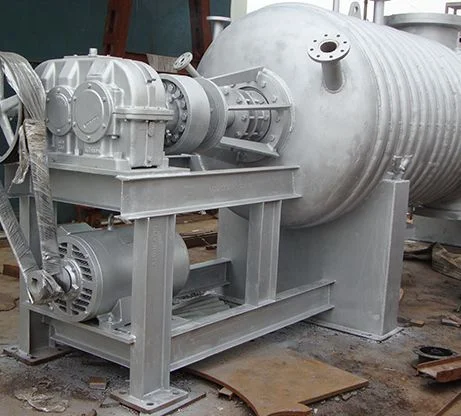
India hosts Rt Eco with an active catalogue of five listed products. The catalogue covers an Effluent Treatment System, a Biomedical Wastewater Treatment System, a Chlorine Testkit (also called Chloroscope), a Sodium Hypochlorite Disinfectant Generator, and a Hospital Sewage Treatment System. Each item falls under the broader categories of Water Filters and Water Treatment Plants, Pipeline Monitoring Systems, Laboratory Equipments & Instruments, and Light & Medium Machinery as recorded in the supplier profile. The listing does not provide HS codes, so the products are grouped under the typical HS chapter 8421 for water treatment equipment and related laboratory devices. The supplier’s trust tier is recorded as “harbor”, indicating a mid‑level verification status in the platform.
Product Range and Specialties of Rt Eco
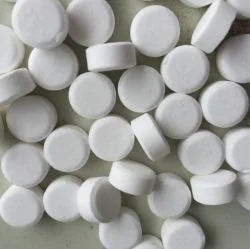
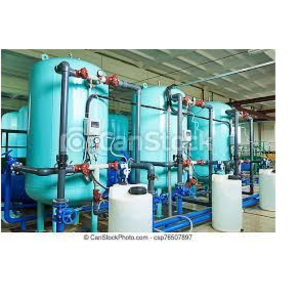
The five products listed by Rt Eco address different stages of water and wastewater management. The Effluent Treatment System and Hospital Sewage Treatment System are engineered for industrial and medical facility effluents, respectively, and are commonly specified with treatment capacities measured in cubic meters per hour and compliance with local discharge standards such as IS 10500. The Biomedical Wastewater Treatment System targets pathogen‑laden streams and is typically designed to meet WHO guidelines for hospital wastewater. The Chlorine Testkit (Chloroscope) and Sodium Hypochlorite Disinfectant Generator serve laboratory and on‑site disinfection needs; standard specifications include chlorine concentration ranges (e.g., 0.5‑5 mg/L for test kits) and sodium hypochlorite solution strengths up to 12 % wt. In the global market, similar equipment is offered in grades like “Class A” for high‑efficiency treatment and “Class B” for smaller scale operations, with materials ranging from stainless steel to high‑density polyethylene.
Trade and Export Information - Rt Eco
India is a major exporter of water treatment and laboratory equipment, with shipments typically directed to the Middle East, Africa, and Southeast Asian regions where industrial expansion drives demand for effluent and sewage solutions. The relevant HS chapter for most of Rt Eco’s products is 8421, which covers “Mechanical appliances for filtering or purifying water,” while laboratory test kits fall under HS 9027. Buyers often require certifications such as ISO 9001 for quality management, ISO 14001 for environmental compliance, and, where applicable, CE marking for European market entry. Export logistics usually involve containerized loading (20‑ft or 40‑ft containers) with Incoterms CIF or FOB, and customs inspections focus on safety data sheets for chemical generators and performance test reports for treatment systems.
Sourcing from Rt Eco - Buyer Guidance
When sourcing from Rt Eco, buyers should request detailed technical datasheets that list design flow rates, material construction, power consumption, and compliance with national discharge standards. For the Chlorine Testkit and Sodium Hypochlorite Generator, safety data sheets (SDS) and calibration certificates are standard documentation to verify measurement accuracy and chemical handling safety. It is advisable to obtain a third‑party performance test report or factory acceptance test (FAT) before finalising a purchase, especially for systems intended for continuous industrial operation.
Frequently Asked Questions About Rt Eco
What types of water treatment equipment does Rt Eco list?
Rt Eco lists an Effluent Treatment System, a Biomedical Wastewater Treatment System, a Hospital Sewage Treatment System, a Chlorine Testkit (Chloroscope), and a Sodium Hypochlorite Disinfectant Generator.
Which HS code category do the listed products fall under?
The treatment systems and related machinery are generally classified under HS chapter 8421 for water‑filtering and purification appliances, while the test kit and chemical generator align with HS 9027 for laboratory apparatus.
What certifications should a buyer verify for these products?
Buyers should ask for ISO 9001 quality management certificates, ISO 14001 environmental compliance, and any region‑specific marks such as CE for European markets. Chemical handling equipment also requires an up‑to‑date safety data sheet.
Are sample units or performance test reports available?
Suppliers of water treatment equipment typically provide factory acceptance test (FAT) reports and, on request, sample units for pilot testing. Confirm availability during the quotation stage.
What are typical lead times for the treatment systems?
Lead times for custom‑engineered treatment plants range from 8 to 12 weeks, depending on capacity and material specifications. Standard laboratory kits usually ship within 2‑4 weeks after order confirmation.
How are the products packaged for export?
Large treatment units are crated and palletized to fit 20‑ft or 40‑ft containers, while test kits and generators are packed in sealed boxes with protective cushioning to meet international shipping standards.
Which regions commonly import these kinds of water treatment solutions?
India’s water treatment exports are frequently destined for the Middle East, Africa, and Southeast Asia, where infrastructure projects and hospital expansions drive demand.
What documentation is required for customs clearance of the chemical generator?
Customs authorities usually request the product’s HS code, a safety data sheet, and any applicable export licenses. Providing a compliance certificate for chemical concentration limits can expedite clearance.




 , India