Royal Minerals — Verified Supplier
About Royal Minerals - Other Ores & Minerals Supplier in Pakistan
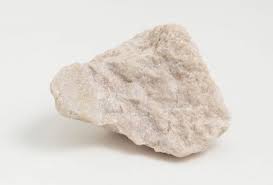
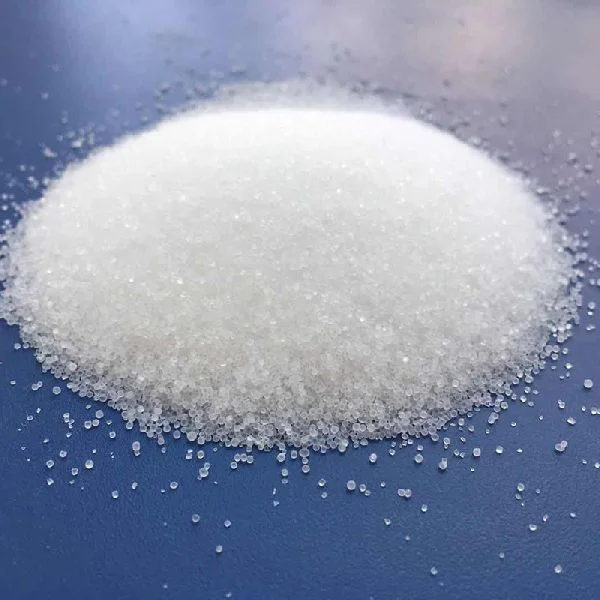
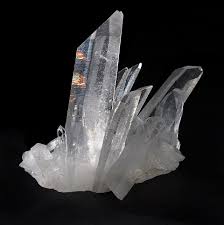
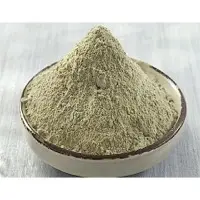
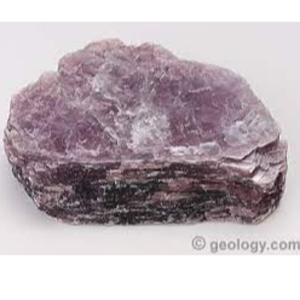
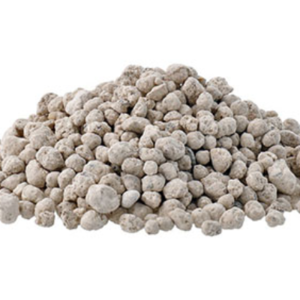
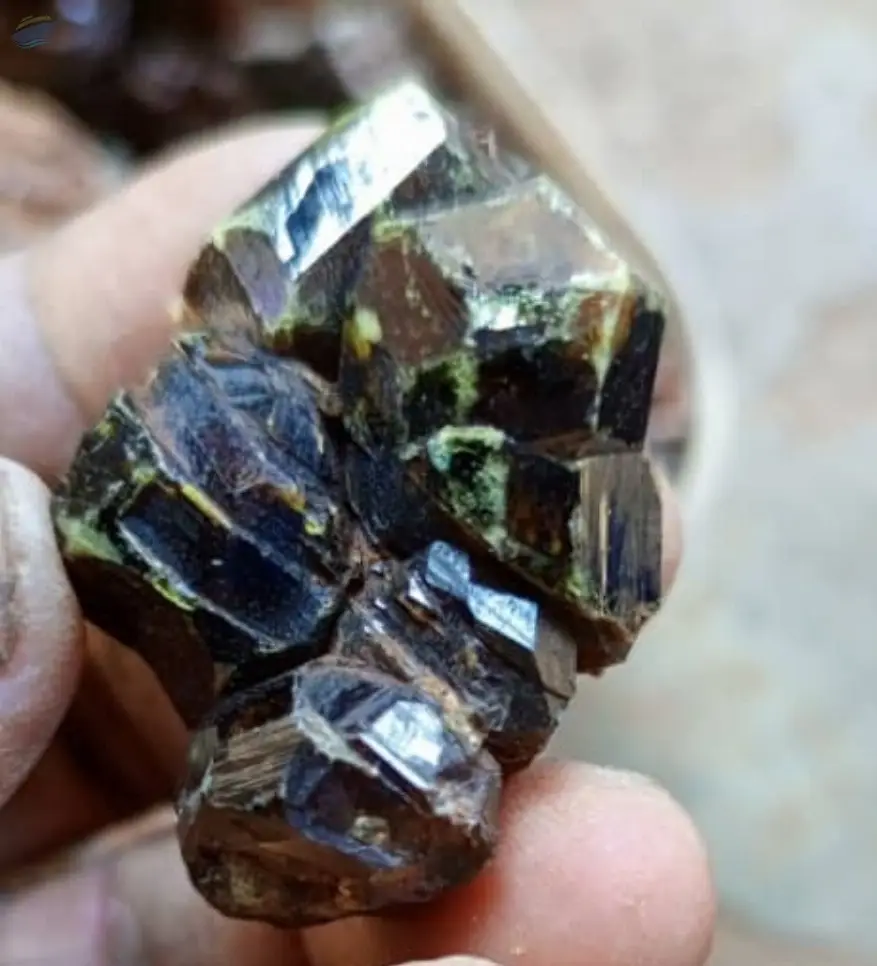
Royal Minerals, based in Pakistan, offers 7 active products, primarily categorized under Other Ores & Minerals, with specific types including Raw Magnesite, Silica Quartz, barite, Flourite, Pink Salt, Mill Scale, and Talc. These products fall under various HS code families, which are crucial for international trade. The company operates in a global market, with buyers typically requiring specific quality grades and certifications for these minerals.
Buyers of minerals like those offered by Royal Minerals usually seek detailed specifications, including purity percentages, moisture content, and grain size in millimeters. For instance, Silica Quartz is often required to have a high purity level, usually above 99%, while barite may need to meet specific density requirements. Understanding these specifications is essential for trade.
Product Range and Specialties of Royal Minerals
The product range of Royal Minerals includes a variety of minerals, each with its own set of standard specifications and typical applications. For example, Raw Magnesite is often used in refractory applications and is typically required to have a high magnesium oxide content, while Flourite is used in the manufacture of hydrofluoric acid and is needed in high purity forms. Silica Quartz, used in electronics and optical instruments, must meet stringent purity standards, often above 99.9%.
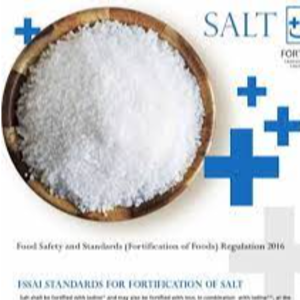
In the minerals trade, the quality and purity of the products are paramount. Buyers usually request samples and test reports to verify the quality of the minerals before making a purchase. For barite, for instance, the density and purity are critical, as these minerals are used in drilling fluids. Similarly, the grain size and purity of Pink Salt can affect its use in food and cosmetic applications.
Trade and Export Information - Royal Minerals
Exporters of minerals like Royal Minerals typically deal with a global market, where regions such as North America, Europe, and Asia are significant importers of these goods. The HS code families for these minerals, such as Chapter 26 for ores, slag, and ash, and Chapter 28 for inorganic chemicals, are crucial for customs clearance and regulatory compliance. Certifications like ISO 9001 for quality management and ISO 14001 for environmental management are often required by buyers to ensure the minerals meet international standards.
The logistics of mineral export involve careful consideration of packaging, to prevent damage and contamination, and Incoterms like FOB or CIF, which define the responsibilities of the seller and the buyer. For example, the packaging of Talc must prevent moisture absorption, which can affect its quality and usability. Understanding these norms and standards is essential for successful trade.
Sourcing from Royal Minerals - Buyer Guidance
When sourcing minerals from Royal Minerals, buyers should request detailed product specifications, including purity levels, moisture content, and any relevant test reports. It is also advisable to verify the certifications held by the supplier, such as ISO 9001 or ISO 14001, to ensure compliance with international quality and environmental standards.
Buyers should be aware of the typical quality parameters for each mineral, such as the magnesium oxide content in Raw Magnesite or the density of barite, and should request samples to verify these specifications. Additionally, understanding the Incoterms and logistics involved in the trade can help prevent misunderstandings and ensure smooth transactions.
Frequently Asked Questions About Royal Minerals
What is the primary product category of Royal Minerals?
Royal Minerals primarily deals in Other Ores & Minerals, including Raw Magnesite, Silica Quartz, barite, Flourite, Pink Salt, Mill Scale, and Talc.
What certifications are typically required for mineral exporters like Royal Minerals?
Buyers usually require certifications like ISO 9001 for quality management and ISO 14001 for environmental management to ensure the minerals meet international standards.
How do buyers verify the quality of minerals before purchase?
Buyers typically request samples and test reports to verify the quality of the minerals, including specifications like purity levels, moisture content, and grain size.
What are the common logistics considerations for mineral export?
The packaging must prevent damage and contamination, and Incoterms like FOB or CIF define the responsibilities of the seller and the buyer, with considerations for customs clearance and regulatory compliance.
What is the significance of HS code families in mineral trade?
HS code families, such as Chapter 26 for ores, slag, and ash, and Chapter 28 for inorganic chemicals, are crucial for customs clearance and regulatory compliance in international mineral trade.
How do buyers ensure they are getting the correct quality and purity of minerals?
Buyers should request detailed product specifications, verify the certifications held by the supplier, and request samples to ensure the minerals meet their required standards.
What are the typical applications of the minerals offered by Royal Minerals?
The minerals offered by Royal Minerals have various applications, including refractory applications for Raw Magnesite, electronics and optical instruments for Silica Quartz, and drilling fluids for barite.
How do Incoterms affect the responsibilities of the seller and the buyer in mineral trade?
Incoterms like FOB or CIF define the responsibilities of the seller and the buyer, including the transfer of risk and costs associated with the transportation of the minerals.




 , Pakistan