RMY INTERNATIONAL — Verified Supplier
About RMY INTERNATIONAL - Salt Supplier in Pakistan
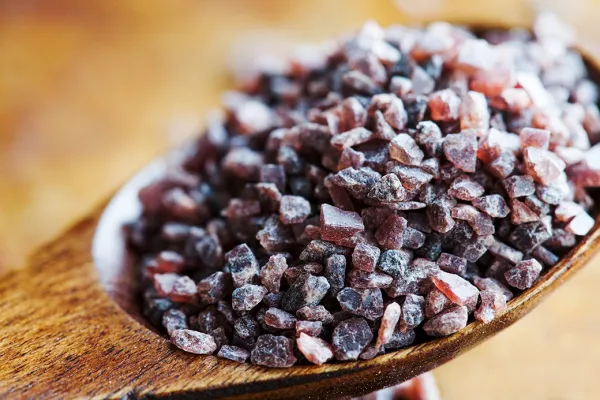
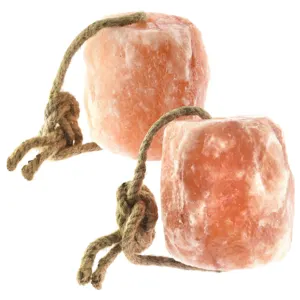
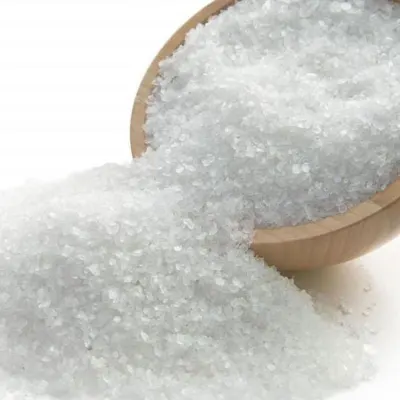
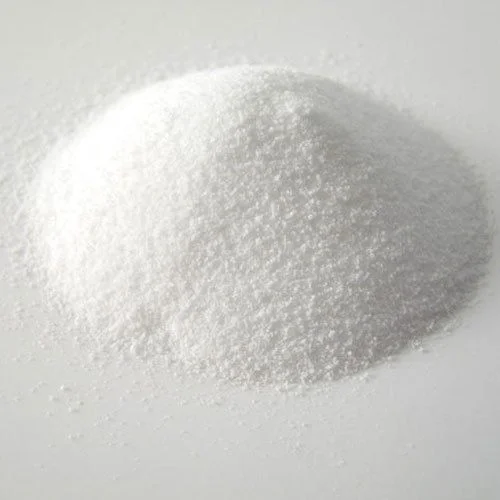
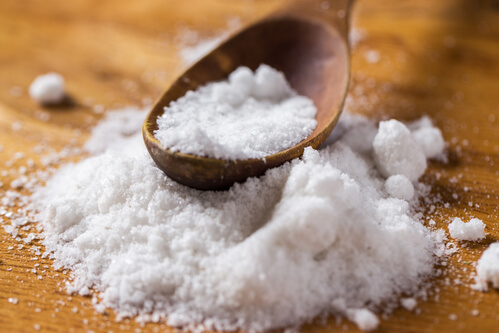
RMY INTERNATIONAL, located in Islamabad, Pakistan, offers 9 active products, primarily focusing on various types of salt, including Black Salt, Common Salt, Himalayan Salt, and Pink Salt, as well as other products like Jasmine Flower Bulbs, Lotus Flower Bulbs, Bath Mats, and Bath Rugs. Their catalogue includes a range of salt products, such as Salt lamps, Sea salt, Himalayan Pink Salt, and Himalayan white salt, with HS codes including 001, 2501.00, 006, 007, and 008. The materials used for these products are primarily salt. RMY INTERNATIONAL's product range caters to diverse customer needs, with a focus on salt and related products.
The company's product range is enriched by the fact that exporters of salt typically need to adhere to strict quality standards, including purity levels and moisture content. For instance, buyers of Himalayan Pink Salt usually require a high purity level, often above 95%, and a low moisture content, typically below 1%. The HS code 2501.00, which applies to several of RMY INTERNATIONAL's salt products, indicates that these goods are subject to specific regulations and standards.
Product Range and Specialties of RMY INTERNATIONAL
RMY INTERNATIONAL's catalogue includes a variety of salt products, each with its unique characteristics and uses. For example, Himalayan Pink Salt is often used for culinary and therapeutic purposes, while Sea salt is commonly used as a seasoning or preservative. The company's salt products are available in different forms, including lamps, tiles, and packing. Buyers of these products typically look for specific quality grades, such as ICUMSA 45 for refined sugar or CP 10 cloud point for palm oil, although these specific grades may not be directly applicable to salt products.
In the salt industry, typical quality parameters include grain size, moisture content, and purity level. For instance, fine salt typically has a grain size of less than 0.5 mm, while coarse salt has a grain size of over 1 mm. Buyers should request specifications, such as grain size and purity level, to ensure that the products meet their requirements.
Trade and Export Information - RMY INTERNATIONAL
Exporters of salt, like RMY INTERNATIONAL, typically ship their products to regions with high demand for salt, such as the food and pharmaceutical industries in North America, Europe, and Asia. The HS code families involved in the trade of salt, including 2501.00, are subject to specific regulations and standards, such as those related to food safety and quality. Certifications, such as ISO 9001 or HACCP, are commonly required for salt exporters to ensure compliance with international standards.
The logistics of salt trade involve packaging and shipping, with common Incoterms including CIF and FOB. Buyers should be aware of the packaging and shipping requirements for salt products, including the use of moisture-resistant packaging and the need for proper storage and handling to maintain product quality.
Sourcing from RMY INTERNATIONAL - Buyer Guidance
When sourcing from RMY INTERNATIONAL, buyers should request specifications, such as grain size and purity level, to ensure that the products meet their requirements. It is also recommended to request test reports and certifications, such as ISO 9001 or HACCP, to verify the quality and safety of the products. Buyers should verify the supplier's certifications and compliance with regulatory requirements before placing an order.
Buyers should also be aware of the typical quality parameters for salt products, including moisture content and purity level. For instance, a moisture content above 1% may indicate poor quality or improper storage. A response or tier that indicates a high level of quality control and compliance with regulations is a positive signal for buyers.
Frequently Asked Questions About RMY INTERNATIONAL
What types of salt products does RMY INTERNATIONAL offer?
RMY INTERNATIONAL offers a range of salt products, including Himalayan Pink Salt, Sea salt, and Black Salt, among others. These products are available in different forms, such as lamps, tiles, and packing.
What are the typical quality parameters for salt products?
Typical quality parameters for salt products include grain size, moisture content, and purity level. For instance, fine salt typically has a grain size of less than 0.5 mm, while coarse salt has a grain size of over 1 mm.
What certifications are commonly required for salt exporters?
Certifications, such as ISO 9001 or HACCP, are commonly required for salt exporters to ensure compliance with international standards.
How should buyers verify the quality and safety of salt products?
Buyers should request test reports and certifications, such as ISO 9001 or HACCP, to verify the quality and safety of the products. They should also verify the supplier's certifications and compliance with regulatory requirements before placing an order.
What is the typical packaging and shipping process for salt products?
The logistics of salt trade involve packaging and shipping, with common Incoterms including CIF and FOB. Buyers should be aware of the packaging and shipping requirements for salt products, including the use of moisture-resistant packaging and the need for proper storage and handling to maintain product quality.
What are the common HS codes for salt products?
The common HS codes for salt products include 2501.00, 001, 006, 007, and 008, among others.
What regions typically import salt products?
Regions with high demand for salt, such as the food and pharmaceutical industries in North America, Europe, and Asia, typically import salt products.




 , Pakistan