RL Apparels Limited — Verified Manufacturer & Wholesale Supplier
About RL Apparels Limited - Apparel Supplier in Bangladesh
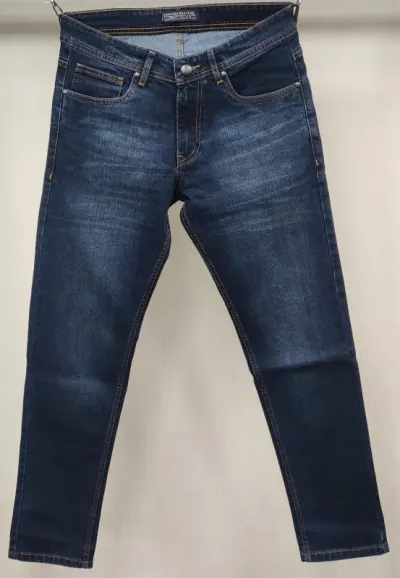
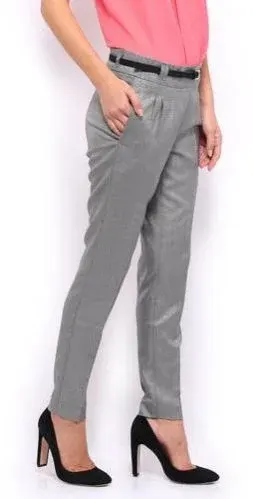
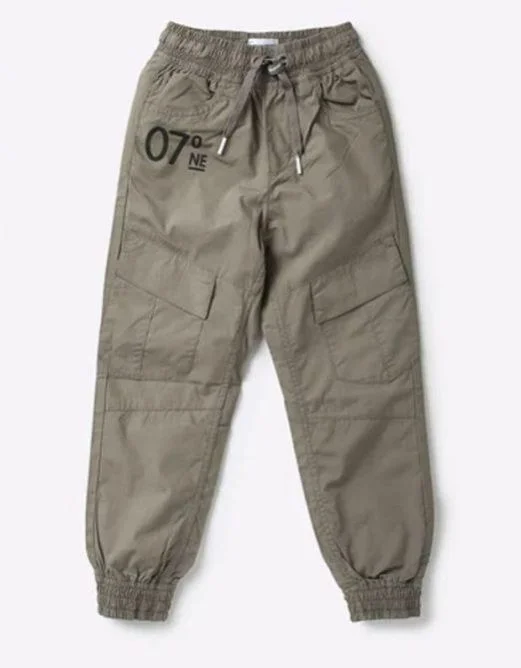
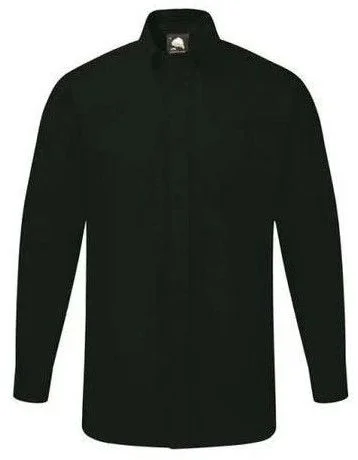
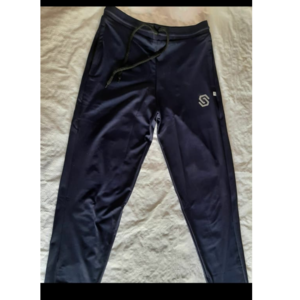
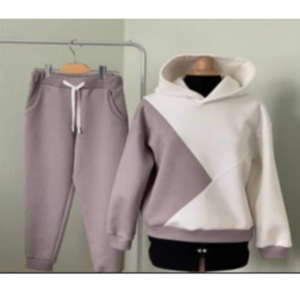
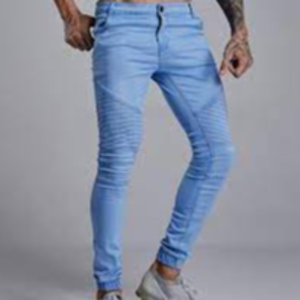
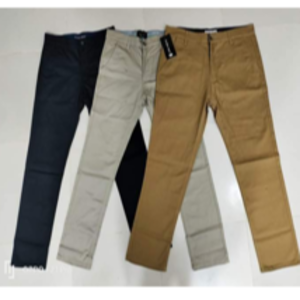
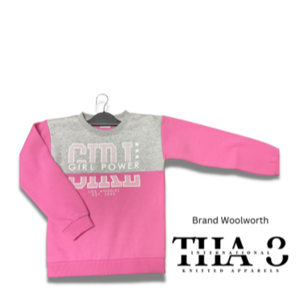
Bangladesh‑based RL Apparels Limited lists ten active garment products in its catalogue. The range includes knit T‑shirts (HS 6109.10, 100 % cotton, 160 gsm), knit polo shirts (HS 6105.10, 100 % cotton pique, 200 gsm), hoodies (HS 6109.10, 80 % cotton/20 % polyester fleece, 300 gsm), and trousers (HS 6104.62, 80 % cotton/20 % polyester terry, 250 gsm). The catalogue also contains ladies dresses (HS 6204.42, 100 % cotton poplin), shirts (HS 5208.39, 100 % cotton poplin), pants (HS 6203.42, 80 % polyester/20 % viscose), cotton‑twill trousers (HS 6203.43, 100 % cotton), denim pants (HS 6203.42, 12 oz denim fabric) and a polyester tafeta jacket (HS 6201.92).
The listed items fall under HS Chapter 61 for knitted garments, Chapter 62 for woven and finished garments, and Chapter 52 for cotton fabrics. Materials span 100 % cotton, cotton‑polyester blends, polyester fleece, denim, poplin, twill and pure polyester, reflecting typical knit, woven and denim production streams in Bangladesh’s garment sector.
Product Range and Specialties of RL Apparels Limited
The catalogue covers standard garment constructions: cotton knit T‑shirts at 160 gsm, cotton pique polo shirts around 200 gsm, fleece hoodies at 300 gsm, and terry‑woven trousers at 250 gsm. Denim pants are specified as 12 oz (approximately 340 gsm) denim fabric, while poplin shirts and dresses use 120‑150 gsm poplin, and the polyester tafeta jacket is a lightweight woven finish. In the broader industry, buyers often look for GSM tolerance ±5 %, colour‑fastness to washing (ISO 105‑A02), and Oeko‑Tex Standard 100 certification for harmful‑substance testing. Commonly requested specifications include shrinkage limits of 2‑4 % for cotton knits and seam strength of 30 N/15 mm for woven garments.
Trade and Export Information - RL Apparels Limited
Bangladesh is the world’s fourth‑largest apparel exporter, with the United States, European Union, Canada and the Middle East accounting for the majority of outbound shipments. HS codes 6109, 6105, 6104, 6204, 5208, 6203 and 6201 are routinely used for cotton, polyester and denim garments, and customs authorities often require a commercial invoice, packing list and certificate of origin for FOB Dhaka shipments. Importers typically request compliance with WRAP, BSCI, ISO 9001 or ISO 14001, and product‑specific certifications such as REACH for chemical safety or CPSIA for children’s wear. Standard logistics involve folding garments, packing in poly‑bags, placing them in single‑wall corrugated cartons, and loading 20‑ft containers that can hold roughly 5 000‑6 000 T‑shirts or an equivalent volume of other items.
Sourcing from RL Apparels Limited - Buyer Guidance
Buyers should request a detailed material composition certificate confirming fibre percentages and GSM for each style, along with colour‑fastness and shrinkage test reports that meet ISO 105 standards. Because no certifications are listed for this supplier, buyers are advised to ask for Oeko‑Tex or GOTS certificates if organic or low‑chemical claims are required, and to verify that the HS code on the commercial invoice matches the product description. Typical minimum order quantities in Bangladesh range from 300 to 1 000 pieces per style, with lead times of 30‑45 days after artwork approval; confirming sample availability (usually 3‑5 pcs per style) before full production is standard practice.
Frequently Asked Questions About RL Apparels Limited
What garment types are listed in RL Apparels Limited’s catalogue?
The catalogue includes knit T‑shirts, polo shirts, hoodies, trousers, ladies dresses, shirts, pants, denim pants and a polyester tafeta jacket, each identified with its specific HS code.
Which HS codes correspond to the cotton knit garments?
Knit T‑shirts and hoodies use HS 6109.10, while knit polo shirts use HS 6105.10; both fall under Chapter 61 for knitted apparel.
What material composition should a buyer verify for the denim pant?
The denim pant is described as 12 oz denim fabric, typically 100 % cotton; buyers should request a fabric composition certificate confirming weight and fibre content.
Are any certifications indicated for RL Apparels Limited?
No certifications are listed in the provided facts; buyers should request standard garment certifications such as Oeko‑Tex, WRAP or ISO 9001 if required for their market.
What are typical minimum order quantities for these garments?
In Bangladesh garment sourcing, MOQ commonly ranges from 300 to 1 000 pieces per style, depending on the product and fabric weight; the exact MOQ should be confirmed with the supplier for each item.
What lead time is typical for production of a T‑shirt order?
Standard lead times for cotton knit T‑shirts in Bangladesh are 30‑45 days from receipt of approved artwork and fabric, assuming no special finishes are required.
How are the garments usually packaged for export?
Items are generally packed in individual poly‑bags, then placed in single‑wall corrugated cartons; a 20‑ft container can hold roughly 5 000‑6 000 folded T‑shirts or an equivalent volume of other garments.
Which markets commonly import Bangladesh‑made apparel?
Major importers include the United States, European Union, Canada and the Middle East, where buyers often require compliance with REACH, CPSIA for children’s wear and textile labeling regulations.




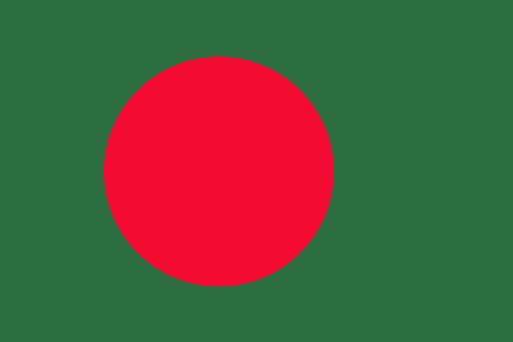 , Bangladesh