Reynold Industries — Verified Supplier
About Reynold Industries - Brass Hardware Supplier in India
Reynold Industries is located in India and currently lists six distinct products in its catalogue. The supplier’s catalogue is grouped under Brass Hardware, Agriculture, Door Handles, and Locks & Handles, with a focus on metal fittings for furniture and security applications. Products are identified by HS code families 8302 and 7415 - 7419, reflecting classifications for metal hardware and brass articles. The material specifications include brass copper‑zinc alloys (CuZn) and stainless steel grade 304, as noted in the product entries. The listed items cover both decorative and functional components used in cabinets, doors, and locking mechanisms.
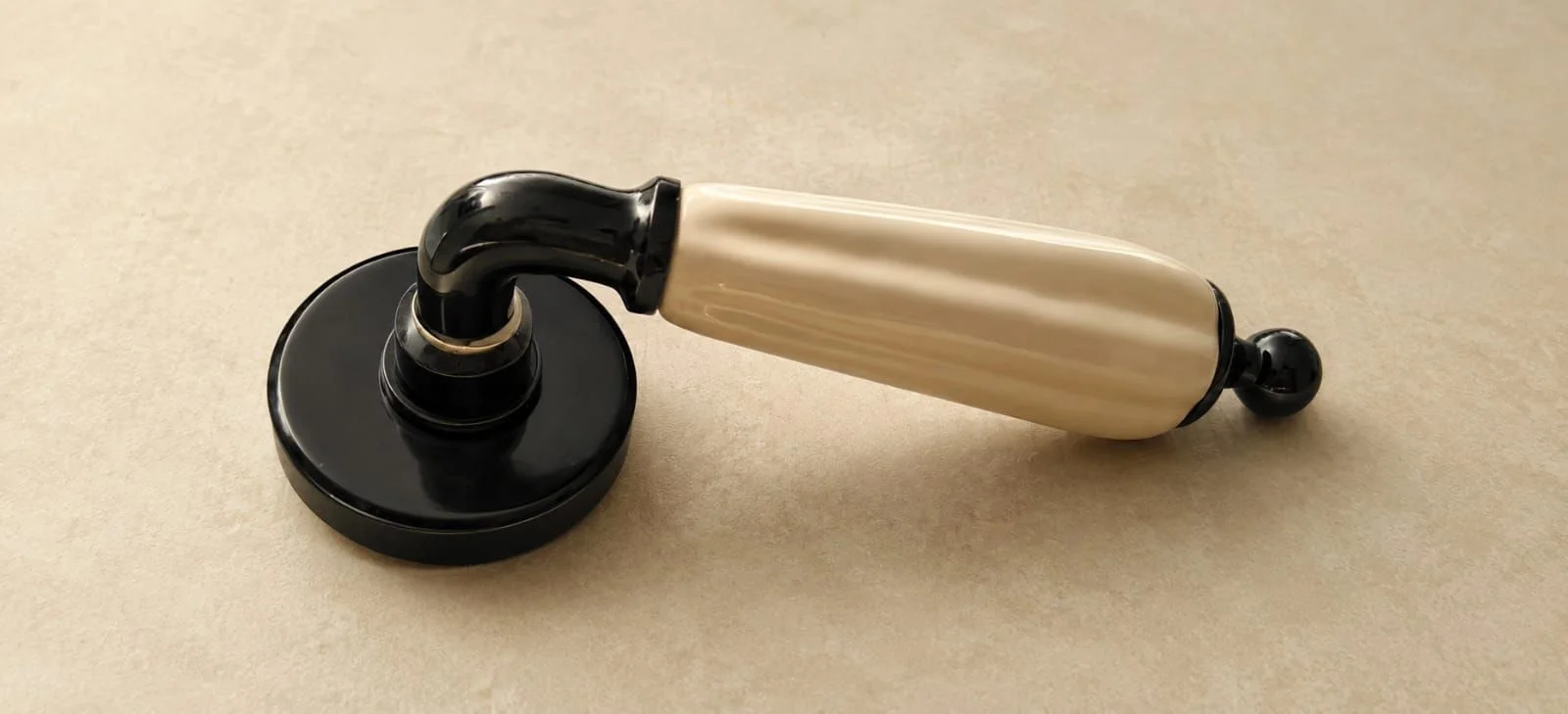
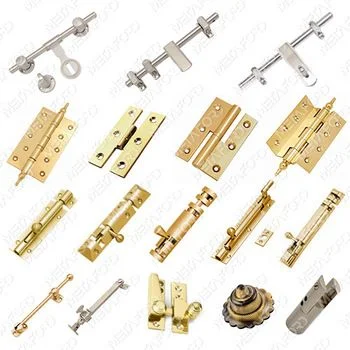
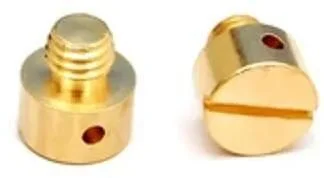
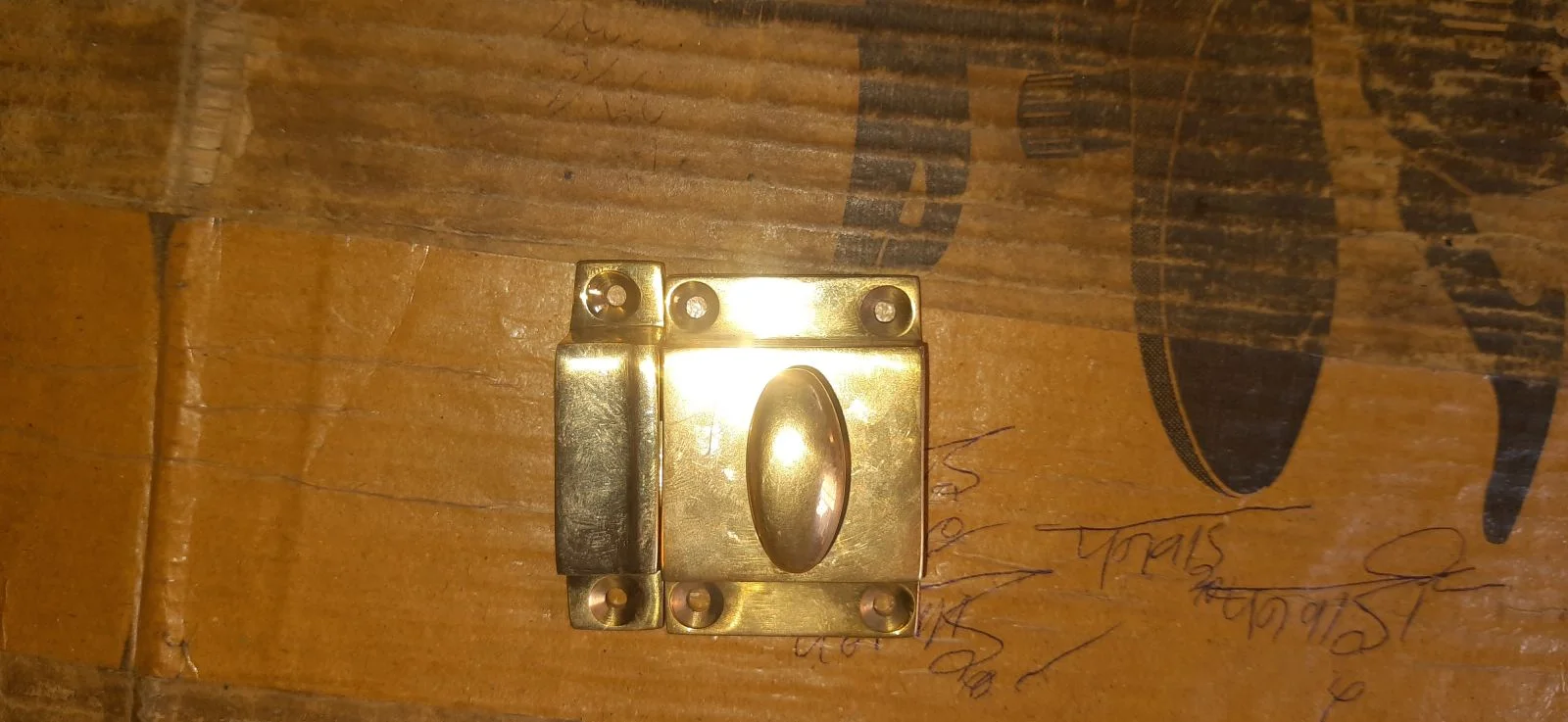
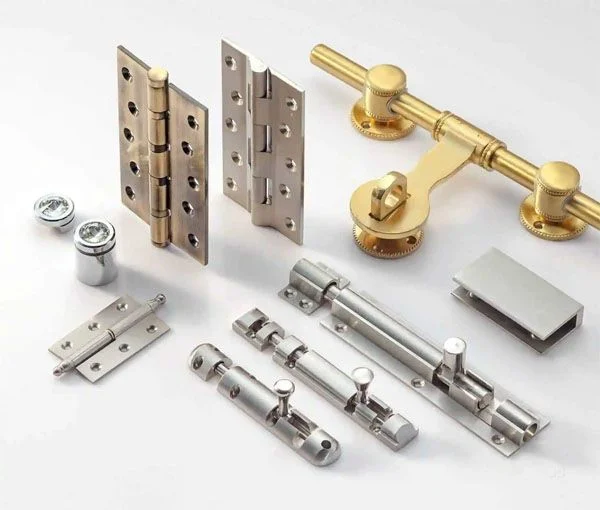
The catalogue includes cupboard locks, brass hinges (HS 8302.41, brass CuZn alloy), and mortise handles (HS 8302.41, stainless steel 304 with optional brass CZ121 or zinc alloy). Additional items are brass knobs (HS 7419.99, brass with 60‑65 % copper), brass tower bolts (HS 7415.29, brass CZ121/CZ114 containing approximately 58‑62 % copper), and a lock cylinder/body with no HS code provided. Each product is described by its primary material, allowing buyers to assess compatibility with existing hardware standards. The HS codes place the hinges and handles in chapter 83 (metal goods) and the knobs and tower bolts in chapter 74 (base metals), which are common reporting categories for international trade. The range therefore spans both load‑bearing hardware and decorative fittings.
Product Range and Specialties of Reynold Industries
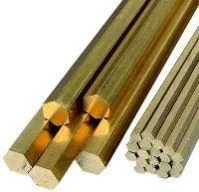
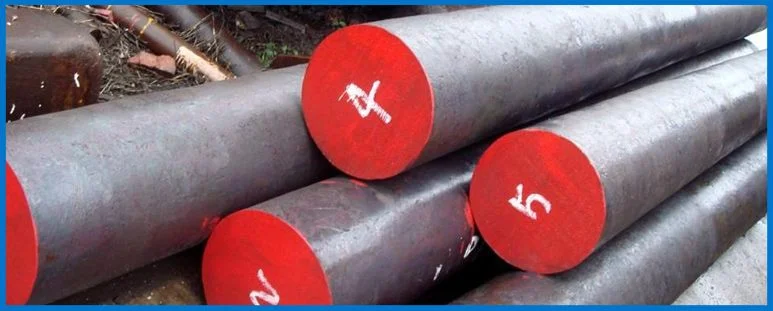
The brass items are produced from copper‑zinc alloys commonly graded as CZ121, CZ114 or BS 5152, which typically exhibit tensile strengths between 300 - 450 MPa and a corrosion‑resistant finish suitable for indoor furniture. Stainless‑steel mortise handles are specified as grade 304, an austenitic alloy that meets ASTM A240 standards for a minimum yield strength of 215 MPa and a 0.15 % maximum carbon content, providing resistance to rust in humid environments. Industry practice for these hardware components includes surface treatments such as polishing, chrome plating or powder coating, and dimensional tolerances are generally held within ±0.2 mm for hinges and ±0.1 mm for knobs and bolts.
Typical trade classifications place hinges and handles under HS 8302 (metal fittings) while knobs and tower bolts fall under HS 7415 - 7419 (brass articles). Buyers often encounter standard pack sizes of 500 pcs per 20 ft container pallet, with individual items boxed in corrugated cardboard or placed in wooden crates for bulk shipments. The catalogue’s material descriptions align with common specifications required by furniture manufacturers and security hardware integrators.
Trade and Export Information - Reynold Industries
India ranks among the top exporters of brass hardware and stainless‑steel fittings, supplying the Middle East, European Union, United States and several African markets. HS 8302 and HS 7415 - 7419 families are routinely inspected under customs regimes that reference the World Customs Organization’s Harmonized System, and many importers request certificates of origin and compliance with BIS (Bureau of Indian Standards) for brass alloys.
Typical certifications sought by overseas buyers include ISO 9001 quality‑management systems, CE marking for EU market entry, and RoHS compliance for products destined for electronics‑integrated furniture. Export shipments from Indian manufacturers are commonly packed in 20 ft or 40 ft containers, using FOB or CIF Incoterms, with palletized loads protected by moisture‑resistant liners to preserve surface finishes during sea transit.
Sourcing from Reynold Industries - Buyer Guidance
When sourcing from Reynold Industries, buyers should request a mill test report that confirms the exact copper‑zinc ratio for brass items and the chemical composition of stainless‑steel handles. A third‑party inspection certificate (e.g., SGS or Bureau Veritas) and a declaration of compliance with BIS 2063 (brass) or ASTM A240 (stainless steel) are standard documents for hardware imports. Samples of each hardware type - preferably a minimum of three units - allow verification of finish quality, dimensional tolerance, and functional operation before committing to larger orders.
Frequently Asked Questions About Reynold Industries
What product categories does Reynold Industries list?
The supplier lists six products: cupboard locks, brass hinges, mortise handles, brass knobs, brass tower bolts and a lock cylinder/body, all falling under hardware and locking mechanisms.
Which HS codes apply to the listed items?
Brass hinges and mortise handles use HS 8302.41, brass knobs use HS 7419.99, and brass tower bolts use HS 7415.29. No HS code is provided for the lock cylinder/body.
What materials are used for the hardware?
Materials include brass copper‑zinc alloy (CuZn) for hinges, knobs and tower bolts, and stainless steel grade 304 for mortise handles, with optional brass CZ121 or zinc alloy alternatives.
What certifications should a buyer request?
Buyers should ask for a mill test report, a certificate of origin, and any applicable ISO 9001, CE or RoHS certificates, as well as compliance with Indian standards such as BIS 2063 for brass.
What are typical minimum order quantities and lead times?
For hardware of this type, a common minimum order quantity is 500 pieces per item, with a production lead time of 30 to 45 days after order confirmation, depending on material and finish.
How are the products packaged for export?
Standard export packaging includes individual items wrapped in protective film, placed in corrugated cardboard boxes, and palletized for container loading, with moisture‑resistant liners used for brass components.
Which markets typically import these types of hardware?
Major import markets for Indian brass and stainless‑steel hardware include the United Arab Emirates, Germany, the United States and South Africa, where they are used in furniture manufacturing, door‑hardware installations and security systems.
How can a buyer obtain a sample?
Buyers can request a sample set by specifying the desired product(s) and material grade; the supplier usually provides three units per item for evaluation before a full order is placed.




 , India