Agriculture›
 Apparel and fashion accessories›
 Construction & real estate›💡Electronic & Electrical›🍎Food & Beverages›🛋️Home furnishing & supplies›⚗️Industrial goods & chemical›🪨Minerals & metals›📦Miscellaneous›Agriculture›Apparel and fashion accessories›Construction & real estate›💡Electronic & Electrical›🍎Food & Beverages›🛋️Home furnishing & supplies›⚗️Industrial goods & chemical›🪨Minerals & metals›📦Miscellaneous›
Reenjoh Limited Product Catalog
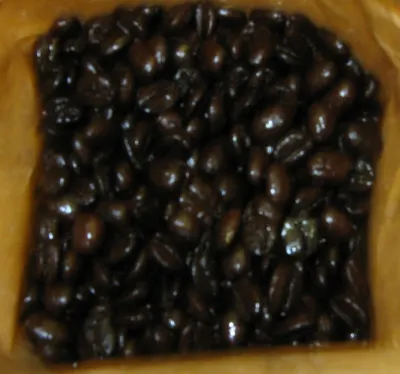
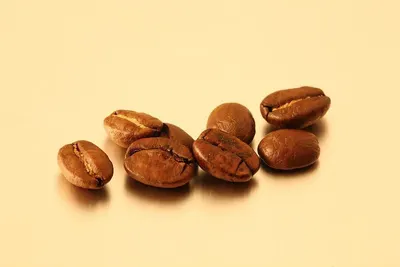
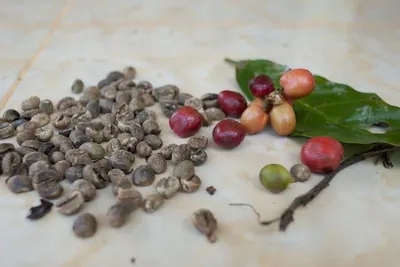
About Reenjoh Limited - Diverse Commodity Supplier in Kenya
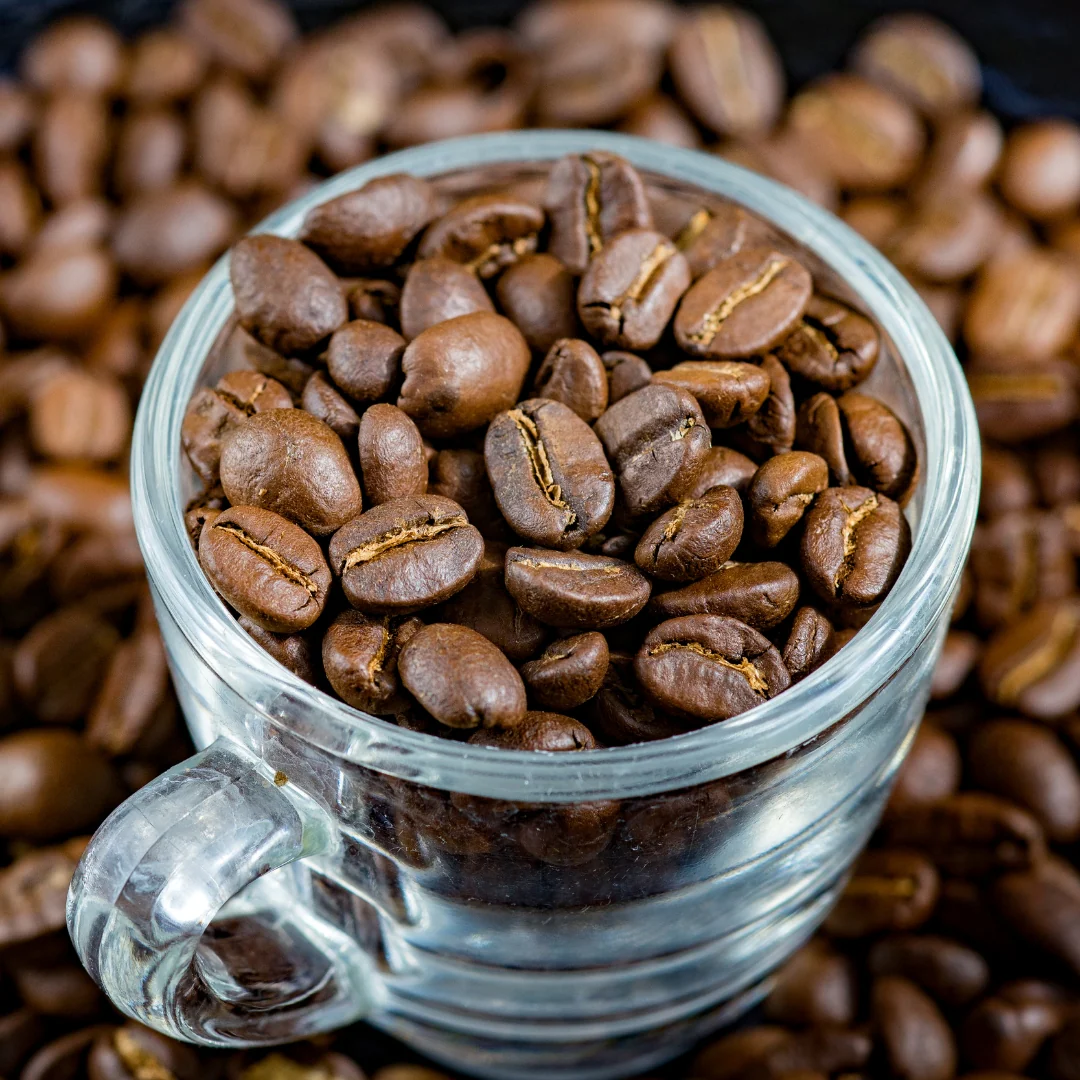
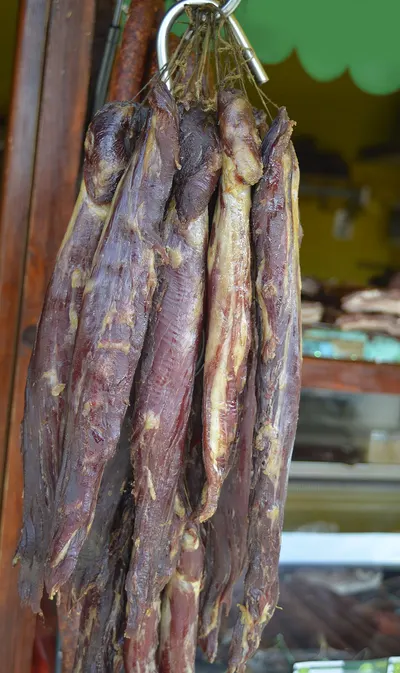
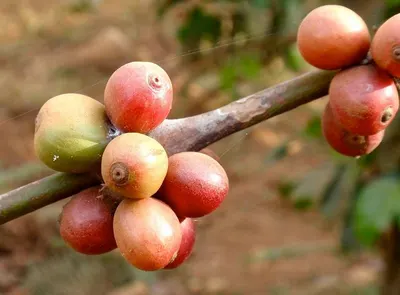
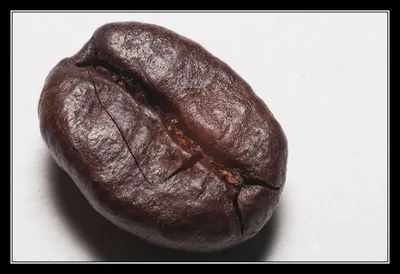
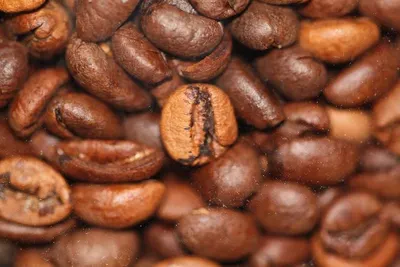
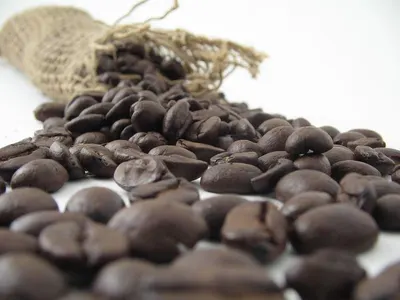
Kenya‑based Reenjoh Limited lists 342 active products across several primary commodity groups. The catalogue includes multiple entries for Arabica and Robusta coffee beans, refined sunflower oil, wet‑salted and dried animal hides, cashew nuts of various grades, sisal (coir) fiber and aluminium UBC scrap. One entry for Arabica coffee specifies the HS code 0901.11 and identifies the material as green Arabica beans of the Arara, Catuai and Catucai varieties. The remaining items fall under the standard HS chapters for coffee (09), hides (41), cashew nuts (08), sisal fiber (53), sunflower oil (15) and aluminium scrap (76).
Product Range and Specialties of Reenjoh Limited
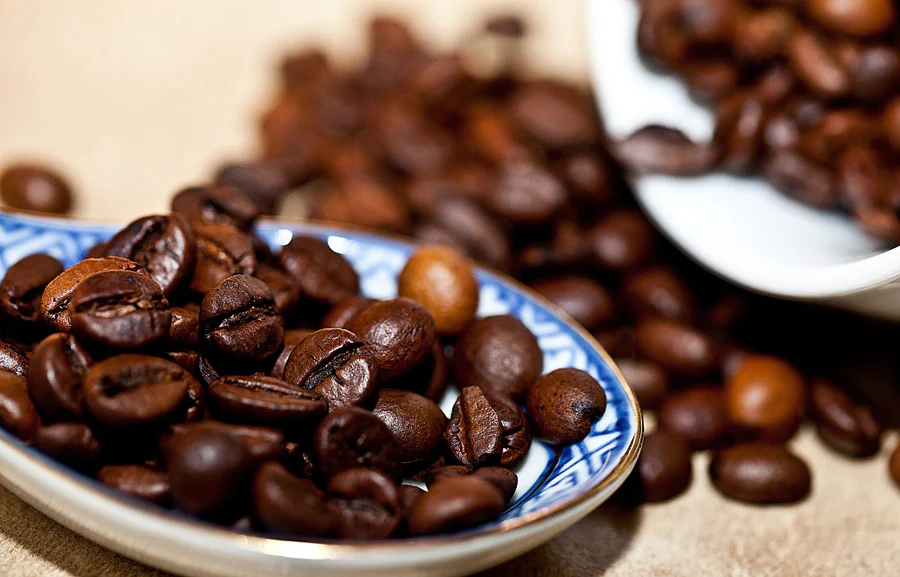
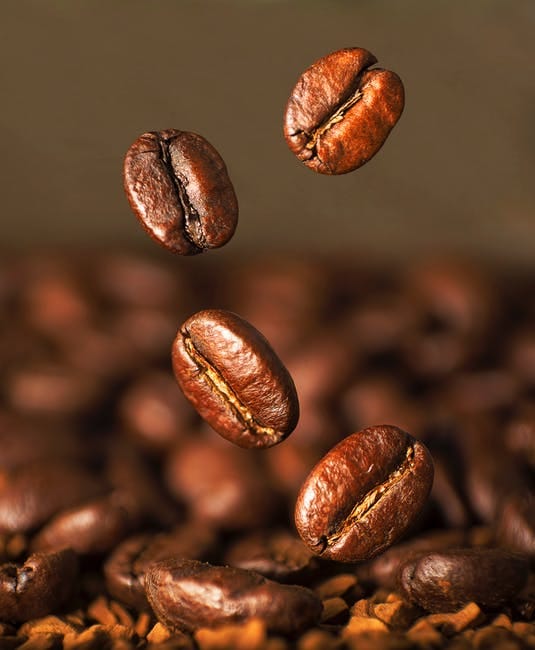
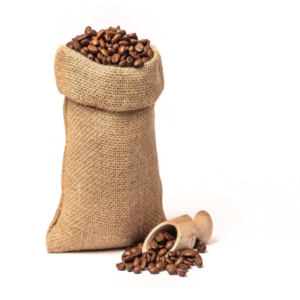
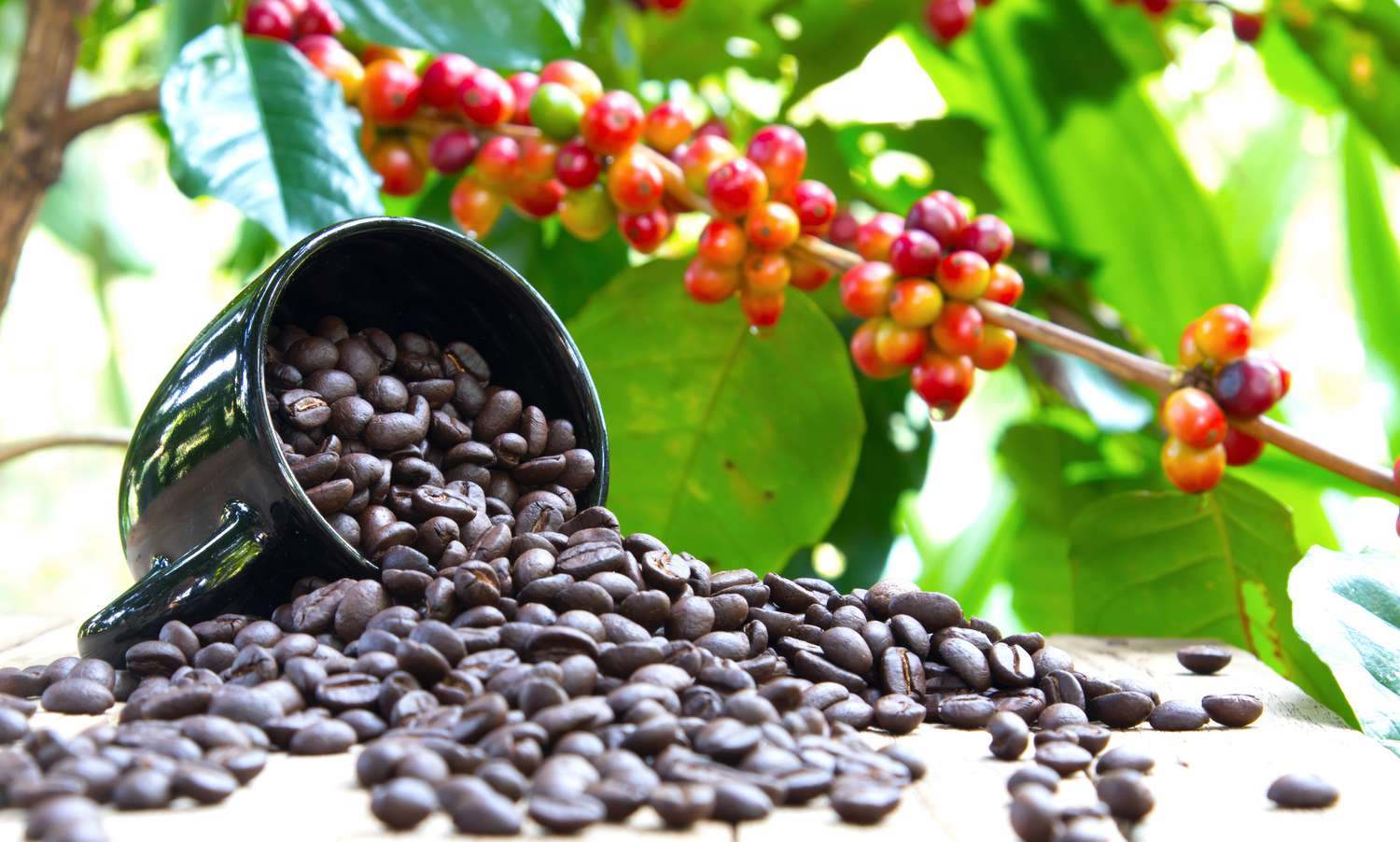
The coffee segment comprises green Arabica beans (HS 0901.11) and blended Arabica/Robusta listings, reflecting common Kenyan varieties such as Arara, Catuai and Catucai. In international trade, Arabica beans are graded by screen size (e.g., 16/18) and moisture content of 10‑12 %, while Robusta often carries a higher caffeine content and a moisture range of 11‑13 %. Sunflower oil is offered as refined cooking oil, typically meeting an acid value below 0.3 % and an iodine value around 120‑130, and is shipped in 25 kg steel drums. The hide products are wet‑salted or dried animal skins, usually graded by thickness and moisture (30‑35 %) and packed in sealed cartons. Cashew nuts appear in grades W210, W320 and W450, which correspond to kernel size and shell‑removal quality; standard specifications include moisture under 5 % and aflatoxin limits below 10 µg/kg. Sisal (coir) fiber is described as high‑quality, with typical fiber lengths of 1.5‑2.0 m and tensile strength between 200‑300 MPa, packed in 500 kg bales for export.
Frequently Asked Questions About Reenjoh Limited
What varieties of coffee beans does Reenjoh Limited list?
The catalogue mentions green Arabica beans of the Arara, Catuai and Catucai varieties and also blended Arabica/Robusta beans. Arabica is typically graded by screen size and moisture 10‑12 %, while Robusta has higher caffeine and a slightly higher moisture range.
How are the cashew nuts classified in the product list?
Cashew nuts appear under three size grades: W210, W320 and W450, which indicate kernel size and shell‑removal quality. Standard specifications include moisture below 5 % and compliance with aflatoxin limits of 10 µg/kg.
Which HS codes apply to the main product groups?
Coffee beans use HS 0901.11, refined sunflower oil falls under HS 1509, wet‑salted hides are classified under HS 4102, cashew nuts under HS 0801, sisal (coir) fiber under HS 5303 and aluminium UBC scrap under HS 7604.
What documentation should a buyer request for hide imports?
Buyers should obtain a phytosanitary certificate, a fumigation or heat‑treatment certificate, and, where relevant, a CITES permit for protected species. The commercial invoice should list HS 4102 and the exact moisture content.
What are the typical packaging formats for sunflower oil?
Refined sunflower oil is commonly packed in 25 kg steel drums or 200 L IBC containers, sealed to prevent oxidation. The drums are labeled with the HS code, origin, and a quality analysis sheet.
 Kenya
Related Suppliers & Products
Explore similar suppliers, related products and trending categories