RDT Overseas — Verified Supplier
About RDT Overseas - Pulses Supplier in India
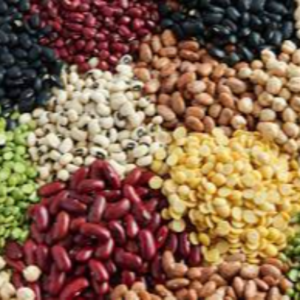
RDT Overseas is a supplier based in India, with 22 active products in its catalogue. The company lists a variety of pulses, including Red Kidney Beans, Cow Peas, Red Lentil Split, and Whole Red Lentil, among others. These products are typically classified under HS code chapters 07 and 11. RDT Overseas operates from India, a country known for its significant production and export of pulses, with major markets in Asia, Africa, and the Middle East.
The company's product range includes various types of lentils, peas, chickpeas, and wheat products, such as Besan, or Chickpea Flour, and Dry Green Peas. These products are often used in various culinary and industrial applications, including food processing, animal feed, and pharmaceuticals. India, as an origin country, has a well-established infrastructure for the production, processing, and export of these commodities, with many suppliers like RDT Overseas playing a crucial role in the global supply chain.
Product Range and Specialties of RDT Overseas
RDT Overseas' catalogue includes a diverse range of pulses and related products, such as Split Pigeon Peas, White Peas, and Desi Chickpea. These products are typically graded according to their quality, with specifications including moisture content, purity, and grain size. For instance, Red Kidney Beans are often graded as per the AGMARK standards, with a typical moisture content of 12% and purity of 99%. Buyers sourcing from RDT Overseas should confirm the specific grades and specifications of the products they are interested in, as these can vary depending on the application and market requirements.
In the pulses industry, buyers often look for products that meet specific quality standards, such as those set by the International Organization for Standardization (ISO) or the Food and Agriculture Organization (FAO) of the United Nations. For example, lentils are often classified according to their size and color, with red lentils typically having a higher protein content than green lentils. RDT Overseas, as a supplier, should be able to provide detailed information about the quality and specifications of its products, including test reports and certificates of origin.
Trade and Export Information - RDT Overseas
Exporters of pulses from India, like RDT Overseas, typically ship their products to various regions, including the Middle East, Africa, and Southeast Asia. These goods are often transported in 20 or 40 feet containers, with packaging options including jute bags, polypropylene bags, or bulk containers. The HS code chapters relevant to these products, such as 0713 for dried legumes, are crucial for customs clearance and regulatory compliance. Buyers should ensure that they are aware of the applicable regulations and standards in their import country, including phytosanitary and sanitary certificates, and that the supplier can provide the necessary documentation.
The logistics and trade norms for pulses exports from India are well-established, with many suppliers and buyers familiar with the Incoterms, such as FOB or CIF, and the relevant packaging and shipping requirements. RDT Overseas, as an Indian supplier, is likely to be familiar with these norms and able to provide guidance on the shipping and delivery options available to buyers.
Sourcing from RDT Overseas - Buyer Guidance
Buyers sourcing from RDT Overseas should request detailed specifications and test reports for the products they are interested in, including information about the quality, moisture content, and purity of the pulses. They should also confirm the packaging options and shipping terms, including the Incoterms and the expected delivery time. Additionally, buyers may want to request certificates of origin, phytosanitary certificates, or other documentation required for customs clearance and regulatory compliance.
When evaluating a supplier like RDT Overseas, buyers should consider factors such as the supplier's product range, quality control measures, and export experience. They should also research the applicable regulations and standards in their import country and ensure that the supplier can meet these requirements. By doing their due diligence, buyers can ensure a smooth and successful sourcing experience from RDT Overseas.
Frequently Asked Questions About RDT Overseas
What is the typical moisture content of Red Kidney Beans?
The typical moisture content of Red Kidney Beans is around 12%, as per the AGMARK standards. However, this can vary depending on the specific product and supplier.
What is the difference between Red Lentil Split and Whole Red Lentil?
Red Lentil Split and Whole Red Lentil differ in their processing and appearance. Red Lentil Split is split into two halves, while Whole Red Lentil is left whole. The split version is often used in soups and stews, while the whole version is used in curries and other dishes.
What is the expected delivery time for pulses exported from India?
The expected delivery time for pulses exported from India can vary depending on the destination and shipping terms. However, typical delivery times range from 15 to 30 days for shipments to the Middle East, Africa, and Southeast Asia.
What certifications or documents should buyers request from RDT Overseas?
Buyers should request certificates of origin, phytosanitary certificates, and other documentation required for customs clearance and regulatory compliance. They should also request test reports and specifications for the products they are interested in.
What is the minimum order quantity (MOQ) for pulses from RDT Overseas?
The MOQ for pulses from RDT Overseas can vary depending on the product and supplier. However, typical MOQs range from 100 to 500 kilograms, depending on the specific product and market requirements.
How do buyers confirm the quality of pulses from RDT Overseas?
Buyers can confirm the quality of pulses from RDT Overseas by requesting test reports, specifications, and certificates of quality. They should also inspect the products upon arrival and verify that they meet the agreed-upon specifications and quality standards.
What are the common packaging options for pulses exported from India?
Common packaging options for pulses exported from India include jute bags, polypropylene bags, and bulk containers. The specific packaging option depends on the product, supplier, and buyer requirements.
What are the relevant HS code chapters for pulses exported from India?
The relevant HS code chapters for pulses exported from India include 0713 for dried legumes, among others. The specific HS code chapter depends on the product and its classification.




 , India