Ranjeet Tubewell Traders — Verified Supplier
About Ranjeet Tubewell Traders - Rice Supplier in India
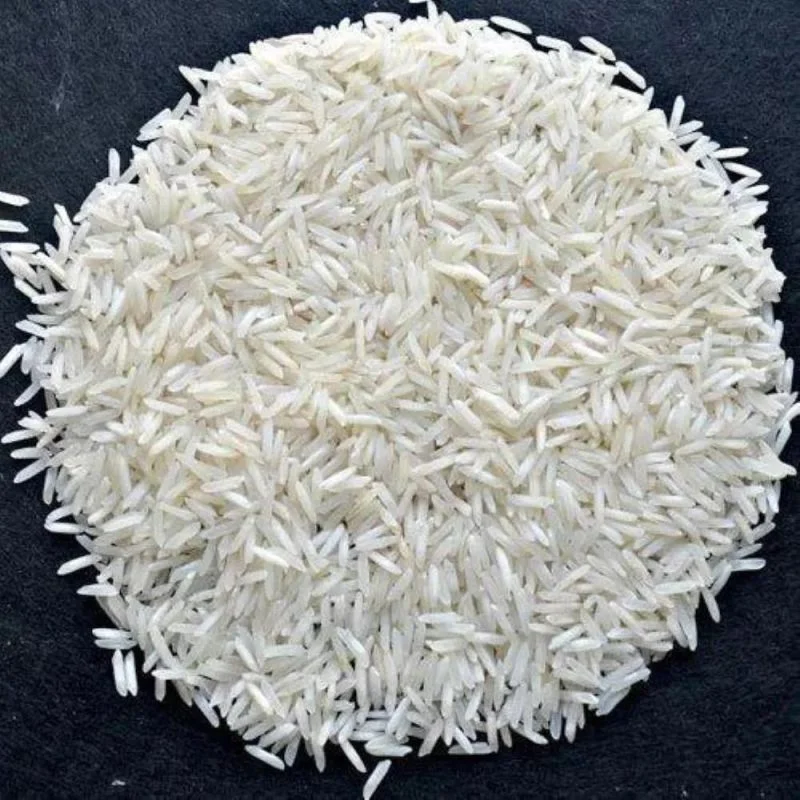
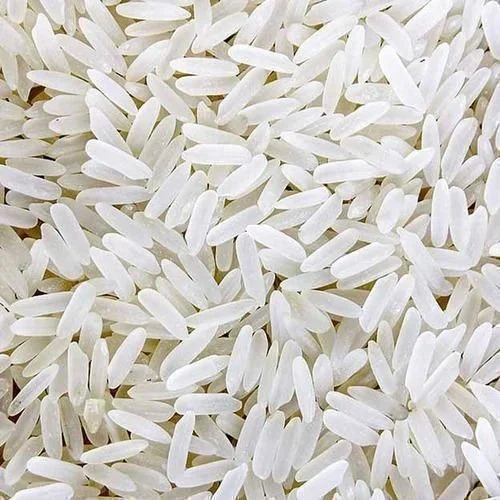
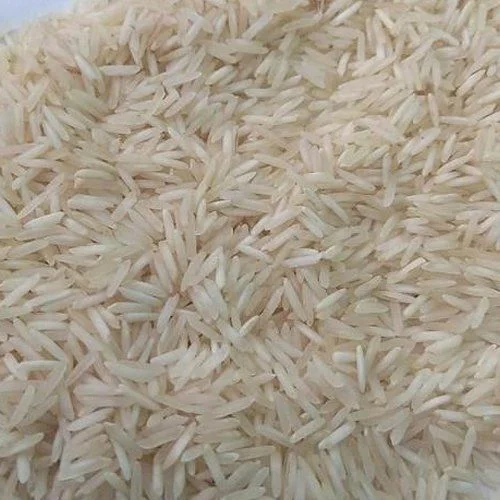
India hosts Ranjeet Tubewell Traders, which currently lists seven active products across its catalogue. The listed top categories include Rice, Tamarind Seed, Fresh Onion, Fresh Garlic, Maize, and Jaggery, reflecting a focus on staple food commodities and related agricultural products. The supplier’s catalogue enumerates Tamarind, Onions, Basmati & Non‑Basmati Rice (Sella 1121, IR‑64), Garlic, IR 64 Rice, Maize and Jaggery, covering both grain and processed sweetener lines. Each product is presented without specific HS‑code references in the supplied data, but they fall within standard HS chapters for cereals, vegetables and sugar products.
The seven items are grouped under well‑known commodity families: rice varieties (Basmati, Sella, IR 64), fresh vegetables (onion, garlic), maize kernels, tamarind fruit pulp, and jaggery as a traditional unrefined sugar. The catalogue distinguishes between Basmati and non‑Basmati rice, indicating separate quality streams, while the inclusion of both Sella and IR 64 suggests attention to different grain lengths and moisture levels. The presence of fresh onion and garlic points to a market for raw, peeled produce, and the maize entry aligns with common feed and food grain demands. Jaggery, listed as a single product, represents the traditional solid sugar segment derived from sugarcane or palm sap.
Product Range and Specialties of Ranjeet Tubewell Traders
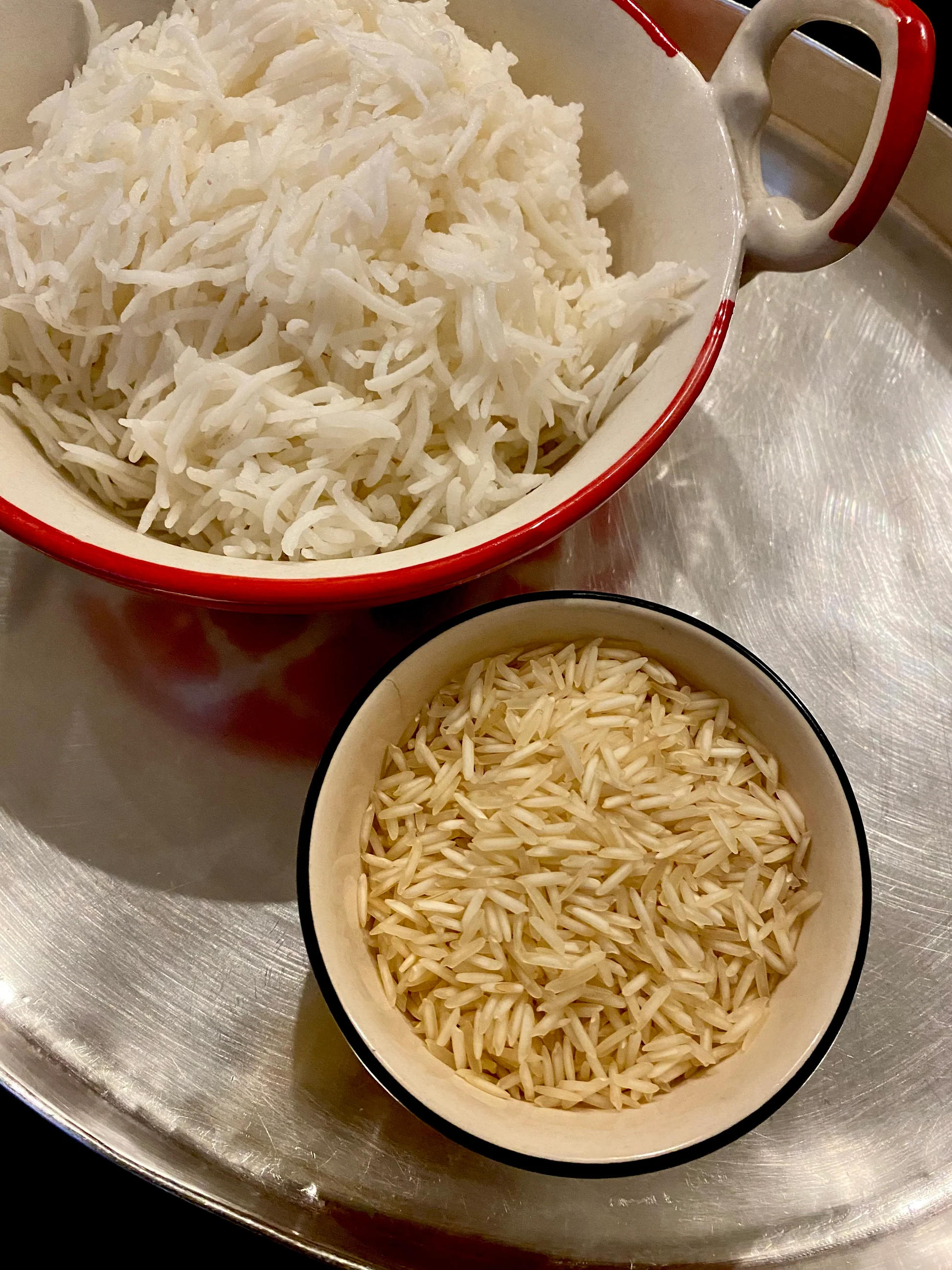
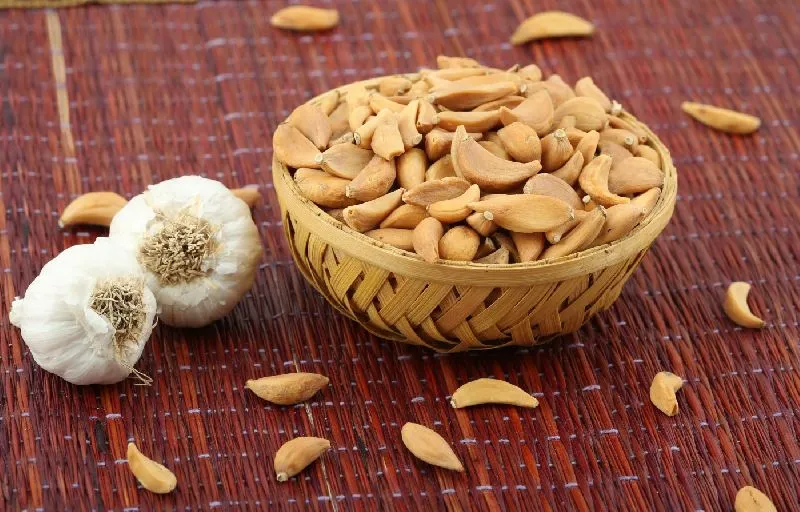
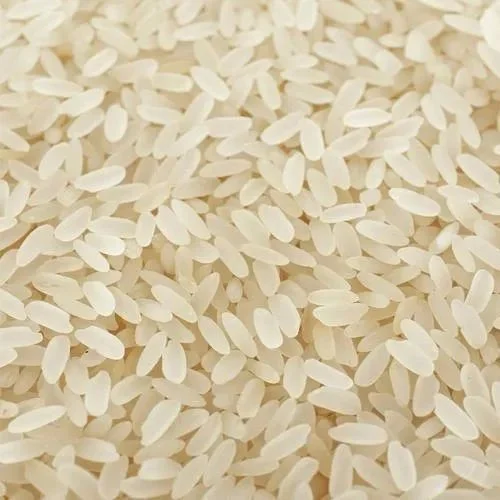
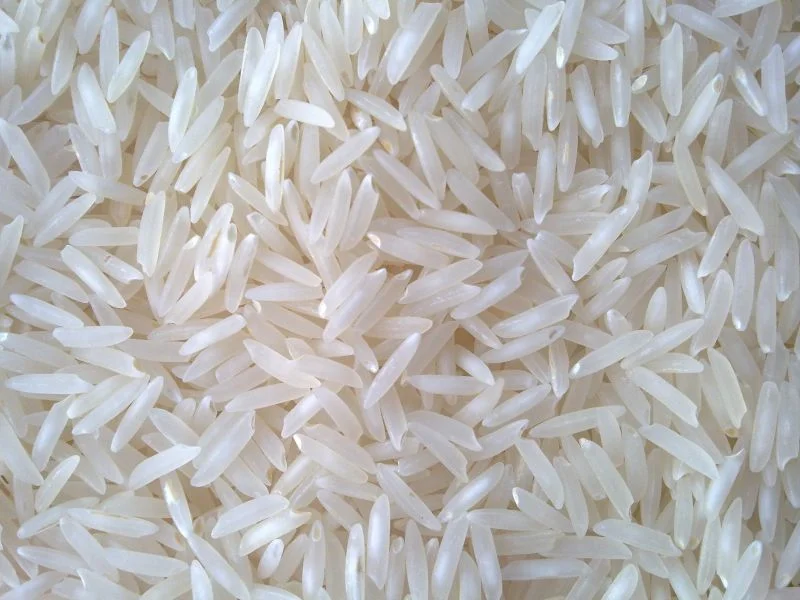
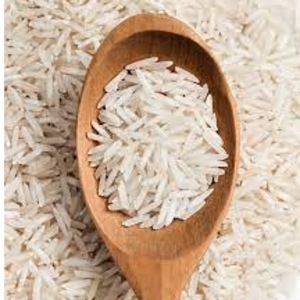
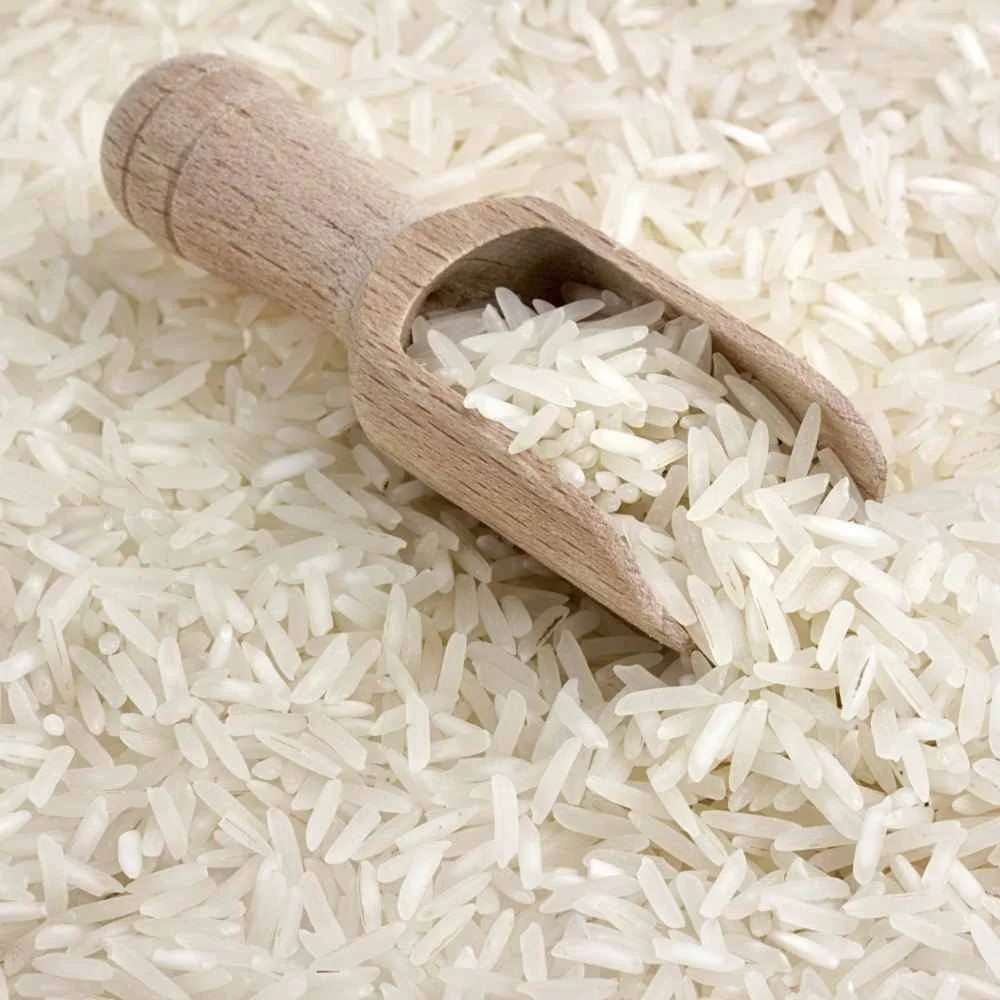
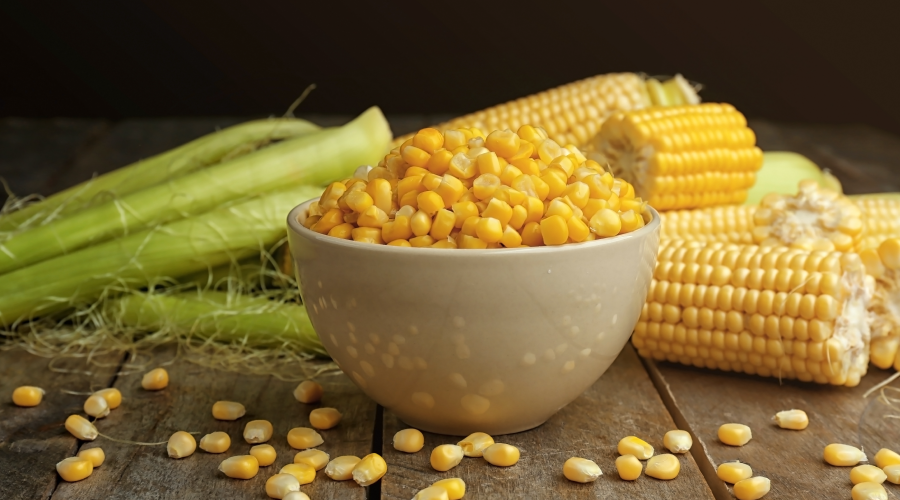
Ranjeet Tubewell Traders offers a mix of cereal grains, fresh vegetables and a processed sweetener. In the rice segment, Basmati and non‑Basmati varieties such as Sella 1121 and IR 64 are typical; industry specifications often cite moisture content below 14 %, broken grain percentage under 5 % for premium grades, and kernel length ≥ 6.5 mm for Sella. Fresh onions are usually graded by size (small, medium, large) and moisture, with common market standards requiring < 10 % moisture and uniform skin color. Garlic is commonly supplied as whole bulbs with a minimum clove count of 10 per kg and moisture under 13 %. Maize kernels are evaluated on test weight (≈ 7.5 kg / hl) and moisture around 12‑14 %. Tamarind pulp is graded by pulp‑to‑seed ratio, often 4:1 or higher, with moisture under 12 %. Jaggery is measured by purity (typically 80‑90 % sucrose) and moisture below 8 %.
Trade and Export Information - Ranjeet Tubewell Traders
India is a major exporter of rice, maize, onions, garlic, tamarind and jaggery, with shipments commonly directed to the Middle East, Africa, Southeast Asia and parts of Europe. The relevant HS‑code families include 1006 for milled rice, 0703 for onions, 0704 for garlic, 1005 for maize, 0804 for tamarind, and 1701 for jaggery and other sugar products. Importers typically request phytosanitary certificates, a certificate of origin, and quality certificates such as ISO 9001 or FSSC 22000 when available. Packaging for rice and maize often uses 50 kg polypropylene bags or 20 ft containers with bulk bag liners; fresh onions and garlic are shipped in ventilated jute or mesh bags to preserve freshness. Standard Incoterms for these commodities include FOB Indian ports (e.g., Mumbai, Chennai) and CIF to destination ports, with container loading optimized for 20‑ft or 40‑ft units depending on product volume.
Sourcing from Ranjeet Tubewell Traders - Buyer Guidance
Buyers should request detailed product specifications, including moisture content, broken grain percentage for rice, size grading for onions and garlic, test weight for maize, pulp‑to‑seed ratio for tamarind, and purity level for jaggery. Requesting a recent phytosanitary certificate and, where possible, a third‑party lab test report (e.g., for pesticide residues or heavy metals) helps verify compliance with importing country regulations. Typical minimum order quantities range from one 20‑ft container for bulk grains (≈ 20‑25 tonnes) to 500 kg cartons for fresh vegetables, with lead times of 30‑45 days after order confirmation, depending on harvest cycles and processing schedules. Confirm packaging details - such as 50 kg bags for rice, mesh bags for onions, and sealed kraft boxes for jaggery - to ensure compatibility with your logistics chain.
Frequently Asked Questions About Ranjeet Tubewell Traders
What rice varieties does Ranjeet Tubewell Traders list?
The catalogue includes Basmati and non‑Basmati rice, specifically Sella 1121 and IR 64 grades, which are commonly differentiated by grain length and moisture specifications.
Are fresh onions supplied with any size grading?
Onions are offered as fresh produce and are typically graded by size (small, medium, large) and moisture content, with market standards requiring moisture below 10 %.
Which HS codes apply to the products offered?
Typical HS codes are 1006 for milled rice, 0703 for onions, 0704 for garlic, 1005 for maize, 0804 for tamarind, and 1701 for jaggery, aligning with international tariff classifications.
What certifications should a buyer request from this supplier?
Buyers should request phytosanitary certificates, a certificate of origin, and, if available, quality management certifications such as ISO 9001 or FSSC 22000, as well as any third‑party lab test reports.
What are the usual packaging formats for the listed commodities?
Rice and maize are commonly packed in 50 kg polypropylene bags, onions and garlic in ventilated jute or mesh bags, tamarind pulp in sealed cartons, and jaggery in kraft boxes or bulk bags, all suitable for container loading.
What is a typical minimum order quantity and lead time?
Minimum orders are generally one 20‑ft container for bulk grains (approximately 20‑25 tonnes) or 500 kg cartons for fresh vegetables, with lead times of 30‑45 days after order confirmation, subject to harvest and processing schedules.
Which markets commonly import these Indian commodities?
Key import markets include countries in the Middle East, Africa, Southeast Asia and the European Union, where demand for rice, maize, onions, garlic, tamarind and jaggery remains strong.
How are shipments usually arranged from India?
Exporters often use FOB terms from major Indian ports such as Mumbai or Chennai, with buyers arranging onward freight; CIF terms are also common for door‑to‑door delivery in destination markets.




 , India