Agriculture›
 Apparel and fashion accessories›
 Construction & real estate›💡Electronic & Electrical›🍎Food & Beverages›🛋️Home furnishing & supplies›⚗️Industrial goods & chemical›🪨Minerals & metals›📦Miscellaneous›Agriculture›Apparel and fashion accessories›Construction & real estate›💡Electronic & Electrical›🍎Food & Beverages›🛋️Home furnishing & supplies›⚗️Industrial goods & chemical›🪨Minerals & metals›📦Miscellaneous›
Qingdao Reliable Machinery Co., Ltd.
⚓ Harbor , ChinaNew supplier / no reviews yet
Qingdao Reliable Machinery Co., Ltd. Product Catalog

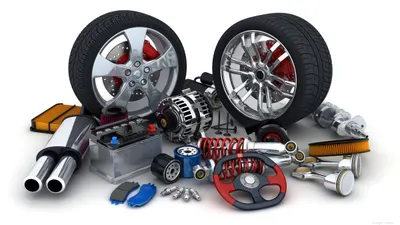
About Qingdao Reliable Machinery Co., Ltd. - Machined and Die Cast Components Supplier in China
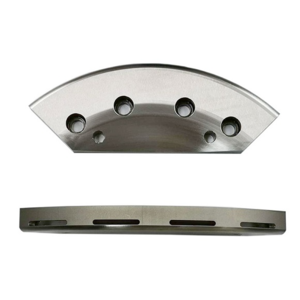
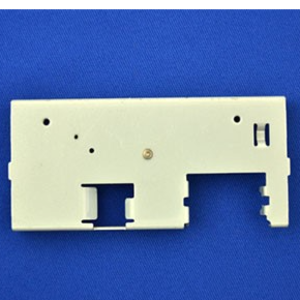
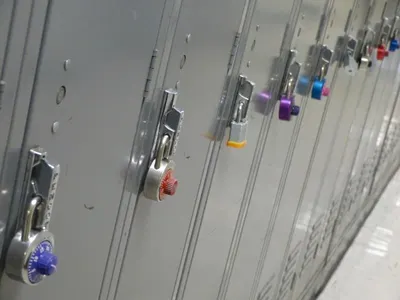
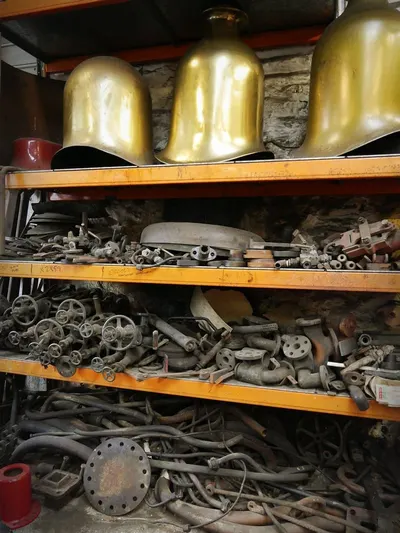
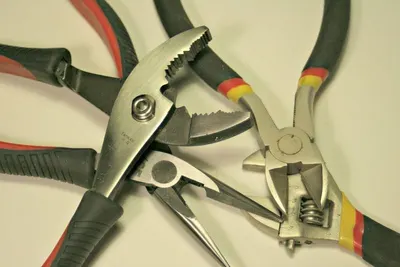
Qingdao Reliable Machinery Co., Ltd. is a machinery components supplier based in Qingdao, a major port and manufacturing hub in Shandong Province on China's east coast. The supplier lists 5 active products across 5 distinct categories: Die Casted Automobile Components, Tools & Instruments, Electric Components, Machined Components, and Safes Lockers. The catalogue spans auto parts, hand tool parts, electronic parts, military parts, and lock parts, indicating a workshop oriented toward small-to-medium metal and electromechanical components rather than finished consumer goods. The product mix sits squarely within China's contract manufacturing and subcontracting cluster around Qingdao, where aluminium and zinc die casting, CNC machining, and tool hardware production are well established. The combination of die casted auto components with hand tool parts, electronic parts, lock parts, and military parts suggests the supplier works across multiple alloys and finishing routes, serving buyers who source mixed component lots from a single Chinese vendor. As an imported-tier supplier on the platform, the listing reflects the breadth of items offered rather than verified production scale.
Product Range and Specialties of Qingdao Reliable Machinery Co., Ltd.
The active catalogue of 5 products covers five separate HS code families. Auto parts and die casted automobile components typically fall under HS 8708 (parts of motor vehicles), with die casted sub-components often classified under HS 7616 (other articles of aluminium) or HS 7907 (other articles of zinc) depending on the base alloy. Hand tool parts generally sit in HS 8205 (hand tools, interchangeable tools) or HS 8466 (parts of machine tools), while electronic parts are usually coded under HS 8541, 8542 or 8536 depending on whether they are semiconductor devices, electronic integrated circuits, or connectors. Lock parts and safe locker components are commonly classified under HS 8301 (padlocks, locks, keys) or HS 8303 (safes, strongboxes). In the die casting category, buyers typically review alloy specification (ADC12 or A380 aluminium, Zamak 3 or Zamak 5 zinc), tensile strength in MPa, surface finish grade, and dimensional tolerance per ISO 2768. For machined components, common reference standards include ISO 2768 (general tolerances), GB/T 1800 (fits and tolerances) and material grades such as 6061-T6 aluminium, C45 carbon steel, or SUS304 stainless steel. Hand tool parts are usually specified by hardness (HRC), material (Cr-V steel, S2 steel), and conformity to DIN or ANSI tool standards, while lock and safe components are graded by cycle testing (commonly 100,000 to 500,000 cycles), pick resistance, and salt spray hours for corrosion performance.
Frequently Asked Questions About Qingdao Reliable Machinery Co., Ltd.
What product categories does Qingdao Reliable Machinery Co., Ltd. supply?
The supplier lists 5 active products across die casted automobile components, hand tool parts, electronic parts, military parts, and lock parts, spanning HS chapters 82, 83, 85 and 87. Each category has its own alloy, tolerance, and finishing conventions that buyers should clarify per part.
Which HS codes typically apply to the listed components?
Auto parts generally fall under HS 8708, hand tool parts under HS 8205 or 8466, electronic parts under HS 8541, 8542 or 8536, and lock and safe parts under HS 8301 or 8303. The exact subheading depends on the specific item and material, so the supplier should confirm the declared HS code per shipment.
What material specifications should buyers request for die cast parts?
Buyers should request the alloy designation (such as ADC12, A380, Zamak 3 or Zamak 5), tensile strength in MPa, and surface finish grade. A mill test certificate and dimensional inspection report per ISO 2768 are standard supporting documents for die cast orders.
Which certifications are typically required for these component categories?
Automotive buyers usually require PPAP or IMDS submissions, EU-bound electronics typically need RoHS and REACH compliance, and safe and lock components may require EN 1300 or UL 72 depending on the destination market. Buyers should request and verify each applicable certificate before order confirmation.
What is the typical sampling and lead time for machined and die cast parts?
Sample parts in these categories typically take 15 to 30 days to produce, with bulk production runs of 30 to 60 days depending on part complexity and any secondary operations such as anodizing or powder coating. Tooling or mould lead time is additional for new die cast parts.
ChinaRelated Suppliers & Products
Explore similar suppliers, related products and trending categories