Agriculture›
 Apparel and fashion accessories›
 Construction & real estate›💡Electronic & Electrical›🍎Food & Beverages›🛋️Home furnishing & supplies›⚗️Industrial goods & chemical›🪨Minerals & metals›📦Miscellaneous›Agriculture›Apparel and fashion accessories›Construction & real estate›💡Electronic & Electrical›🍎Food & Beverages›🛋️Home furnishing & supplies›⚗️Industrial goods & chemical›🪨Minerals & metals›📦Miscellaneous›
Putian Venble Jewellery Co., Ltd.
⚓ Harbor , ChinaNew supplier / no reviews yet
Putian Venble Jewellery Co., Ltd. Product Catalog
About Putian Venble Jewellery Co., Ltd. - Beads Supplier in China
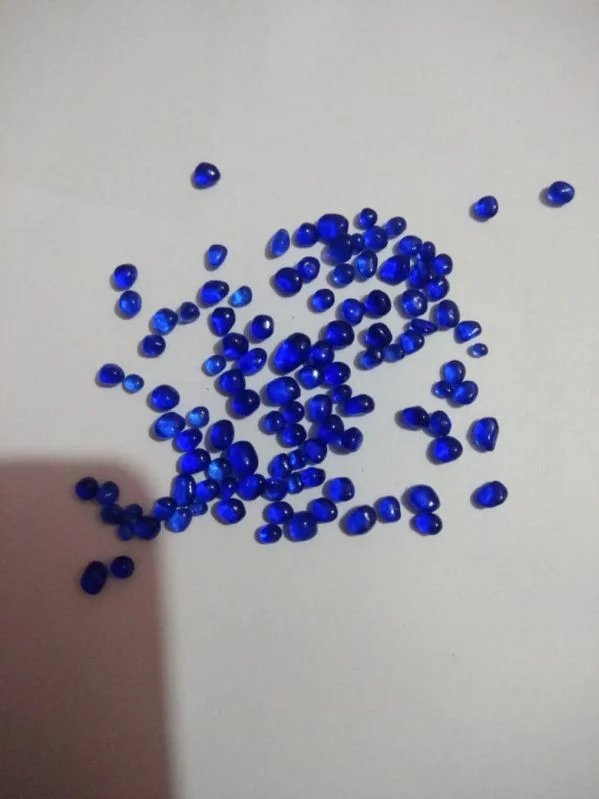
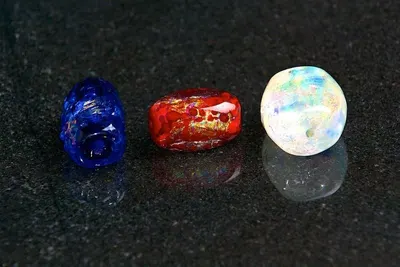
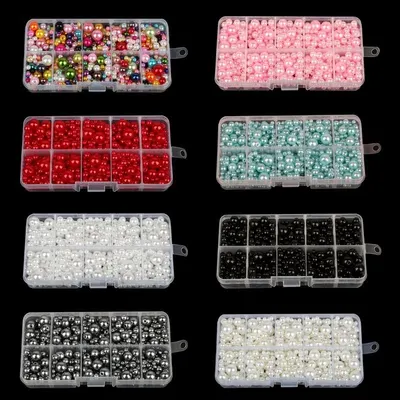
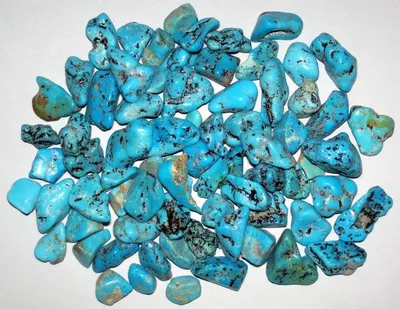
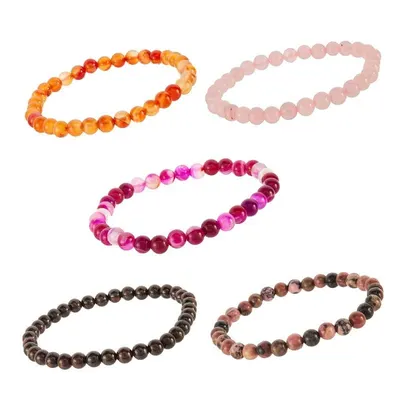
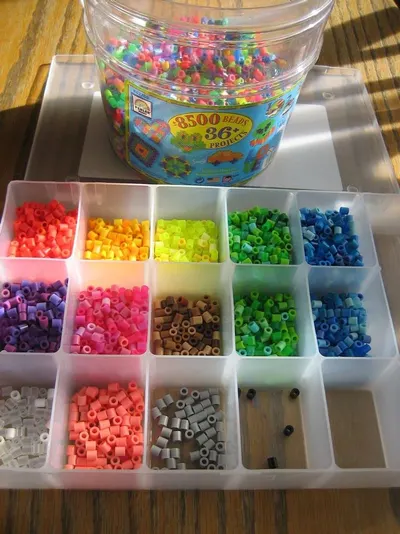
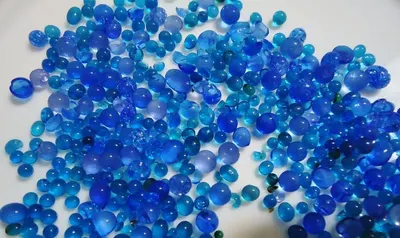
Putian Venble Jewellery Co., Ltd. is based in China and currently lists eight active products on its catalogue. The catalogue covers items classified under HS‑code 7018.10 for glass beads and HS‑code 9601.62 for natural stone beads, reflecting the company’s focus on bead‑type accessories. The supplier’s top categories are recorded as Beads, Glass Beads, Precious & Semi‑Precious Stones and Agriculture, indicating a primary emphasis on decorative beadware. Each entry specifies material such as soda‑lime glass for the faceted glass beads and a range of natural stones including jade, agate and turquoise for the stone beads.
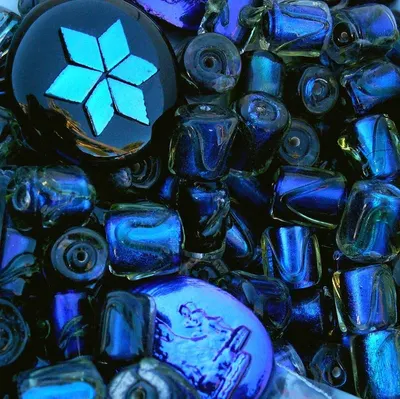
The product list includes faceted glass beads with large holes, customized love‑shaped faceted beads, natural stone beads for charms, dichroic glass beads, heart‑shaped glass beads for Valentine’s Day, Murano glass beads intended for bracelets, synthetic turquoise stone with a checker‑faceted finish, and a crystal‑brillante Murano style bead. While some items provide explicit HS codes and material descriptions, others are identified only by design or finish. The mix of glass and natural stone items aligns with the supplier’s stated categories of glass beads and precious or semi‑precious stones.
Product Range and Specialties of Putian Venble Jewellery Co., Ltd.
The catalogue’s glass bead items fall under the soda‑lime glass family, a material commonly used for decorative beads because of its clarity and ease of coloring. In the industry, glass beads of HS‑code 7018.10 are typically offered in diameters from 2 mm to 10 mm, with hole sizes ranging from 0.5 mm to 2 mm, and quality grades are defined by surface finish, color uniformity and absence of inclusions. Natural stone beads classified under HS‑code 9601.62 are usually cut from minerals such as jade, agate, turquoise, onyx or tiger eye, with common specifications including Mohs hardness between 5 and 7, a drilled hole tolerance of ±0.1 mm, and a weight of 0.2 g to 1 g per bead depending on size. Buyers often request information on stone origin, treatment status and polish level when sourcing these products.
Frequently Asked Questions About Putian Venble Jewellery Co., Ltd.
What types of glass beads does Putian Venble Jewellery list?
The catalogue includes faceted glass beads with large holes, love‑shaped customized faceted beads, dichroic glass beads, heart‑shaped Valentine’s Day beads and Murano‑style beads for bracelets, all classified under HS‑code 7018.10 and made from soda‑lime glass.
Are natural stone beads available from this supplier?
Yes, the supplier lists natural stone beads for charms made from materials such as jade, agate, turquoise, onyx and tiger eye, recorded under HS‑code 9601.62.
Which HS codes apply to the listed products?
Glass bead items use HS‑code 7018.10, while natural stone beads use HS‑code 9601.62. Products without an HS code in the catalogue should be clarified with the supplier before ordering.
What certifications should a buyer request for these beads?
Buyers typically ask for REACH compliance statements, an MSDS for glass beads, a stone‑origin certificate for natural stones, and any ISO‑9001 quality management documentation the supplier can supply.
What is a typical minimum order quantity for the bead designs?
In the bead trade, MOQ commonly ranges from 500 to 5 000 pieces per design, depending on size and packaging; buyers should confirm the exact MOQ with the supplier for each item.
ChinaRelated Suppliers & Products
Explore similar suppliers, related products and trending categories