pt universal palm products — Verified Manufacturer & Wholesale Supplier
About pt universal palm products - Palm Oil Supplier in Indonesia
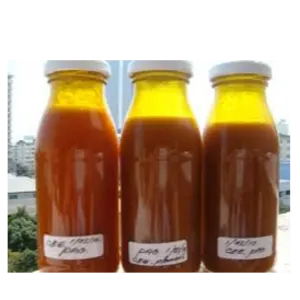
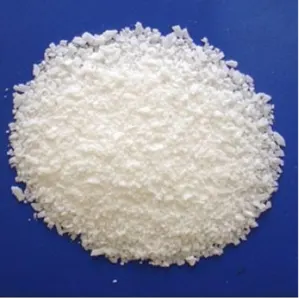
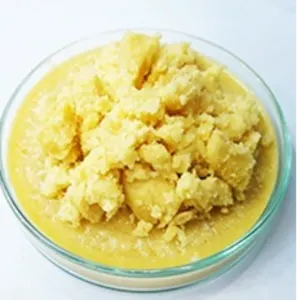
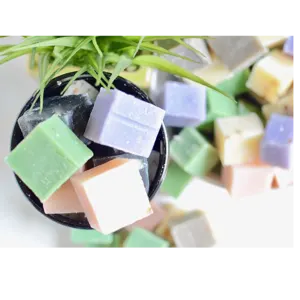
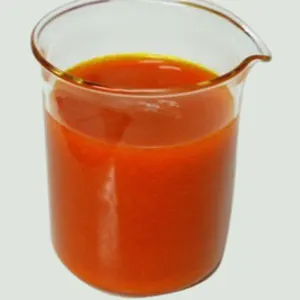
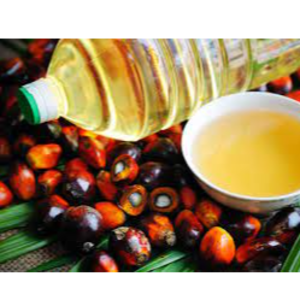
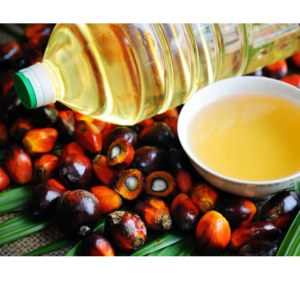
pt universal palm products, based in Surabaya, Indonesia, offers a range of products, with 7 active products in their catalogue. Their product range includes Crude palm oil, Refined glycerine, Soap Scraps, Mixed Fatty Acids, Residue Fuel, LAURIC ACID, and Palm acid oil. These products fall under various HS code families, including 1511.10, 2905.45, 3401.19, 3823.19, 2713.19, 2915.11, and 1513.29. Exporters of palm oil and other vegetable oils typically ship their products in bulk, with packaging ranging from 20 ft to 40 ft containers, and often require certifications such as ISO 9001 or palm oil-specific certifications like ISPO or MSPO.
As a supplier in Indonesia, pt universal palm products is well-positioned to serve the Asian market, as well as other regions that import palm oil and its derivatives, such as the European Union, the United States, and India. The company's products are manufactured using essential raw materials, and they have established a distribution network in various countries, ensuring efficient services and products.
Product Range and Specialties of pt universal palm products
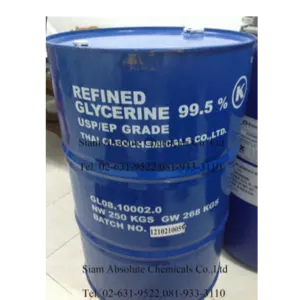
pt universal palm products' catalogue includes a variety of products, each with its own set of specifications and standards. For example, Crude palm oil is typically graded according to its ICUMSA classification, with common grades including ICUMSA 5, ICUMSA 10, and ICUMSA 20. Refined glycerine, on the other hand, is often classified according to its purity, with common specifications including 95% and 99% purity. Buyers of these products usually require certifications such as ISO 9001, as well as product-specific certifications like ISPO or MSPO, to ensure the quality and safety of the products.
In addition to these specifications, buyers may also request additional documentation, such as test reports, inspection certificates, and packaging specifications. For example, Soap Scraps may require a certificate of analysis, while Mixed Fatty Acids may require a certificate of origin. Understanding these requirements is essential for buyers to ensure they receive quality products that meet their needs.
Trade and Export Information - pt universal palm products
Exporters of palm oil and other vegetable oils, like pt universal palm products, typically export their products to various regions around the world, including Asia, Europe, and the Americas. These products are often shipped in bulk, with common packaging options including 20 ft and 40 ft containers, and may require certifications such as ISO 9001 or palm oil-specific certifications like ISPO or MSPO. The HS code families involved in the trade of these products include 1511.10, 2905.45, 3401.19, 3823.19, 2713.19, 2915.11, and 1513.29.
Buyers of these products should be aware of the relevant regulatory requirements, such as those related to food safety, environmental protection, and trade agreements. For example, the European Union has specific regulations regarding the importation of palm oil and its derivatives, while the United States has its own set of regulations regarding the labeling and packaging of these products. Understanding these regulations is essential for buyers to ensure compliance and avoid any potential issues.
Sourcing from pt universal palm products - Buyer Guidance
When sourcing from pt universal palm products, buyers should request specifications, samples, and test reports to verify the quality and safety of the products. For example, buyers may request a certificate of analysis for Soap Scraps, or a certificate of origin for Mixed Fatty Acids. Additionally, buyers should verify the packaging and shipping arrangements to ensure that the products are handled and transported properly.
Buyers should also be aware of the common quality parameters and tests for these products, such as the ICUMSA classification for Crude palm oil, or the purity specification for Refined glycerine. Understanding these parameters and tests is essential for buyers to ensure they receive quality products that meet their needs. Furthermore, buyers should confirm the minimum order quantity (MOQ) and lead time for each product to plan their procurement accordingly.
Frequently Asked Questions About pt universal palm products
What is the typical packaging for Crude palm oil?
Crude palm oil is typically packaged in bulk, with common packaging options including 20 ft and 40 ft containers. The packaging should be designed to prevent contamination and ensure safe transportation.
What certifications are required for Refined glycerine?
Refined glycerine typically requires certifications such as ISO 9001, as well as product-specific certifications like ISPO or MSPO, to ensure the quality and safety of the product.
What is the MOQ for Mixed Fatty Acids?
The MOQ for Mixed Fatty Acids may vary depending on the supplier and the specific product, but common MOQs range from 1-5 tons. Buyers should confirm the MOQ with the supplier before placing an order.
How do I request a sample of Soap Scraps?
Buyers can request a sample of Soap Scraps by contacting the supplier directly and providing their specifications and requirements. The supplier will then provide a sample that meets the buyer's needs.
What is the lead time for Palm acid oil?
The lead time for Palm acid oil may vary depending on the supplier and the specific product, but common lead times range from 1-3 weeks. Buyers should confirm the lead time with the supplier before placing an order.
What certifications are required for LAURIC ACID?
LAURIC ACID typically requires certifications such as ISO 9001, as well as product-specific certifications like ISPO or MSPO, to ensure the quality and safety of the product.
How do I verify the quality of Residue Fuel?
Buyers can verify the quality of Residue Fuel by requesting a certificate of analysis, inspecting the product before shipment, and confirming the product's specifications and standards with the supplier.
What is the typical specification for Crude palm oil?
Crude palm oil is typically graded according to its ICUMSA classification, with common grades including ICUMSA 5, ICUMSA 10, and ICUMSA 20.




 , Indonesia