Agriculture›
 Apparel and fashion accessories›
 Construction & real estate›💡Electronic & Electrical›🍎Food & Beverages›🛋️Home furnishing & supplies›⚗️Industrial goods & chemical›🪨Minerals & metals›📦Miscellaneous›Agriculture›Apparel and fashion accessories›Construction & real estate›💡Electronic & Electrical›🍎Food & Beverages›🛋️Home furnishing & supplies›⚗️Industrial goods & chemical›🪨Minerals & metals›📦Miscellaneous›
PT. Saricoco Tritunggal Mandiri
⚓ Harbor , IndonesiaNew supplier / no reviews yet
PT. Saricoco Tritunggal Mandiri Product Catalog


About PT. Saricoco Tritunggal Mandiri - Coconut Oil Supplier in Indonesia
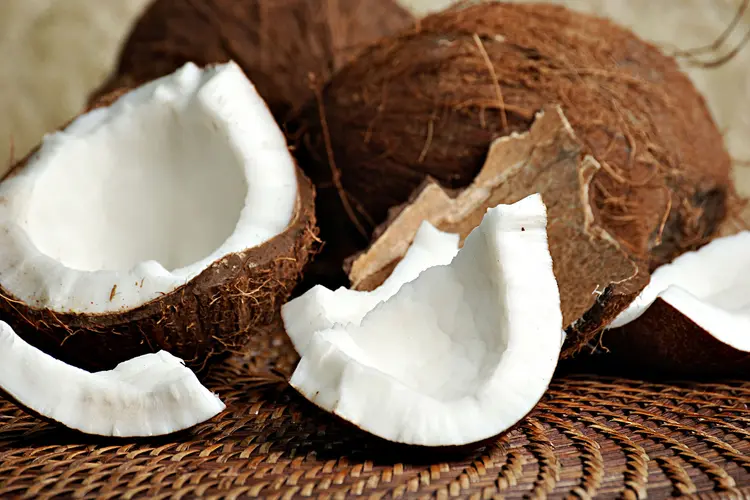
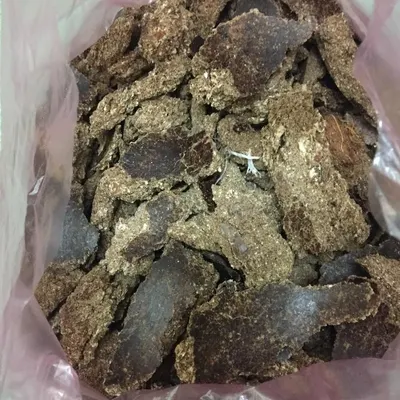
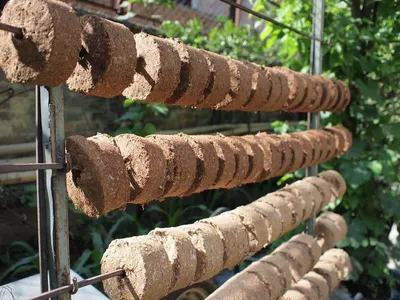
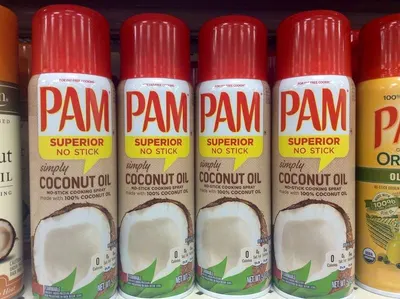
Indonesia hosts PT. Saricoco Tritunggal Mandiri, a supplier that currently lists eleven distinct coconut‑derived products. The catalogue covers oils, flours, desiccated coconut, charcoal, briquettes, copra meal, liquid smoke and coconut cider vinegar, reflecting the broad use of the coconut crop in the region. Each entry falls under the broader categories of coconut oil, desiccated coconut, coconut shell charcoal, briquette, copra, other charcoal, coconut flour and coconut by‑products as indicated in the supplier data. The company is classified as a “harbor” trust tier, indicating a moderate level of verification within the platform.
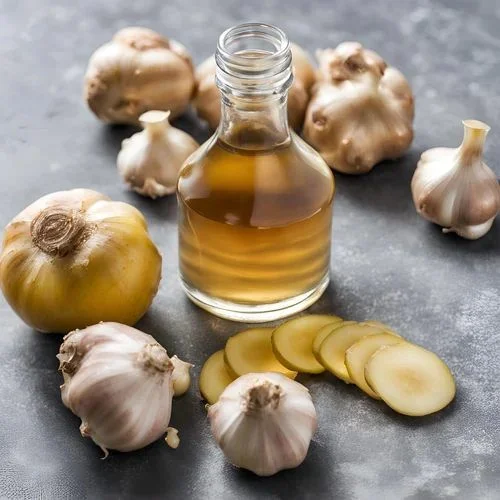
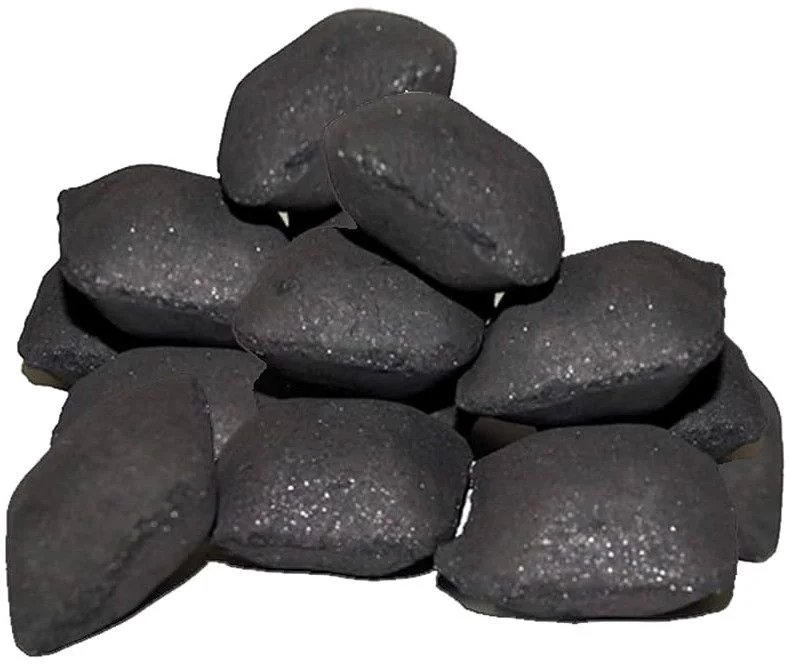
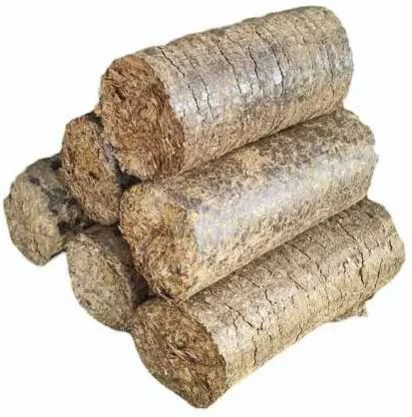
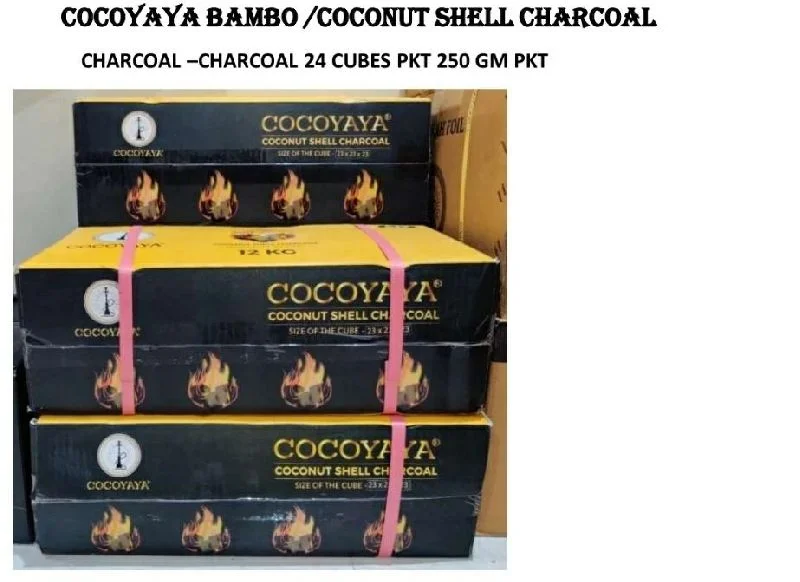
The product list includes centrifuged virgin coconut oil, cosmetic‑grade virgin coconut oil, unrefined vegetable cooking oil, coconut shell charcoal, coconut shell briquette, copra meal, liquid smoke, desiccated coconut (high and low fat), coconut flour and coconut cider vinegar. These items are identified by their generic product names without additional HS‑code references in the supplied data. The range shows a focus on both edible and industrial coconut derivatives, catering to food processors, cosmetics manufacturers and fuel‑type charcoal users.
Product Range and Specialties of PT. Saricoco Tritunggal Mandiri
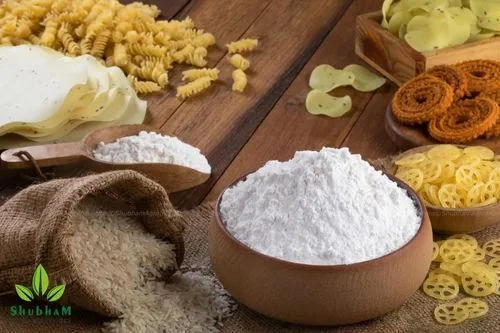
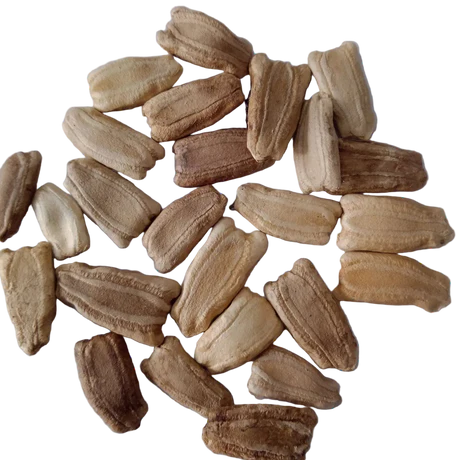
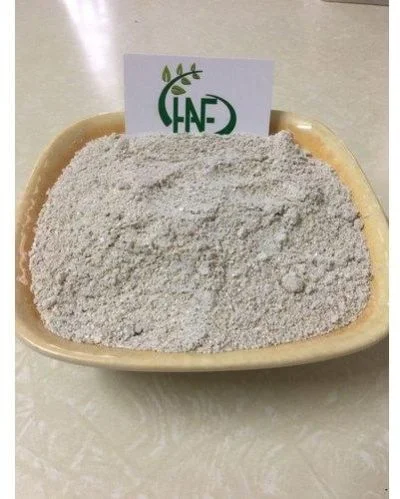
The catalogue presents two grades of virgin coconut oil - a centrifuged version and a cosmetic‑grade variant - both typical of Indonesian exports where free fatty acid (FFA) levels are usually below 0.5 % for food‑grade oil and below 0.1 % for cosmetic applications. Desiccated coconut is offered in high‑fat and low‑fat forms; industry standards often require moisture below 5 % for high‑fat and below 3 % for low‑fat, with particle size ranging from 1 mm to 4 mm. Coconut shell charcoal and briquettes are common fuel products, usually measured by bulk density (≈0.5 t/m³) and ash content under 5 % for quality charcoal. Copra meal is a protein‑rich feed ingredient, typically containing 20‑25 % crude protein and 12‑15 % residual oil. Coconut flour, used in bakery and gluten‑free formulations, is generally milled to a fine texture with moisture under 12 % and starch content above 70 %. Liquid smoke and coconut cider vinegar are specialty flavoring agents, often sold in 1 L or 5 L containers with acidity levels around 5 % for vinegar and phenol content calibrated to 2‑4 % for smoke solutions.
Frequently Asked Questions About PT. Saricoco Tritunggal Mandiri
What coconut oil grades does PT. Saricoco Tritunggal Mandiri offer?
The supplier lists centrifuged virgin coconut oil and a cosmetic‑grade virgin coconut oil. Both are typically low in free fatty acids, with the cosmetic grade meeting stricter purity requirements for personal care applications.
Are samples available for desiccated coconut?
Buyers can request a small sample (usually 1 kg) to verify moisture content, fat level and particle size before placing a larger order.
Which certifications should I ask for when importing coconut shell charcoal?
Typical certifications include a material safety data sheet (MSDS), ash‑content test report and, if required by the destination country, a phytosanitary certificate confirming the charcoal is free of pests.
What is the usual packaging for coconut flour?
Coconut flour is commonly packed in 25 kg HDPE bags, stacked on wooden pallets and sealed in a 20‑ft container to protect against moisture ingress.
How is copra meal quality verified?
A standard proximate analysis showing protein (20‑25 %), residual oil (12‑15 %) and moisture (under 10 %) is used, along with a mycotoxin test for safety.
IndonesiaRelated Suppliers & Products
Explore similar suppliers, related products and trending categories