Agriculture›
 Apparel and fashion accessories›
 Construction & real estate›💡Electronic & Electrical›🍎Food & Beverages›🛋️Home furnishing & supplies›⚗️Industrial goods & chemical›🪨Minerals & metals›📦Miscellaneous›Agriculture›Apparel and fashion accessories›Construction & real estate›💡Electronic & Electrical›🍎Food & Beverages›🛋️Home furnishing & supplies›⚗️Industrial goods & chemical›🪨Minerals & metals›📦Miscellaneous›
PT. Najah Trading International
⚓ Harbor , IndonesiaNew supplier / no reviews yet
PT. Najah Trading International Product Catalog

About PT. Najah Trading International - Spice and Specialty Food Supplier in Indonesia
Indonesia, the world’s leading exporter of spices, hosts PT. Najah Trading International as a supplier that currently lists five active products. The catalogue covers White Pepper, Black Pepper, Clove, Fresh Ginger and Bird‑nest, matching the company’s top categories of Pepper, Herbal Extracts, Live Birds & By‑Products, Cloves and Fresh Ginger. Each product falls under the relevant HS chapter for spices (chapter 09) or animal products (chapter 05) used in global customs declarations. The supplier’s “harbor” trust tier indicates that it operates through established port channels, which is typical for bulk agricultural exports from Indonesian ports such as Jakarta and Surabaya. The five‑product portfolio reflects a focused offering rather than a broad commodity mix, allowing buyers to assess each item against standard spice and specialty‑food specifications.
The listed items are presented without additional branding or client references, keeping the focus on the commodity description. White and Black Pepper are recorded as separate entries, while Clove and Ginger appear as fresh agricultural goods, and Bird‑nest is listed as a live‑bird by‑product. This structure aligns with Indonesian export listings where each commodity is identified by its common name and HS classification rather than by proprietary grades. The catalogue’s simplicity supports straightforward trade negotiations and reduces the need for extensive cross‑referencing of product codes. Buyers can therefore evaluate the five items against typical import requirements for spices, herbal extracts and edible bird‑nest products.
Product Range and Specialties of PT. Najah Trading International
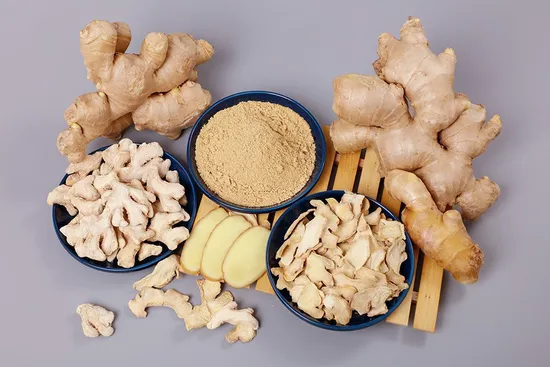
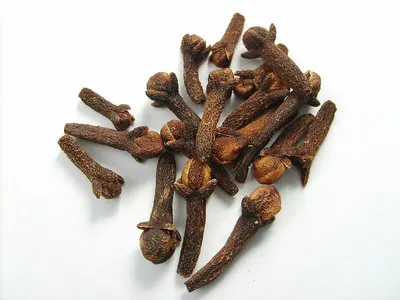
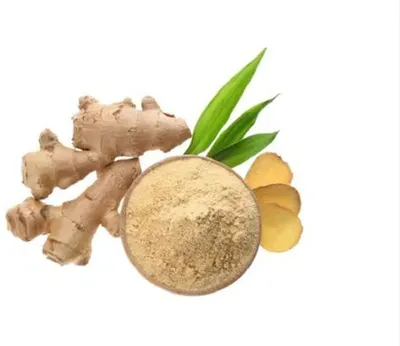
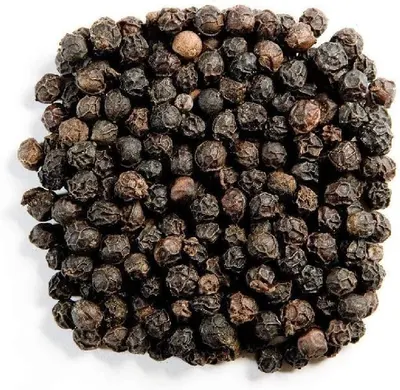
PT. Najah Trading International’s catalogue includes White Pepper and Black Pepper, both of which are commonly graded in the industry by particle size (e.g., S4 - 0.5 mm to 2 mm, S5 - 2 mm to 4 mm) and moisture content not exceeding 12 %. Indonesian pepper typically meets the ISO 22000 food‑safety standard and may carry HACCP certification when processed. Clove is usually exported as whole dried buds with essential‑oil content around 15 % and moisture below 10 %, falling under the standard grade “A” for export quality. Fresh Ginger is supplied in 1 kg or 20 kg cartons, with a typical gingerol content of 1 % - 2 % and a permissible moisture range of 8 % - 12 %. Bird‑nest, classified as an edible bird’s nest, is generally offered in Grade A (white) and Grade B (grey) forms, with a minimum dry weight of 30 g per nest and a moisture level below 12 %. These specifications represent the usual benchmarks that international importers apply when assessing Indonesian supplies.
Industry practice adds that pepper exporters often provide ICUMSA‑type colour values (though more relevant to sugar) and may submit pesticide‑residue reports complying with EU Regulation EC 1881/2006. Clove shipments are frequently accompanied by a Certificate of Origin and a phytosanitary certificate, while ginger exporters may need to present a fumigation certificate for certain markets. Bird‑nest exporters typically supply a laboratory analysis confirming purity, protein content and absence of heavy metals, which aligns with the standards required by buyers in the Middle East and Southeast Asia.
Frequently Asked Questions About PT. Najah Trading International
What HS chapters do the products from PT. Najah Trading International fall under?
Pepper and Clove are classified under HS chapter 09 (Spices and aromatic vegetables), while Bird‑nest is listed under HS chapter 05 (Animal products). Fresh Ginger also falls under chapter 09 as a root vegetable.
Which quality specifications are typical for the pepper products?
Indonesian white and black pepper are usually graded by particle size (S4 or S5) and must have moisture ≤12 %. Importers often request a Certificate of Analysis confirming these parameters and compliance with ISO 22000.
What documents should I request for Clove shipments?
A phytosanitary certificate, Certificate of Origin and, if required by the destination, an ISO 22000 or HACCP compliance statement are standard documents for Clove exports.
How is Bird‑nest quality verified?
Buyers typically ask for a laboratory analysis showing dry weight per nest (minimum 30 g), protein content, and the absence of heavy metals, along with a Halal certification for markets that require it.
What packaging options are common for Fresh Ginger?
Fresh Ginger is usually packed in 1 kg or 20 kg cartons, sealed in breathable film to maintain moisture between 8 % and 12 %. Container loading is done in 20‑ft or 40‑ft boxes depending on order size.
IndonesiaRelated Suppliers & Products
Explore similar suppliers, related products and trending categories