PT. Java Island Organics — Supplier
About PT. Java Island Organics - Charcoal Supplier in Indonesia
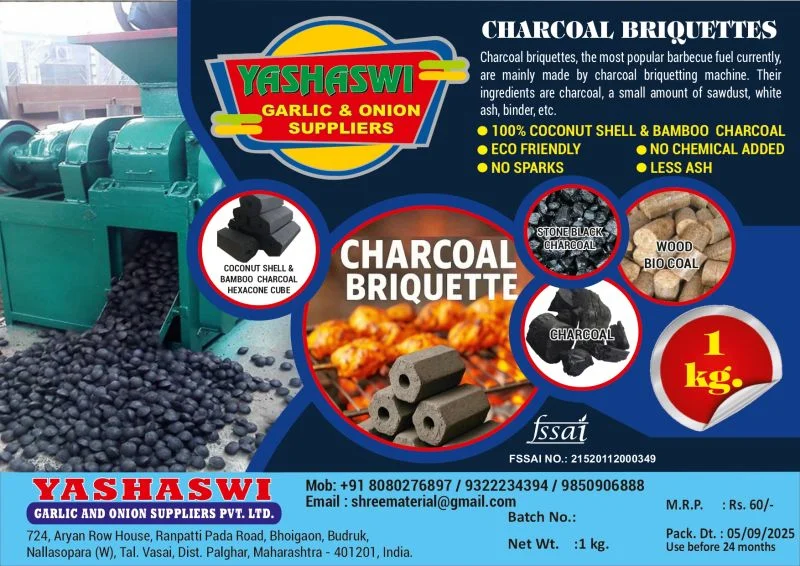
Indonesia is a major source of charcoal and wood by‑products, and PT. Java Island Organics lists five active products. The catalogue includes Coconut Shell and Hardwood Charcoal Briquette, Acacia Wooden Charcoal, Mindi Hardwood Charcoal, Coconut Shell Charcoal, and Wood Shaving and Sawdust Bale/Block. These items fall under the broader categories of wood charcoal, charcoal briquettes, coconut shell charcoal and wood shavings. The supplier’s product count of five reflects a focused portfolio covering both solid fuel and bulk wood waste. All products are marketed for bulk export rather than retail packaging.
The listed items correspond to HS code families commonly used for charcoal and wood waste, such as HS 4401 for charcoal and HS 4403 for wood shavings and sawdust. Indonesian exporters typically report fixed carbon values above 70 % for hardwood charcoal and ash contents below 5 % for premium grades. Coconut shell charcoal often meets low‑moisture specifications, generally under 8 % by weight. Briquettes are usually packed in 20 kg or 50 kg bags, while wood shavings are supplied in bulk bales sized to fill 20‑ft containers. Buyers frequently request laboratory analysis reports confirming these parameters before shipment.
Product Range and Specialties of PT. Java Island Organics
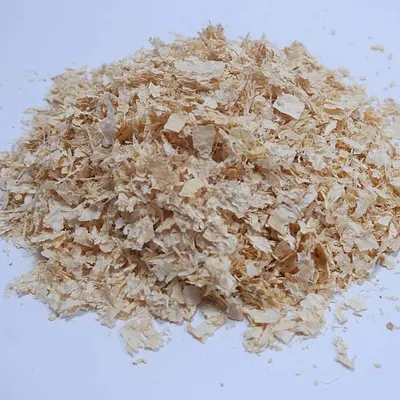
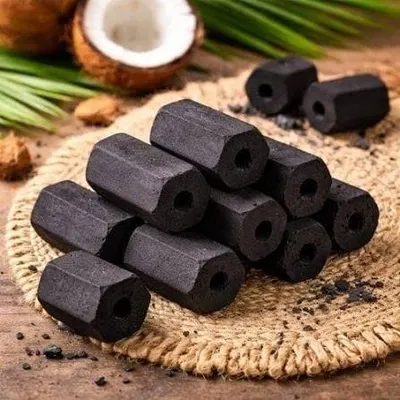
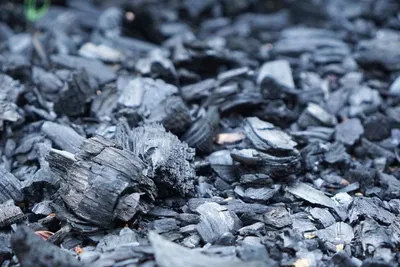
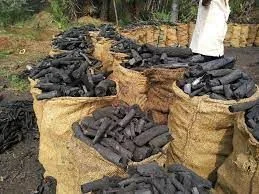
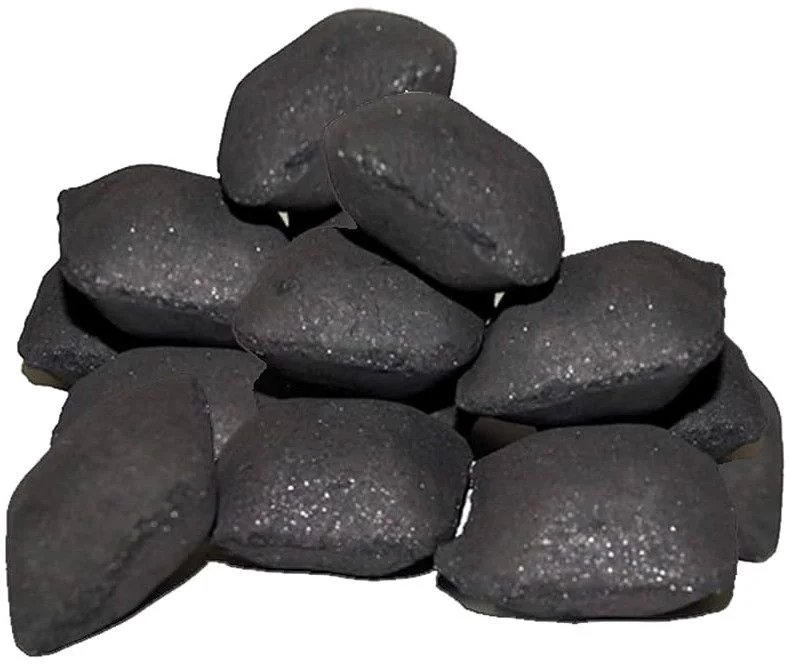
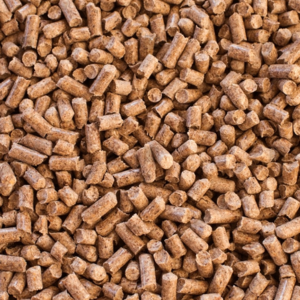
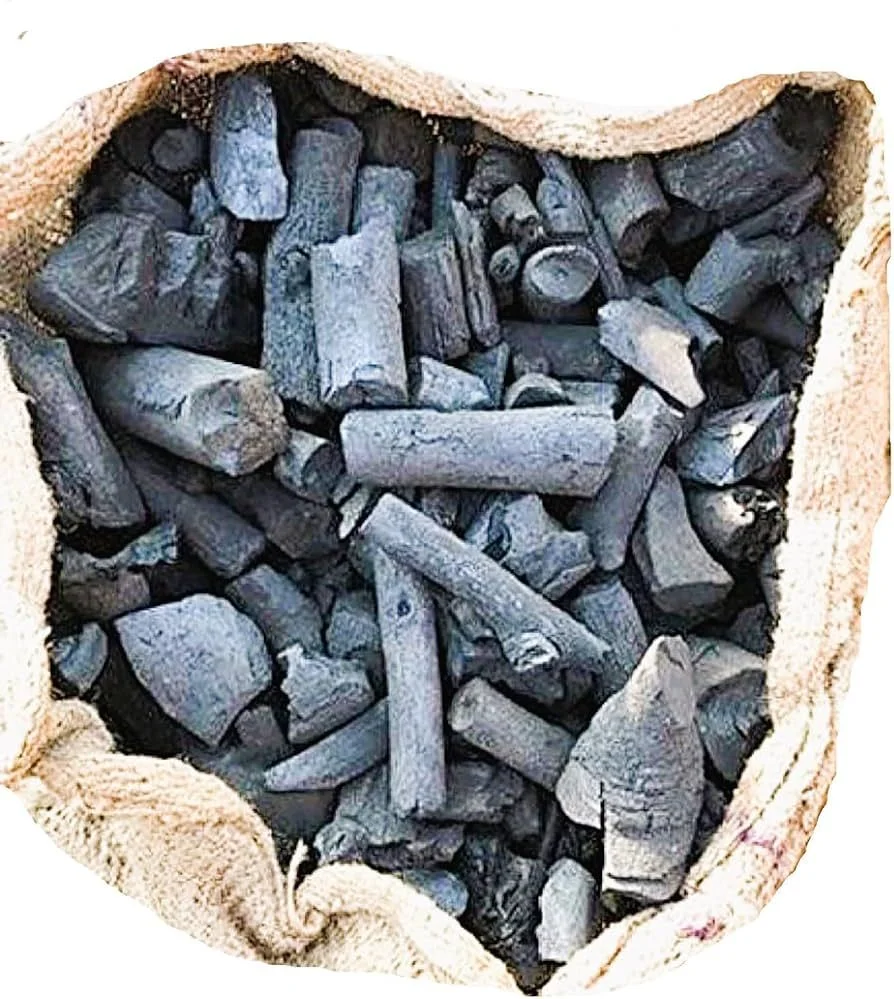
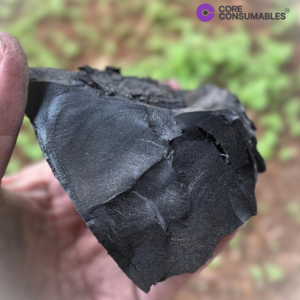
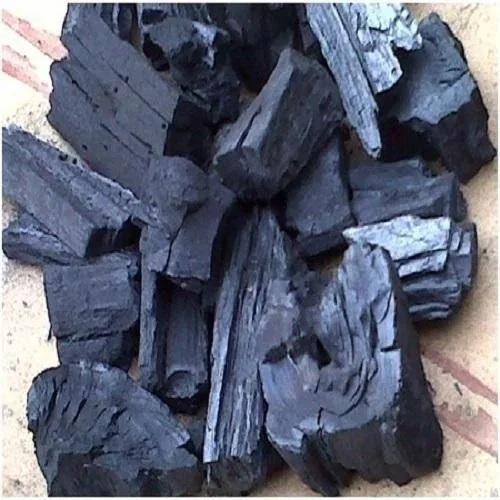
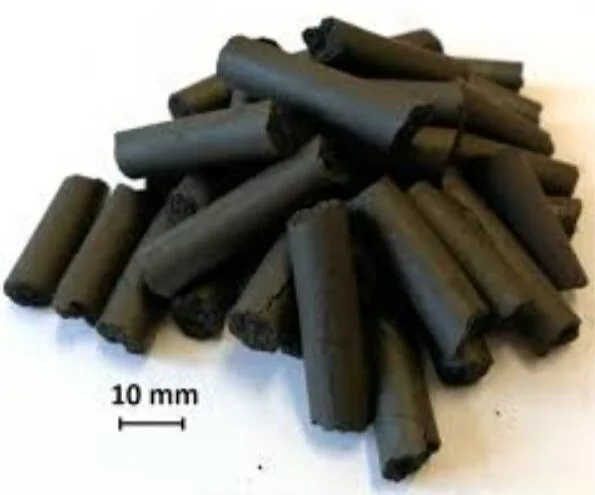
The five catalogue items cover three main product forms: solid charcoal blocks (Acacia Wooden Charcoal, Mindi Hardwood Charcoal, Coconut Shell Charcoal), compressed briquettes (Coconut Shell and Hardwood Charcoal Briquette) and bulk wood waste (Wood Shaving and Sawdust Bale/Block). In the charcoal market, hardwood charcoal is graded by fixed carbon (70‑80 %), ash content (≤5 %), moisture (≤8 %) and particle size (10‑30 mm). Coconut shell charcoal is valued for its high calorific value (≈30 MJ kg‑1) and low volatile matter, often meeting standards such as ISO 9001 for consistent quality. Briquettes are typically manufactured to a density of 0.8‑1.0 g cm‑3 and sized to 100‑200 mm length for easy handling. Wood shavings and sawdust are classified by moisture (≤12 %) and particle length (≤50 mm), making them suitable for animal bedding, absorbents or briquetting feedstock.
Trade and Export Information - PT. Java Island Organics
Indonesia ranks among the top global exporters of charcoal, supplying markets in Southeast Asia, the Middle East, Europe and North America. HS chapter 44 (Wood and articles of wood) is the primary customs classification, with HS 4401 covering charcoal and HS 4403 covering wood shavings, sawdust and other wood waste. Importers commonly require compliance with ISO 9001 quality management, FSC chain‑of‑custody for sustainably sourced wood, and a phytosanitary certificate for wood waste to prevent pest spread. Shipping is usually arranged in 20‑ft or 40‑ft containers; briquettes and solid charcoal are palletized on wooden pallets, while wood shavings are loaded as bulk bales secured against shifting. Typical Incoterms for Indonesian charcoal exporters are FOB Jakarta or CIF Dubai, reflecting established maritime routes to major demand regions.
Sourcing from PT. Java Island Organics - Buyer Guidance
When evaluating PT. Java Island Organics, request a recent laboratory report that lists fixed carbon, ash, moisture and calorific value for each charcoal type. For briquettes, ask for density, compressive strength and bag weight verification; for wood shavings, request moisture content and particle size distribution. Confirm whether the supplier can provide ISO 9001 or FSC documentation, and verify the presence of a phytosanitary certificate if the wood waste will be shipped to regions with strict plant‑health regulations. Clarify the minimum order quantity, which for bulk charcoal is often expressed in metric tonnes per container (typically 18‑20 t for a 20‑ft container) and for wood shavings in cubic meters or bale count. Verify packaging details - whether briquettes arrive in 20 kg polypropylene bags or bulk bags, and whether wood shavings are baled to standard dimensions that fit container stowage.
Frequently Asked Questions About PT. Java Island Organics
What types of charcoal does PT. Java Island Organics offer?
The catalogue lists Acacia Wooden Charcoal, Mindi Hardwood Charcoal, Coconut Shell Charcoal and a mixed Coconut Shell and Hardwood Charcoal Briquette. Each product is classified under HS 4401 for charcoal.
What are the typical specifications buyers look for in hardwood charcoal?
Buyers usually require fixed carbon of 70‑80 %, ash content ≤5 %, moisture ≤8 % and particle size between 10‑30 mm. Laboratory test reports should confirm these values.
How is the Coconut Shell and Hardwood Charcoal Briquette packaged?
Briquettes are commonly packed in 20 kg or 50 kg polypropylene bags, stacked on pallets for container loading. The HS code for briquettes falls under HS 4401 as well.
What certifications are commonly required for Indonesian charcoal exports?
Importers often request ISO 9001 quality‑management certification, FSC chain‑of‑custody for sustainable sourcing, and a phytosanitary certificate for wood‑based products.
What is the usual minimum order quantity for the wood shavings product?
Wood shavings and sawdust are typically sold in bulk bales, with a practical MOQ of one 20‑ft container (approximately 18‑20 metric tonnes) to achieve efficient shipping.
What lead time can buyers expect for a full container load?
Lead times from Indonesia to major ports in Asia or Europe generally range from 25 to 45 days, depending on vessel schedule and customs clearance.
Which markets most frequently import Indonesian charcoal and wood waste?
Key import regions include Southeast Asian countries, the Middle East, the European Union and North America, where charcoal is used for industrial fuel, BBQ and metallurgical processes, and wood waste is used for animal bedding or further processing.
What documentation should a buyer request before confirming an order?
Buyers should ask for a recent product analysis report, ISO 9001 or FSC certificates, a phytosanitary certificate for wood shavings, and a commercial invoice that references the correct HS codes.




 , Indonesia