PT. Bali Bakti Pertiwi — Supplier
About PT. Bali Bakti Pertiwi - Plastic Raw Materials Supplier in Indonesia
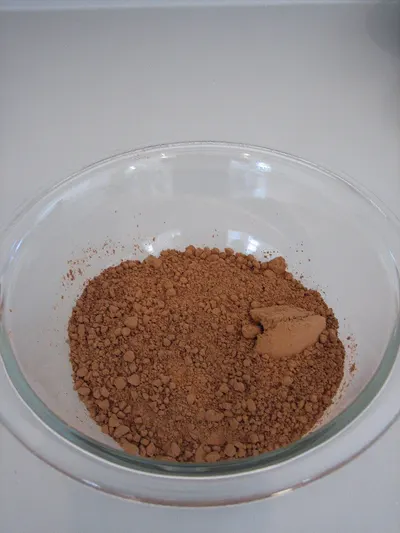
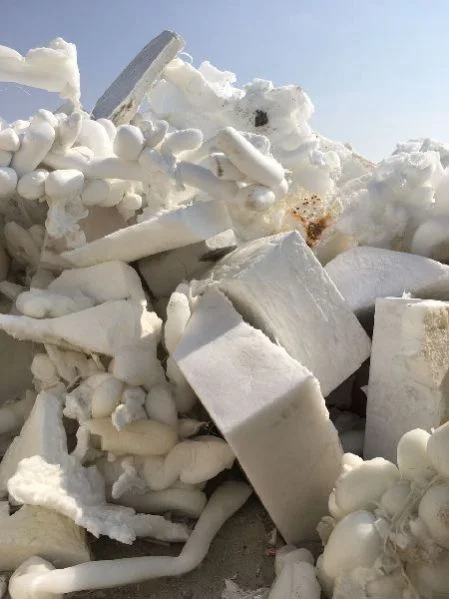
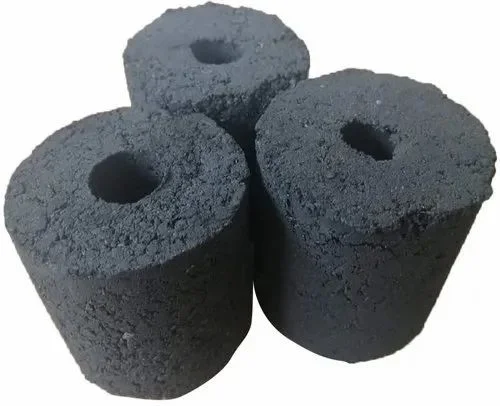
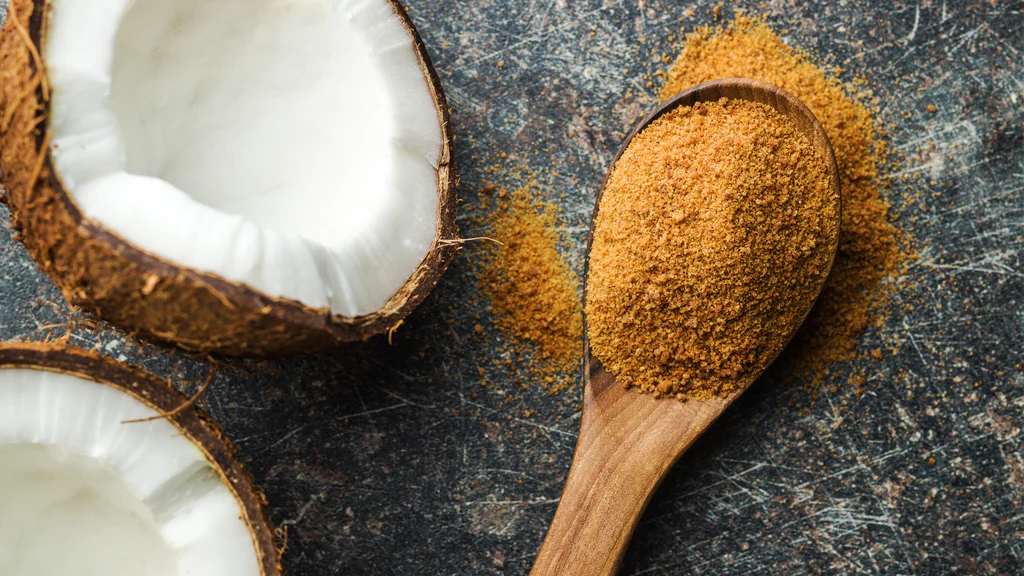
Indonesia, a country known for its rich natural resources, is home to PT. Bali Bakti Pertiwi, a supplier with 5 active products. The company lists a variety of goods, including Plastics Granules and Plastics Flakes, Charcoal, Duplex or Paper Board, Green Bean Coffee, and Brown Sugar. These products fall under the categories of Plastic Raw Materials, Charcoal, Paper Boards, Coffee Beans, and Sugar. With its location in Indonesia, PT. Bali Bakti Pertiwi is well-positioned to serve buyers in various regions.
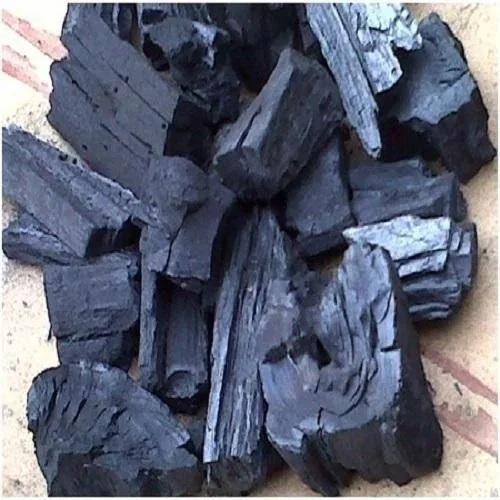
PT. Bali Bakti Pertiwi's product range is diverse, with a focus on raw materials and commodities. The company's catalogue includes specific product types, such as Plastics Granules and Plastics Flakes, which are commonly used in the production of various plastic products. Charcoal, another product listed, is often used for cooking and industrial purposes. The company's location in Indonesia, a major producer of coffee and sugar, also highlights its potential to serve buyers in these markets.
Product Range and Specialties of PT. Bali Bakti Pertiwi
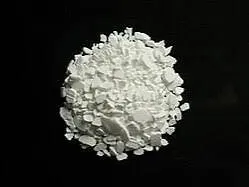
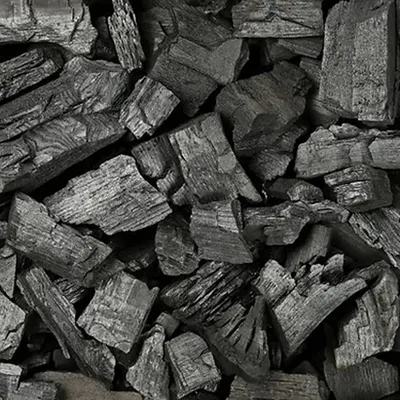
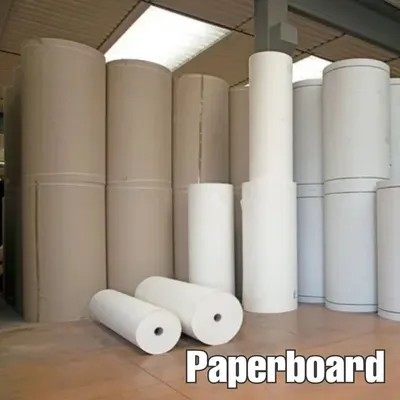
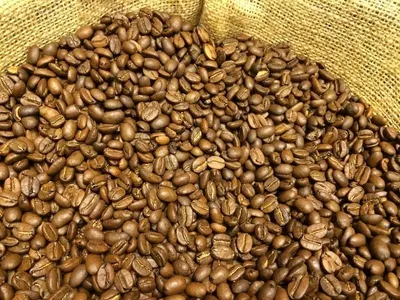
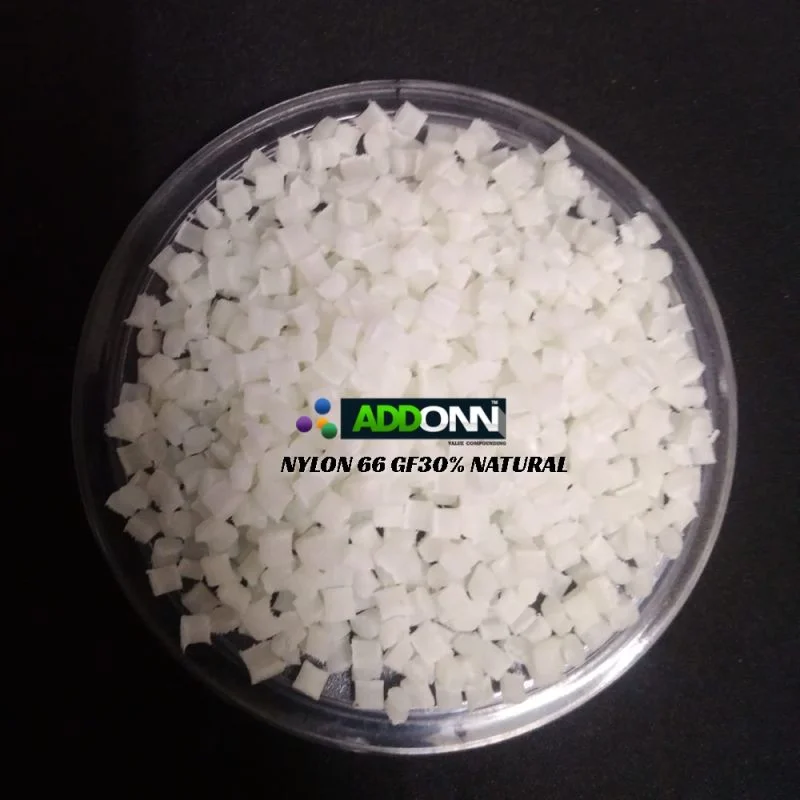
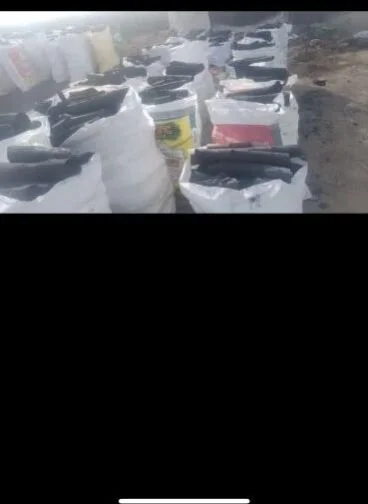
PT. Bali Bakti Pertiwi's product range includes Plastics Granules and Plastics Flakes, which are typically used in the production of plastic products. Buyers of these goods usually require specifications such as material composition, moisture content, and particle size. For Charcoal, buyers often look for certifications such as ISO 9001, and specifications like fixed carbon content and volatile matter. Duplex or Paper Board, another product listed, is commonly used in packaging and printing applications, with buyers typically requiring specifications such as grammage, thickness, and surface finish. Green Bean Coffee and Brown Sugar, also listed, are subject to quality standards such as ICUMSA 45 for sugar and SCAE for coffee.
The company's catalogue also highlights the importance of material quality and specifications. For example, Plastics Granules and Plastics Flakes are typically made from materials like polyethylene or polypropylene, with specifications such as melt flow index and density. Charcoal, on the other hand, is often made from coconut shells or wood, with specifications like fixed carbon content and volatile matter. Understanding these specifications and materials is crucial for buyers to ensure they are sourcing the right products for their needs.
Trade and Export Information - PT. Bali Bakti Pertiwi
Exporters of Plastic Raw Materials, Charcoal, and other commodities like PT. Bali Bakti Pertiwi typically serve buyers in regions such as Asia, Europe, and the Americas. The HS code families involved in the trade of these goods, such as 3901 for plastics and 4402 for charcoal, are critical for customs clearance and regulatory compliance. Buyers of these goods often require certifications like ISO 9001, and compliance with regulations like REACH and RoHS. The company's location in Indonesia, a major producer and exporter of commodities, highlights its potential to serve buyers in these markets, with common Incoterms like FOB and CIF used in trade.
The trade of these goods also involves understanding the regulatory and logistics norms. For example, the export of Charcoal from Indonesia is subject to regulations like the Indonesian Government Regulation No. 12 of 2020, which sets standards for the production and export of charcoal. Similarly, the import of Plastic Raw Materials into the EU is subject to regulations like REACH, which sets standards for the safe use of chemicals. Understanding these regulations and norms is crucial for buyers to ensure they are sourcing products that comply with relevant laws and regulations.
Sourcing from PT. Bali Bakti Pertiwi - Buyer Guidance
Buyers sourcing from PT. Bali Bakti Pertiwi should request specifications, samples, and test reports to verify the quality of the products. For example, for Plastics Granules and Plastics Flakes, buyers should request specifications like material composition, moisture content, and particle size, as well as certifications like ISO 9001. For Charcoal, buyers should request specifications like fixed carbon content and volatile matter, as well as certifications like ISO 9001. Understanding these specifications and certifications is crucial for buyers to ensure they are sourcing the right products for their needs.
Buyers should also verify the company's trust tier, which is 'harbor', and understand the implications of this tier on the trade. Additionally, buyers should confirm the MOQ and lead time for each product, as well as the packaging and shipping details, to ensure they can meet their production schedules and logistics requirements. Requesting and verifying these details is critical for buyers to ensure they are sourcing products that meet their quality and regulatory requirements.
Frequently Asked Questions About PT. Bali Bakti Pertiwi
What products does PT. Bali Bakti Pertiwi supply?
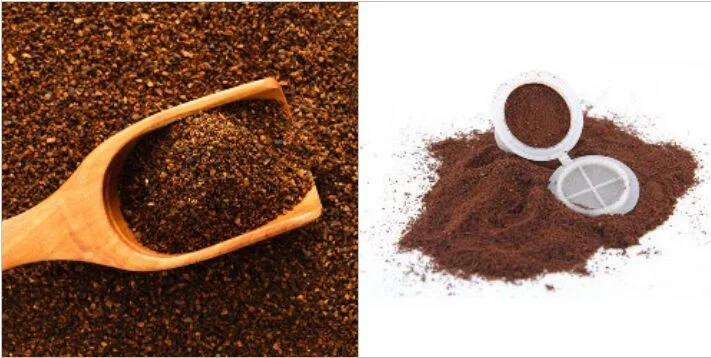
PT. Bali Bakti Pertiwi supplies Plastics Granules and Plastics Flakes, Charcoal, Duplex or Paper Board, Green Bean Coffee, and Brown Sugar. These products fall under the categories of Plastic Raw Materials, Charcoal, Paper Boards, Coffee Beans, and Sugar.
What specifications should I request for Plastics Granules and Plastics Flakes?
You should request specifications like material composition, moisture content, and particle size, as well as certifications like ISO 9001.
What is the typical quality standard for Green Bean Coffee?
The typical quality standard for Green Bean Coffee is SCAE, which sets standards for the quality and flavor of coffee beans.
What is the HS code for Charcoal?
The HS code for Charcoal is 4402.
What Incoterms are commonly used in the trade of these goods?
Common Incoterms used in the trade of these goods include FOB and CIF.
How can I verify the quality of the products?
You can verify the quality of the products by requesting specifications, samples, and test reports, and by understanding the company's trust tier and its implications on the trade.
What is the MOQ for each product?
The MOQ for each product varies, and you should confirm this detail with the company to ensure you can meet their production schedules and logistics requirements.




 , Indonesia