PT. Aquila Pelita Indonesia — Verified Supplier

About PT. Aquila Pelita Indonesia - Copra Supplier in Indonesia

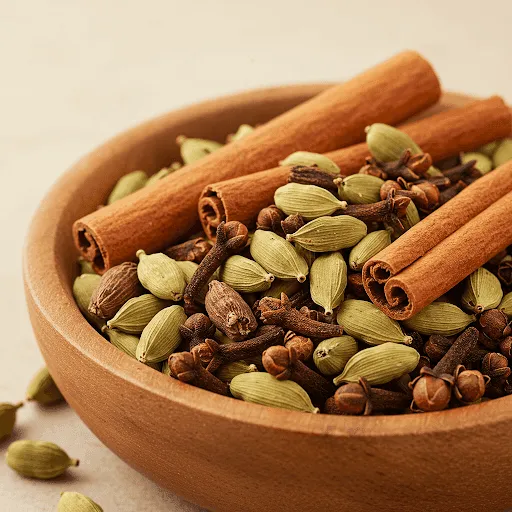
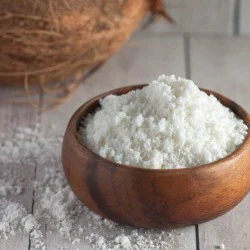
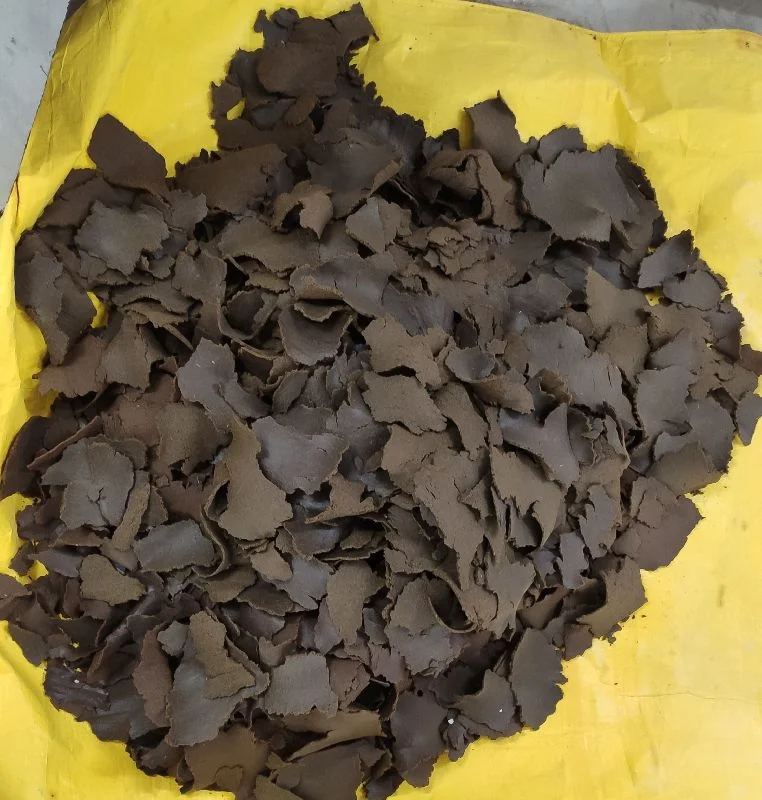
Indonesia hosts PT. Aquila Pelita Indonesia, a supplier that currently lists 19 distinct products across spice, coconut and essential‑oil categories. The catalogue includes items such as Copra Extraction Pellet, various forms of vanilla beans, black and white cardamom, nutmeg, cloves, cinnamon, black and white pepper, cocopeat blocks, desiccated coconut, palm kernel expeller, refined coconut oil and several essential oil extracts. Each product is identified by its generic trade name without further proprietary branding, matching the standard HS‑code families for agricultural commodities (e.g., Chapter 09 for spices, Chapter 15 for coconut products). The supplier is classified in the “harbor” trust tier, indicating a mid‑level verification level in the trade platform. Export documentation typically requires phytosanitary certificates and origin statements for these commodities.

The product mix reflects Indonesia’s traditional export strengths in tropical spices and coconut derivatives. Copra‑related items fall under HS 1511 (coconut oil and its residues) while coconut‑based foods such as desiccated coconut use HS 0805. Spices such as black pepper, white pepper and cardamom are grouped under HS 0901, and essential oils are classified under HS 3301. Buyers can expect standard quality parameters for each class, for example moisture limits of ≤12 % for pepper and a minimum oil content of 55 % for refined coconut oil. The supplier’s catalogue does not specify certifications, so buyers should verify compliance with common industry standards before purchase.

Product Range and Specialties of PT. Aquila Pelita Indonesia

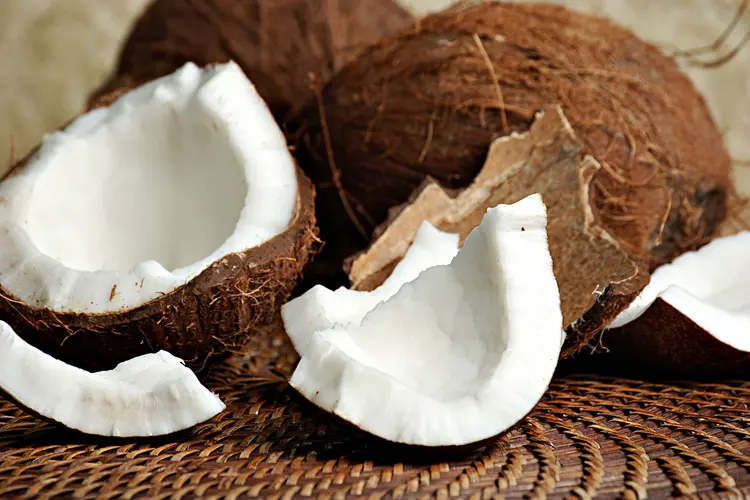
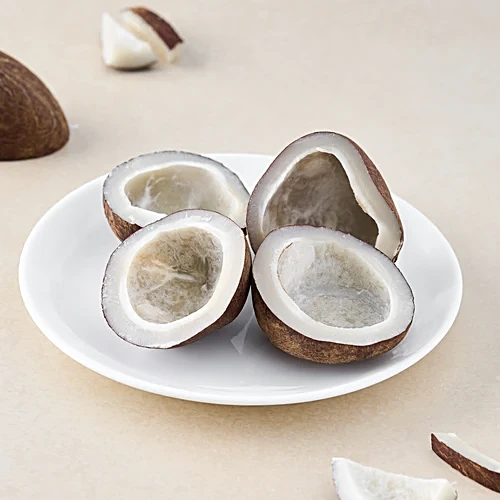
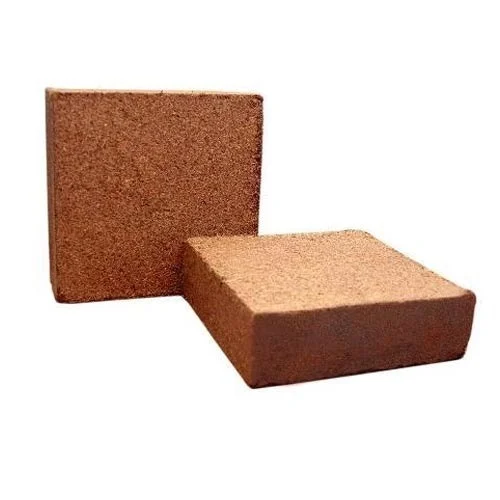
The catalogue offers a breadth of Indonesian spice and coconut products: Copra Extraction Pellet, Copra Meal, White Copra, Semihusked Coconut and Desiccated Coconut represent the core coconut line; Black Pepper, White Pepper, Cardamom (black and white), Nutmeg, Clove, Cinnamon and Vanilla Beans cover the spice segment; Cocopeat Blocks and Essential Oils add horticultural and aromatic categories. In the spice market, buyers typically assess ICUMSA color grades for vanilla, size grading (e.g., 6 mm ± 0.5 mm) and moisture content for pepper, while coconut products are evaluated for oil extraction rate, protein content (≈20 % for copra meal) and free fatty acid level (<0.5 % for refined oil). Cocopeat is usually supplied with a bulk density of 120‑150 kg m‑3 and a pH of 5.5‑6.5, suitable for propagation media. Essential oils from Indonesia are commonly distilled and tested by GC‑MS for key constituents, with purity levels often expressed as a percentage of the main compound (e.g., 70 % eugenol for clove oil).

Trade and Export Information - PT. Aquila Pelita Indonesia

Indonesia ranks among the world’s largest exporters of spices and coconut products, supplying the EU, United States, Middle East and Southeast Asian markets. HS 0901 spices generally require a phytosanitary certificate, a commodity-specific certificate of analysis and, for organic claims, an accredited organic certification such as EU‑Organic or USDA‑NOP. Coconut oil (HS 1511) and copra meals frequently need a free‑fatty‑acid (FFA) test report and a moisture analysis, with many importers requesting ISO 22000 or HACCP compliance. Shipping is usually arranged in 20‑foot or 40‑foot containers; a standard 20‑ft container can hold approximately 22 metric tons of bulk copra meal or 18 tons of dried spices, while essential oils are packed in 200 ml amber glass bottles on pallets. Incoterms most often used are FOB Jakarta Port or CIF to the buyer’s destination, with freight forwarding handled by regional logistics providers familiar with agricultural cargo.

Sourcing from PT. Aquila Pelita Indonesia - Buyer Guidance

When sourcing from PT. Aquila Pelita Indonesia, buyers should request a recent Certificate of Analysis for each product, confirming moisture, oil content, and any pesticide residue limits that align with EU Regulation 396/2005 or US FDA tolerances. A phytosanitary certificate issued by the Indonesian Ministry of Agriculture is essential for all spice items, and an origin certificate may be required for preferential tariff treatment under ASEAN‑Australia‑New Zealand free‑trade agreements. Verify that the supplier can provide ISO 22000 or HACCP audit reports if the buyer’s supply chain mandates food safety management systems. For essential oils, request a GC‑MS fingerprint report and a specification sheet that lists key constituents and their minimum percentages. Sample sizes of 1 kg for bulk spices or 100 ml for oils are typical for quality verification before confirming a full order.

Frequently Asked Questions About PT. Aquila Pelita Indonesia

What HS codes are associated with the products listed by PT. Aquila Pelita Indonesia?

Spice items such as black pepper, white pepper, cardamom, nutmeg, cloves and cinnamon fall under HS 0901, coconut derivatives like copra meal, desiccated coconut and refined coconut oil use HS 1511, while essential oils are classified under HS 3301.

Which certifications should a buyer request for the spice products?

Buyers should ask for a phytosanitary certificate, a Certificate of Analysis showing moisture and pesticide residues, and, where applicable, ISO 22000 or HACCP audit reports.

What typical quality parameters are checked for black pepper?

Black pepper is commonly verified for size (6 mm ± 0.5 mm), moisture content not exceeding 12 %, and oil content of at least 45 %.

How is coconut oil quality measured?

Refined coconut oil quality is measured by free fatty acid (FFA) level (≤0.5 %), peroxide value (≤10 meq O₂ kg⁻¹) and a minimum oil purity of 55 %.

What packaging formats are used for cocopeat blocks?

Cocopeat is usually supplied in compressed blocks or growing bags weighing 25 kg each, packed on wooden pallets for container loading.

What documentation is needed for essential oil shipments?

Essential oil shipments typically require a Certificate of Analysis, a GC‑MS fingerprint report, a Material Safety Data Sheet (MSDS) and a phytosanitary certificate if the oil is derived from plant material.

What are the common incoterms used for exporting these products from Indonesia?

Exporters commonly use FOB Jakarta Port or CIF to the buyer’s destination, allowing the buyer to arrange freight or receive the goods delivered with insurance and freight included.

What are the typical container capacities for bulk spice shipments?

A 20‑foot container can accommodate roughly 18‑22 metric tons of dried spices, while a 40‑foot container can hold about 35‑40 tons, depending on packing density.

Featured Products from this Supplier

Other Suppliers in Primary Category

Top Trusted Suppliers

Related Products

Trending in Parent Category

More Suppliers in Category

Related Products

Other Suppliers

EximNext
58.4K+ live requirements
Register Free🎁 5 free buy-lead credits
Post Requirement
🌍 Trusted by 224.3K+ businesses in 200+ countries|
58.4K+ active requirements right now
✉️ [email protected]
|
Sell on EximNextPost Requirement
EximNext
AgricultureApparelConstructionElectronicFoodHomeIndustrialMineralsMiscellaneous
🔥 Deals|✨ AI Match|🏭 Suppliers|📋 Buy Leads|💰 Trade Finance|⭐ Upgrade
58.4K+ live RFQs·194.4K+ suppliers
🎁 5 free credits →
EximNext
EximNext
Register Free
🎁 5 free buy-lead credits
Sign In
📋Post Requirement💬Get QuotesAI Match📋RFQ Marketplace
All Categories
Services & Tools
🏭Supplier Directory🔥Today's Deals💰Trade FinanceMembership
Sell on EximNext
AboutContactBlogHelp
🏭

PT. Aquila Pelita Indonesia

Harbor
Country flag , Indonesia
🛡️
77/100
Trust Score

PT. Aquila Pelita Indonesia Product Catalog

Showing 12 of 19 products
View all products →
Essential Oil
Harbor
Essential Oil
Contact
MOQ: 1 Unit
White Pepper
Harbor
White Pepper
Contact
MOQ: 1 Unit
White Cardamom
Harbor
White Cardamom
Contact
MOQ: 1 Unit
Vanilla Beans (Planifolia & Tahitensis)
Harbor
Vanilla Beans (Planifolia & Tahitensis)
Contact
MOQ: 1 Unit
Semihusked Coconut
Harbor
Semihusked Coconut
Contact
MOQ: 1 Unit
White Copra
Harbor
White Copra
Contact
MOQ: 1 Unit
Coconut Cooking Oil/RBD CNO
Harbor
Coconut Cooking Oil/RBD CNO
Contact
MOQ: 1 Unit
Palm Kernell Expeller/Meal (PKE/PKM)
Harbor
Palm Kernell Expeller/Meal (PKE/PKM)
Contact
MOQ: 1 Unit
Desiccated Coconut
Harbor
Desiccated Coconut
Contact
MOQ: 1 Unit
Nutmeg
Harbor
Nutmeg
Contact
MOQ: 1 Unit
Cocopeat Block/Cocopeat Growing Bag
Harbor
Cocopeat Block/Cocopeat Growing Bag
Contact
MOQ: 1 Unit
Black Pepper
Harbor
Black Pepper
Contact
MOQ: 1 Unit

About PT. Aquila Pelita Indonesia - Copra Supplier in Indonesia

Indonesia hosts PT. Aquila Pelita Indonesia, a supplier that currently lists 19 distinct products across spice, coconut and essential‑oil categories. The catalogue includes items such as Copra Extraction Pellet, various forms of vanilla beans, black and white cardamom, nutmeg, cloves, cinnamon, black and white pepper, cocopeat blocks, desiccated coconut, palm kernel expeller, refined coconut oil and several essential oil extracts. Each product is identified by its generic trade name without further proprietary branding, matching the standard HS‑code families for agricultural commodities (e.g., Chapter 09 for spices, Chapter 15 for coconut products). The supplier is classified in the “harbor” trust tier, indicating a mid‑level verification level in the trade platform. Export documentation typically requires phytosanitary certificates and origin statements for these commodities.

The product mix reflects Indonesia’s traditional export strengths in tropical spices and coconut derivatives. Copra‑related items fall under HS 1511 (coconut oil and its residues) while coconut‑based foods such as desiccated coconut use HS 0805. Spices such as black pepper, white pepper and cardamom are grouped under HS 0901, and essential oils are classified under HS 3301. Buyers can expect standard quality parameters for each class, for example moisture limits of ≤12 % for pepper and a minimum oil content of 55 % for refined coconut oil. The supplier’s catalogue does not specify certifications, so buyers should verify compliance with common industry standards before purchase.

Product Range and Specialties of PT. Aquila Pelita Indonesia

The catalogue offers a breadth of Indonesian spice and coconut products: Copra Extraction Pellet, Copra Meal, White Copra, Semihusked Coconut and Desiccated Coconut represent the core coconut line; Black Pepper, White Pepper, Cardamom (black and white), Nutmeg, Clove, Cinnamon and Vanilla Beans cover the spice segment; Cocopeat Blocks and Essential Oils add horticultural and aromatic categories. In the spice market, buyers typically assess ICUMSA color grades for vanilla, size grading (e.g., 6 mm ± 0.5 mm) and moisture content for pepper, while coconut products are evaluated for oil extraction rate, protein content (≈20 % for copra meal) and free fatty acid level (<0.5 % for refined oil). Cocopeat is usually supplied with a bulk density of 120‑150 kg m‑3 and a pH of 5.5‑6.5, suitable for propagation media. Essential oils from Indonesia are commonly distilled and tested by GC‑MS for key constituents, with purity levels often expressed as a percentage of the main compound (e.g., 70 % eugenol for clove oil).

Trade and Export Information - PT. Aquila Pelita Indonesia

Indonesia ranks among the world’s largest exporters of spices and coconut products, supplying the EU, United States, Middle East and Southeast Asian markets. HS 0901 spices generally require a phytosanitary certificate, a commodity-specific certificate of analysis and, for organic claims, an accredited organic certification such as EU‑Organic or USDA‑NOP. Coconut oil (HS 1511) and copra meals frequently need a free‑fatty‑acid (FFA) test report and a moisture analysis, with many importers requesting ISO 22000 or HACCP compliance. Shipping is usually arranged in 20‑foot or 40‑foot containers; a standard 20‑ft container can hold approximately 22 metric tons of bulk copra meal or 18 tons of dried spices, while essential oils are packed in 200 ml amber glass bottles on pallets. Incoterms most often used are FOB Jakarta Port or CIF to the buyer’s destination, with freight forwarding handled by regional logistics providers familiar with agricultural cargo.

Sourcing from PT. Aquila Pelita Indonesia - Buyer Guidance

When sourcing from PT. Aquila Pelita Indonesia, buyers should request a recent Certificate of Analysis for each product, confirming moisture, oil content, and any pesticide residue limits that align with EU Regulation 396/2005 or US FDA tolerances. A phytosanitary certificate issued by the Indonesian Ministry of Agriculture is essential for all spice items, and an origin certificate may be required for preferential tariff treatment under ASEAN‑Australia‑New Zealand free‑trade agreements. Verify that the supplier can provide ISO 22000 or HACCP audit reports if the buyer’s supply chain mandates food safety management systems. For essential oils, request a GC‑MS fingerprint report and a specification sheet that lists key constituents and their minimum percentages. Sample sizes of 1 kg for bulk spices or 100 ml for oils are typical for quality verification before confirming a full order.

Frequently Asked Questions About PT. Aquila Pelita Indonesia

What HS codes are associated with the products listed by PT. Aquila Pelita Indonesia?

Spice items such as black pepper, white pepper, cardamom, nutmeg, cloves and cinnamon fall under HS 0901, coconut derivatives like copra meal, desiccated coconut and refined coconut oil use HS 1511, while essential oils are classified under HS 3301.

Which certifications should a buyer request for the spice products?

Buyers should ask for a phytosanitary certificate, a Certificate of Analysis showing moisture and pesticide residues, and, where applicable, ISO 22000 or HACCP audit reports.

What typical quality parameters are checked for black pepper?

Black pepper is commonly verified for size (6 mm ± 0.5 mm), moisture content not exceeding 12 %, and oil content of at least 45 %.

How is coconut oil quality measured?

Refined coconut oil quality is measured by free fatty acid (FFA) level (≤0.5 %), peroxide value (≤10 meq O₂ kg⁻¹) and a minimum oil purity of 55 %.

What packaging formats are used for cocopeat blocks?

Cocopeat is usually supplied in compressed blocks or growing bags weighing 25 kg each, packed on wooden pallets for container loading.

What documentation is needed for essential oil shipments?

Essential oil shipments typically require a Certificate of Analysis, a GC‑MS fingerprint report, a Material Safety Data Sheet (MSDS) and a phytosanitary certificate if the oil is derived from plant material.

What are the common incoterms used for exporting these products from Indonesia?

Exporters commonly use FOB Jakarta Port or CIF to the buyer’s destination, allowing the buyer to arrange freight or receive the goods delivered with insurance and freight included.

What are the typical container capacities for bulk spice shipments?

A 20‑foot container can accommodate roughly 18‑22 metric tons of dried spices, while a 40‑foot container can hold about 35‑40 tons, depending on packing density.

About PT. Aquila Pelita Indonesia - Copra Supplier in Indonesia

Indonesia hosts PT. Aquila Pelita Indonesia, a supplier that currently lists 19 distinct products across spice, coconut and essential‑oil categories. The catalogue includes items such as Copra Extraction Pellet, various forms of vanilla beans, black and white cardamom, nutmeg, cloves, cinnamon, black and white pepper, cocopeat blocks, desiccated coconut, palm kernel expeller, refined coconut oil and several essential oil extracts. Each product is identified by its generic trade name without further proprietary branding, matching the standard HS‑code families for agricultural commodities (e.g., Chapter 09 for spices, Chapter 15 for coconut products). The supplier is classified in the “harbor” trust tier, indicating a mid‑level verification level in the trade platform. Export documentation typically requires phytosanitary certificates and origin statements for these commodities.

The product mix reflects Indonesia’s traditional export strengths in tropical spices and coconut derivatives. Copra‑related items fall under HS 1511 (coconut oil and its residues) while coconut‑based foods such as desiccated coconut use HS 0805. Spices such as black pepper, white pepper and cardamom are grouped under HS 0901, and essential oils are classified under HS 3301. Buyers can expect standard quality parameters for each class, for example moisture limits of ≤12 % for pepper and a minimum oil content of 55 % for refined coconut oil. The supplier’s catalogue does not specify certifications, so buyers should verify compliance with common industry standards before purchase.

Product Range and Specialties of PT. Aquila Pelita Indonesia

The catalogue offers a breadth of Indonesian spice and coconut products: Copra Extraction Pellet, Copra Meal, White Copra, Semihusked Coconut and Desiccated Coconut represent the core coconut line; Black Pepper, White Pepper, Cardamom (black and white), Nutmeg, Clove, Cinnamon and Vanilla Beans cover the spice segment; Cocopeat Blocks and Essential Oils add horticultural and aromatic categories. In the spice market, buyers typically assess ICUMSA color grades for vanilla, size grading (e.g., 6 mm ± 0.5 mm) and moisture content for pepper, while coconut products are evaluated for oil extraction rate, protein content (≈20 % for copra meal) and free fatty acid level (<0.5 % for refined oil). Cocopeat is usually supplied with a bulk density of 120‑150 kg m‑3 and a pH of 5.5‑6.5, suitable for propagation media. Essential oils from Indonesia are commonly distilled and tested by GC‑MS for key constituents, with purity levels often expressed as a percentage of the main compound (e.g., 70 % eugenol for clove oil).

Trade and Export Information - PT. Aquila Pelita Indonesia

Indonesia ranks among the world’s largest exporters of spices and coconut products, supplying the EU, United States, Middle East and Southeast Asian markets. HS 0901 spices generally require a phytosanitary certificate, a commodity-specific certificate of analysis and, for organic claims, an accredited organic certification such as EU‑Organic or USDA‑NOP. Coconut oil (HS 1511) and copra meals frequently need a free‑fatty‑acid (FFA) test report and a moisture analysis, with many importers requesting ISO 22000 or HACCP compliance. Shipping is usually arranged in 20‑foot or 40‑foot containers; a standard 20‑ft container can hold approximately 22 metric tons of bulk copra meal or 18 tons of dried spices, while essential oils are packed in 200 ml amber glass bottles on pallets. Incoterms most often used are FOB Jakarta Port or CIF to the buyer’s destination, with freight forwarding handled by regional logistics providers familiar with agricultural cargo.

Sourcing from PT. Aquila Pelita Indonesia - Buyer Guidance

When sourcing from PT. Aquila Pelita Indonesia, buyers should request a recent Certificate of Analysis for each product, confirming moisture, oil content, and any pesticide residue limits that align with EU Regulation 396/2005 or US FDA tolerances. A phytosanitary certificate issued by the Indonesian Ministry of Agriculture is essential for all spice items, and an origin certificate may be required for preferential tariff treatment under ASEAN‑Australia‑New Zealand free‑trade agreements. Verify that the supplier can provide ISO 22000 or HACCP audit reports if the buyer’s supply chain mandates food safety management systems. For essential oils, request a GC‑MS fingerprint report and a specification sheet that lists key constituents and their minimum percentages. Sample sizes of 1 kg for bulk spices or 100 ml for oils are typical for quality verification before confirming a full order.

Frequently Asked Questions About PT. Aquila Pelita Indonesia
What HS codes are associated with the products listed by PT. Aquila Pelita Indonesia?
Spice items such as black pepper, white pepper, cardamom, nutmeg, cloves and cinnamon fall under HS 0901, coconut derivatives like copra meal, desiccated coconut and refined coconut oil use HS 1511, while essential oils are classified under HS 3301.
Which certifications should a buyer request for the spice products?
Buyers should ask for a phytosanitary certificate, a Certificate of Analysis showing moisture and pesticide residues, and, where applicable, ISO 22000 or HACCP audit reports.
What typical quality parameters are checked for black pepper?
Black pepper is commonly verified for size (6 mm ± 0.5 mm), moisture content not exceeding 12 %, and oil content of at least 45 %.
How is coconut oil quality measured?
Refined coconut oil quality is measured by free fatty acid (FFA) level (≤0.5 %), peroxide value (≤10 meq O₂ kg⁻¹) and a minimum oil purity of 55 %.
What packaging formats are used for cocopeat blocks?
Cocopeat is usually supplied in compressed blocks or growing bags weighing 25 kg each, packed on wooden pallets for container loading.
What documentation is needed for essential oil shipments?
Essential oil shipments typically require a Certificate of Analysis, a GC‑MS fingerprint report, a Material Safety Data Sheet (MSDS) and a phytosanitary certificate if the oil is derived from plant material.
What are the common incoterms used for exporting these products from Indonesia?
Exporters commonly use FOB Jakarta Port or CIF to the buyer’s destination, allowing the buyer to arrange freight or receive the goods delivered with insurance and freight included.
What are the typical container capacities for bulk spice shipments?
A 20‑foot container can accommodate roughly 18‑22 metric tons of dried spices, while a 40‑foot container can hold about 35‑40 tons, depending on packing density.

🏭
PT. Aquila Pelita Indonesia
Country flag , Indonesia
Harbor
77/100
Trust Score
📦
19
Products
Free to contact — no commission
Escrow payment available
Verified business identity
Compare more suppliers
Post a requirement — get 10 quotes free
Let verified suppliers compete for your business. Free, fast, no commitment.
EximNext Verified Supplier
Business identity verified
Physical address confirmed
Financial history checked
Certifications authenticated
Trade references validated
Due Diligence
Verify this supplier's real shipping history.
Every shipment, every buyer, every port. Trade data that can't be faked.
Run due diligence →
Discover More

Related Suppliers & Products

Explore similar suppliers, related products and trending categories

Featured Products from this Supplier

Other Suppliers in Primary Category

Top Trusted Suppliers

Related Products

Trending in Parent Category

More Suppliers in Category

Stay ahead in global trade
Weekly market insights & new supplier alerts.
EximNext
Exim Next is a leading global B2B marketplace, connecting over 205,000 verified suppliers and buyers across 200+ countries. As a trusted import export marketplace, it serves as the essential B2B portal for businesses worldwide, empowering them to expand their international reach. With Exim Next, businesses can trade smarter and grow faster.
SECURE PAYMENTS
VISAMastercardPayPalSWIFTL/CEscrow
Follow us
© 2026 EximNext