Agriculture›
 Apparel and fashion accessories›
 Construction & real estate›💡Electronic & Electrical›🍎Food & Beverages›🛋️Home furnishing & supplies›⚗️Industrial goods & chemical›🪨Minerals & metals›📦Miscellaneous›Agriculture›Apparel and fashion accessories›Construction & real estate›💡Electronic & Electrical›🍎Food & Beverages›🛋️Home furnishing & supplies›⚗️Industrial goods & chemical›🪨Minerals & metals›📦Miscellaneous›
Pt. Agroforestry Aquatic
⚓ Harbor , IndonesiaNew supplier / no reviews yet
Pt. Agroforestry Aquatic Product Catalog

About Pt. Agroforestry Aquatic - Aquarium Fish Supplier in Indonesia
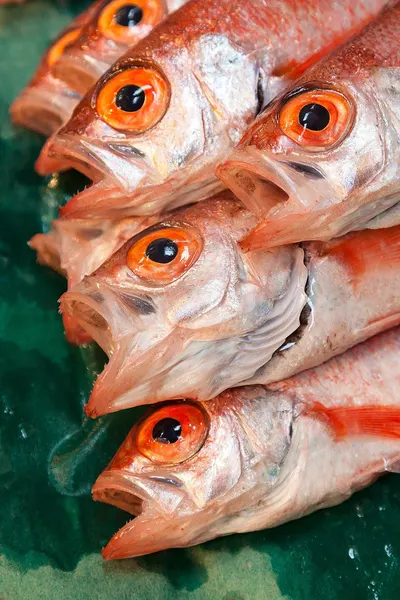
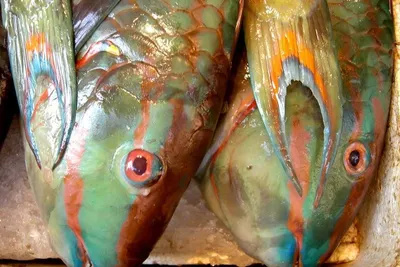
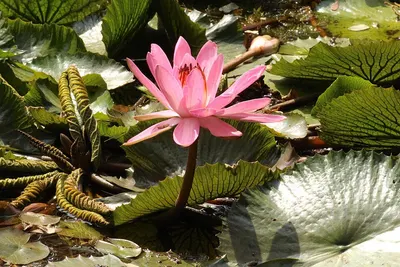
Indonesia hosts a diverse aquaculture sector, and Pt. Agroforestry Aquatic lists five active products focused on ornamental aquarium fish and aquatic plants. The catalogue includes tropical freshwater ornamental aquarium fish, saltwater ornamental aquarium fish, live ornamental aquarium fish, tropical freshwater ornamental fish, and an aquatic plant offering. All items fall under the broader categories of Fresh or Chilled Fish, Fish, and Plants & Plant Extracts as recorded in the supplier’s profile. The supplier does not disclose additional product specifications such as size or species, limiting the description to the listed categories.
The product set reflects Indonesia’s reputation for supplying live ornamental species to international hobbyist and commercial markets. While the supplier’s listing does not include HS codes, the live fish typically fall under HS chapter 03 (live animals) and the aquatic plant under HS chapter 06 (live plants). No certifications are stated in the supplied data, so buyers should verify any required health or CITES documentation before import.
Product Range and Specialties of Pt. Agroforestry Aquatic
The catalogue covers four variants of ornamental aquarium fish - tropical freshwater, saltwater, and general live ornamental types - as well as a single aquatic plant product. In the ornamental fish trade, buyers usually differentiate species by size (e.g., juvenile <5 cm, adult 5‑15 cm) and by health indicators such as absence of external parasites and normal swimming behavior. Common grades include “premium” for disease‑free, vibrant specimens and “standard” for bulk shipments. Aquatic plants are typically categorized by leaf morphology (e.g., rosette, stem) and growth rate, with market preferences for low‑maintenance, non‑invasive species suitable for home and commercial tanks.
Industry standards often reference the International Union for Conservation of Nature (IUCN) Red List status and the Convention on International Trade in Endangered Species (CITES) for any protected species. Buyers also look for ISO 9001 quality management certification or specific aquaculture health certificates, although such credentials are not listed for this supplier.
Frequently Asked Questions About Pt. Agroforestry Aquatic
What types of ornamental fish does Pt. Agroforestry Aquatic offer?
The supplier lists tropical freshwater ornamental aquarium fish, saltwater ornamental aquarium fish, live ornamental aquarium fish, and tropical freshwater ornamental fish, covering both freshwater and marine species.
Does the supplier provide any certifications for the live fish?
No certifications are mentioned in the supplied data; buyers should request a health certificate and, if applicable, CITES permits for protected species.
What documentation is required for importing the aquatic plant?
Typical imports need a phytosanitary certificate complying with IPPC standards and, where required, a CITES permit if the plant species is listed.
What are the common HS codes for these products?
Live ornamental fish are generally classified under HS code 0307, while live aquatic plants fall under HS code 0602 for customs purposes.
What packaging methods are used for shipping live fish?
Standard practice includes insulated containers with ice packs, oxygen bags, and temperature loggers to maintain water quality during transit.
IndonesiaRelated Suppliers & Products
Explore similar suppliers, related products and trending categories