Prospect Global — Verified Supplier
About Prospect Global - Pulses Supplier in India
Prospect Global is based in India and currently lists seven active products in its catalogue. The catalogue includes wheat, maize, desi chana, kabuli chana, chana dal, lal mirchi, and rice. These items fall under the broader categories of cereals, pulses, and spice powders, which are common export lines from India. Each product is identified by its generic name without additional HS code details in the supplied data. The supplier is classified under the "harbor" trust tier, indicating a moderate level of verification on the platform.
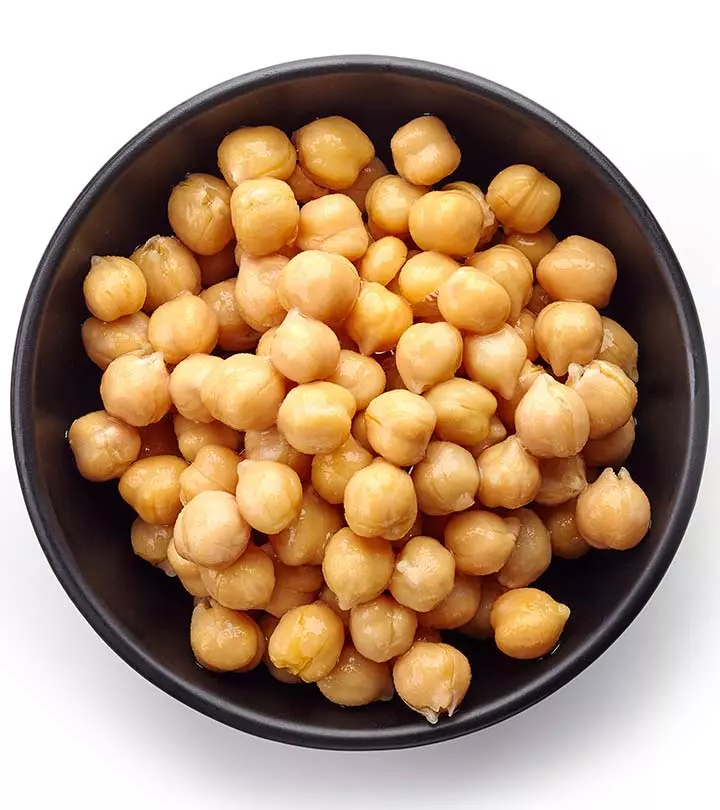
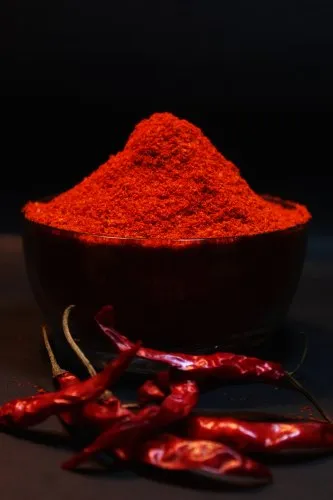
Wheat and maize are listed as whole‑grain commodities, while the chickpea family appears in three forms: desi chana (small brown), kabuli chana (large white), and chana dal (split). Lal mirchi represents dried red chilli powder, and rice is presented as a generic grain commodity. The product set reflects typical Indian agricultural output that is regularly shipped in bulk. No specific certifications are mentioned for the supplier, so buyers should confirm standard food‑safety documents such as FSSAI or ISO 22000. Export shipments are generally handled in standard 20‑ft or 40‑ft containers.
Product Range and Specialties of Prospect Global
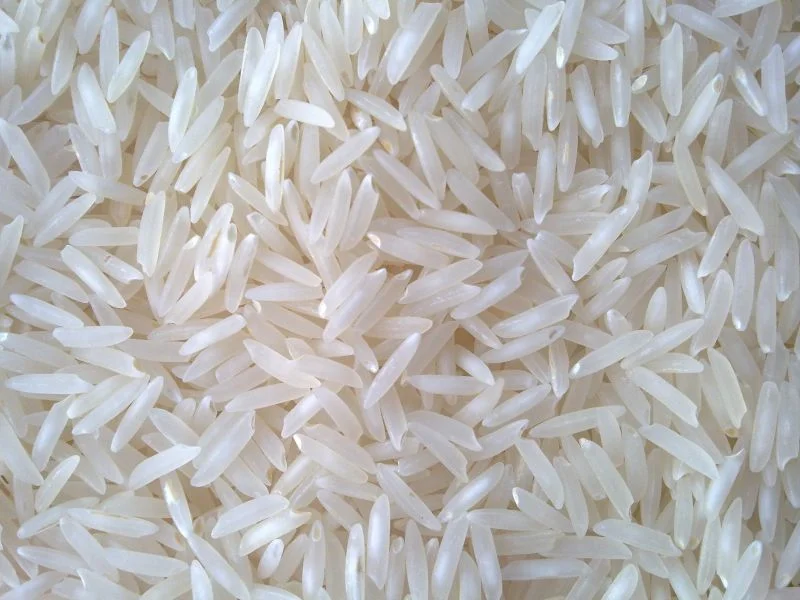
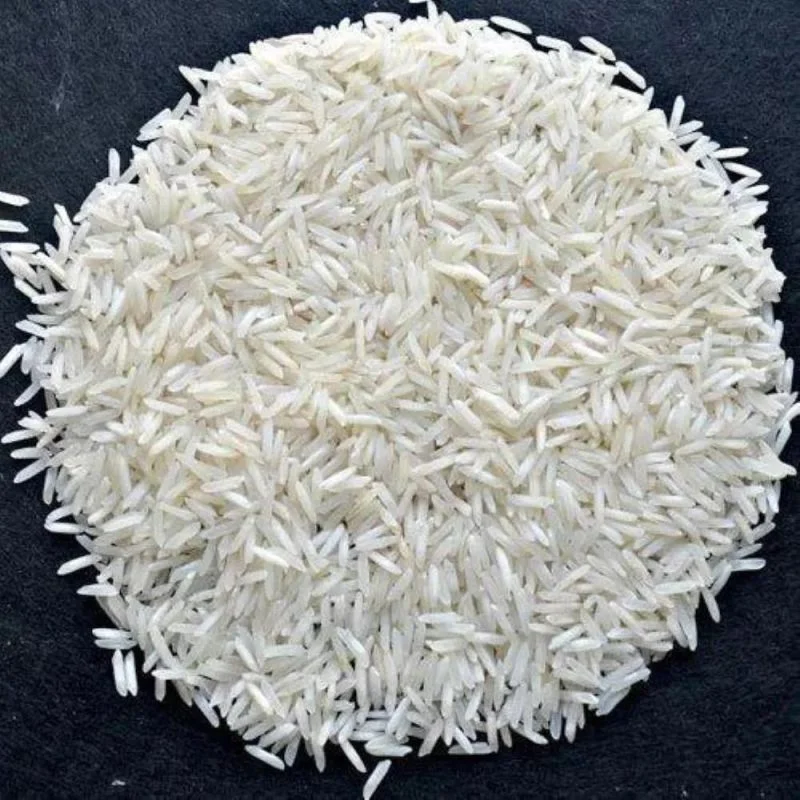
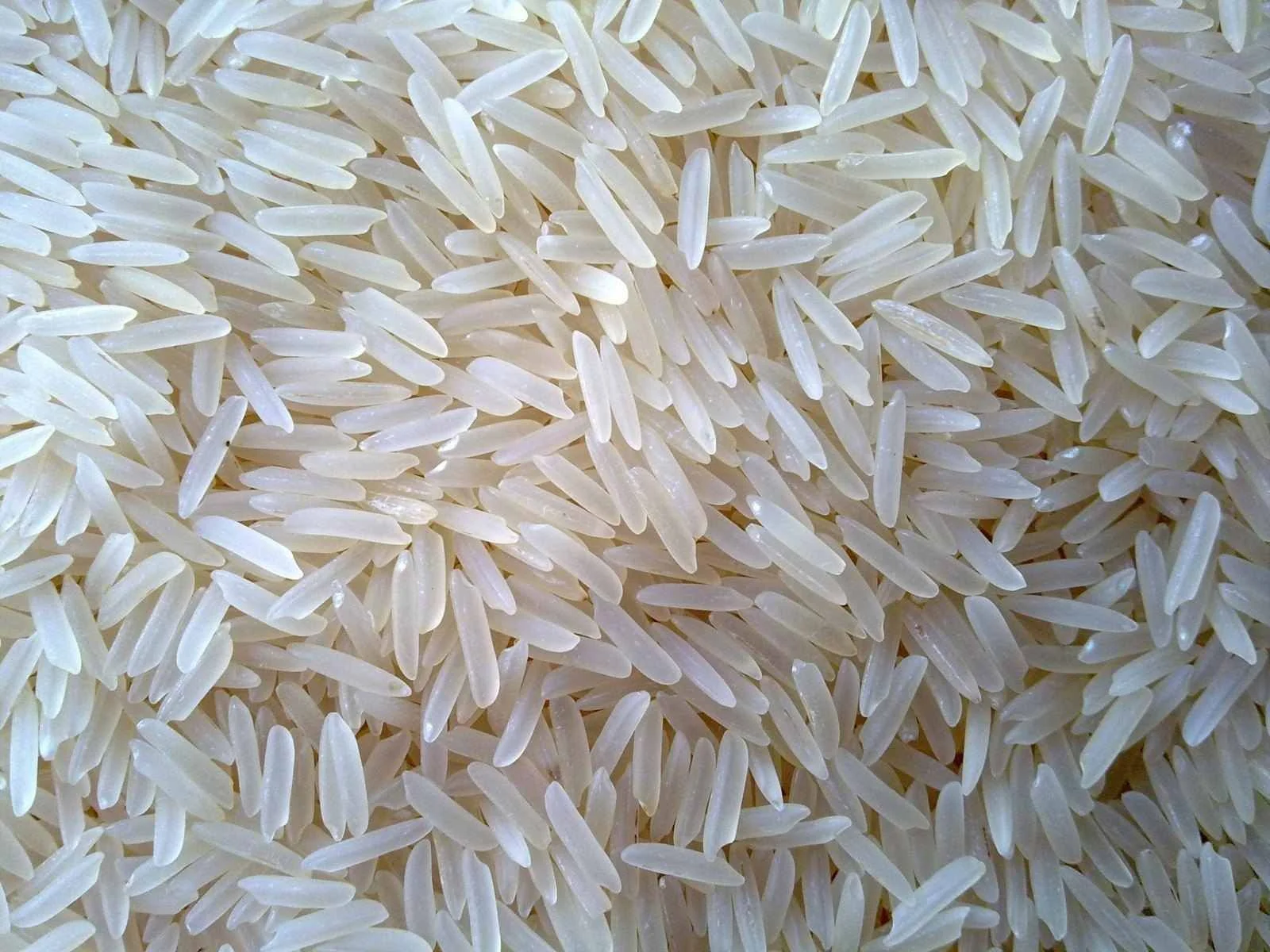
The catalogue covers three main groups: cereals (wheat, maize, rice), pulses (desi chana, kabuli chana, chana dal) and a spice powder (lal mirchi). In the global market wheat is usually graded by protein content (10‑13 % typical) and moisture below 14 %; maize is assessed by kernel moisture (≤15 %) and test weight. Desi chana kernels are commonly 6‑8 mm in diameter, while kabuli chana ranges 12‑15 mm; chana dal is the split form with grain length 3‑5 mm. Lal mirchi powder is typically measured by Scoville heat units (30 000‑50 000 SHU) and moisture below 12 %. Indian rice exports frequently include Basmati grades with grain length 6.5‑7.5 mm, amylose content 22‑24 % and moisture ≤14 %. These specifications align with standard buyers’ requirements for quality and consistency.
Trade and Export Information - Prospect Global
India is a leading exporter of wheat, maize, pulses and rice to regions such as the Middle East, North Africa, Southeast Asia and the European Union. HS‑code families that apply to the listed products are 1001 (wheat), 1005 (maize), 0713 (dried chickpeas and split pulses), 0904 (chilli powders) and 1006 (rice). Buyers typically request food‑safety certifications like ISO 22000, HACCP, and the Indian FSSAI licence, as well as a phytosanitary certificate for plant‑origin goods. Standard packaging involves 25 kg polypropylene bags for wheat, maize and rice, and 1 kg or 5 kg cartons for chilli powder; bulk shipments are loaded in 20‑ft or 40‑ft containers on a CIF or FOB basis. Export controls in India require compliance with the Agricultural and Processed Food Products Export Development Authority (APEDA) regulations, which govern inspection and certification of grain and pulse shipments.
Sourcing from Prospect Global - Buyer Guidance
When sourcing from Prospect Global, buyers should request a Certificate of Analysis (CoA) that details moisture, protein (for wheat), impurity levels and pesticide residue limits for each commodity. For pulses, a size‑distribution report and split‑ratio for chana dal are common verification points. A phytosanitary certificate and an FSSAI registration copy are typically required for Indian grain and spice exports. Samples are usually supplied in 1 kg quantities for wheat, maize and rice, and 500 g for chilli powder, allowing laboratory testing before larger orders. Confirm the container loading plan (20‑ft vs 40‑ft) and the agreed Incoterm to ensure logistics alignment.
Frequently Asked Questions About Prospect Global
What are the main product types listed by Prospect Global?
The supplier lists wheat, maize, desi chana, kabuli chana, chana dal, lal mirchi (red chilli powder) and rice, covering cereals, pulses and a spice powder.
Which HS codes correspond to these products?
Typical HS codes are 1001 for wheat, 1005 for maize, 0713 for dried chickpeas and split pulses, 0904 for chilli powder and 1006 for rice. The supplier’s catalogue does not specify individual codes.
What quality parameters should buyers verify for wheat and maize?
Buyers usually check moisture (≤14 % for wheat, ≤15 % for maize), protein content for wheat (10‑13 %), test weight and any foreign matter limits as defined in the CoA.
How are the chickpea varieties differentiated?
Desi chana is a small brown bean (6‑8 mm diameter), kabuli chana is a larger white bean (12‑15 mm), and chana dal is the split form with grain length 3‑5 mm. Size and split‑ratio are common verification metrics.
What certifications are commonly required for Indian grain exports?
Buyers typically request ISO 22000 or HACCP certification, the Indian FSSAI licence, and a phytosanitary certificate issued by the Export Inspection Agency.
What are the usual packaging and container sizes for these commodities?
Cereals and rice are packed in 25 kg polypropylene bags, chilli powder in 1 kg or 5 kg cartons, and bulk shipments are loaded in standard 20‑ft or 40‑ft containers under FOB or CIF terms.
What is a typical minimum order quantity (MOQ) for these products?
MOQs vary by commodity but generally start at one 20‑ft container (≈20‑25 metric tonnes) for wheat, maize or rice, and at 5 metric tonnes for chilli powder and pulses, subject to supplier confirmation.
How long is the usual lead time from order to shipment?
Lead times in India range from 15‑25 days for bulk cereals and rice, and 20‑30 days for pulses and chilli powder, depending on harvest cycles and required certifications.




 , India