Agriculture›
 Apparel and fashion accessories›
 Construction & real estate›💡Electronic & Electrical›🍎Food & Beverages›🛋️Home furnishing & supplies›⚗️Industrial goods & chemical›🪨Minerals & metals›📦Miscellaneous›Agriculture›Apparel and fashion accessories›Construction & real estate›💡Electronic & Electrical›🍎Food & Beverages›🛋️Home furnishing & supplies›⚗️Industrial goods & chemical›🪨Minerals & metals›📦Miscellaneous›
Progilence Capability Development Pvt. Ltd.
⚓ Harbor , IndiaNew supplier / no reviews yet
Progilence Capability Development Pvt. Ltd. Product Catalog


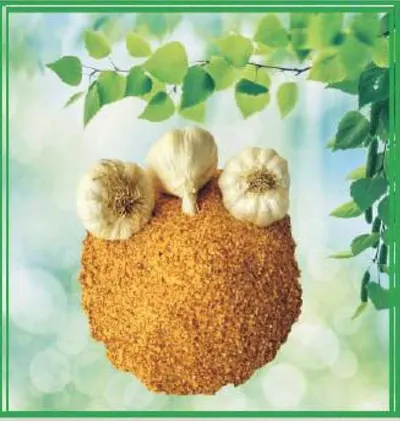
About Progilence Capability Development Pvt. Ltd. - Dehydrated Vegetables Supplier in India
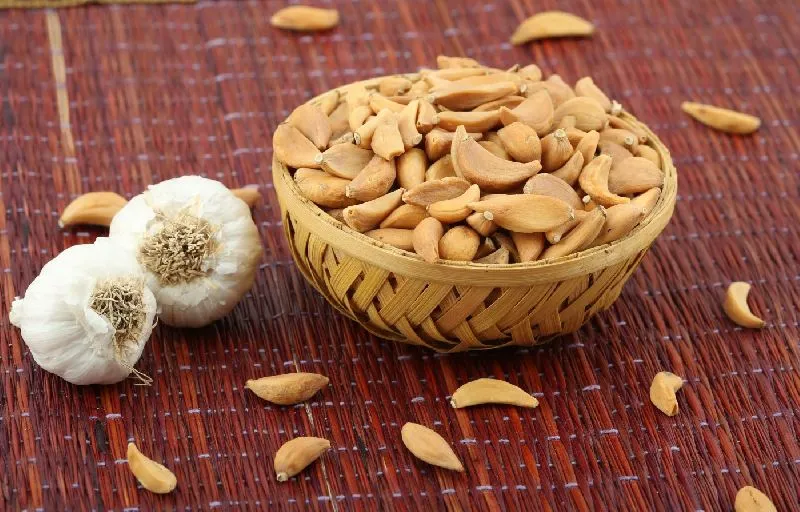
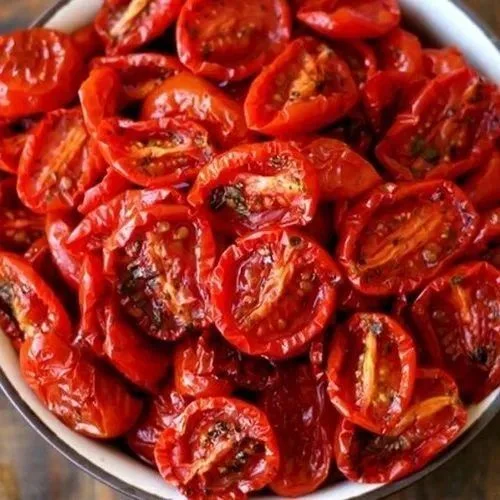
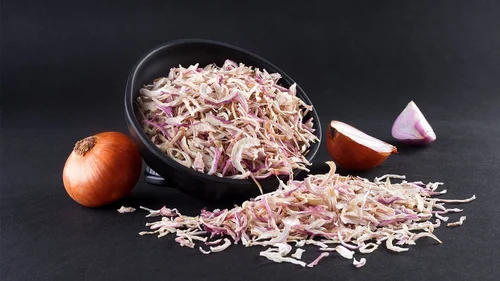
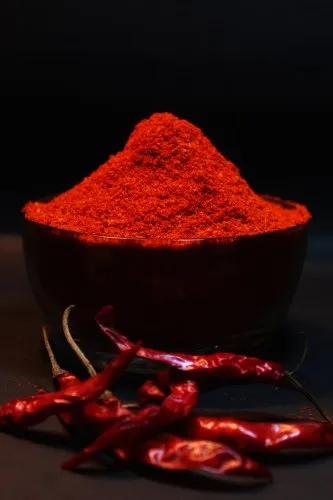
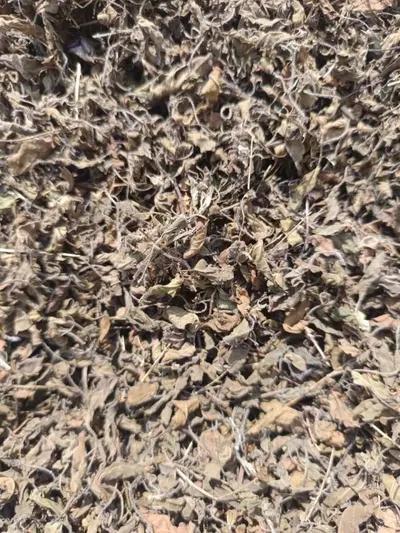
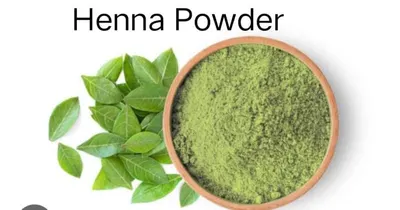
India hosts Progilence Capability Development Pvt. Ltd., which currently lists 31 active products across six main categories: dehydrated vegetables, pickles & sauces, processed vegetable pastes & purees, herbs, spices and heena. The catalogue includes items such as curry leaves, dried bell pepper, dried cabbage, dried coriander, mixed pickle, moringa powder, peeled garlic, tamarind paste, white onion flakes, dried carrots, ginger pickle, mango pickle, green chilli brine preserved products, chilli paste, garlic paste, ginger paste, green chili paste, tomato puree, beet root flakes, dried broccoli, dehydrated garlic forms, dehydrated mint leaves, aloe vera, amla, ashwagandha, henna, tulsi, lemon pickle, gongura pickle with garlic and a red chilli pickle from Guntur.
The product list reflects a focus on Indian culinary ingredients that are commonly used in ready‑to‑cook, frozen, and packaged food manufacturing. Items such as tomato puree, garlic and ginger pastes fall under processed vegetable puree codes, while the dried herbs and spices are classified under standard HS headings for dried aromatic plants. The inclusion of herbal powders like moringa and ashwagandha also aligns with the growing nutraceutical segment.
Product Range and Specialties of Progilence Capability Development Pvt. Ltd.
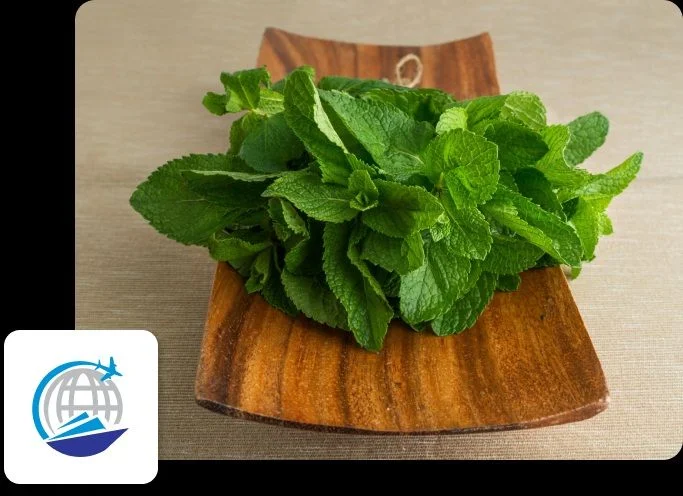
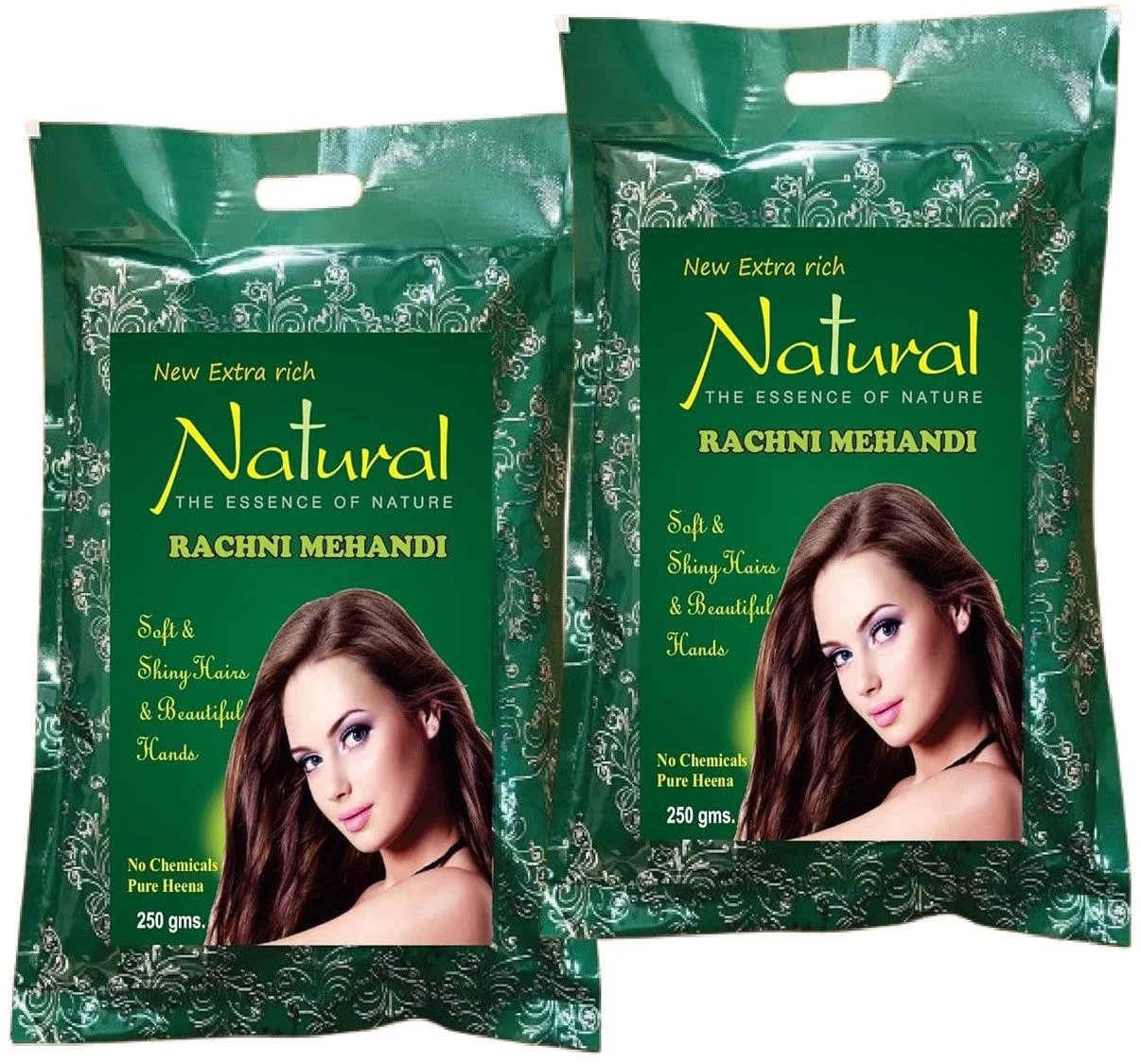
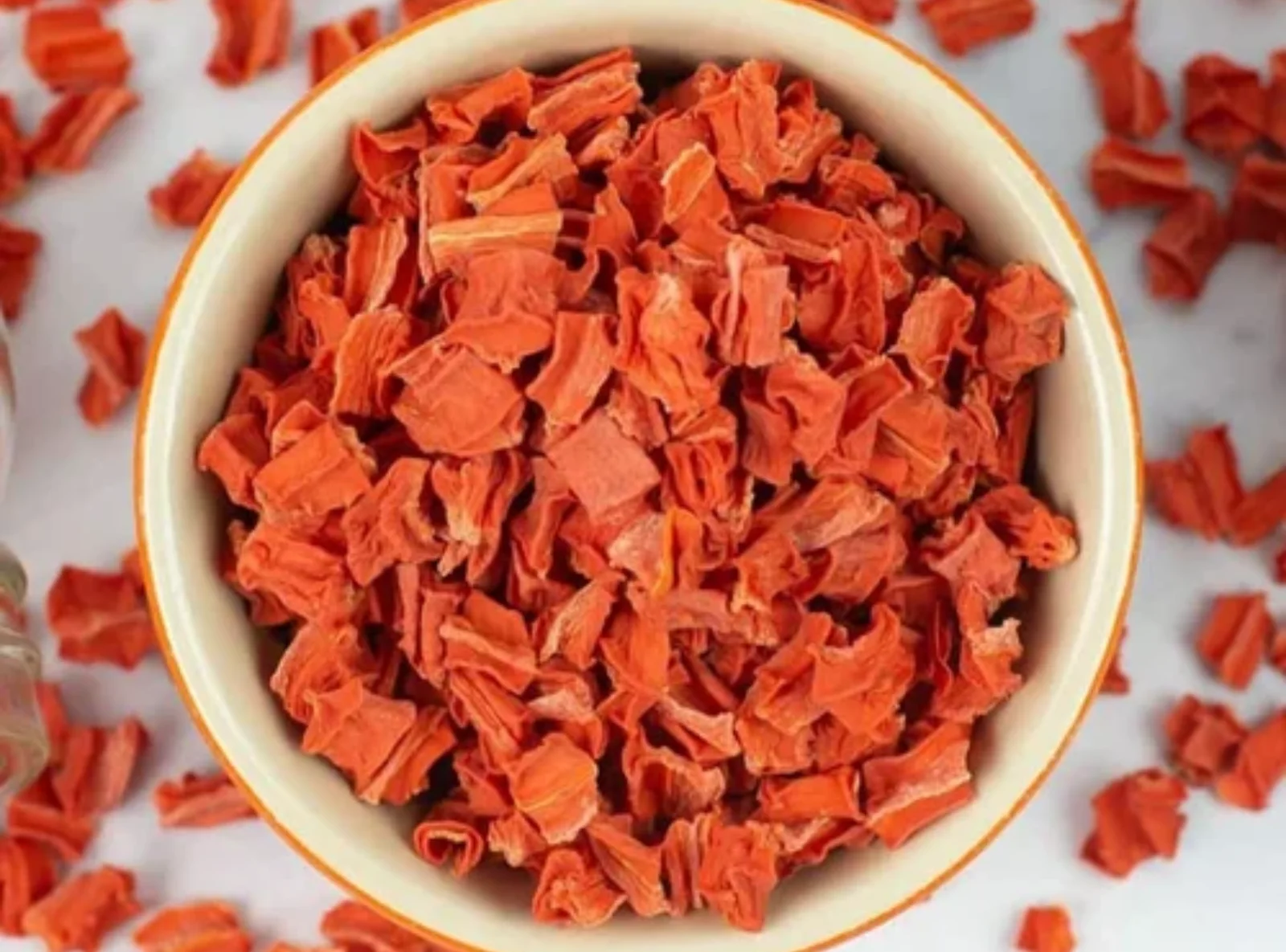
The supplier’s catalogue covers a spectrum of dried vegetables (curry leaves, dried bell pepper, dried cabbage, dried carrots, dried broccoli), preserved pickles (mixed, mango, ginger, green chilli brine, lemon) and a set of vegetable pastes (tomato puree, garlic paste, ginger paste, chilli paste). In the herbs segment, products include dried coriander, mint, tulsi and other Ayurvedic herbs such as amla and ashwagandha. The heena line is represented by pure henna powder. In global trade, dehydrated vegetables are typically shipped in 20‑ft or 40‑ft containers with moisture content below 12 % and particle size graded to pass a 2 mm sieve. Pickles and sauces are usually packed in food‑grade PET jars or bulk food‑grade drums, complying with HACCP and FSSAI standards. Spice and herb powders are graded by colour, essential oil content and moisture, often meeting ICUMSA‑type specifications for purity (e.g., > 95 % dry matter).
Frequently Asked Questions About Progilence Capability Development Pvt. Ltd.
What HS codes apply to the dried vegetable products listed by Progilence?
Dried vegetables such as curry leaves, bell pepper and cabbage fall under HS 0710 (dried vegetables) while dehydrated herb powders are usually classified under HS 1211 (herbs and spices, dried).
Which certifications should a buyer request for the spice and herb range?
Typical certifications include ISO 9001 for quality management, FSSAI licence for food safety, and, where applicable, organic or GAP certificates. Buyers often also ask for a Certificate of Analysis (CoA) showing moisture and essential oil content.
How are the pickles and sauces packaged for export?
Pickles and sauces are commonly packed in food‑grade PET jars (500 ml to 2 L) or bulk food‑grade drums (200 L), sealed with tamper‑evident caps and labelled according to the destination country’s labeling regulations.
What quality parameters are standard for garlic and ginger pastes?
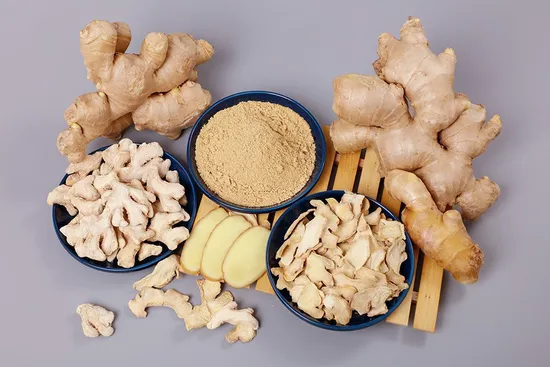
Standard parameters include total acidity (typically 0.5‑1.0 % for garlic paste), moisture below 12 %, microbial limits (e.g., coliforms < 10 CFU/g) and a minimum of 85 % dry matter for the base ingredient.
Are the herbal powders like ashwagandha and moringa suitable for nutraceutical applications?
Yes, Indian exporters of ashwagandha and moringa powder often provide phytochemical analysis, heavy‑metal testing and a declaration of compliance with AYUSH guidelines, which are accepted by nutraceutical buyers worldwide.
IndiaRelated Suppliers & Products
Explore similar suppliers, related products and trending categories