Prisha Herbals — Verified Supplier

About Prisha Herbals - Plants & Plant Extracts Supplier in India

India is the base of Prisha Herbals, which currently lists 13 active products across its catalogue. The supplier’s portfolio is grouped under Plants & Plant Extracts, Essential Oils, and Herbal Extracts. Products include a variety of botanical oils such as Peppermint Oil, Jaiphal Oil, Cassia Oil, Acacia Oil, Sandalwood Oil, and Mentha Piperita Oil, as well as raw plant materials like Adenophora, Aiye Leaf, and various seeds and bark. The catalogue reflects both liquid extracts and solid herbal raw materials commonly used in nutraceutical, flavor, and cosmetic applications. Each item is identified by its botanical name rather than a generic grade.

The listed items fall within standard HS chapters for essential oils (chapter 33, heading 3301) and for herbal raw materials (chapter 13, heading 1302). While specific HS codes are not supplied for each product, the categories align with typical customs classifications for plant‑derived oils and extracts. The supplier’s active product count of 13 indicates a focused range rather than a broad commodity list. Buyers can expect the product descriptions to correspond to standard industry terminology such as “oil” for distilled essential oils and “seed” or “bark” for raw botanical material.

Product Range and Specialties of Prisha Herbals

Prisha Herbals offers essential oils including Peppermint, Jaiphal (nutmeg), Cassia, Acacia, Sandalwood, and Mentha Piperita. In the essential‑oil market, buyers usually look for ISO 9235 compliance, a minimum GC‑MS confirmed purity of 95 % for therapeutic‑grade oils, and specifications such as a cloud point below 15 °C for peppermint oil. Herbal raw materials such as Adenophora, Aiye leaf, Abroma Augusta root, and various seeds are typically sold as dried, milled or whole plant parts, with moisture content not exceeding 12 % and particle size between 0.5 mm and 2 mm for powder forms. Standard packaging for oils ranges from 30 ml amber bottles to 5 L stainless‑steel drums, while solid herbs are often packed in 25 kg polypropylene bags.

Trade and Export Information - Prisha Herbals

India is a major exporter of essential oils and herbal extracts, supplying the European Union, United States, Middle East, and Southeast Asian markets. Essential oils are classified under HS 3301 and generally require a phytosanitary certificate, a certificate of origin, and a COA confirming purity and compliance with ISO 9235. Herbal raw materials fall under HS 1302 and often need a pesticide‑residue analysis and a declaration of compliance with local drug‑control regulations. Export logistics commonly use FOB or CIF terms, with container loads of 20 ft or 40 ft for bulk oil drums and bulk‑bagged herbs, and the goods are typically shipped in wooden crates or bulk containers with moisture‑proof liners. Indian exporters frequently hold ISO 9001 and GMP certifications, which buyers should verify.

Sourcing from Prisha Herbals - Buyer Guidance

When sourcing from Prisha Herbals, buyers should request a recent Certificate of Analysis for each oil, including GC‑MS chromatograms, specific gravity, refractive index, and any relevant organoleptic test results. For solid herbs and seeds, a moisture‑content report, particle‑size distribution, and pesticide‑residue analysis are standard verification documents. Buyers should also ask for the supplier’s GMP or ISO 9001 certificates, a phytosanitary certificate, and a declaration of compliance with any required organic standards if applicable. Sample quantities of 10 ml for oils or 500 g for herbs are typical for initial quality assessment, and minimum order quantities often start at 50 kg per SKU, with lead times of 15‑30 days after order confirmation.

Frequently Asked Questions About Prisha Herbals

What product categories does Prisha Herbals list?

Prisha Herbals lists essential oils such as Peppermint, Jaiphal, Cassia, Acacia, Sandalwood and Mentha Piperita, together with raw herbal materials including Adenophora, Aiye leaf, various seeds, bark and root powders. All items fall under the broader categories of Plants & Plant Extracts, Essential Oils and Herbal Extracts.

How can I obtain a sample of an essential oil?

Samples are usually provided in 10 ml amber glass vials, sealed with a tamper‑evident cap. Requestors should specify the oil name and provide a brief intended‑use statement to receive a free sample.

Which certifications should I verify before purchasing?

Buyers should request the supplier’s ISO 9001 or GMP certificate, a recent Certificate of Analysis for each batch, and a phytosanitary certificate for plant material. If organic claims are required, an additional organic certification should be supplied.

What are the typical HS codes for these products?

Essential oils are generally classified under HS 3301 00, while dried herbal raw materials are classified under HS 1302 90. Exact codes depend on the specific botanical and form of the product.

What are the usual minimum order quantities and lead times?

Minimum order quantities are commonly 50 kg per SKU for bulk oil or herb shipments, and lead times range from 15 to 30 days after order confirmation, depending on product availability and required documentation.

How are the products packaged for export?

Liquid oils are packed in 5 L stainless‑steel drums, 25 L polyethylene containers, or 30 ml glass bottles, while solid herbs and seeds are packed in 25 kg polypropylene bulk bags. All packaging is sealed and labeled in accordance with the destination country’s import regulations.

What testing standards apply to the essential oils?

Essential oils are typically tested for purity using GC‑MS, with a minimum purity of 95 % for therapeutic grade, and physical parameters such as specific gravity, refractive index and cloud point are also recorded. Batch reports should include these test results.


Featured Products from this Supplier

Other Suppliers in Primary Category

Top Trusted Suppliers

Related Products

Trending in Parent Category

More Suppliers in Category

Related Products

Other Suppliers

EximNext
58.5K+ live requirements
Register Free🎁 Reach verified global buyers
Post Requirement
🌍 Trusted by 224.6K+ businesses in 200+ countries|
58.5K+ active requirements right now
✉️ [email protected]
|
Sell on EximNextPost Requirement
EximNext
AgricultureApparelConstructionElectronicFoodHomeIndustrialMineralsMiscellaneous
🔥 Deals|✨ AI Match|🏭 Suppliers|📋 Buy Leads|💰 Trade Finance
58.5K+ live RFQs·194.6K+ suppliers
🎁 Reach global buyers →
EximNext
EximNext
Register Free
🎁 Reach verified global buyers
Sign In
📋Post Requirement💬Get QuotesAI Match📋RFQ Marketplace
All Categories
Services & Tools
🏭Supplier Directory🔥Today's Deals💰Trade Finance
Sell on EximNext
AboutContactBlogHelp
🏭

Prisha Herbals

Harbor
Country flag , India
🛡️
55/100
Trust Score

Prisha Herbals Product Catalog

Showing 12 of 18 products
View all products →
Abrus Precatorius Seed
Harbor
Abrus Precatorius Seed
Contact
MOQ: 1 Unit
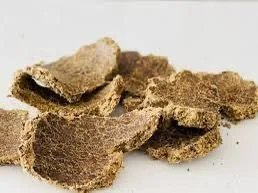
Acacia Arabica Bark
Harbor
Acacia Arabica Bark
Contact
MOQ: 1 Unit
Mentha Piperita Oil
Harbor
Mentha Piperita Oil
Contact
MOQ: 1 Unit
Sandalwood Oil
Harbor
Sandalwood Oil
Contact
MOQ: 1 Unit
Abroma Augusta Root
Harbor
Abroma Augusta Root
Contact
MOQ: 1 Unit
Artichoke Extract Powder
Harbor
Artichoke Extract Powder
Contact
MOQ: 1 Unit
Agrimory
Harbor
Agrimory
Contact
MOQ: 1 Unit
Aiye Leaf
Harbor
Aiye Leaf
Contact
MOQ: 1 Unit
Abies Webbiana Leaf
Harbor
Abies Webbiana Leaf
Contact
MOQ: 1 Unit
Abotion Indicum Seed
Harbor
Abotion Indicum Seed
Contact
MOQ: 1 Unit
Acacia Oil
Harbor
Acacia Oil
Contact
MOQ: 1 Unit
Cassia Oil
Harbor
Cassia Oil
Contact
MOQ: 1 Unit

About Prisha Herbals - Plants & Plant Extracts Supplier in India

India is the base of Prisha Herbals, which currently lists 13 active products across its catalogue. The supplier’s portfolio is grouped under Plants & Plant Extracts, Essential Oils, and Herbal Extracts. Products include a variety of botanical oils such as Peppermint Oil, Jaiphal Oil, Cassia Oil, Acacia Oil, Sandalwood Oil, and Mentha Piperita Oil, as well as raw plant materials like Adenophora, Aiye Leaf, and various seeds and bark. The catalogue reflects both liquid extracts and solid herbal raw materials commonly used in nutraceutical, flavor, and cosmetic applications. Each item is identified by its botanical name rather than a generic grade.

The listed items fall within standard HS chapters for essential oils (chapter 33, heading 3301) and for herbal raw materials (chapter 13, heading 1302). While specific HS codes are not supplied for each product, the categories align with typical customs classifications for plant‑derived oils and extracts. The supplier’s active product count of 13 indicates a focused range rather than a broad commodity list. Buyers can expect the product descriptions to correspond to standard industry terminology such as “oil” for distilled essential oils and “seed” or “bark” for raw botanical material.

Product Range and Specialties of Prisha Herbals

Prisha Herbals offers essential oils including Peppermint, Jaiphal (nutmeg), Cassia, Acacia, Sandalwood, and Mentha Piperita. In the essential‑oil market, buyers usually look for ISO 9235 compliance, a minimum GC‑MS confirmed purity of 95 % for therapeutic‑grade oils, and specifications such as a cloud point below 15 °C for peppermint oil. Herbal raw materials such as Adenophora, Aiye leaf, Abroma Augusta root, and various seeds are typically sold as dried, milled or whole plant parts, with moisture content not exceeding 12 % and particle size between 0.5 mm and 2 mm for powder forms. Standard packaging for oils ranges from 30 ml amber bottles to 5 L stainless‑steel drums, while solid herbs are often packed in 25 kg polypropylene bags.

Trade and Export Information - Prisha Herbals

India is a major exporter of essential oils and herbal extracts, supplying the European Union, United States, Middle East, and Southeast Asian markets. Essential oils are classified under HS 3301 and generally require a phytosanitary certificate, a certificate of origin, and a COA confirming purity and compliance with ISO 9235. Herbal raw materials fall under HS 1302 and often need a pesticide‑residue analysis and a declaration of compliance with local drug‑control regulations. Export logistics commonly use FOB or CIF terms, with container loads of 20 ft or 40 ft for bulk oil drums and bulk‑bagged herbs, and the goods are typically shipped in wooden crates or bulk containers with moisture‑proof liners. Indian exporters frequently hold ISO 9001 and GMP certifications, which buyers should verify.

Sourcing from Prisha Herbals - Buyer Guidance

When sourcing from Prisha Herbals, buyers should request a recent Certificate of Analysis for each oil, including GC‑MS chromatograms, specific gravity, refractive index, and any relevant organoleptic test results. For solid herbs and seeds, a moisture‑content report, particle‑size distribution, and pesticide‑residue analysis are standard verification documents. Buyers should also ask for the supplier’s GMP or ISO 9001 certificates, a phytosanitary certificate, and a declaration of compliance with any required organic standards if applicable. Sample quantities of 10 ml for oils or 500 g for herbs are typical for initial quality assessment, and minimum order quantities often start at 50 kg per SKU, with lead times of 15‑30 days after order confirmation.

Frequently Asked Questions About Prisha Herbals

What product categories does Prisha Herbals list?

Prisha Herbals lists essential oils such as Peppermint, Jaiphal, Cassia, Acacia, Sandalwood and Mentha Piperita, together with raw herbal materials including Adenophora, Aiye leaf, various seeds, bark and root powders. All items fall under the broader categories of Plants & Plant Extracts, Essential Oils and Herbal Extracts.

How can I obtain a sample of an essential oil?

Samples are usually provided in 10 ml amber glass vials, sealed with a tamper‑evident cap. Requestors should specify the oil name and provide a brief intended‑use statement to receive a free sample.

Which certifications should I verify before purchasing?

Buyers should request the supplier’s ISO 9001 or GMP certificate, a recent Certificate of Analysis for each batch, and a phytosanitary certificate for plant material. If organic claims are required, an additional organic certification should be supplied.

What are the typical HS codes for these products?

Essential oils are generally classified under HS 3301 00, while dried herbal raw materials are classified under HS 1302 90. Exact codes depend on the specific botanical and form of the product.

What are the usual minimum order quantities and lead times?

Minimum order quantities are commonly 50 kg per SKU for bulk oil or herb shipments, and lead times range from 15 to 30 days after order confirmation, depending on product availability and required documentation.

How are the products packaged for export?

Liquid oils are packed in 5 L stainless‑steel drums, 25 L polyethylene containers, or 30 ml glass bottles, while solid herbs and seeds are packed in 25 kg polypropylene bulk bags. All packaging is sealed and labeled in accordance with the destination country’s import regulations.

What testing standards apply to the essential oils?

Essential oils are typically tested for purity using GC‑MS, with a minimum purity of 95 % for therapeutic grade, and physical parameters such as specific gravity, refractive index and cloud point are also recorded. Batch reports should include these test results.

About Prisha Herbals - Plants & Plant Extracts Supplier in India

India is the base of Prisha Herbals, which currently lists 13 active products across its catalogue. The supplier’s portfolio is grouped under Plants & Plant Extracts, Essential Oils, and Herbal Extracts. Products include a variety of botanical oils such as Peppermint Oil, Jaiphal Oil, Cassia Oil, Acacia Oil, Sandalwood Oil, and Mentha Piperita Oil, as well as raw plant materials like Adenophora, Aiye Leaf, and various seeds and bark. The catalogue reflects both liquid extracts and solid herbal raw materials commonly used in nutraceutical, flavor, and cosmetic applications. Each item is identified by its botanical name rather than a generic grade.

The listed items fall within standard HS chapters for essential oils (chapter 33, heading 3301) and for herbal raw materials (chapter 13, heading 1302). While specific HS codes are not supplied for each product, the categories align with typical customs classifications for plant‑derived oils and extracts. The supplier’s active product count of 13 indicates a focused range rather than a broad commodity list. Buyers can expect the product descriptions to correspond to standard industry terminology such as “oil” for distilled essential oils and “seed” or “bark” for raw botanical material.

Product Range and Specialties of Prisha Herbals

Prisha Herbals offers essential oils including Peppermint, Jaiphal (nutmeg), Cassia, Acacia, Sandalwood, and Mentha Piperita. In the essential‑oil market, buyers usually look for ISO 9235 compliance, a minimum GC‑MS confirmed purity of 95 % for therapeutic‑grade oils, and specifications such as a cloud point below 15 °C for peppermint oil. Herbal raw materials such as Adenophora, Aiye leaf, Abroma Augusta root, and various seeds are typically sold as dried, milled or whole plant parts, with moisture content not exceeding 12 % and particle size between 0.5 mm and 2 mm for powder forms. Standard packaging for oils ranges from 30 ml amber bottles to 5 L stainless‑steel drums, while solid herbs are often packed in 25 kg polypropylene bags.

Trade and Export Information - Prisha Herbals

India is a major exporter of essential oils and herbal extracts, supplying the European Union, United States, Middle East, and Southeast Asian markets. Essential oils are classified under HS 3301 and generally require a phytosanitary certificate, a certificate of origin, and a COA confirming purity and compliance with ISO 9235. Herbal raw materials fall under HS 1302 and often need a pesticide‑residue analysis and a declaration of compliance with local drug‑control regulations. Export logistics commonly use FOB or CIF terms, with container loads of 20 ft or 40 ft for bulk oil drums and bulk‑bagged herbs, and the goods are typically shipped in wooden crates or bulk containers with moisture‑proof liners. Indian exporters frequently hold ISO 9001 and GMP certifications, which buyers should verify.

Sourcing from Prisha Herbals - Buyer Guidance

When sourcing from Prisha Herbals, buyers should request a recent Certificate of Analysis for each oil, including GC‑MS chromatograms, specific gravity, refractive index, and any relevant organoleptic test results. For solid herbs and seeds, a moisture‑content report, particle‑size distribution, and pesticide‑residue analysis are standard verification documents. Buyers should also ask for the supplier’s GMP or ISO 9001 certificates, a phytosanitary certificate, and a declaration of compliance with any required organic standards if applicable. Sample quantities of 10 ml for oils or 500 g for herbs are typical for initial quality assessment, and minimum order quantities often start at 50 kg per SKU, with lead times of 15‑30 days after order confirmation.

Frequently Asked Questions About Prisha Herbals
What product categories does Prisha Herbals list?
Prisha Herbals lists essential oils such as Peppermint, Jaiphal, Cassia, Acacia, Sandalwood and Mentha Piperita, together with raw herbal materials including Adenophora, Aiye leaf, various seeds, bark and root powders. All items fall under the broader categories of Plants & Plant Extracts, Essential Oils and Herbal Extracts.
How can I obtain a sample of an essential oil?
Samples are usually provided in 10 ml amber glass vials, sealed with a tamper‑evident cap. Requestors should specify the oil name and provide a brief intended‑use statement to receive a free sample.
Which certifications should I verify before purchasing?
Buyers should request the supplier’s ISO 9001 or GMP certificate, a recent Certificate of Analysis for each batch, and a phytosanitary certificate for plant material. If organic claims are required, an additional organic certification should be supplied.
What are the typical HS codes for these products?
Essential oils are generally classified under HS 3301 00, while dried herbal raw materials are classified under HS 1302 90. Exact codes depend on the specific botanical and form of the product.
What are the usual minimum order quantities and lead times?
Minimum order quantities are commonly 50 kg per SKU for bulk oil or herb shipments, and lead times range from 15 to 30 days after order confirmation, depending on product availability and required documentation.
How are the products packaged for export?
Liquid oils are packed in 5 L stainless‑steel drums, 25 L polyethylene containers, or 30 ml glass bottles, while solid herbs and seeds are packed in 25 kg polypropylene bulk bags. All packaging is sealed and labeled in accordance with the destination country’s import regulations.
What testing standards apply to the essential oils?
Essential oils are typically tested for purity using GC‑MS, with a minimum purity of 95 % for therapeutic grade, and physical parameters such as specific gravity, refractive index and cloud point are also recorded. Batch reports should include these test results.

🏭
Prisha Herbals
Country flag , India
Harbor
55/100
Trust Score
📦
18
Products
Free to contact — no commission
Escrow payment available
Verified business identity
Compare more suppliers
Post a requirement — get 10 quotes free
Let verified suppliers compete for your business. Free, fast, no commitment.
EximNext Verified Supplier
Business identity verified
Physical address confirmed
Financial history checked
Certifications authenticated
Trade references validated
Due Diligence
Verify this supplier's real shipping history.
Every shipment, every buyer, every port. Trade data that can't be faked.
Run due diligence →
Discover More

Related Suppliers & Products

Explore similar suppliers, related products and trending categories

Featured Products from this Supplier

Other Suppliers in Primary Category

Top Trusted Suppliers

Related Products

Trending in Parent Category

More Suppliers in Category

Stay ahead in global trade
Weekly market insights & new supplier alerts.
EximNext
Exim Next is a leading global B2B marketplace, connecting over 205,000 verified suppliers and buyers across 200+ countries. As a trusted import export marketplace, it serves as the essential B2B portal for businesses worldwide, empowering them to expand their international reach. With Exim Next, businesses can trade smarter and grow faster.
SECURE PAYMENTS
VISAMastercardPayPalSWIFTL/CEscrow
Follow us
© 2026 EximNext