Primetrade Exports — Verified Supplier
About Primetrate Exports - Spice and Grain Supplier in India
Primetrade Exports is based in India and currently lists six active products. The catalogue includes Indian Black Pepper (Tellichery/Malabar), Indian Rice, Indian Green Cardamom, Semi‑Husked Coconuts, Semi‑Husked Coconuts/Dehusked Coconuts, and Cloves. These items fall under the spice and grain HS chapters 0904, 1006, 0905, 0801 and 0907, which are the standard tariff headings for pepper, rice, cardamom, coconut and cloves respectively. The supplier’s active product count of six reflects a focused range across major Indian spice and cereal exports. Each product is identified by its common trade name rather than a proprietary brand.
Product Range and Specialties of Primetrate Exports
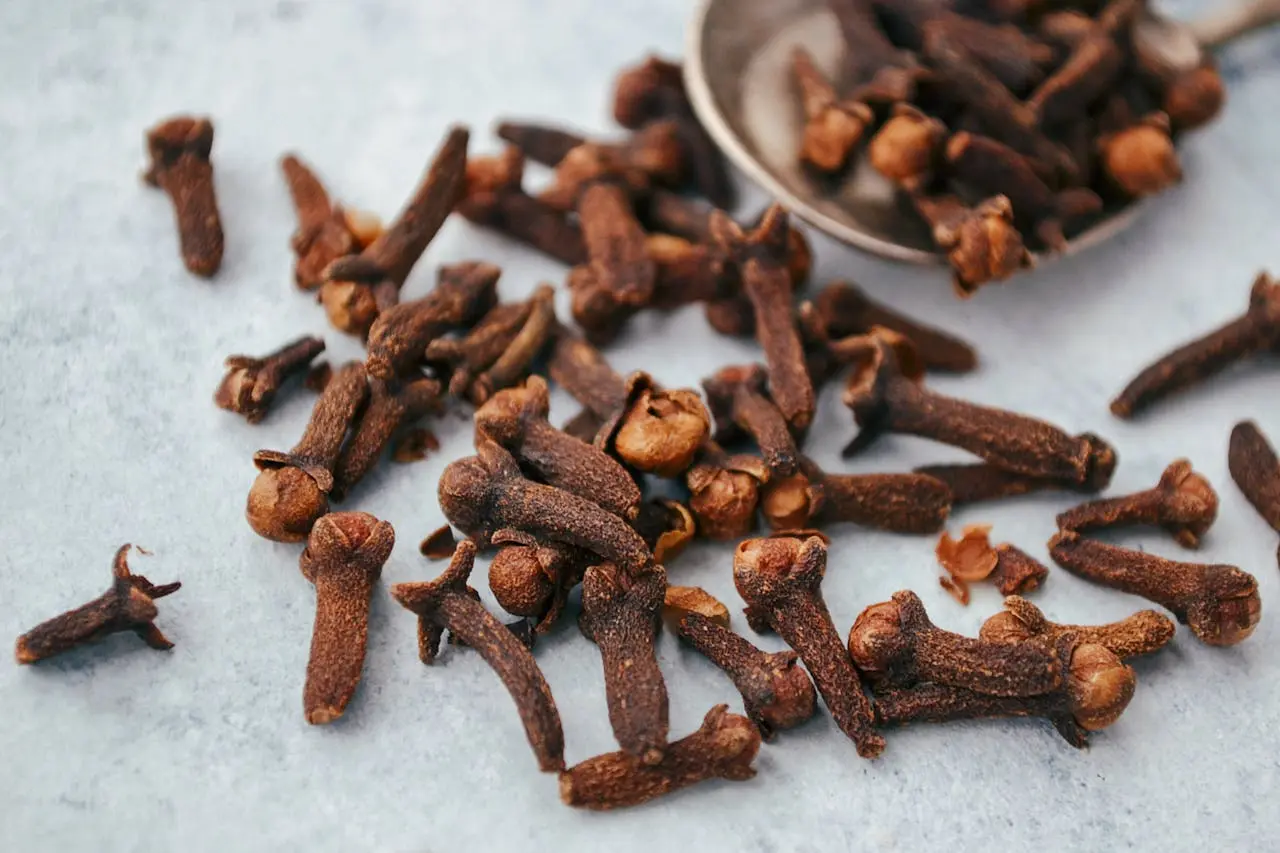
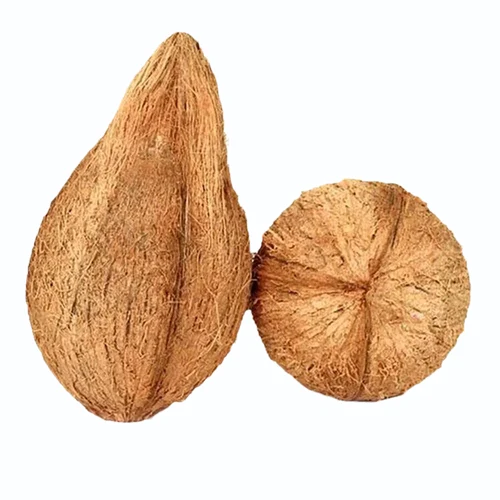
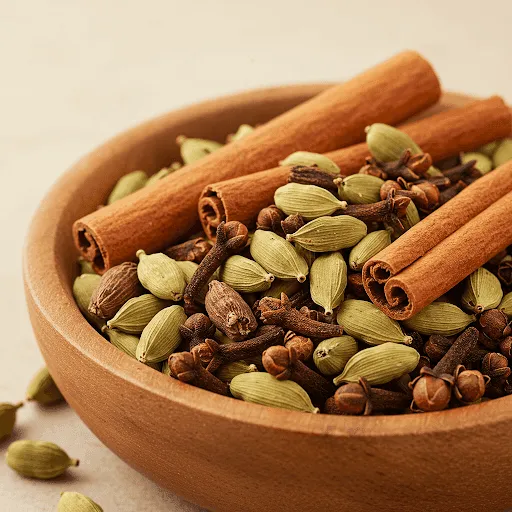
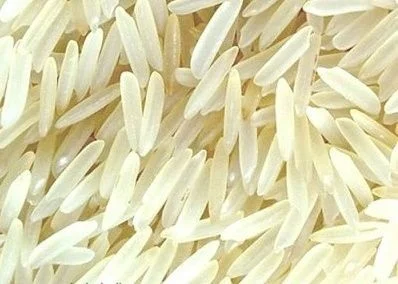
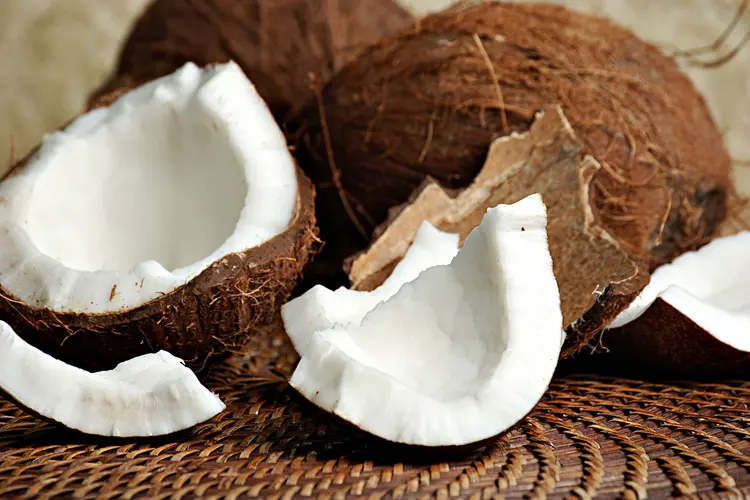
The listed pepper is the Malabar variety, typically graded SRT 5‑6 with moisture below 12 % and oil content around 45 %. Indian rice in the catalogue is generally non‑Basmati milled rice, moisture 12‑14 % and broken grain under 5 %. Green cardamom is usually sold as Grade A, pod length 7‑9 mm and essential‑oil content above 6 %. Semi‑husked and dehusked coconuts are exported in 50 kg bags or bulk 20 ft containers, with husk removal rates of 70‑80 % for semi‑husked and 90 % for fully dehusked. Cloves are commonly graded A, moisture under 10 % and oil content near 15 %.
Trade and Export Information - Primetrate Exports
India is a major exporter of pepper, rice, cardamom, coconut and cloves to regions including the European Union, United States, Middle East and Africa. Typical HS codes are 0904 for pepper, 1006 for rice, 0905 for cardamom, 0801 for coconut and 0907 for cloves, which determine duty rates and inspection requirements. Buyers usually request certifications such as ISO 22000, HACCP or FSSC 22000, and may also require organic or Fairtrade certificates depending on the market. Export shipments are commonly packed in 20 ft or 40 ft containers, with pepper and cardamom in jute or polypropylene bags of 25 kg, rice in 25 kg or 50 kg bags, and coconuts in bulk cartons or bulk freight. Incoterms such as FOB or CIF are standard, and customs authorities often ask for phytosanitary certificates and a certificate of origin.
Sourcing from Primetrate Exports - Buyer Guidance
When sourcing from this supplier, request a product sample together with a laboratory analysis report covering moisture, oil content and any pesticide residues. Verify that the supplier can provide the certifications required by your market, for example ISO 22000 for food safety or an organic certificate if applicable. Confirm packaging details - bag weight, container load plan and whether the goods are moisture‑sealed - before finalising the order to avoid re‑handling at the destination.
Frequently Asked Questions About Primetrade Exports
What pepper varieties does Primetrade Exports list?
The catalogue mentions Indian Black Pepper (Tellichery/Malabar), which is typically graded SRT 5‑6 with moisture below 12 %.
Which HS code applies to the Indian Rice product?
Indian rice generally falls under HS code 1006, the standard heading for milled rice.
What quality parameters are common for Green Cardamom?
Buyers look for Grade A cardamom with pod length 7‑9 mm, essential‑oil content above 6 % and moisture under 8 %.
Are both semi‑husked and dehusked coconuts available?
Yes, the supplier lists Semi‑Husked Coconuts and a combined entry for Semi‑Husked/Dehusked Coconuts, typically shipped in 50 kg bags or bulk containers.
What certifications should a buyer request for these spice products?
Typical certifications include ISO 22000, HACCP or FSSC 22000 for food safety, and any organic or Fairtrade certificates required by the destination market.
What is the usual minimum order quantity for cloves?
Cloves are often sold in 25 kg polypropylene bags; a common minimum order is one full container load, roughly 800 kg, but exact MOQ should be confirmed with the supplier.
Which Incoterms are most frequently used for shipments from India?
FOB (Free On Board) and CIF (Cost, Insurance and Freight) are the most frequently used terms for spice and grain exports from India.
What documentation is needed for customs clearance of these products?
Customs typically requires a commercial invoice, packing list, certificate of origin, phytosanitary certificate and any relevant food‑safety certificates.




 , India