Prime EXIM — Verified Supplier
About Prime EXIM - Rice and Agricultural Products Supplier in Cambodia
Cambodia‑based Prime EXIM lists eight active products across food staples and industrial safety footwear. The catalogue includes chicken eggs, fresh onion, three rice sub‑categories (white rice, basmati rice and parboiled rice variants) and a line of safety shoes, reflecting a focus on agricultural produce and basic personal protective equipment. Each rice entry falls under HS chapter 10, with the two basmati‑related items coded 1006.30 for milled rice, while the other items are listed without HS codes in the source data. The supplier is classified as an imported tier with a harbor trust rating, indicating a middle‑level verification status within the platform.
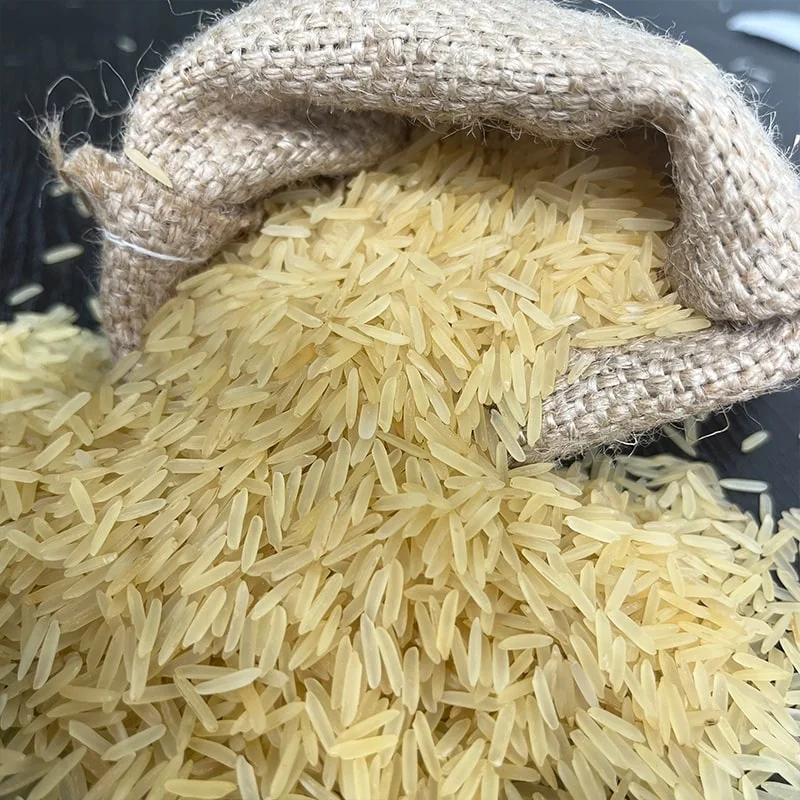
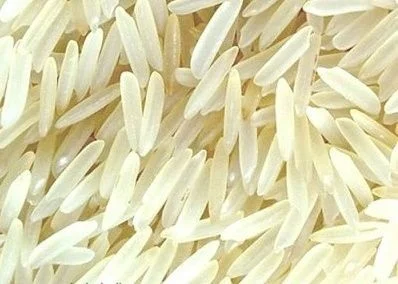
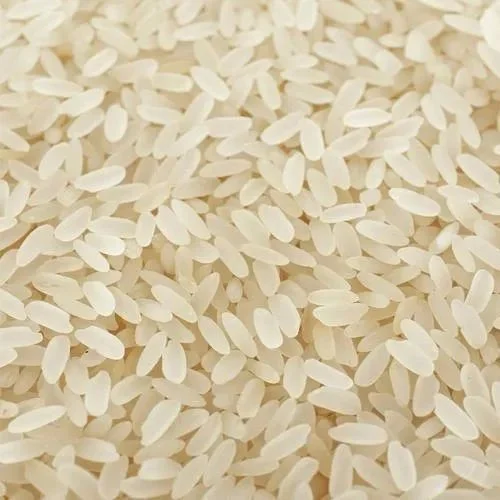
The product list shows “White Sella 1121” and “Basmati Rice” both carrying HS code 1006.30 and described as extra‑long grain parboiled basmati (Oryza sativa) and generic basmati varieties respectively. The remaining items - chicken eggs, fresh onion, white rice, safety shoes and the “Golden Sella 1121” and “Ir 64” entries - are presented without explicit HS codes or material descriptors, limiting the technical detail available to buyers.
Product Range and Specialties of Prime EXIM
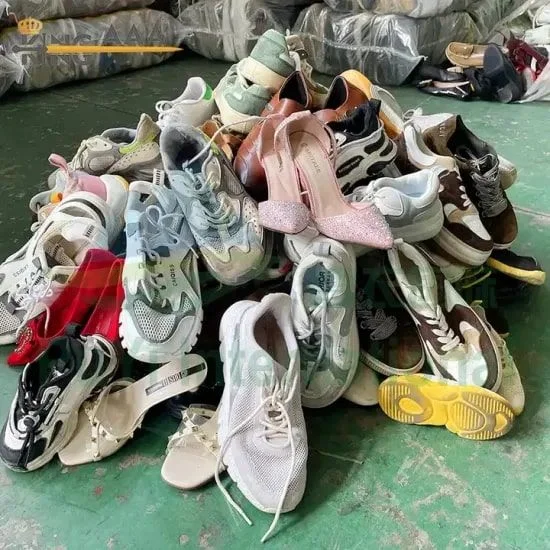
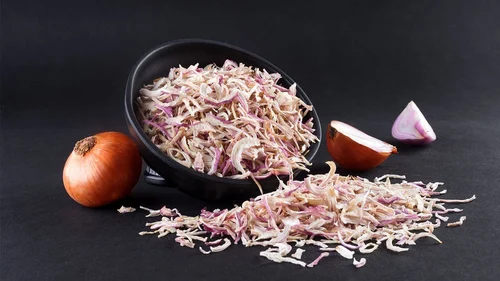
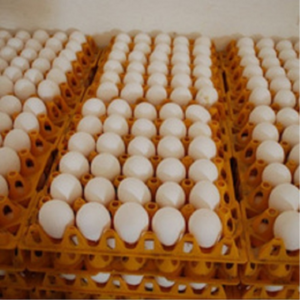
Prime EXIM’s catalogue groups three rice families: white rice, basmati rice and parboiled (Sella) rice. In the global market, basmati rice is commonly graded by length‑to‑width ratio (e.g., IR‑64, B‑370) and aromatic intensity, while parboiled rice is evaluated on moisture content (typically 12‑14 %) and breakage rate. Standard packaging for bulk rice from Cambodia is 25 kg polypropylene bags or 20‑ft containers holding up to 22 tons. Chicken eggs are usually sold in trays of 30 units, graded by shell strength and yolk colour, and fresh onion is traded in mesh bags of 10‑15 kg with moisture limits below 12 %. Safety shoes are classified under industrial PPE and are measured by toe‑cap steel thickness (≈0.8 mm) and sole slip‑resistance (ASTM F2913).
Trade and Export Information - Prime EXIM
Cambodian rice exporters primarily ship to Southeast Asian markets, the Middle East and parts of Africa, using HS code 1006.30 for milled basmati and parboiled varieties. Buyers typically request certificates such as ISO 22000, HACCP or the Cambodian Ministry of Commerce phytosanitary certificate for grain products. Egg shipments fall under HS chapter 04 and are subject to sanitary certificates and cold‑chain handling, while fresh onion exports require pesticide residue testing per EU maximum residue limits. Safety shoes are classified under HS 4205 and often need CE marking or ISO 20345 compliance for European buyers. Common Incoterms for these commodities are FOB Phnom Penh or CIF Singapore, with container loading standards that include palletized bags for rice and ventilated crates for eggs and onions.
Sourcing from Prime EXIM - Buyer Guidance
When sourcing rice from Prime EXIM, request a mill test report showing moisture (≤14 %), broken grain percentage (≤5 %) and germination rate for parboiled stock. Verify the presence of a phytosanitary certificate for fresh onion and a veterinary health certificate for chicken eggs, both required by most importing countries. For safety shoes, ask for the product compliance test report (ISO 20345) and a CE declaration of conformity if shipping to the EU. Confirm the packaging dimensions - 25 kg bags for rice, 30‑egg trays and 10‑kg onion mesh bags - to plan container space and handling procedures.
Frequently Asked Questions About Prime EXIM
What HS codes does Prime EXIM use for its rice products?
The catalogue lists HS code 1006.30 for both the White Sella 1121 and the generic Basmati Rice entries, which covers milled rice and parboiled rice under Chapter 10.
Are there any certifications associated with the safety shoes?
The facts do not specify any certifications. Buyers should request an ISO 20345 test report or CE marking to confirm compliance with European PPE standards.
What documentation is needed for importing chicken eggs?
Typical requirements include a veterinary health certificate, a sanitary inspection report and, where applicable, a cold‑chain handling plan.
How is fresh onion usually packaged for export?
Exporters commonly use ventilated mesh bags of 10‑15 kg each, stacked on pallets to fit a 20‑ft container while allowing airflow to prevent moisture buildup.
What are the standard moisture limits for the rice variants offered?
Parboiled and white rice exported from Cambodia generally meet a moisture content of 12‑14 % and a broken grain rate below 5 %.
What container size is typical for shipping the rice products?
A 20‑foot container can hold roughly 22 tons of 25 kg rice bags, while a 40‑foot container accommodates about 44 tons, depending on packing efficiency.
Is a phytosanitary certificate required for the onion product?
Yes, most importing countries require a phytosanitary certificate confirming the onion batch is free from pests and complies with pesticide residue limits.
What lead time should a buyer expect for a sample of the basmati rice?
Suppliers in Cambodia usually provide a small sample (5‑10 kg) within 7‑10 working days after request, subject to export documentation preparation.




 , Cambodia