Prasid Pashmina Industry — Supplier

About Prasid Pashmina Industry - Scarves/Stoles Supplier in Nepal

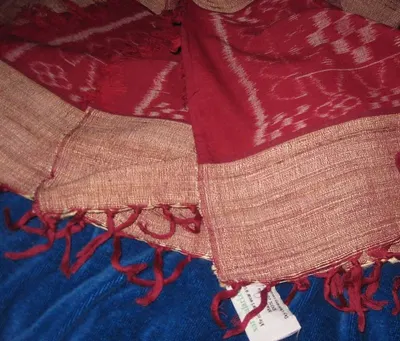
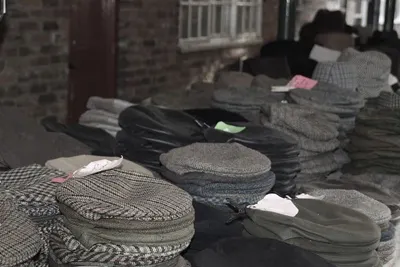
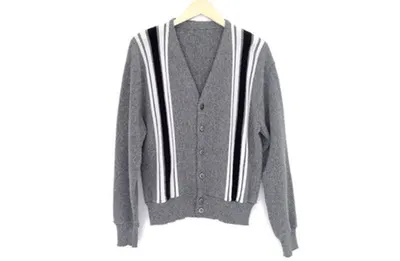
Nepal‑based Prasid Pashmina Industry lists six active products across the categories of scarves/stoles, shawls, woolen clothing/sweaters, blankets and hats/caps. The catalogue includes a plain Shawl, Cashmere Stoles, Cashmere Cardigans, Woven Shawls and Stoles, Woven Blankets and Throws (recorded under HS code 6301.30) and a mixed line of Knitted Shawls, Ponchos, Cardigans, Caps and Hats. Each entry is identified by its material family - cashmere, wool or blended fibers such as cotton‑acrylic - and is grouped under the broader textile and apparel HS chapters. The supplier’s product count of six reflects a focused offering rather than a broad commodity list.

The product descriptions indicate that the woven blankets and throws fall under HS heading 6301.30, which covers blankets and travelling rugs of wool, fine animal hair or other textile fibers. Other items such as the knitted shawls and caps are classified in the apparel sections of HS Chapter 61 or 62, depending on the final construction. Materials cited include pure cashmere, pure wool and cotton/acrylic blends, which are typical fiber inputs for high‑end knitwear and woven home‑textile items. No additional certifications or origin‑specific claims are provided in the supplied data.

Product Range and Specialties of Prasid Pashmina Industry

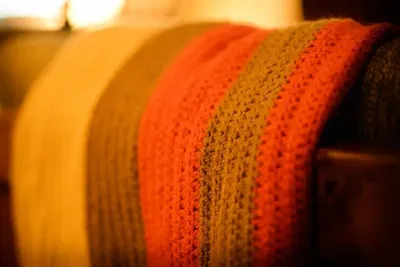
The catalogue’s six items span both woven and knitted constructions. Woven Shawls and Stoles are typically produced on flat‑loom looms and may range from 120 cm × 150 cm to 150 cm × 180 cm, with a fabric weight of 250‑350 g/m². Cashmere Stoles and Cardigans usually target micron counts between 15‑18 µm and a fiber length of 30‑40 mm, delivering a soft hand feel expected in premium cashmere. Woven Blankets and Throws under HS 6301.30 are commonly manufactured in dimensions of 120 cm × 180 cm to 150 cm × 200 cm, with a GSM of 300‑450 and a blend ratio that may include up to 30 % acrylic for durability. Knitted shawls, ponchos, caps and hats are often made on circular knitting machines, with stitch gauges of 6‑8 mm and finished thicknesses of 200‑300 g/m² for outerwear pieces. Industry standards such as ISO 1833 for fiber composition and Oeko‑Tex Standard 100 for harmful substance testing are frequently applied to these product types.

Trade and Export Information - Prasid Pashmina Industry

Exporters of cashmere and woolen textiles from Nepal primarily ship to markets in Europe, North America and the Middle East, where demand for natural‑fiber apparel and home‑textiles remains strong. HS heading 6301.30 for blankets and throws is routinely examined by customs for correct fiber declaration and weight specifications, while knitted apparel items fall under HS 6105‑6106 or 6205‑6206, requiring compliance with textile labeling rules in the destination country. Common buyer requirements include certificates such as ISO 9001 quality management, Oeko‑Tex Standard 100 for chemical safety, and, when applicable, GOTS for organic fiber content. Nepal’s textile export logistics often use FOB Kathmandu with subsequent inland transport to the Port of Kolkata or direct air freight; container loads typically follow 20‑ft or 40‑ft specifications with pallets and double‑wall cartons to protect delicate knitwear.

Sourcing from Prasid Pashmina Industry - Buyer Guidance

When sourcing from Prasid Pashmina Industry, buyers should request a material test report confirming fiber type, micron count and blend ratio for cashmere and wool items. Samples of woven blankets (HS 6301.30) should be examined for GSM, dimensions and edge finishing, while knitted garments should be checked for stitch uniformity, gauge and shrinkage after a standard wash test. Request copies of any ISO, Oeko‑Tex or GOTS certificates that the supplier can provide, and verify that the HS codes declared match the physical product to avoid customs discrepancies. Confirm packaging details - typically double‑wall cartons of 20‑25 kg per carton - and agree on Incoterms such as FOB Kathmandu or CIF to the buyer’s destination port.

Frequently Asked Questions About Prasid Pashmina Industry

What product categories does Prasid Pashmina Industry list in its catalogue?

The catalogue contains six items: Shawl, Cashmere Stoles, Cashmere Cardigans, Woven Shawls and Stoles, Woven Blankets and Throws (HS 6301.30) and Knitted Shawls, Ponchos, Cardigans, Caps and Hats.

Which HS code is associated with the woven blankets and throws?

The woven blankets and throws are recorded under HS code 6301.30, which covers blankets and travelling rugs of wool, fine animal hair or other textile fibers.

What materials are used in the supplier’s products?

Materials mentioned include pure cashmere, pure wool and blended fibers such as cotton‑acrylic mixes, typical for high‑end knitwear and woven home‑textiles.

What certifications are commonly required for cashmere and wool textiles from Nepal?

Buyers usually request ISO 9001, Oeko‑Tex Standard 100 and, when applicable, GOTS certification to verify quality management, chemical safety and organic fiber content.

What is a typical minimum order quantity (MOQ) for woven blankets under HS 6301.30?

Exporters often set an MOQ of one 20‑ft container, roughly 1,000‑1,200 kg, which translates to about 40‑50 cartons of 20‑25 kg each, depending on blanket size and GSM.

What lead time should a buyer expect for knitted shawls and caps?

Lead times for knitted items from Nepal generally range from 30 to 45 days after sample approval, covering yarn procurement, knitting, finishing and packaging.

How are the products typically packaged for international shipment?

Products are packed in double‑wall cartons, stacked on Euro pallets, and loaded into 20‑ft or 40‑ft containers; blankets are often folded and secured to prevent shifting.

Which Incoterms are most frequently used for exporting these textiles from Nepal?

FOB Kathmandu and CIF to the buyer’s destination port are the most common Incoterms used for cashmere and wool textile shipments from Nepal.


Other Suppliers in Scarves/Stoles

Top Trusted Suppliers

Related Products in Scarves/Stoles

Trending in Parent Category

More Suppliers in Parent Category

Related Products

Other Suppliers

EximNext
7.1K+ live requirements
Register Free🎁 Reach global buyers
Post Requirement
🌍 Trusted by 225K+ businesses in 200+ countries|
7.1K+ active requirements right now
✉️ [email protected]
|
Sell on EximNextPost Requirement
EximNext
AgricultureApparelConstructionElectronicFoodHomeIndustrialMineralsMiscellaneous
🔥 Deals|✨ AI Match|🏭 Suppliers|📋 Buy Leads|💰 Trade Finance
7.1K+ live RFQs·194.8K+ suppliers
🎁 Reach global buyers →
EximNext
EximNext
Register Free
🎁 Reach global buyers
Sign In
📋Post Requirement💬Get Quotes✨AI Match📋RFQ Marketplace
All Categories
Services & Tools
🏭Supplier Directory🔥Today's Deals💰Trade Finance
Sell on EximNext →
AboutContactBlogHelp
Global Trade  ·  Nepal
6
products listed

Prasid Pashmina Industry

⚓ Harbor
Country flag , NepalNew supplier / no reviews yet
🛡️
56/100
Trust Score

Prasid Pashmina Industry Product Catalog

Showing 6 of 6 products
View all products →
Woven Shawls and Stoles
⚓ Harbor
Woven Shawls and Stoles
Contact
MOQ: 1 Unit
Woven Blankets and Throws
⚓ Harbor
Woven Blankets and Throws
Contact
MOQ: 1 Unit
Knitted Shawls, Ponchos, Cardigans, Caps, Hats
⚓ Harbor
Knitted Shawls, Ponchos, Cardigans, Caps, Hats
Contact
MOQ: 1 Unit
Cashmere Cardigans
⚓ Harbor
Cashmere Cardigans
Contact
MOQ: 1 Unit
Cashmere Stoles
⚓ Harbor
Cashmere Stoles
Contact
MOQ: 1 Unit
Shawl
⚓ Harbor
Shawl
Contact
MOQ: 1 Unit

About Prasid Pashmina Industry - Scarves/Stoles Supplier in Nepal

Nepal‑based Prasid Pashmina Industry lists six active products across the categories of scarves/stoles, shawls, woolen clothing/sweaters, blankets and hats/caps. The catalogue includes a plain Shawl, Cashmere Stoles, Cashmere Cardigans, Woven Shawls and Stoles, Woven Blankets and Throws (recorded under HS code 6301.30) and a mixed line of Knitted Shawls, Ponchos, Cardigans, Caps and Hats. Each entry is identified by its material family - cashmere, wool or blended fibers such as cotton‑acrylic - and is grouped under the broader textile and apparel HS chapters. The supplier’s product count of six reflects a focused offering rather than a broad commodity list.

The product descriptions indicate that the woven blankets and throws fall under HS heading 6301.30, which covers blankets and travelling rugs of wool, fine animal hair or other textile fibers. Other items such as the knitted shawls and caps are classified in the apparel sections of HS Chapter 61 or 62, depending on the final construction. Materials cited include pure cashmere, pure wool and cotton/acrylic blends, which are typical fiber inputs for high‑end knitwear and woven home‑textile items. No additional certifications or origin‑specific claims are provided in the supplied data.

Product Range and Specialties of Prasid Pashmina Industry

The catalogue’s six items span both woven and knitted constructions. Woven Shawls and Stoles are typically produced on flat‑loom looms and may range from 120 cm × 150 cm to 150 cm × 180 cm, with a fabric weight of 250‑350 g/m². Cashmere Stoles and Cardigans usually target micron counts between 15‑18 µm and a fiber length of 30‑40 mm, delivering a soft hand feel expected in premium cashmere. Woven Blankets and Throws under HS 6301.30 are commonly manufactured in dimensions of 120 cm × 180 cm to 150 cm × 200 cm, with a GSM of 300‑450 and a blend ratio that may include up to 30 % acrylic for durability. Knitted shawls, ponchos, caps and hats are often made on circular knitting machines, with stitch gauges of 6‑8 mm and finished thicknesses of 200‑300 g/m² for outerwear pieces. Industry standards such as ISO 1833 for fiber composition and Oeko‑Tex Standard 100 for harmful substance testing are frequently applied to these product types.

Trade and Export Information - Prasid Pashmina Industry

Exporters of cashmere and woolen textiles from Nepal primarily ship to markets in Europe, North America and the Middle East, where demand for natural‑fiber apparel and home‑textiles remains strong. HS heading 6301.30 for blankets and throws is routinely examined by customs for correct fiber declaration and weight specifications, while knitted apparel items fall under HS 6105‑6106 or 6205‑6206, requiring compliance with textile labeling rules in the destination country. Common buyer requirements include certificates such as ISO 9001 quality management, Oeko‑Tex Standard 100 for chemical safety, and, when applicable, GOTS for organic fiber content. Nepal’s textile export logistics often use FOB Kathmandu with subsequent inland transport to the Port of Kolkata or direct air freight; container loads typically follow 20‑ft or 40‑ft specifications with pallets and double‑wall cartons to protect delicate knitwear.

Sourcing from Prasid Pashmina Industry - Buyer Guidance

When sourcing from Prasid Pashmina Industry, buyers should request a material test report confirming fiber type, micron count and blend ratio for cashmere and wool items. Samples of woven blankets (HS 6301.30) should be examined for GSM, dimensions and edge finishing, while knitted garments should be checked for stitch uniformity, gauge and shrinkage after a standard wash test. Request copies of any ISO, Oeko‑Tex or GOTS certificates that the supplier can provide, and verify that the HS codes declared match the physical product to avoid customs discrepancies. Confirm packaging details - typically double‑wall cartons of 20‑25 kg per carton - and agree on Incoterms such as FOB Kathmandu or CIF to the buyer’s destination port.

Frequently Asked Questions About Prasid Pashmina Industry

What product categories does Prasid Pashmina Industry list in its catalogue?

The catalogue contains six items: Shawl, Cashmere Stoles, Cashmere Cardigans, Woven Shawls and Stoles, Woven Blankets and Throws (HS 6301.30) and Knitted Shawls, Ponchos, Cardigans, Caps and Hats.

Which HS code is associated with the woven blankets and throws?

The woven blankets and throws are recorded under HS code 6301.30, which covers blankets and travelling rugs of wool, fine animal hair or other textile fibers.

What materials are used in the supplier’s products?

Materials mentioned include pure cashmere, pure wool and blended fibers such as cotton‑acrylic mixes, typical for high‑end knitwear and woven home‑textiles.

What certifications are commonly required for cashmere and wool textiles from Nepal?

Buyers usually request ISO 9001, Oeko‑Tex Standard 100 and, when applicable, GOTS certification to verify quality management, chemical safety and organic fiber content.

What is a typical minimum order quantity (MOQ) for woven blankets under HS 6301.30?

Exporters often set an MOQ of one 20‑ft container, roughly 1,000‑1,200 kg, which translates to about 40‑50 cartons of 20‑25 kg each, depending on blanket size and GSM.

What lead time should a buyer expect for knitted shawls and caps?

Lead times for knitted items from Nepal generally range from 30 to 45 days after sample approval, covering yarn procurement, knitting, finishing and packaging.

How are the products typically packaged for international shipment?

Products are packed in double‑wall cartons, stacked on Euro pallets, and loaded into 20‑ft or 40‑ft containers; blankets are often folded and secured to prevent shifting.

Which Incoterms are most frequently used for exporting these textiles from Nepal?

FOB Kathmandu and CIF to the buyer’s destination port are the most common Incoterms used for cashmere and wool textile shipments from Nepal.

About Prasid Pashmina Industry - Scarves/Stoles Supplier in Nepal

Nepal‑based Prasid Pashmina Industry lists six active products across the categories of scarves/stoles, shawls, woolen clothing/sweaters, blankets and hats/caps. The catalogue includes a plain Shawl, Cashmere Stoles, Cashmere Cardigans, Woven Shawls and Stoles, Woven Blankets and Throws (recorded under HS code 6301.30) and a mixed line of Knitted Shawls, Ponchos, Cardigans, Caps and Hats. Each entry is identified by its material family - cashmere, wool or blended fibers such as cotton‑acrylic - and is grouped under the broader textile and apparel HS chapters. The supplier’s product count of six reflects a focused offering rather than a broad commodity list.

The product descriptions indicate that the woven blankets and throws fall under HS heading 6301.30, which covers blankets and travelling rugs of wool, fine animal hair or other textile fibers. Other items such as the knitted shawls and caps are classified in the apparel sections of HS Chapter 61 or 62, depending on the final construction. Materials cited include pure cashmere, pure wool and cotton/acrylic blends, which are typical fiber inputs for high‑end knitwear and woven home‑textile items. No additional certifications or origin‑specific claims are provided in the supplied data.

Product Range and Specialties of Prasid Pashmina Industry

The catalogue’s six items span both woven and knitted constructions. Woven Shawls and Stoles are typically produced on flat‑loom looms and may range from 120 cm × 150 cm to 150 cm × 180 cm, with a fabric weight of 250‑350 g/m². Cashmere Stoles and Cardigans usually target micron counts between 15‑18 µm and a fiber length of 30‑40 mm, delivering a soft hand feel expected in premium cashmere. Woven Blankets and Throws under HS 6301.30 are commonly manufactured in dimensions of 120 cm × 180 cm to 150 cm × 200 cm, with a GSM of 300‑450 and a blend ratio that may include up to 30 % acrylic for durability. Knitted shawls, ponchos, caps and hats are often made on circular knitting machines, with stitch gauges of 6‑8 mm and finished thicknesses of 200‑300 g/m² for outerwear pieces. Industry standards such as ISO 1833 for fiber composition and Oeko‑Tex Standard 100 for harmful substance testing are frequently applied to these product types.

Trade and Export Information - Prasid Pashmina Industry

Exporters of cashmere and woolen textiles from Nepal primarily ship to markets in Europe, North America and the Middle East, where demand for natural‑fiber apparel and home‑textiles remains strong. HS heading 6301.30 for blankets and throws is routinely examined by customs for correct fiber declaration and weight specifications, while knitted apparel items fall under HS 6105‑6106 or 6205‑6206, requiring compliance with textile labeling rules in the destination country. Common buyer requirements include certificates such as ISO 9001 quality management, Oeko‑Tex Standard 100 for chemical safety, and, when applicable, GOTS for organic fiber content. Nepal’s textile export logistics often use FOB Kathmandu with subsequent inland transport to the Port of Kolkata or direct air freight; container loads typically follow 20‑ft or 40‑ft specifications with pallets and double‑wall cartons to protect delicate knitwear.

Sourcing from Prasid Pashmina Industry - Buyer Guidance

When sourcing from Prasid Pashmina Industry, buyers should request a material test report confirming fiber type, micron count and blend ratio for cashmere and wool items. Samples of woven blankets (HS 6301.30) should be examined for GSM, dimensions and edge finishing, while knitted garments should be checked for stitch uniformity, gauge and shrinkage after a standard wash test. Request copies of any ISO, Oeko‑Tex or GOTS certificates that the supplier can provide, and verify that the HS codes declared match the physical product to avoid customs discrepancies. Confirm packaging details - typically double‑wall cartons of 20‑25 kg per carton - and agree on Incoterms such as FOB Kathmandu or CIF to the buyer’s destination port.

Frequently Asked Questions About Prasid Pashmina Industry
What product categories does Prasid Pashmina Industry list in its catalogue?
The catalogue contains six items: Shawl, Cashmere Stoles, Cashmere Cardigans, Woven Shawls and Stoles, Woven Blankets and Throws (HS 6301.30) and Knitted Shawls, Ponchos, Cardigans, Caps and Hats.
Which HS code is associated with the woven blankets and throws?
The woven blankets and throws are recorded under HS code 6301.30, which covers blankets and travelling rugs of wool, fine animal hair or other textile fibers.
What materials are used in the supplier’s products?
Materials mentioned include pure cashmere, pure wool and blended fibers such as cotton‑acrylic mixes, typical for high‑end knitwear and woven home‑textiles.
What certifications are commonly required for cashmere and wool textiles from Nepal?
Buyers usually request ISO 9001, Oeko‑Tex Standard 100 and, when applicable, GOTS certification to verify quality management, chemical safety and organic fiber content.
What is a typical minimum order quantity (MOQ) for woven blankets under HS 6301.30?
Exporters often set an MOQ of one 20‑ft container, roughly 1,000‑1,200 kg, which translates to about 40‑50 cartons of 20‑25 kg each, depending on blanket size and GSM.
What lead time should a buyer expect for knitted shawls and caps?
Lead times for knitted items from Nepal generally range from 30 to 45 days after sample approval, covering yarn procurement, knitting, finishing and packaging.
How are the products typically packaged for international shipment?
Products are packed in double‑wall cartons, stacked on Euro pallets, and loaded into 20‑ft or 40‑ft containers; blankets are often folded and secured to prevent shifting.
Which Incoterms are most frequently used for exporting these textiles from Nepal?
FOB Kathmandu and CIF to the buyer’s destination port are the most common Incoterms used for cashmere and wool textile shipments from Nepal.

Prasid Pashmina Industry
Country flag Nepal
⚓ HarborGlobal Trade
56/100
Trust Score
6
Products
✓ Free to contact — no commission
✓ Escrow payment available
✓ Verified business identity
Compare more suppliers
Post a requirement — get 10 quotes free
Let verified suppliers compete for your business. Free, fast, no commitment.
Due Diligence
Verify this supplier's real shipping history.
Every shipment, every buyer, every port. Trade data that can't be faked.
Run due diligence →
Discover More

Related Suppliers & Products

Explore similar suppliers, related products and trending categories

Other Suppliers in Scarves/Stoles

Top Trusted Suppliers

Related Products in Scarves/Stoles

Trending in Parent Category

More Suppliers in Parent Category

Stay ahead in global trade
Weekly market insights & new supplier alerts.
EximNext
Exim Next is a leading global B2B marketplace, connecting over 220,000 registered suppliers and buyers across 200+ countries. As a trusted import export marketplace, it serves as the essential B2B portal for businesses worldwide, empowering them to expand their international reach. With Exim Next, businesses can trade smarter and grow faster.
SECURE PAYMENTS
VISAMastercardPayPalSWIFTL/CEscrow
Follow us
© 2026 EximNext