pragati impex — Verified Distributor & Wholesale Supplier
About pragati impex - Ceramic Tiles Supplier in India
Based in Hyderabad, Andhra Pradesh, India, Pragati Impex lists five distinct product lines in its catalogue. The portfolio includes ceramic tiles, a ceramic water closet, bulk onions, both basmati and non‑basmati raw rice, and vermi‑compost used as an organic fertilizer. These items fall under the top categories of Ceramic Tiles, Sanitary Wares and Fertilizers as indicated in the supplier profile. The company identifies itself as an exporter and its product count is explicitly stated as five active items.
The ceramic tile entry is recorded simply as “TILE”, while the sanitary ware is described as a “water closet” made of ceramic material. Food‑grade items comprise raw onion vegetables and rice varieties, listed without further processing details. The organic amendment is presented as “Vermi Compost”, a soil‑enhancing product. All entries align with the HS chapter groupings commonly used for ceramics (chapter 69), agricultural commodities (chapter 07 for vegetables, 10 for cereals) and organic fertilizers (chapter 31).
Product Range and Specialties of pragati impex
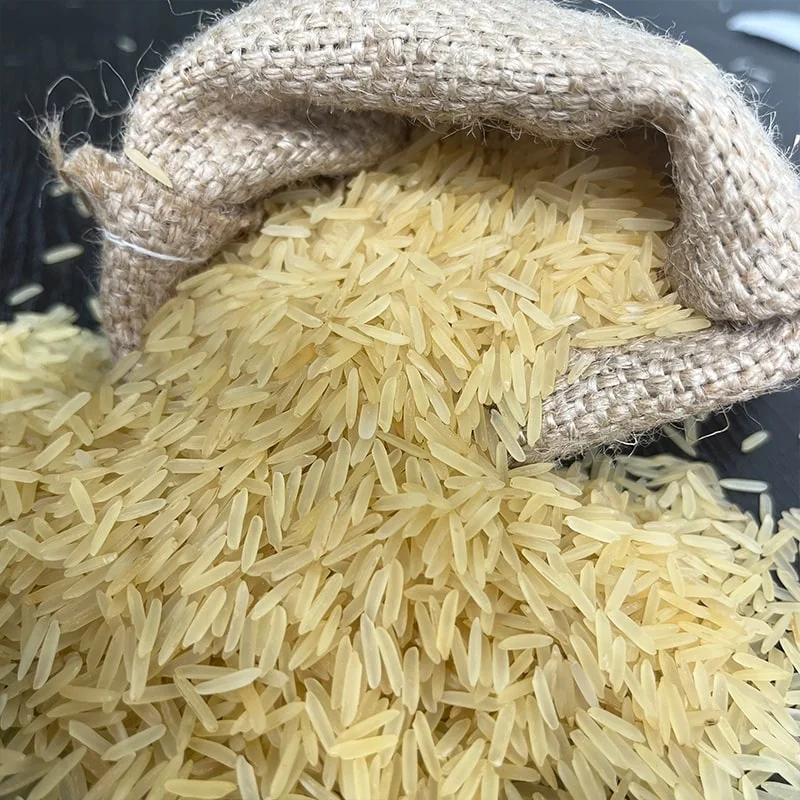
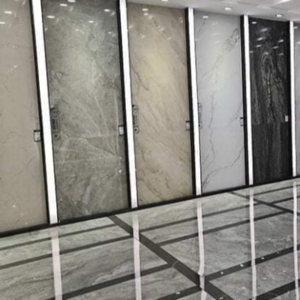
Pragati Impex’s catalogue shows a basic selection of ceramic tiles and a ceramic water closet, which are typical of Indian tile manufacturers that produce vitrified and porcelain tiles ranging from PEI rating I to IV and water absorption below 0.5 %. In the food segment, the supplier offers raw onions and both basmati and non‑basmati rice; Indian basmati rice commonly meets ICUMSA 45 purity, grain length 6.5 - 7.5 mm, and moisture content under 14 %. The vermi‑compost is an organic fertilizer that generally contains 70 %+ organic matter and N‑P‑K ratios around 1‑1‑1, meeting Indian NPOP standards for organic inputs.
Buyers in the ceramic market often request ISO 13006 compliance for tile dimensions, edge tolerance and slip resistance, while sanitary ware is checked against ISO 604 for durability and CE marking for EU shipments. For agricultural products, phytosanitary certificates, pesticide residue limits (e.g., maximum residue limits set by Codex) and moisture analysis are standard verification points. Organic compost shipments are frequently accompanied by a fertilizer analysis report and may need to comply with EU Regulation 2008/2003 or comparable local organic certification.
Trade and Export Information - pragati impex
India is a major exporter of ceramic tiles and sanitary ceramics, with the bulk of shipments directed to the Middle East, Africa and Southeast Asian construction markets. Export logistics typically use 20‑ft or 40‑ft containers packed on pallets with protective edge boards, and buyers often specify CIF terms to major ports such as Dubai, Jebel Ali or Lagos. The food commodities - onions and rice - are shipped in bulk bags or 20‑ft containers, requiring phytosanitary clearance and compliance with the destination country’s maximum pesticide residue limits. Vermi‑compost, classified as an organic fertilizer, is usually exported in woven polypropylene bags of 25 kg or bulk bulk, and buyers in the EU and North America often request an analysis of nutrient content and heavy‑metal testing.
Typical certifications requested by international buyers include ISO 9001 for overall quality management, ISO 14001 for environmental management, and product‑specific certificates such as CE marking for sanitary ware or FSSAI export registration for food items. Indian exporters of organic compost may also provide NPOP organic certification or a third‑party organic audit report. Documentation commonly includes a commercial invoice, packing list, Certificate of Origin, and a phytosanitary certificate for the agricultural goods.
Sourcing from pragati impex - Buyer Guidance
When sourcing ceramic tiles or a water closet from Pragati Impex, buyers should obtain a product data sheet that lists tile dimensions, PEI rating, water absorption percentage and slip‑resistance coefficient. Requesting an ISO 13006 compliance certificate and, for sanitary ware, an ISO 604 test report will help verify durability standards. Physical samples inspected for edge straightness, glaze uniformity and dimensional tolerance are standard practice before confirming larger orders.
For onions and rice, buyers should ask for a recent laboratory analysis covering moisture content, foreign matter, pesticide residues and, for basmati rice, grain length distribution. A phytosanitary certificate and a copy of the supplier’s FSSAI export registration are typical prerequisites. For vermi‑compost, the buyer should request a fertilizer analysis report detailing N‑P‑K values, organic matter percentage, and heavy‑metal limits, together with an organic certification (e.g., NPOP) if required by the destination market.
Frequently Asked Questions About pragati impex
What ceramic tile specifications does Pragati Impex provide?
The catalogue lists a generic “TILE” product; buyers should request details on tile size, thickness, PEI rating (typically I‑IV), water absorption (<0.5 %) and compliance with ISO 13006.
Are the water closets made of ceramic material?
Yes, the water closet entry specifies ceramic as the material. Buyers usually verify ISO 604 durability test results and request a CE marking certificate for EU shipments.
What type of onions are offered?
The supplier lists raw onions without further classification. Standard sourcing practice is to obtain a sample analysis for moisture (8‑10 %), foreign matter (<2 %) and pesticide residues according to Codex limits.
Which rice varieties are included?
Both basmati and non‑basmati raw rice are mentioned. Typical specifications include grain length 6.5‑7.5 mm for basmati, moisture ≤14 %, ICUMSA 45 purity, and a laboratory report on pesticide residues.
What is vermi‑compost used for?
Vermi‑compost is an organic fertilizer derived from earth‑worm processing. Buyers normally request a nutrient analysis (N‑P‑K around 1‑1‑1), organic matter content >70 %, and verification of heavy‑metal limits under EU or Indian organic standards.
Which export documents are required for these products?
Typical documents include a commercial invoice, packing list, Certificate of Origin, phytosanitary certificate for onions and rice, and product‑specific certificates such as ISO 13006 for tiles, CE marking for sanitary ware, and an organic certification for vermi‑compost.





 Hyderabad, India