PIONWEAR — Verified Manufacturer & Wholesale Supplier

About PIONWEAR - Sports Apparel Supplier in Pakistan

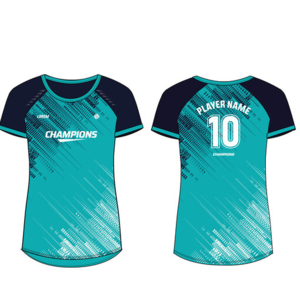
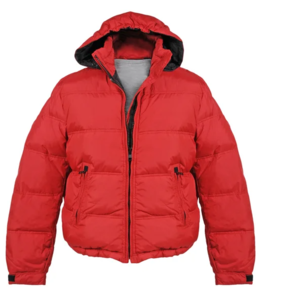
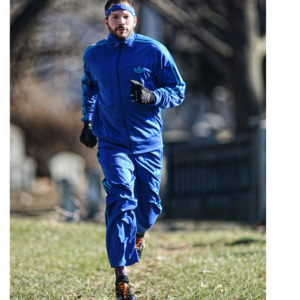
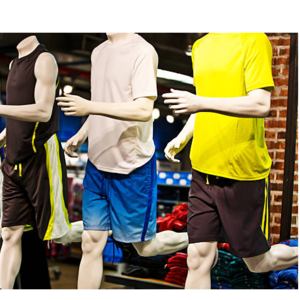
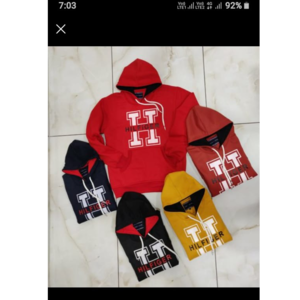
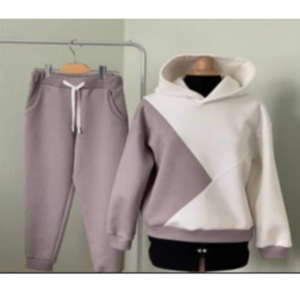
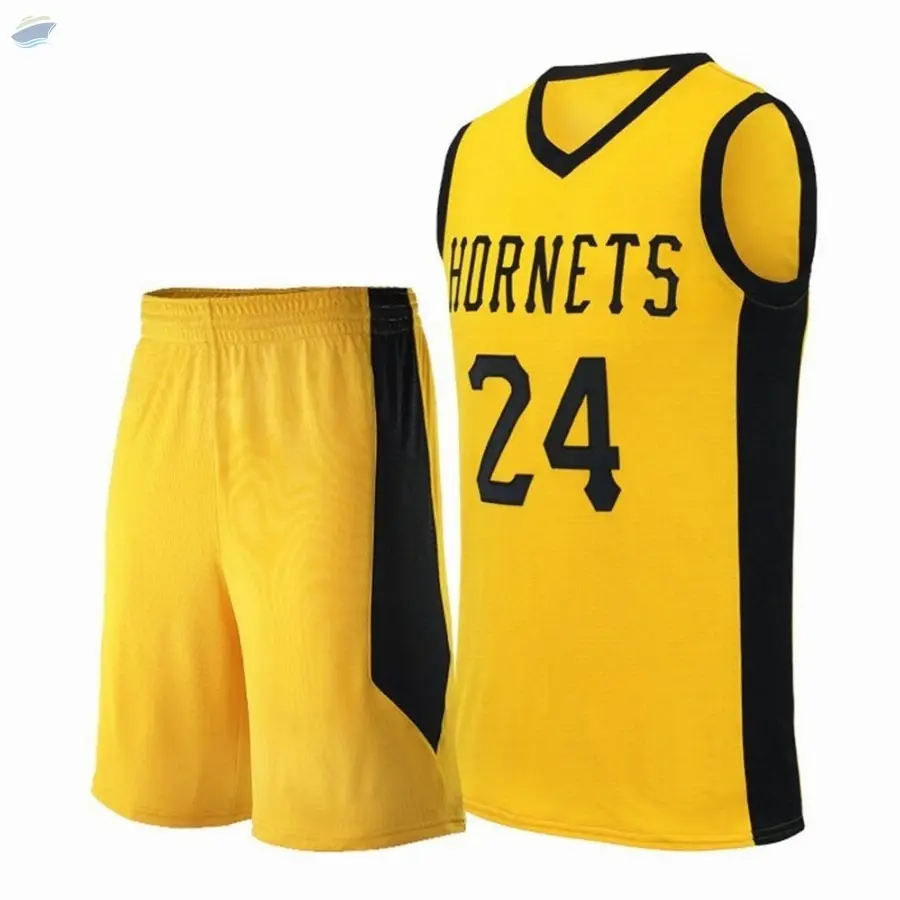
Pakistan-based PIONWEAR lists five active product lines in its catalogue. The catalogue covers sports uniforms classified under HS 9506.99 and made from an ABS polycarbonate composite shell, jackets under HS 6201.92 with mixed leather, polyester, nylon, cotton and down fill, sweat suits under HS 6103.62 composed of a 60/40 cotton‑polyester blend, hoodies under HS 6110.20 of cotton‑polyester blend, and general sports apparel under HS 6112.19 using a polyester/spandex performance blend. The supplier's top‑level categories also include hoodies, raincoats, jumpsuits, swimwear, sweatshirts, waistcoats, cardigans and sports watches, indicating a focus on athletic and leisure wear.

The five listed items span the HS chapters 61 (knitted or crocheted apparel) and 62 (apparel of other materials), as well as chapter 95 for sports equipment. Materials range from synthetic performance fibres to natural cotton blends, reflecting common construction in performance sportswear. The product count of five reflects the current active listings; each entry includes a specific HS code that aligns with international customs classification, facilitating trade documentation. The catalogue does not specify certifications, so buyers should verify compliance with relevant standards during procurement.

Product Range and Specialties of PIONWEAR

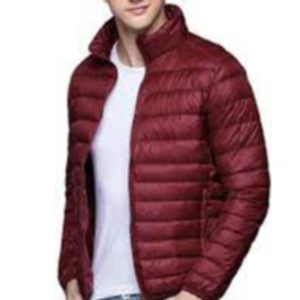
PIONWEAR’s catalogue includes sports uniforms with an ABS polycarbonate composite shell (HS 9506.99), which is atypical for apparel and aligns with protective sports equipment. Jackets (HS 6201.92) combine leather, polyester, nylon, cotton and down fill, offering options for outerwear that meet standard performance criteria such as water resistance and thermal insulation. Sweat suits (HS 6103.62) use a 60/40 cotton‑polyester blend, a common composition that balances breathability and durability, typically meeting ISO 105‑B02 colourfastness and Oeko‑Tex 100 standards. Hoodies (HS 6110.20) also employ cotton‑polyester blends, often produced in fabric weights of 260‑320 gsm for mid‑season wear. Sports apparel (HS 6112.19) utilizes a polyester/spandex performance blend, frequently engineered to provide stretch of 10‑15 % and moisture‑wicking properties, with typical garment tests including stretch recovery and abrasion resistance.

In the broader industry, sportswear fabrics are graded by factors such as GSM (grams per square metre), elastane content, and UV protection rating. Typical certifications sought include ISO 9001 for quality management, ISO 14001 for environmental management, and Oeko‑Tex Standard 100 for harmful substance testing. Buyers often request test reports for tensile strength, seam tear strength, and fabric breathability (e.g., ASTM D5034). Packaging is usually in 40 ft containers with garments folded in poly‑bags of 50 kg each, and the HS code determines duty rates that vary by importing region.

Trade and Export Information - PIONWEAR

Pakistan is a growing exporter of textile and sportswear products, leveraging its cotton base and expanding synthetic fibre capacity. Exporters of sports uniforms, jackets, sweat suits, hoodies and performance apparel typically ship to the United States, European Union, Middle East and South‑East Asian markets, where demand for technical athletic wear remains strong. The relevant HS code families (61, 62 and 95) are subject to standard customs procedures, and many importing countries require a certificate of origin and compliance with safety standards such as REACH for chemical content.

Buyers commonly request certifications like ISO 9001, Oeko‑Tex Standard 100, and, for products containing polycarbonate shells, CE marking for impact resistance. Documentation may also include a test report confirming compliance with ASTM or ISO fabric performance standards, as well as a packing list and commercial invoice indicating HS codes. Logistics for these garments usually involve containerised shipments, with typical loading of 20 ft containers holding approximately 12 000 units of hoodies or sweat suits, while jackets with bulkier fill may reduce unit count. Incoterms such as FOB Karachi Port or CIF destination are standard in the region.

Sourcing from PIONWEAR - Buyer Guidance

When sourcing from PIONWEAR, buyers should request material safety data sheets for the ABS polycarbonate composite used in sports uniforms, and fiber composition certificates for the cotton‑polyester and polyester/spandex blends. Sample garments should be evaluated for seam strength, colourfastness (ISO 105‑B02) and stretch recovery, and buyers may ask for third‑party test reports that reference ASTM D5034 (tensile) and ISO 12947 (abrasion).

Verification of the supplier’s export documentation is essential; request a certificate of origin, a copy of the commercial invoice with the listed HS codes, and any available ISO or Oeko‑Tex certifications. Clarify the minimum order quantity, which for most of the listed items ranges from 200 to 500 pieces per style, and confirm lead times that typically span 30‑45 days after sample approval. Packaging is usually in sealed poly‑bags, stacked on pallets, and loaded in 20 ft or 40 ft containers, with the option to specify FOB or CIF terms.

Frequently Asked Questions About PIONWEAR

How can I request a product sample from PIONWEAR?

Buyers can send a sample request specifying the product name, HS code and desired fabric weight; PIONWEAR will provide a pre‑shipment sample with a commercial invoice and material composition sheet for evaluation.

Which certifications should I ask PIONWEAR to provide for its sports apparel?

Typical certifications include ISO 9001 quality management, Oeko‑Tex Standard 100 for harmful substance testing, and, where applicable, CE marking for the ABS polycarbonate shell; buyers should request copies before placing a bulk order.

What is the typical minimum order quantity for the hoodies listed under HS 6110.20?

The usual MOQ for hoodies is between 200 and 500 pieces per colour and size range, depending on the specific blend and design complexity.

What lead time does PIONWEAR require for a bulk order of jackets (HS 6201.92)?

After sample approval, production lead time is generally 30‑45 days, with additional time for customs clearance if the order is shipped FOB Karachi.

Which HS codes apply to the sports uniforms and what do they indicate?

Sports uniforms are classified under HS 9506.99, which covers other sports equipment; this code signals that the item is treated as protective sports gear rather than standard apparel for duty assessment.

What packaging and container options are used for shipping sweat suits (HS 6103.62)?

Sweat suits are folded, placed in 50 kg poly‑bags, stacked on standard 1200 mm pallets, and loaded into 20 ft or 40 ft containers; a typical 20 ft container holds around 12 000 units.

Are there any special import requirements for the ABS polycarbonate composite shell used in the sports uniforms?

Importers should verify that the product complies with REACH chemical safety regulations and may need a CE conformity declaration for impact resistance, along with the standard customs paperwork.


Featured Products from PIONWEAR

Other Suppliers in Hoodies

Top Trusted Suppliers

Related Products in Hoodies

Trending in Parent Category

More Suppliers in Parent Category

Related Products

Other Suppliers

EximNext
58.4K+ live requirements
Register Free🎁 5 free buy-lead credits
Post Requirement
🌍 Trusted by 224.4K+ businesses in 200+ countries|
58.4K+ active requirements right now
✉️ [email protected]
|
Sell on EximNextPost Requirement
EximNext
AgricultureApparelConstructionElectronicFoodHomeIndustrialMineralsMiscellaneous
🔥 Deals|✨ AI Match|🏭 Suppliers|📋 Buy Leads|💰 Trade Finance|⭐ Upgrade
58.4K+ live RFQs·194.4K+ suppliers
🎁 5 free credits →
EximNext
EximNext
Register Free
🎁 5 free buy-lead credits
Sign In
📋Post Requirement💬Get QuotesAI Match📋RFQ Marketplace
All Categories
Services & Tools
🏭Supplier Directory🔥Today's Deals💰Trade FinanceMembership
Sell on EximNext
AboutContactBlogHelp
🏭

PIONWEAR

🚢 Voyage
Country flag , PakistanEst. 2011-01-01
🏆
15+
Years in Business
🛡️
61/100
Trust Score

PIONWEAR Product Catalog

Showing 5 of 5 products
View all products →
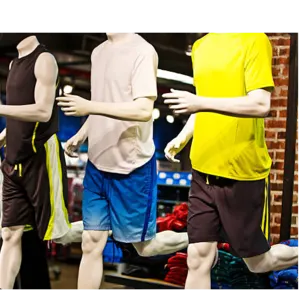
SPORTS APPAREL
🚢 Voyage
SPORTS APPAREL
Contact
MOQ: 1 Unit
HOODIES
🚢 Voyage
HOODIES
Contact
MOQ: 1 Unit
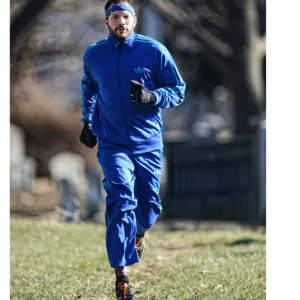
SWEATSUITS
🚢 Voyage
SWEATSUITS
Contact
MOQ: 1 Unit
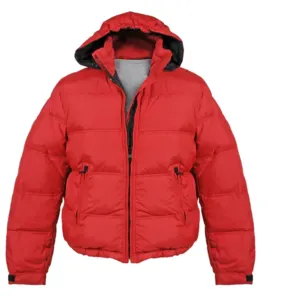
Jackets
🚢 Voyage
Jackets
Contact
MOQ: 1 Unit
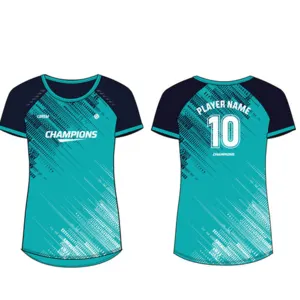
SPORTS UNIFORMS
🚢 Voyage
SPORTS UNIFORMS
Contact
MOQ: 1 Unit

About PIONWEAR - Sports Apparel Supplier in Pakistan

Pakistan-based PIONWEAR lists five active product lines in its catalogue. The catalogue covers sports uniforms classified under HS 9506.99 and made from an ABS polycarbonate composite shell, jackets under HS 6201.92 with mixed leather, polyester, nylon, cotton and down fill, sweat suits under HS 6103.62 composed of a 60/40 cotton‑polyester blend, hoodies under HS 6110.20 of cotton‑polyester blend, and general sports apparel under HS 6112.19 using a polyester/spandex performance blend. The supplier's top‑level categories also include hoodies, raincoats, jumpsuits, swimwear, sweatshirts, waistcoats, cardigans and sports watches, indicating a focus on athletic and leisure wear.

The five listed items span the HS chapters 61 (knitted or crocheted apparel) and 62 (apparel of other materials), as well as chapter 95 for sports equipment. Materials range from synthetic performance fibres to natural cotton blends, reflecting common construction in performance sportswear. The product count of five reflects the current active listings; each entry includes a specific HS code that aligns with international customs classification, facilitating trade documentation. The catalogue does not specify certifications, so buyers should verify compliance with relevant standards during procurement.

Product Range and Specialties of PIONWEAR

PIONWEAR’s catalogue includes sports uniforms with an ABS polycarbonate composite shell (HS 9506.99), which is atypical for apparel and aligns with protective sports equipment. Jackets (HS 6201.92) combine leather, polyester, nylon, cotton and down fill, offering options for outerwear that meet standard performance criteria such as water resistance and thermal insulation. Sweat suits (HS 6103.62) use a 60/40 cotton‑polyester blend, a common composition that balances breathability and durability, typically meeting ISO 105‑B02 colourfastness and Oeko‑Tex 100 standards. Hoodies (HS 6110.20) also employ cotton‑polyester blends, often produced in fabric weights of 260‑320 gsm for mid‑season wear. Sports apparel (HS 6112.19) utilizes a polyester/spandex performance blend, frequently engineered to provide stretch of 10‑15 % and moisture‑wicking properties, with typical garment tests including stretch recovery and abrasion resistance.

In the broader industry, sportswear fabrics are graded by factors such as GSM (grams per square metre), elastane content, and UV protection rating. Typical certifications sought include ISO 9001 for quality management, ISO 14001 for environmental management, and Oeko‑Tex Standard 100 for harmful substance testing. Buyers often request test reports for tensile strength, seam tear strength, and fabric breathability (e.g., ASTM D5034). Packaging is usually in 40 ft containers with garments folded in poly‑bags of 50 kg each, and the HS code determines duty rates that vary by importing region.

Trade and Export Information - PIONWEAR

Pakistan is a growing exporter of textile and sportswear products, leveraging its cotton base and expanding synthetic fibre capacity. Exporters of sports uniforms, jackets, sweat suits, hoodies and performance apparel typically ship to the United States, European Union, Middle East and South‑East Asian markets, where demand for technical athletic wear remains strong. The relevant HS code families (61, 62 and 95) are subject to standard customs procedures, and many importing countries require a certificate of origin and compliance with safety standards such as REACH for chemical content.

Buyers commonly request certifications like ISO 9001, Oeko‑Tex Standard 100, and, for products containing polycarbonate shells, CE marking for impact resistance. Documentation may also include a test report confirming compliance with ASTM or ISO fabric performance standards, as well as a packing list and commercial invoice indicating HS codes. Logistics for these garments usually involve containerised shipments, with typical loading of 20 ft containers holding approximately 12 000 units of hoodies or sweat suits, while jackets with bulkier fill may reduce unit count. Incoterms such as FOB Karachi Port or CIF destination are standard in the region.

Sourcing from PIONWEAR - Buyer Guidance

When sourcing from PIONWEAR, buyers should request material safety data sheets for the ABS polycarbonate composite used in sports uniforms, and fiber composition certificates for the cotton‑polyester and polyester/spandex blends. Sample garments should be evaluated for seam strength, colourfastness (ISO 105‑B02) and stretch recovery, and buyers may ask for third‑party test reports that reference ASTM D5034 (tensile) and ISO 12947 (abrasion).

Verification of the supplier’s export documentation is essential; request a certificate of origin, a copy of the commercial invoice with the listed HS codes, and any available ISO or Oeko‑Tex certifications. Clarify the minimum order quantity, which for most of the listed items ranges from 200 to 500 pieces per style, and confirm lead times that typically span 30‑45 days after sample approval. Packaging is usually in sealed poly‑bags, stacked on pallets, and loaded in 20 ft or 40 ft containers, with the option to specify FOB or CIF terms.

Frequently Asked Questions About PIONWEAR

How can I request a product sample from PIONWEAR?

Buyers can send a sample request specifying the product name, HS code and desired fabric weight; PIONWEAR will provide a pre‑shipment sample with a commercial invoice and material composition sheet for evaluation.

Which certifications should I ask PIONWEAR to provide for its sports apparel?

Typical certifications include ISO 9001 quality management, Oeko‑Tex Standard 100 for harmful substance testing, and, where applicable, CE marking for the ABS polycarbonate shell; buyers should request copies before placing a bulk order.

What is the typical minimum order quantity for the hoodies listed under HS 6110.20?

The usual MOQ for hoodies is between 200 and 500 pieces per colour and size range, depending on the specific blend and design complexity.

What lead time does PIONWEAR require for a bulk order of jackets (HS 6201.92)?

After sample approval, production lead time is generally 30‑45 days, with additional time for customs clearance if the order is shipped FOB Karachi.

Which HS codes apply to the sports uniforms and what do they indicate?

Sports uniforms are classified under HS 9506.99, which covers other sports equipment; this code signals that the item is treated as protective sports gear rather than standard apparel for duty assessment.

What packaging and container options are used for shipping sweat suits (HS 6103.62)?

Sweat suits are folded, placed in 50 kg poly‑bags, stacked on standard 1200 mm pallets, and loaded into 20 ft or 40 ft containers; a typical 20 ft container holds around 12 000 units.

Are there any special import requirements for the ABS polycarbonate composite shell used in the sports uniforms?

Importers should verify that the product complies with REACH chemical safety regulations and may need a CE conformity declaration for impact resistance, along with the standard customs paperwork.

About PIONWEAR - Sports Apparel Supplier in Pakistan

Pakistan-based PIONWEAR lists five active product lines in its catalogue. The catalogue covers sports uniforms classified under HS 9506.99 and made from an ABS polycarbonate composite shell, jackets under HS 6201.92 with mixed leather, polyester, nylon, cotton and down fill, sweat suits under HS 6103.62 composed of a 60/40 cotton‑polyester blend, hoodies under HS 6110.20 of cotton‑polyester blend, and general sports apparel under HS 6112.19 using a polyester/spandex performance blend. The supplier's top‑level categories also include hoodies, raincoats, jumpsuits, swimwear, sweatshirts, waistcoats, cardigans and sports watches, indicating a focus on athletic and leisure wear.

The five listed items span the HS chapters 61 (knitted or crocheted apparel) and 62 (apparel of other materials), as well as chapter 95 for sports equipment. Materials range from synthetic performance fibres to natural cotton blends, reflecting common construction in performance sportswear. The product count of five reflects the current active listings; each entry includes a specific HS code that aligns with international customs classification, facilitating trade documentation. The catalogue does not specify certifications, so buyers should verify compliance with relevant standards during procurement.

Product Range and Specialties of PIONWEAR

PIONWEAR’s catalogue includes sports uniforms with an ABS polycarbonate composite shell (HS 9506.99), which is atypical for apparel and aligns with protective sports equipment. Jackets (HS 6201.92) combine leather, polyester, nylon, cotton and down fill, offering options for outerwear that meet standard performance criteria such as water resistance and thermal insulation. Sweat suits (HS 6103.62) use a 60/40 cotton‑polyester blend, a common composition that balances breathability and durability, typically meeting ISO 105‑B02 colourfastness and Oeko‑Tex 100 standards. Hoodies (HS 6110.20) also employ cotton‑polyester blends, often produced in fabric weights of 260‑320 gsm for mid‑season wear. Sports apparel (HS 6112.19) utilizes a polyester/spandex performance blend, frequently engineered to provide stretch of 10‑15 % and moisture‑wicking properties, with typical garment tests including stretch recovery and abrasion resistance.

In the broader industry, sportswear fabrics are graded by factors such as GSM (grams per square metre), elastane content, and UV protection rating. Typical certifications sought include ISO 9001 for quality management, ISO 14001 for environmental management, and Oeko‑Tex Standard 100 for harmful substance testing. Buyers often request test reports for tensile strength, seam tear strength, and fabric breathability (e.g., ASTM D5034). Packaging is usually in 40 ft containers with garments folded in poly‑bags of 50 kg each, and the HS code determines duty rates that vary by importing region.

Trade and Export Information - PIONWEAR

Pakistan is a growing exporter of textile and sportswear products, leveraging its cotton base and expanding synthetic fibre capacity. Exporters of sports uniforms, jackets, sweat suits, hoodies and performance apparel typically ship to the United States, European Union, Middle East and South‑East Asian markets, where demand for technical athletic wear remains strong. The relevant HS code families (61, 62 and 95) are subject to standard customs procedures, and many importing countries require a certificate of origin and compliance with safety standards such as REACH for chemical content.

Buyers commonly request certifications like ISO 9001, Oeko‑Tex Standard 100, and, for products containing polycarbonate shells, CE marking for impact resistance. Documentation may also include a test report confirming compliance with ASTM or ISO fabric performance standards, as well as a packing list and commercial invoice indicating HS codes. Logistics for these garments usually involve containerised shipments, with typical loading of 20 ft containers holding approximately 12 000 units of hoodies or sweat suits, while jackets with bulkier fill may reduce unit count. Incoterms such as FOB Karachi Port or CIF destination are standard in the region.

Sourcing from PIONWEAR - Buyer Guidance

When sourcing from PIONWEAR, buyers should request material safety data sheets for the ABS polycarbonate composite used in sports uniforms, and fiber composition certificates for the cotton‑polyester and polyester/spandex blends. Sample garments should be evaluated for seam strength, colourfastness (ISO 105‑B02) and stretch recovery, and buyers may ask for third‑party test reports that reference ASTM D5034 (tensile) and ISO 12947 (abrasion).

Verification of the supplier’s export documentation is essential; request a certificate of origin, a copy of the commercial invoice with the listed HS codes, and any available ISO or Oeko‑Tex certifications. Clarify the minimum order quantity, which for most of the listed items ranges from 200 to 500 pieces per style, and confirm lead times that typically span 30‑45 days after sample approval. Packaging is usually in sealed poly‑bags, stacked on pallets, and loaded in 20 ft or 40 ft containers, with the option to specify FOB or CIF terms.

Frequently Asked Questions About PIONWEAR
How can I request a product sample from PIONWEAR?
Buyers can send a sample request specifying the product name, HS code and desired fabric weight; PIONWEAR will provide a pre‑shipment sample with a commercial invoice and material composition sheet for evaluation.
Which certifications should I ask PIONWEAR to provide for its sports apparel?
Typical certifications include ISO 9001 quality management, Oeko‑Tex Standard 100 for harmful substance testing, and, where applicable, CE marking for the ABS polycarbonate shell; buyers should request copies before placing a bulk order.
What is the typical minimum order quantity for the hoodies listed under HS 6110.20?
The usual MOQ for hoodies is between 200 and 500 pieces per colour and size range, depending on the specific blend and design complexity.
What lead time does PIONWEAR require for a bulk order of jackets (HS 6201.92)?
After sample approval, production lead time is generally 30‑45 days, with additional time for customs clearance if the order is shipped FOB Karachi.
Which HS codes apply to the sports uniforms and what do they indicate?
Sports uniforms are classified under HS 9506.99, which covers other sports equipment; this code signals that the item is treated as protective sports gear rather than standard apparel for duty assessment.
What packaging and container options are used for shipping sweat suits (HS 6103.62)?
Sweat suits are folded, placed in 50 kg poly‑bags, stacked on standard 1200 mm pallets, and loaded into 20 ft or 40 ft containers; a typical 20 ft container holds around 12 000 units.
Are there any special import requirements for the ABS polycarbonate composite shell used in the sports uniforms?
Importers should verify that the product complies with REACH chemical safety regulations and may need a CE conformity declaration for impact resistance, along with the standard customs paperwork.

🏭
PIONWEAR
Country flag , Pakistan
🚢 Voyage
61/100
Trust Score
📦
5
Products
Free to contact — no commission
Escrow payment available
Verified business identity
Compare more suppliers
Post a requirement — get 10 quotes free
Let verified suppliers compete for your business. Free, fast, no commitment.
EximNext Verified Supplier
Business identity verified
Physical address confirmed
Financial history checked
Certifications authenticated
Trade references validated
Due Diligence
Verify this supplier's real shipping history.
Every shipment, every buyer, every port. Trade data that can't be faked.
Run due diligence →
Discover More

Related Suppliers & Products

Explore similar suppliers, related products and trending categories

Featured Products from PIONWEAR

Other Suppliers in Hoodies

Top Trusted Suppliers

Related Products in Hoodies

Trending in Parent Category

More Suppliers in Parent Category

Stay ahead in global trade
Weekly market insights & new supplier alerts.
EximNext
Exim Next is a leading global B2B marketplace, connecting over 205,000 verified suppliers and buyers across 200+ countries. As a trusted import export marketplace, it serves as the essential B2B portal for businesses worldwide, empowering them to expand their international reach. With Exim Next, businesses can trade smarter and grow faster.
SECURE PAYMENTS
VISAMastercardPayPalSWIFTL/CEscrow
Follow us
© 2026 EximNext