Paritosh Global Exim — Supplier
About Paritosh Global Exim - Jute Bags Supplier in India
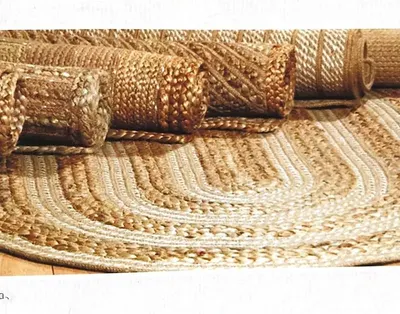
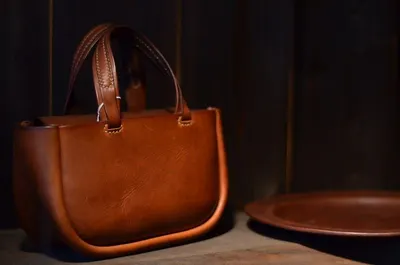
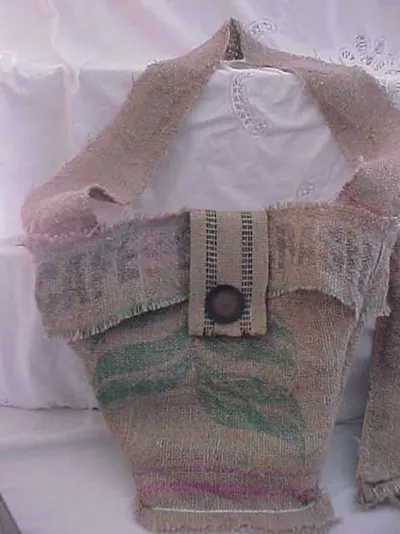
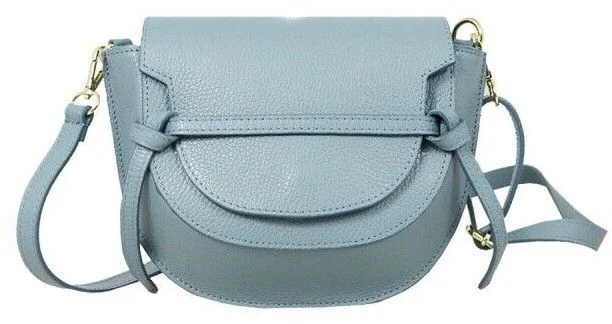
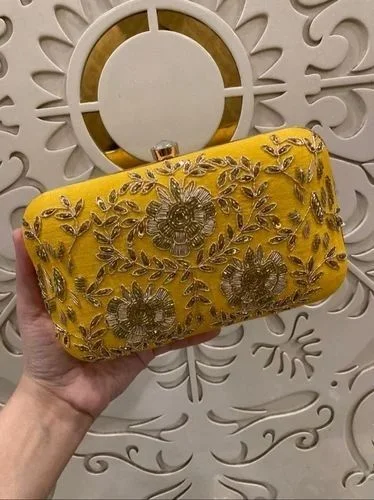
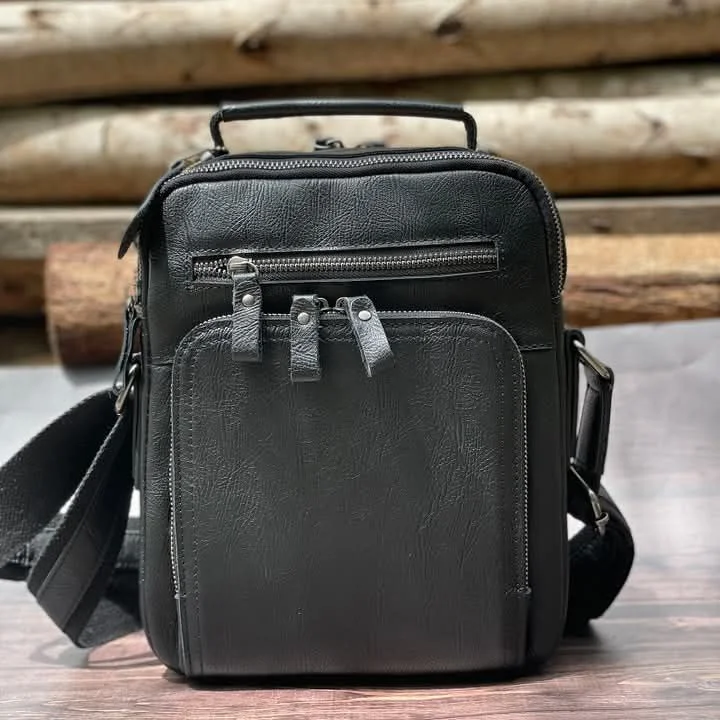
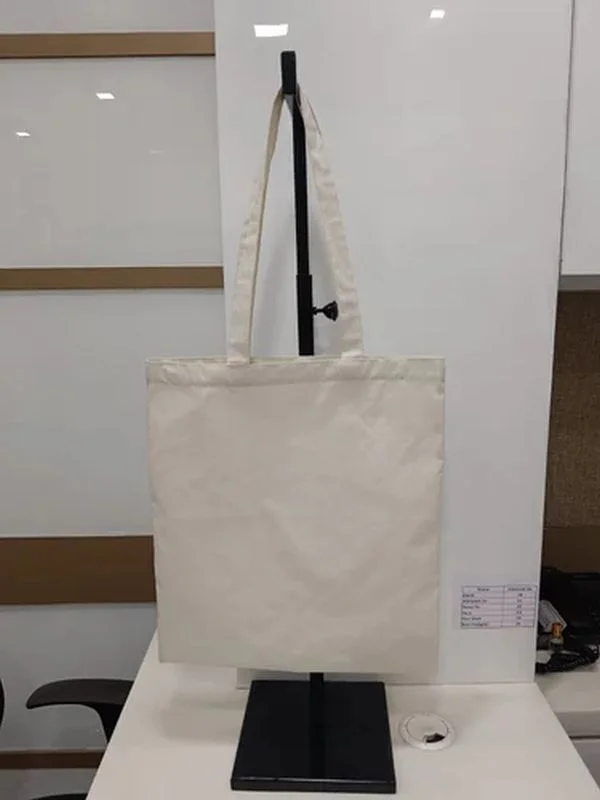
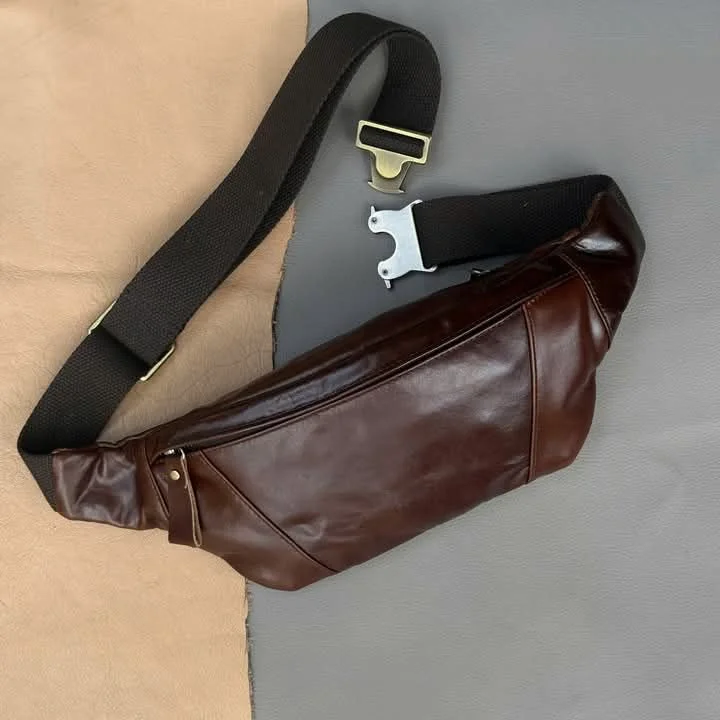
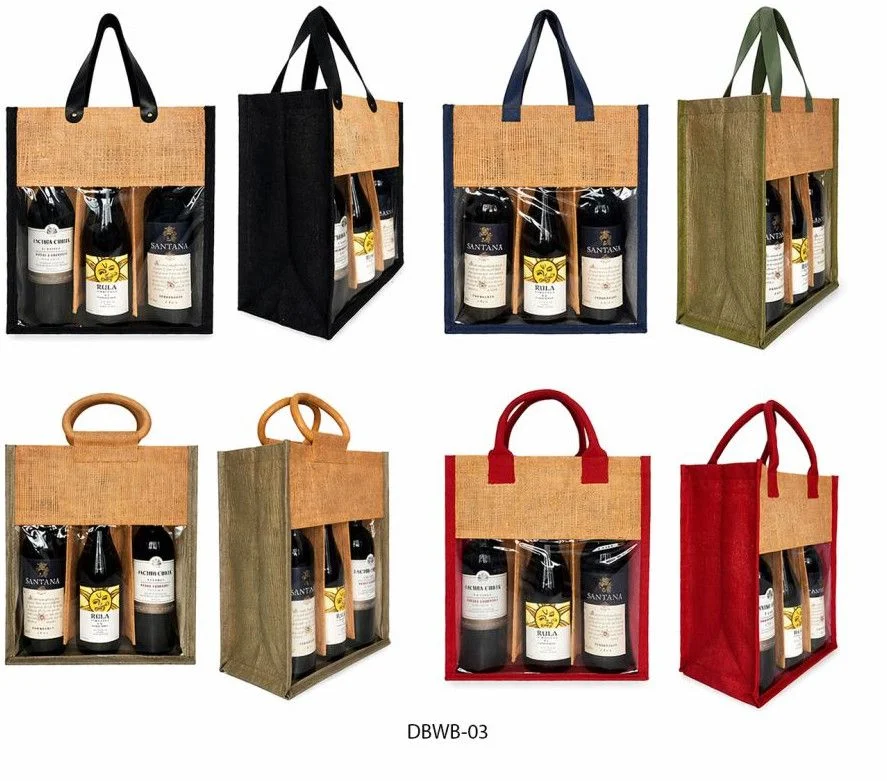
India hosts Paritosh Global Exim with a catalogue of 20 active products. The list spans hand‑loom floor mats, table and prayer mats, a variety of jute mats and bags (including gunny and shopping bags), a jute handbag, leather accessories such as ladies’ leather bags, office bags and wallets for both men and women, and two organic fertilizer types (vermicompost and bio fertilizer). Each item falls under the relevant HS chapters - jute textiles typically HS 6304, leather goods HS 4202, and organic fertilizers HS 3105. The supplier is recorded in the platform with a “harbor” trust tier, indicating a moderate level of verification.
The catalogue emphasizes natural fibre and leather products that are commonly used for household, retail and agricultural applications. Jute items are described without specific dimensions, but the range includes both floor‑size mats and smaller table or prayer mats. Leather products are listed as fashion and office bags as well as wallets, while the organic fertilizers are positioned for sustainable farming practices. No additional company history, employee numbers or revenue figures are provided.
Product Range and Specialties of Paritosh Global Exim
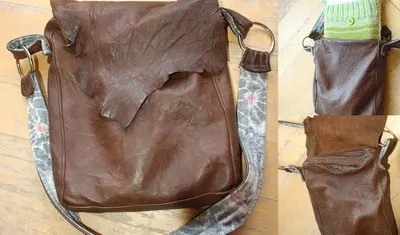
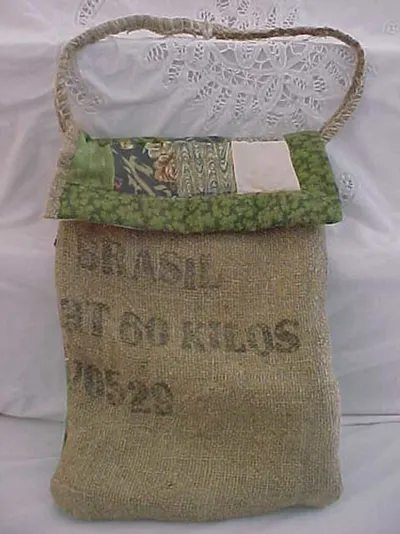
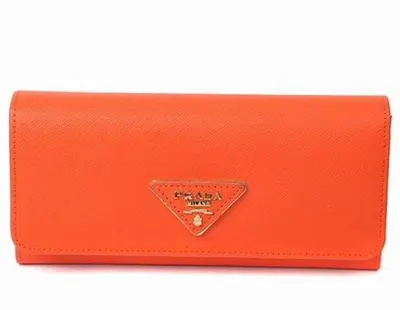
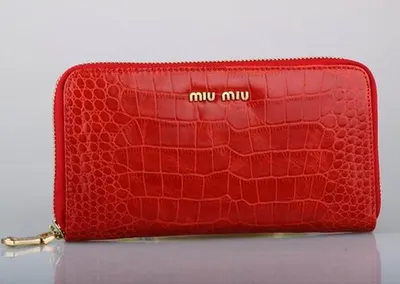
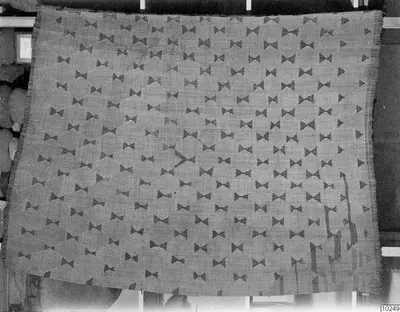
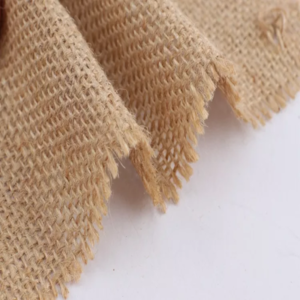
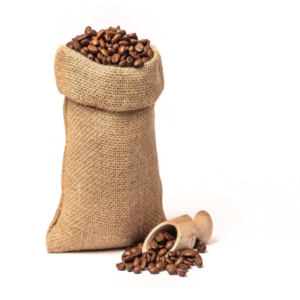
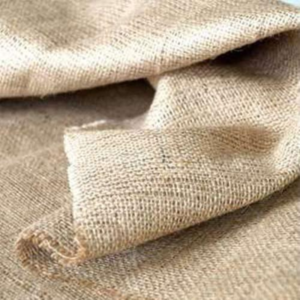
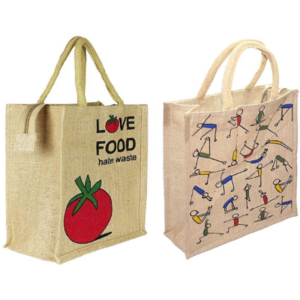
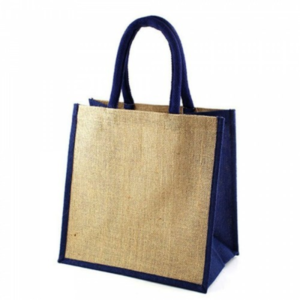
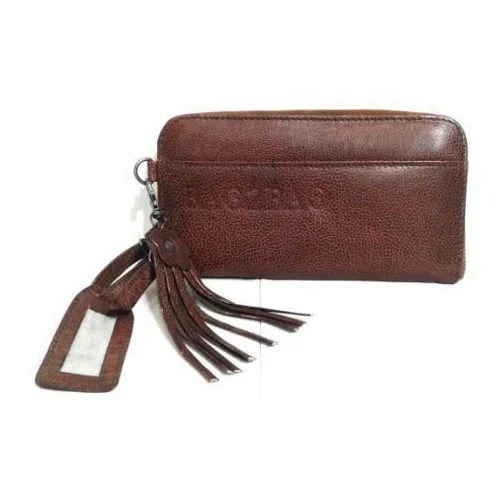
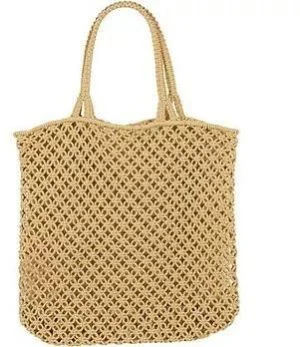
The product list includes Handloom Madurkhathi Floor Mat, Table Mat, Prayer Mat, Jute Mat, Jute Mats, Jute Handbag and several jute bag variants such as Gunny Bags, Shopping Bags and Ladies Fashion Jute Bag. In the jute segment, buyers usually encounter grades measured by GSM (120‑200 g/m²) and tensile strength of 300‑500 MPa, with HS code 6304 covering woven jute textiles. Leather items comprise Ladies Leather Bag, Leather Office Bag and gender‑specific leather wallets, which are classified under HS 4202 and are commonly evaluated by leather thickness (0.6‑1.2 mm) and finish grade (full‑grain, top‑grain). The two organic fertilizers - Vermicompost and Bio Fertilizer - belong to HS 3105 and are typically sold in 25 kg polypropylene bags, with nutrient analyses (N‑P‑K ratios) and organic content percentages (usually >70 % organic matter).
Trade and Export Information - Paritosh Global Exim
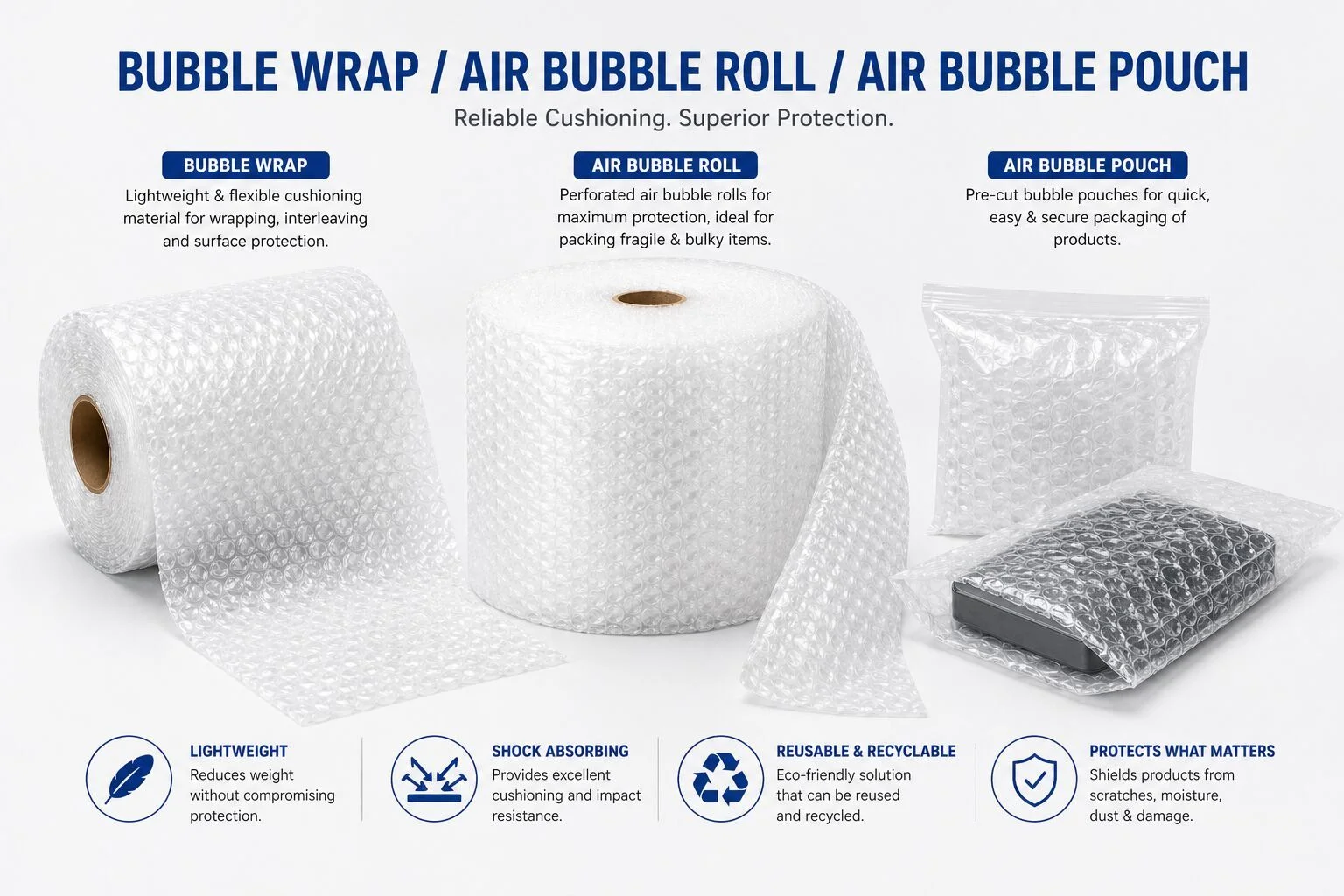
India is a major exporter of jute textiles to the European Union, United States and Middle‑East markets, where buyers often request compliance with ISO 9001 quality management and, for environmentally‑focused contracts, FSC or similar sustainability verification. Leather goods from India are shipped mainly to South‑East Asian and Middle‑East fashion distributors; standard documentation includes a leather‑origin certificate and, where applicable, REACH safety data. Organic fertilizers are exported to neighboring South Asian countries and African agribusinesses, with typical import requirements covering OMRI or EU organic certification, a phytosanitary certificate, and compliance with the Codex Alimentarius standards for organic amendments. Logistics commonly involve 20‑foot containers for jute bags and mats (packed in breathable paper), 40‑foot containers for leather goods (wrapped in moisture‑resistant film), and bulk pallets for fertilizer bags, with Incoterms such as FOB Kolkata or CIF Dubai frequently used.
Sourcing from Paritosh Global Exim - Buyer Guidance
When sourcing jute bags or mats from Paritosh Global Exim, buyers should request a product data sheet that details GSM, fiber blend, tensile strength and any treatment (e.g., water‑resistant coating). A sample woven panel of at least 30 × 30 cm is standard for verifying colour, weave consistency and durability. For leather accessories, request a leather grade certificate, thickness measurement and a small leather swatch to assess finish and colour matching. Organic fertilizer buyers need a recent analysis report showing N‑P‑K values, organic matter content and heavy‑metal limits, together with an organic certification copy (e.g., OMRI). Verifying the supplier’s phytosanitary clearance and container sealing procedures helps mitigate contamination risk before shipment.
Frequently Asked Questions About Paritosh Global Exim
What HS codes are applicable to the jute products listed by Paritosh Global Exim?
Jute textiles such as floor mats, table mats and bags fall under HS chapter 63, most commonly HS 6304 for woven jute products. Buyers should confirm the exact sub‑heading based on product dimensions and GSM.
Are the leather bags and wallets certified for any safety standards?
The catalogue does not list specific certifications, so buyers should request a leather‑origin certificate and a REACH compliance statement. ISO 9001 quality management is commonly requested for Indian leather exporters.
What specifications should be checked for the organic fertilizers?
Typical specifications include the N‑P‑K ratio, organic matter percentage (usually above 70 %), moisture content (<12 %) and heavy‑metal limits as per Codex standards. An up‑to‑date lab analysis report is essential.
What packaging formats are used for the jute bags?
Jute bags are usually packed flat in kraft paper sleeves or in breathable poly‑bags to prevent moisture buildup. For bulk orders, they are stacked on wooden pallets and secured with stretch film for container loading.
Which documents are needed to clear the organic fertilizers through customs?
A phytosanitary certificate, an organic certification copy (e.g., OMRI or EU organic), and a material safety data sheet (MSDS) are routinely required for customs clearance in most importing countries.
What are typical minimum order quantities (MOQs) for the jute mats?
Suppliers of Indian jute mats often set MOQs of 500 units for floor‑size mats and 200 units for smaller table or prayer mats, but the exact figure should be confirmed with the seller.
How long is the lead time for leather wallet production?
Lead times for leather wallets from Indian manufacturers usually range from 25 to 35 days after sample approval, depending on material availability and order size.
Can the supplier provide product samples before a full order?
Yes, standard practice is to supply a small sample (e.g., one jute bag or a leather wallet) for quality verification. Shipping costs for the sample are typically borne by the buyer, and the sample should be accompanied by a product specification sheet.




 , India