Paqee Packaging — Supplier
About Paqee Packaging - Packaging Machinery Supplier in India
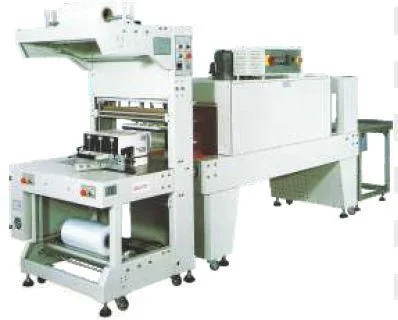
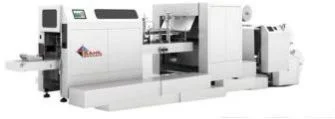
India hosts six active product listings from Paqee Packaging, all falling under the packaging machinery category. The catalogue includes three vacuum packaging machines - a single chamber, a double chamber, and a vertical model - as well as a vertical brick‑shape vacuum packer, an automatic web sealer/sleeve wrapper, and a Khajur Imli hydraulic pressing machine with six dies. Each machine is designed for food‑grade or industrial packaging applications and is classified under the machinery chapter of the HS system. The supplier’s portfolio therefore covers both vacuum sealing technology and high‑pressure hydraulic pressing equipment for bulk processing.
The product set reflects common equipment used in processed‑food, confectionery, and bulk goods sectors. Vacuum packaging equipment is generally categorized by chamber count, sealing speed, and maximum vacuum level; typical industry grades include ICUMSA‑type food‑grade stainless steel construction and pump capacities of 0.09 - 0.12 MPa. Vertical models are preferred for high‑throughput lines where space is limited, while double‑chamber units allow continuous loading and unloading. While the catalogue does not list certifications, packaging machinery exported from India often complies with CE marking and ISO 9001 quality management systems to meet global safety and performance standards.
Product Range and Specialties of Paqee Packaging
Paqee Packaging lists six distinct machines: Single Chamber Vacuum Packaging Machine, Double Chamber Vacuum Packaging Machine, Vertical Vacuum Packaging Machine, Vertical Brick Shape Vacuum Packing Machine, Automatic Web Sealer / Sleeve Wrapping Machine, and Khajur Imli Hydraulic Pressing Machine with six dies. Vacuum packaging equipment is generally categorized by chamber count, sealing speed, and maximum vacuum level; typical industry grades include ICUMSA‑type food‑grade stainless steel construction and pump capacities of 0.09 - 0.12 MPa. Vertical models are preferred for high‑throughput lines where space is limited, while double‑chamber units allow continuous loading and unloading. Web sealers and sleeve wrappers commonly operate with film widths up to 1,200 mm and sealing temperatures between 150 °C and 200 °C.
Hydraulic presses used for fruit or confectionery shaping are usually built to ASTM‑A36 steel standards and deliver pressures of 1,000 - 2,000 kN, with interchangeable dies that define product dimensions. Buyers in the confectionery and dried‑fruit sectors often request specifications such as cycle time (typically 5 - 15 seconds per press), die material (food‑grade aluminum or stainless steel), and safety interlocks. The listed machines align with these industry norms, offering modular die sets and adjustable pressure controls that suit a range of product sizes.
Trade and Export Information - Paqee Packaging
Indian manufacturers of packaging machinery frequently export to the Middle East, Southeast Asia, Europe and North America, where food‑processing and consumer‑goods firms seek automated sealing solutions. The HS chapter 84 classification (e.g., 8422 for packaging machinery) governs customs duties and inspection regimes for such equipment. Importers commonly require CE conformity, ISO 9001 certification, and a test report confirming vacuum performance or hydraulic pressure limits before clearance. Containers are typically loaded in 20‑ft or 40‑ft units, with machines secured on wooden pallets and protected by shrink‑wrap to prevent damage during sea freight.
Export logistics from India often involve port hubs such as Nhava Sheva (Mumbai) or Chennai, with Incoterms like FOB or CIF prevailing in contracts. Buyers should verify that the supplier can provide the machine’s technical data sheet, compliance certificates, and a warranty statement. Indian packaging equipment exporters also adhere to the Bureau of Indian Standards (BIS) guidelines for electrical safety, which are referenced by many overseas purchasers during the pre‑shipment inspection stage.
Sourcing from Paqee Packaging - Buyer Guidance
When sourcing vacuum or hydraulic packaging machines from Paqee Packaging, buyers should request the latest CE declaration of conformity and ISO 9001 certificate to confirm compliance with safety and quality standards. Technical data sheets should detail vacuum pressure range, chamber dimensions, power consumption (kW), and cycle time, allowing comparison with other manufacturers. A functional sample or on‑site demonstration, when feasible, helps verify sealing integrity, film compatibility and press die accuracy.
Buyers are advised to confirm the warranty period (commonly 12 months for industrial machines) and the availability of spare parts for the hydraulic press dies. Verify that the supplier can arrange installation, training and after‑sales service, especially for complex double‑chamber vacuum systems. Documentation such as a factory acceptance test (FAT) report and a compliance audit report should be obtained before finalizing the purchase order.
Frequently Asked Questions About Paqee Packaging
What types of vacuum packaging machines does Paqee Packaging offer?
The catalogue lists a Single Chamber, Double Chamber, Vertical Vacuum, and a Vertical Brick Shape vacuum packaging machine, each designed for different production layouts and product formats.
Which certifications should a buyer request for these machines?
Buyers should ask for CE marking, ISO 9001 quality management certification, and any relevant Bureau of Indian Standards (BIS) electrical safety certificates.
What are typical performance specifications for the vacuum machines?
Standard specifications include a maximum vacuum pressure of - 0.09 MPa, chamber volumes ranging from 0.5 m³ to 2 m³, and sealing speeds of 30 - 60 seconds per cycle depending on product size.
What is the capacity and pressure range of the Khajur Imli Hydraulic Pressing Machine?
The hydraulic press delivers pressures between 1,000 kN and 2,000 kN, with six interchangeable dies that allow cycle times of 5 - 15 seconds per press for dried fruit or confectionery products.
How are the machines packaged for export?
Machines are palletised, shrink‑wrapped and loaded in 20‑ft or 40‑ft containers, with protective bracing to prevent vibration damage during sea transport.
What Incoterms are commonly used for shipments from India?
Export contracts typically reference FOB (Free on Board) from major Indian ports or CIF (Cost, Insurance, Freight) to the buyer’s destination port.
What documentation is needed for customs clearance?
Customs clearance generally requires the commercial invoice, packing list, CE declaration, ISO 9001 certificate and a test report confirming vacuum or hydraulic performance.
What is a typical lead time for these machines?
Lead times vary by model but usually range from 8 to 12 weeks after receipt of a confirmed order, technical specifications and any required tooling for the hydraulic press.




 , India