Papaj Ji Udyog — Verified Supplier
About Papaj Ji Udyog - Interior Decoration Products Supplier in India
India, with a catalogue of 13 active products, hosts the supplier Papaj Ji Udyog. The company lists items spanning food, automotive, and interior decoration sectors. Its catalogue includes wheat flour, auto brass parts, saffron, wire mesh, almonds, cashew nuts, earring brass clamps, coasters, LED screen protectors, table runners, formal shoes, cotton nighty fabric, and marble statues. Each product aligns with specific HS code families such as 1101 for wheat flour and 0802 for almonds. The supplier is classified as an imported tier with a harbor trust tier.
The product set combines agricultural commodities, metal components, and decorative goods. Food items feature wheat flour, saffron, almonds, cashew nuts, and rice, while metal items cover auto brass parts, wire mesh, and earring brass clamps. Non‑food offerings include LED screen protectors, table runners, coasters, formal shoes, cotton nighty fabric, and marble statues used in interior decoration. The range reflects typical Indian export categories that serve markets across Asia, the Middle East, and Europe. No additional company history or financial data is provided.
Product Range and Specialties of Papaj Ji Udyog
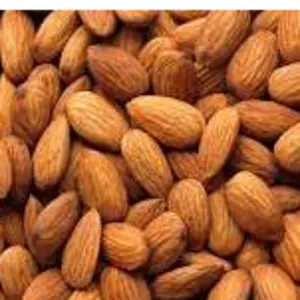
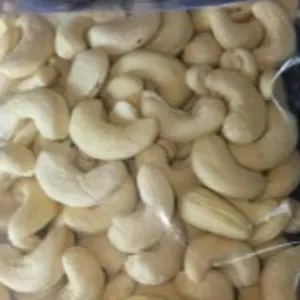
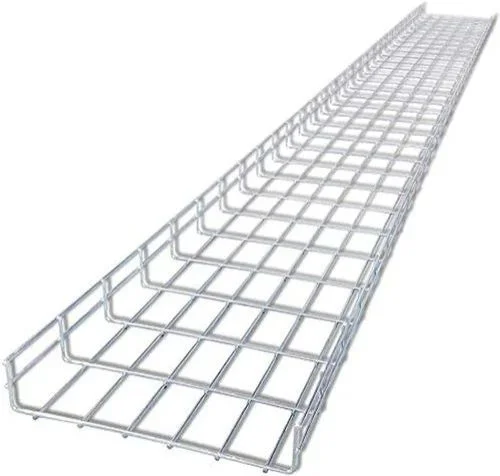
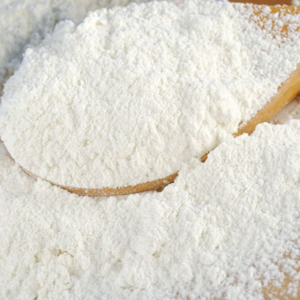
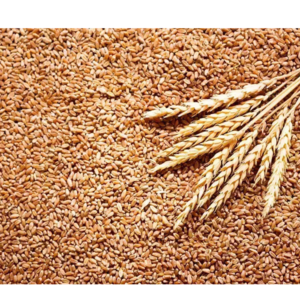
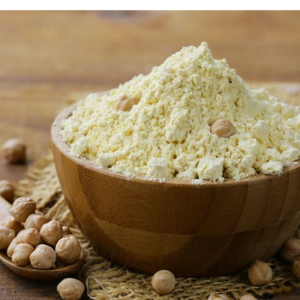
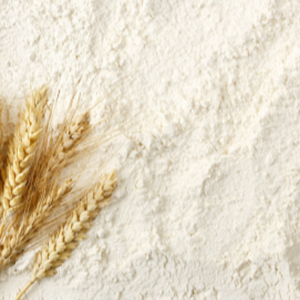
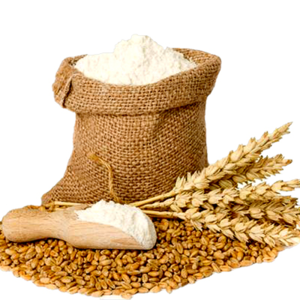
Papaj Ji Udyog’s catalogue lists wheat flour, auto brass parts, saffron, wire mesh, almonds, cashew nuts, earring brass clamps, coasters, LED screen protectors, table runners, formal shoes, cotton nighty fabric, and marble statues. Wheat flour exported from India commonly meets IS 1505 specifications, with ash content below 0.6 % and protein around 10 - 12 %. Saffron is graded under ISO 3632, with Grade I having a crocin content above 190 mg per 100 g. Almonds and cashew nuts are typically sold as Grade A, with moisture under 5 % and kernel size ≥10 mm. Wire mesh for industrial use often follows BS 4421, specifying mesh opening and wire gauge. Brass auto parts are produced from Cu‑Zn alloys such as CuZn37, with dimensional tolerances of ±0.1 mm.
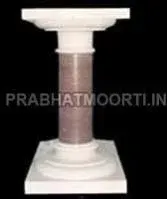
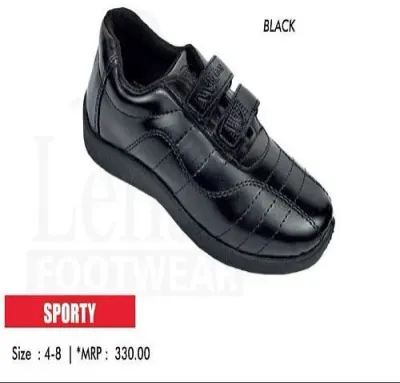
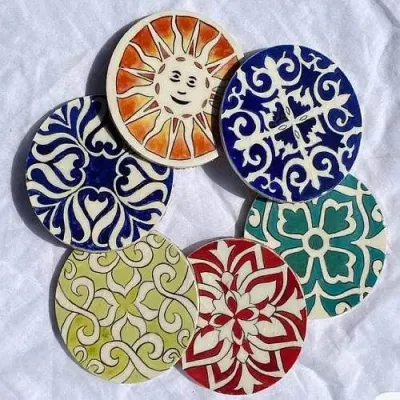
In the interior‑decoration segment, coasters, table runners, and marble statues are usually made from natural stone or woven textiles, with marble density around 2.7 g/cm³ and fabrics measured in GSM (300 - 350 for nighty fabric). LED screen protectors are supplied as tempered glass with hardness 6 - 7 Mohs and optical transmittance above 90 %. Formal shoes are commonly crafted from leather, adhering to size standards ISO 20685. These product specifications align with standard export documentation required by importers.
Trade and Export Information - Papaj Ji Udyog
India is a major exporter of food commodities such as wheat flour (HS 1101), almonds (HS 0802), cashew nuts (HS 0801), and specialty spices like saffron (HS 0910). Automotive brass components and wire mesh fall under HS 7615 and HS 7308 respectively, and are frequently shipped to the United Arab Emirates, Saudi Arabia, the United Kingdom, and the United States. Importers of these categories usually request certifications such as FSSAI for food items, phytosanitary certificates for nuts and spices, and ISO 9001 quality management for metal parts. Packaging norms include 25 kg polypropylene bags for wheat flour, 1 kg vacuum‑sealed packs for saffron, 20 kg jute bags for nuts, and wooden crates or bulk pallets for brass parts and mesh, with container loading on 20‑ft or 40‑ft units under CIF or FOB terms.
Indian exporters typically label shipments with the relevant HS code, country of origin, and a commercial invoice that references any required certificates. For perishable or moisture‑sensitive goods like nuts and saffron, moisture‑proof liners and temperature‑controlled containers are common. Metal components are often coated to prevent corrosion and shipped in corrugated boxes with internal bracing. Buyers should verify that the exporter can provide the standard documentation before finalising the order.
Sourcing from Papaj Ji Udyog - Buyer Guidance
When sourcing wheat flour, almonds, cashew nuts or saffron from Papaj Ji Udyog, request a recent laboratory analysis report that confirms compliance with IS 1505, moisture limits, and ISO 3632 grades respectively. For brass auto parts and wire mesh, ask for material test certificates (e.g., ASTM B117 for brass composition) and dimensional inspection reports. Buyers should also obtain the supplier’s FSSAI registration number for food items and a phytosanitary certificate for nuts and spices to satisfy customs authorities.
Before placing an order, verify that the supplier can supply the appropriate HS code declarations and that packaging meets the buyer’s handling requirements. Requesting a physical sample of the textile fabric or marble statue can help assess finish quality and dimensions. Confirm lead times, minimum order quantities and preferred Incoterms (typically FOB Mumbai or CIF Dubai) in writing to avoid misunderstandings.
Frequently Asked Questions About Papaj Ji Udyog
What product categories does Papaj Ji Udyog list in its catalogue?
The catalogue includes wheat flour, auto brass parts, saffron, wire mesh, almonds, cashew nuts, earring brass clamps, coasters, LED screen protectors, table runners, formal shoes, cotton nighty fabric, and marble statues.
Which HS codes are commonly associated with the food items offered?
Wheat flour is classified under HS 1101, almonds under HS 0802, cashew nuts under HS 0801, and saffron under HS 0910. These codes are used for customs clearance and statistical reporting.
What quality grades should a buyer look for when ordering saffron?
Saffron is typically graded according to ISO 3632. Grade I has a crocin content above 190 mg/100 g, while Grade II and III have lower pigment levels. Buyers usually request the grade certificate with each shipment.
What certifications are normally required for the nuts and spices exported from India?
Importers generally request a valid FSSAI registration, a phytosanitary certificate, and a laboratory analysis confirming moisture below 5 % and aflatoxin limits. These documents satisfy most destination country regulations.
How is wire mesh usually packaged for export?
Wire mesh is often packed in wooden crates or bulk pallets, protected with steel straps and moisture‑proof liners. The packaging conforms to HS 7308 requirements and allows safe handling in container loads.
What are typical lead times and minimum order quantities for almonds and cashew nuts?
Lead times for bulk nut shipments from India range from 30 to 45 days, depending on harvest and processing schedules. Minimum order quantities are commonly 5 metric tonnes for almonds and 3 metric tonnes for cashew nuts, though the supplier may negotiate smaller batches.
Which Incoterms are most frequently used for the metal components?
Exporters of auto brass parts and wire mesh often use FOB terms from the port of Mumbai or FOB Nhava Sheva, allowing the buyer to arrange freight. CIF to major ports in the Middle East or Europe is also common.
Can buyers obtain samples of the marble statues or cotton nighty fabric?
Yes, the supplier can provide sample pieces of marble or fabric. Samples are typically sent by air freight with a nominal cost, and the buyer should request specifications such as marble density or fabric GSM in the sample request.




 , India