Oxford Exports — Supplier

About Oxford Exports - Petroleum By Products Supplier

Oxford Exports lists 20 active products in its catalogue. The listing includes petroleum derivatives such as JP54 D2, D6, and EN‑590 diesel, as well as solid mineral products like natural quartz lumps (HS 2506.10), gypsum powder (HS 2520.10) and granulated blast‑furnace slag (HS 2618.00). The catalogue also references metal powders, limestone, garnet and various sand and sandstone products, each identified by their HS‑code families and material descriptions. No country or city information is provided for the supplier, and the catalogue does not specify any certifications held by the company.

The product set covers both energy commodities and construction/mineral raw materials. Diesel specifications follow European standard EN‑590, while the quartz products are described as natural silica with a minimum purity of 98 %. Gypsum entries note calcium sulphate dihydrate purity around 90 % to 94 %. The presence of JP54 indicates jet‑propellant grade kerosene commonly used in aviation, and the blast‑furnace slag data includes typical chemical ranges for calcium silicate glassy granules.

Product Range and Specialties of Oxford Exports

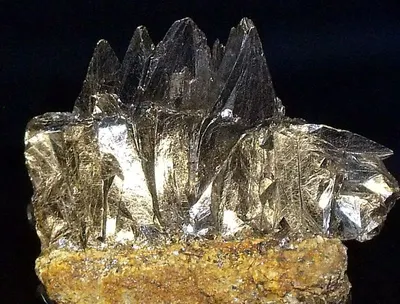
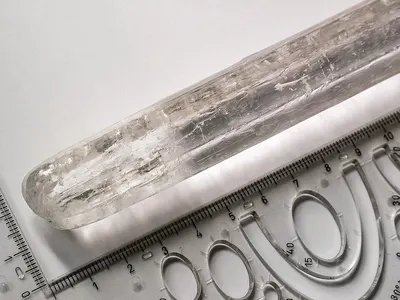
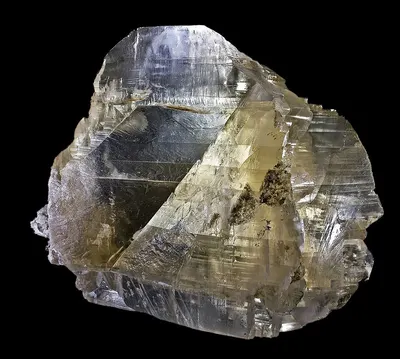
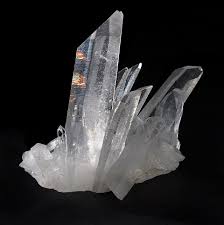
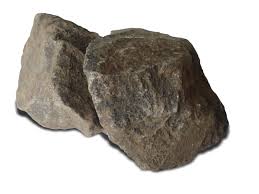
Oxford Exports offers quartz in lump and bulk forms under HS 2506.10, a category that in global trade includes metallurgical grade quartz with SiO₂ content of 98 % or higher, often supplied in 20 ft or 40 ft containers with moisture below 0.5 %. Gypsum products appear under HS 2520.10 and 2520.20, where buyers usually require a loss on ignition (LOI) below 1 % and particle size distribution meeting construction or fertilizer standards. The EN‑590 diesel listed complies with the European diesel fuel specification that limits sulphur to 10 ppm, cetane number to at least 51, and density between 820‑845 kg/m³. JP54 grades are aviation turbine fuel meeting ASTM D1655 or DEF STAN 91‑91, with flash point above 38 °C and water content below 0.03 %.

Trade and Export Information - Oxford Exports

Petroleum products such as JP54 and EN‑590 are commonly exported from major refining hubs to regions including the Middle East, Europe and North America, where aviation and road transport sectors dominate demand. HS 2710‑2790 codes for fuels often require a Certificate of Origin and a recent SGS or API analysis report. Mineral commodities like quartz, gypsum and blast‑furnace slag fall under HS chapters 25 and 26; buyers in construction, glass manufacturing and cement industries typically request a Certificate of Analysis, material safety data sheet (MSDS) and compliance with ISO 9001 quality management. Shipping of bulk solids is usually by bulk carrier or containerized bulk bags, with FOB or CIF terms prevailing. Exporters from countries with no specified origin in the facts must ensure compliance with destination import regulations, such as EU REACH registration for silica and gypsum.

Sourcing from Oxford Exports - Buyer Guidance

When sourcing diesel or JP54 from Oxford Exports, request the latest fuel analysis certificate confirming EN‑590 or ASTM D1655 parameters, as well as a free‑on‑board (FOB) loading report. For quartz and gypsum, ask for a mill test report detailing purity, particle size distribution and loss on ignition, and verify that the material complies with ISO 14688‑1 for mineral raw materials. Obtain a Certificate of Origin and, where applicable, an SGS inspection report to satisfy customs clearance. Confirm packaging specifications - bulk bags of 1 ton for gypsum powder or 20 ft containers for quartz - and clarify whether the shipment will be FOB or CIF.

Frequently Asked Questions About Oxford Exports

What HS codes are used for Oxford Exports' quartz products?

Quartz lumps and bulk quartz are listed under HS code 2506.10, which covers natural silica quartz and related mineral products.

Which certifications should a buyer request for the diesel offerings?

Buyers should request an EN‑590 compliance certificate, a recent fuel analysis report, and, if required by the destination, a SGS inspection certificate.

Are material safety data sheets available for gypsum items?

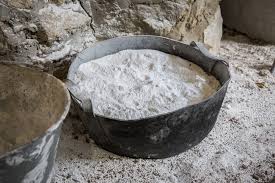
Yes, an MSDS should be provided for gypsum powder, gypsum cement grade and phospho‑gypsum, detailing CaSO₄·2H₂O content and handling precautions.

What typical packaging is used for granulated blast‑furnace slag?

GBFS is usually shipped in bulk bags of 1 ton or in 20 ft/40 ft containers as loose granules, with moisture content controlled below 1 %.

How can I verify the purity of the quartz supplied?

Request a mill test report showing silica purity of at least 98 % and moisture below 0.5 %, which aligns with standard metallurgical quartz specifications.

What are the common payment and Incoterm practices for these commodities?

International trade of these commodities typically uses FOB or CIF terms, with payment via Letter of Credit (L/C) after presentation of the commercial invoice, packing list and relevant certificates.


Featured Products from this Supplier

Other Suppliers in Primary Category

Top Trusted Suppliers

Related Products

Trending in Parent Category

More Suppliers in Category

Related Products

Other Suppliers

EximNext
7.1K+ live requirements
Register Free🎁 Reach global buyers
Post Requirement
🌍 Trusted by 225K+ businesses in 200+ countries|
7.1K+ active requirements right now
✉️ [email protected]
|
Sell on EximNextPost Requirement
EximNext
AgricultureApparelConstructionElectronicFoodHomeIndustrialMineralsMiscellaneous
🔥 Deals|✨ AI Match|🏭 Suppliers|📋 Buy Leads|💰 Trade Finance
7.1K+ live RFQs·194.8K+ suppliers
🎁 Reach global buyers →
EximNext
EximNext
Register Free
🎁 Reach global buyers
Sign In
📋Post Requirement💬Get Quotes✨AI Match📋RFQ Marketplace
All Categories
Services & Tools
🏭Supplier Directory🔥Today's Deals💰Trade Finance
Sell on EximNext →
AboutContactBlogHelp
Industrial & Minerals
20
products listed

Oxford Exports

⚓ Harbor
, New supplier / no reviews yet
🛡️
77/100
Trust Score

Oxford Exports Product Catalog

Showing 12 of 20 products
View all products →
EN 590 FOB ROTTERDAM
⚓ Harbor
EN 590 FOB ROTTERDAM
Contact
MOQ: 1 Unit
JET Fuel And En590 Rotterdam Houston
⚓ Harbor
JET Fuel And En590 Rotterdam Houston
Contact
MOQ: 1 Unit
EN 590 Fresh SGS FOB Rotterdam T T V
⚓ Harbor
EN 590 Fresh SGS FOB Rotterdam T T V
Contact
MOQ: 1 Unit
EN590 Fob Fujairah With Fresh Sgs Certificate
⚓ Harbor
EN590 Fob Fujairah With Fresh Sgs Certificate
Contact
MOQ: 1 Unit
Granulated Blast Furnace Slag (GBFS)
⚓ Harbor
Granulated Blast Furnace Slag (GBFS)
Contact
MOQ: 1 Unit
Garnet
⚓ Harbor
Garnet
Contact
MOQ: 1 Unit
JP54 D6 Jet A1
⚓ Harbor
JP54 D6 Jet A1
Contact
MOQ: 1 Unit
Quartz
⚓ Harbor
Quartz
Contact
MOQ: 1 Unit
Chrome ore fine sand
⚓ Harbor
Chrome ore fine sand
Contact
MOQ: 1 Unit
Gypsum Rock, Powder, Crystal
⚓ Harbor
Gypsum Rock, Powder, Crystal
Contact
MOQ: 1 Unit
Iron Fines With Vanadium
⚓ Harbor
Iron Fines With Vanadium
Contact
MOQ: 1 Unit
Phospho Gypsum
⚓ Harbor
Phospho Gypsum
Contact
MOQ: 1 Unit

About Oxford Exports - Petroleum By Products Supplier

Oxford Exports lists 20 active products in its catalogue. The listing includes petroleum derivatives such as JP54 D2, D6, and EN‑590 diesel, as well as solid mineral products like natural quartz lumps (HS 2506.10), gypsum powder (HS 2520.10) and granulated blast‑furnace slag (HS 2618.00). The catalogue also references metal powders, limestone, garnet and various sand and sandstone products, each identified by their HS‑code families and material descriptions. No country or city information is provided for the supplier, and the catalogue does not specify any certifications held by the company.

The product set covers both energy commodities and construction/mineral raw materials. Diesel specifications follow European standard EN‑590, while the quartz products are described as natural silica with a minimum purity of 98 %. Gypsum entries note calcium sulphate dihydrate purity around 90 % to 94 %. The presence of JP54 indicates jet‑propellant grade kerosene commonly used in aviation, and the blast‑furnace slag data includes typical chemical ranges for calcium silicate glassy granules.

Product Range and Specialties of Oxford Exports

Oxford Exports offers quartz in lump and bulk forms under HS 2506.10, a category that in global trade includes metallurgical grade quartz with SiO₂ content of 98 % or higher, often supplied in 20 ft or 40 ft containers with moisture below 0.5 %. Gypsum products appear under HS 2520.10 and 2520.20, where buyers usually require a loss on ignition (LOI) below 1 % and particle size distribution meeting construction or fertilizer standards. The EN‑590 diesel listed complies with the European diesel fuel specification that limits sulphur to 10 ppm, cetane number to at least 51, and density between 820‑845 kg/m³. JP54 grades are aviation turbine fuel meeting ASTM D1655 or DEF STAN 91‑91, with flash point above 38 °C and water content below 0.03 %.

Trade and Export Information - Oxford Exports

Petroleum products such as JP54 and EN‑590 are commonly exported from major refining hubs to regions including the Middle East, Europe and North America, where aviation and road transport sectors dominate demand. HS 2710‑2790 codes for fuels often require a Certificate of Origin and a recent SGS or API analysis report. Mineral commodities like quartz, gypsum and blast‑furnace slag fall under HS chapters 25 and 26; buyers in construction, glass manufacturing and cement industries typically request a Certificate of Analysis, material safety data sheet (MSDS) and compliance with ISO 9001 quality management. Shipping of bulk solids is usually by bulk carrier or containerized bulk bags, with FOB or CIF terms prevailing. Exporters from countries with no specified origin in the facts must ensure compliance with destination import regulations, such as EU REACH registration for silica and gypsum.

Sourcing from Oxford Exports - Buyer Guidance

When sourcing diesel or JP54 from Oxford Exports, request the latest fuel analysis certificate confirming EN‑590 or ASTM D1655 parameters, as well as a free‑on‑board (FOB) loading report. For quartz and gypsum, ask for a mill test report detailing purity, particle size distribution and loss on ignition, and verify that the material complies with ISO 14688‑1 for mineral raw materials. Obtain a Certificate of Origin and, where applicable, an SGS inspection report to satisfy customs clearance. Confirm packaging specifications - bulk bags of 1 ton for gypsum powder or 20 ft containers for quartz - and clarify whether the shipment will be FOB or CIF.

Frequently Asked Questions About Oxford Exports

What HS codes are used for Oxford Exports' quartz products?

Quartz lumps and bulk quartz are listed under HS code 2506.10, which covers natural silica quartz and related mineral products.

Which certifications should a buyer request for the diesel offerings?

Buyers should request an EN‑590 compliance certificate, a recent fuel analysis report, and, if required by the destination, a SGS inspection certificate.

Are material safety data sheets available for gypsum items?

Yes, an MSDS should be provided for gypsum powder, gypsum cement grade and phospho‑gypsum, detailing CaSO₄·2H₂O content and handling precautions.

What typical packaging is used for granulated blast‑furnace slag?

GBFS is usually shipped in bulk bags of 1 ton or in 20 ft/40 ft containers as loose granules, with moisture content controlled below 1 %.

How can I verify the purity of the quartz supplied?

Request a mill test report showing silica purity of at least 98 % and moisture below 0.5 %, which aligns with standard metallurgical quartz specifications.

What are the common payment and Incoterm practices for these commodities?

International trade of these commodities typically uses FOB or CIF terms, with payment via Letter of Credit (L/C) after presentation of the commercial invoice, packing list and relevant certificates.

About Oxford Exports - Petroleum By Products Supplier

Oxford Exports lists 20 active products in its catalogue. The listing includes petroleum derivatives such as JP54 D2, D6, and EN‑590 diesel, as well as solid mineral products like natural quartz lumps (HS 2506.10), gypsum powder (HS 2520.10) and granulated blast‑furnace slag (HS 2618.00). The catalogue also references metal powders, limestone, garnet and various sand and sandstone products, each identified by their HS‑code families and material descriptions. No country or city information is provided for the supplier, and the catalogue does not specify any certifications held by the company.

The product set covers both energy commodities and construction/mineral raw materials. Diesel specifications follow European standard EN‑590, while the quartz products are described as natural silica with a minimum purity of 98 %. Gypsum entries note calcium sulphate dihydrate purity around 90 % to 94 %. The presence of JP54 indicates jet‑propellant grade kerosene commonly used in aviation, and the blast‑furnace slag data includes typical chemical ranges for calcium silicate glassy granules.

Product Range and Specialties of Oxford Exports

Oxford Exports offers quartz in lump and bulk forms under HS 2506.10, a category that in global trade includes metallurgical grade quartz with SiO₂ content of 98 % or higher, often supplied in 20 ft or 40 ft containers with moisture below 0.5 %. Gypsum products appear under HS 2520.10 and 2520.20, where buyers usually require a loss on ignition (LOI) below 1 % and particle size distribution meeting construction or fertilizer standards. The EN‑590 diesel listed complies with the European diesel fuel specification that limits sulphur to 10 ppm, cetane number to at least 51, and density between 820‑845 kg/m³. JP54 grades are aviation turbine fuel meeting ASTM D1655 or DEF STAN 91‑91, with flash point above 38 °C and water content below 0.03 %.

Trade and Export Information - Oxford Exports

Petroleum products such as JP54 and EN‑590 are commonly exported from major refining hubs to regions including the Middle East, Europe and North America, where aviation and road transport sectors dominate demand. HS 2710‑2790 codes for fuels often require a Certificate of Origin and a recent SGS or API analysis report. Mineral commodities like quartz, gypsum and blast‑furnace slag fall under HS chapters 25 and 26; buyers in construction, glass manufacturing and cement industries typically request a Certificate of Analysis, material safety data sheet (MSDS) and compliance with ISO 9001 quality management. Shipping of bulk solids is usually by bulk carrier or containerized bulk bags, with FOB or CIF terms prevailing. Exporters from countries with no specified origin in the facts must ensure compliance with destination import regulations, such as EU REACH registration for silica and gypsum.

Sourcing from Oxford Exports - Buyer Guidance

When sourcing diesel or JP54 from Oxford Exports, request the latest fuel analysis certificate confirming EN‑590 or ASTM D1655 parameters, as well as a free‑on‑board (FOB) loading report. For quartz and gypsum, ask for a mill test report detailing purity, particle size distribution and loss on ignition, and verify that the material complies with ISO 14688‑1 for mineral raw materials. Obtain a Certificate of Origin and, where applicable, an SGS inspection report to satisfy customs clearance. Confirm packaging specifications - bulk bags of 1 ton for gypsum powder or 20 ft containers for quartz - and clarify whether the shipment will be FOB or CIF.

Frequently Asked Questions About Oxford Exports
What HS codes are used for Oxford Exports' quartz products?
Quartz lumps and bulk quartz are listed under HS code 2506.10, which covers natural silica quartz and related mineral products.
Which certifications should a buyer request for the diesel offerings?
Buyers should request an EN‑590 compliance certificate, a recent fuel analysis report, and, if required by the destination, a SGS inspection certificate.
Are material safety data sheets available for gypsum items?
Yes, an MSDS should be provided for gypsum powder, gypsum cement grade and phospho‑gypsum, detailing CaSO₄·2H₂O content and handling precautions.
What typical packaging is used for granulated blast‑furnace slag?
GBFS is usually shipped in bulk bags of 1 ton or in 20 ft/40 ft containers as loose granules, with moisture content controlled below 1 %.
How can I verify the purity of the quartz supplied?
Request a mill test report showing silica purity of at least 98 % and moisture below 0.5 %, which aligns with standard metallurgical quartz specifications.
What are the common payment and Incoterm practices for these commodities?
International trade of these commodities typically uses FOB or CIF terms, with payment via Letter of Credit (L/C) after presentation of the commercial invoice, packing list and relevant certificates.

Oxford Exports
⚓ HarborIndustrial & Minerals
77/100
Trust Score
20
Products
✓ Free to contact — no commission
✓ Escrow payment available
✓ Verified business identity
Compare more suppliers
Post a requirement — get 10 quotes free
Let verified suppliers compete for your business. Free, fast, no commitment.
Due Diligence
Verify this supplier's real shipping history.
Every shipment, every buyer, every port. Trade data that can't be faked.
Run due diligence →
Discover More

Related Suppliers & Products

Explore similar suppliers, related products and trending categories

Featured Products from this Supplier

Other Suppliers in Primary Category

Top Trusted Suppliers

Related Products

Trending in Parent Category

More Suppliers in Category

Stay ahead in global trade
Weekly market insights & new supplier alerts.
EximNext
Exim Next is a leading global B2B marketplace, connecting over 220,000 registered suppliers and buyers across 200+ countries. As a trusted import export marketplace, it serves as the essential B2B portal for businesses worldwide, empowering them to expand their international reach. With Exim Next, businesses can trade smarter and grow faster.
SECURE PAYMENTS
VISAMastercardPayPalSWIFTL/CEscrow
Follow us
© 2026 EximNext