Agriculture›
 Apparel and fashion accessories›
 Construction & real estate›💡Electronic & Electrical›🍎Food & Beverages›🛋️Home furnishing & supplies›⚗️Industrial goods & chemical›🪨Minerals & metals›📦Miscellaneous›Agriculture›Apparel and fashion accessories›Construction & real estate›💡Electronic & Electrical›🍎Food & Beverages›🛋️Home furnishing & supplies›⚗️Industrial goods & chemical›🪨Minerals & metals›📦Miscellaneous›
Onlitex Electronic Holding Ltd.
⚓ Harbor , ChinaNew supplier / no reviews yet
Onlitex Electronic Holding Ltd. Product Catalog



About Onlitex Electronic Holding Ltd. - PCB Supplier in China
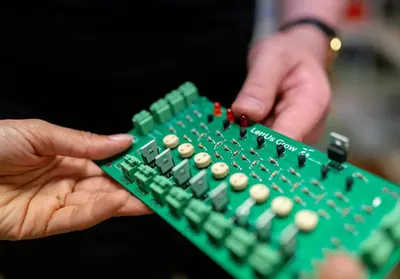
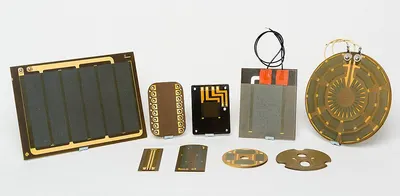
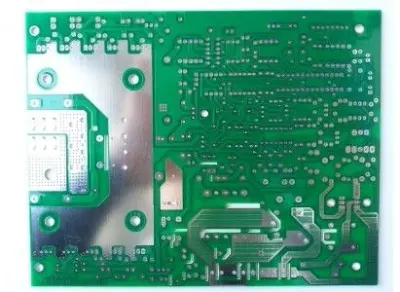
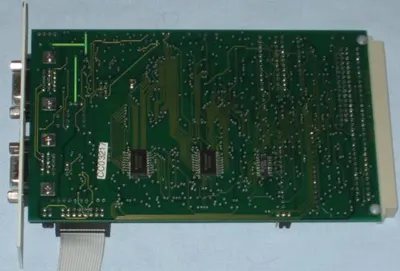
Onlitex Electronic Holding Ltd. is based in China and lists nine active products in its catalogue. The portfolio focuses on printed circuit board (PCB) technologies, covering both rigid and flexible formats. Items include an aluminum material base circuit board, flexible PCB (OEM), printed circuit board, flexible printed circuit board (FPC), rigid‑flexible printed circuit board, Teflon circuit board, membrane switch, metal dome, and a standard printed circuit board. Each entry is classified under the PCB category without additional HS‑code details in the source data. The supplier is marked as an imported tier with a harbor trust level.
The listed products span a range of substrate materials such as aluminum, Teflon, and flexible polymers, which are common in high‑frequency and thermal management applications. Flexible printed circuit boards (FPC) and rigid‑flex designs enable multilayer interconnections for compact electronic devices. Membrane switches and metal domes are electromechanical components often integrated with PCB assemblies for user‑interface functions. Although the source data does not include HS codes, these items generally fall under HS chapter 85, which covers electronic components. The nine‑product set reflects a focused offering within the broader PCB market.
Product Range and Specialties of Onlitex Electronic Holding Ltd.
Onlitex’s catalogue includes aluminum‑base circuit boards, which are typically used for power electronics and LED modules where heat dissipation is critical. Standard specifications for aluminum PCBs involve a copper thickness of 1 oz/ft² (35 µm) on a 1 mm aluminum core, with a dielectric layer of epoxy resin. Flexible PCBs listed as OEM or FPC are usually fabricated from polyimide or polyester films, offering bend radii as low as 1 mm and copper thicknesses from 0.5 oz to 2 oz. Rigid‑flex boards combine a rigid FR‑4 core with flexible polyimide layers, allowing mixed‑technology assemblies in aerospace and medical devices. Teflon circuit boards provide low dielectric constant (≈2.1) and low loss for microwave frequencies, commonly manufactured to IPC‑6012 Class 3 standards.
The membrane switch and metal dome components are typically produced in silicone or polyester substrates, with contact ratings up to 50 mA and operating temperatures from - 40 °C to +85 °C. Printed circuit board offerings without a specified substrate generally follow FR‑4 material with standard 1.6 mm thickness, copper weight 1 oz, and IPC‑2221 design rules. Industry buyers frequently request RoHS compliance, UL 94 flammability ratings, and IPC‑A‑600 visual inspection standards for these products. Typical HS code for printed circuit boards is 8534.00, while flexible boards may be classified under 8542.39.
Frequently Asked Questions About Onlitex Electronic Holding Ltd.
What PCB substrate materials does Onlitex offer?
The catalogue lists aluminum‑base boards, Teflon boards, standard FR‑4 boards, and flexible polyimide or polyester films for FPC and rigid‑flex designs. These substrates support applications from power electronics to high‑frequency communications.
Which certifications should a buyer request for these PCBs?
Buyers should ask for RoHS compliance certificates, UL fire‑rating (UL 94) reports, ISO 9001 quality management audit, and IPC‑A‑600 visual inspection test reports. Providing these documents helps satisfy regulatory and quality requirements in most target markets.
What is the typical HS code for the printed circuit boards in this range?
Rigid and flexible printed circuit boards are generally classified under HS code 8534.00, while specialized flexible boards may fall under HS 8542.39. Correct HS classification ensures smooth customs clearance and appropriate duty assessment.
What are common minimum order quantities and lead times?
Standard PCB orders often start at 500 - 1 000 pieces, with lead times of 15 - 30 days for simple two‑layer boards and 30 - 45 days for multi‑layer or high‑frequency designs. Buyers should confirm the exact MOQ and schedule based on the board complexity.
How are the boards packaged for international shipment?
Boards are typically packed in anti‑static bags, placed in moisture‑barrier pouches, and boxed within double‑wall corrugated cartons to protect against static discharge and humidity. This packaging conforms to industry standards for safe international transport.
ChinaRelated Suppliers & Products
Explore similar suppliers, related products and trending categories


.jpg.png)